See Noise Hear Light Saturday
Jazkamer Keiji Haino Kiyoharu Kuwayama Lee Patterson Matt Hulse Ravi Padmanabha Steve Baczkowski The Bohman Brothers Tony Conrad
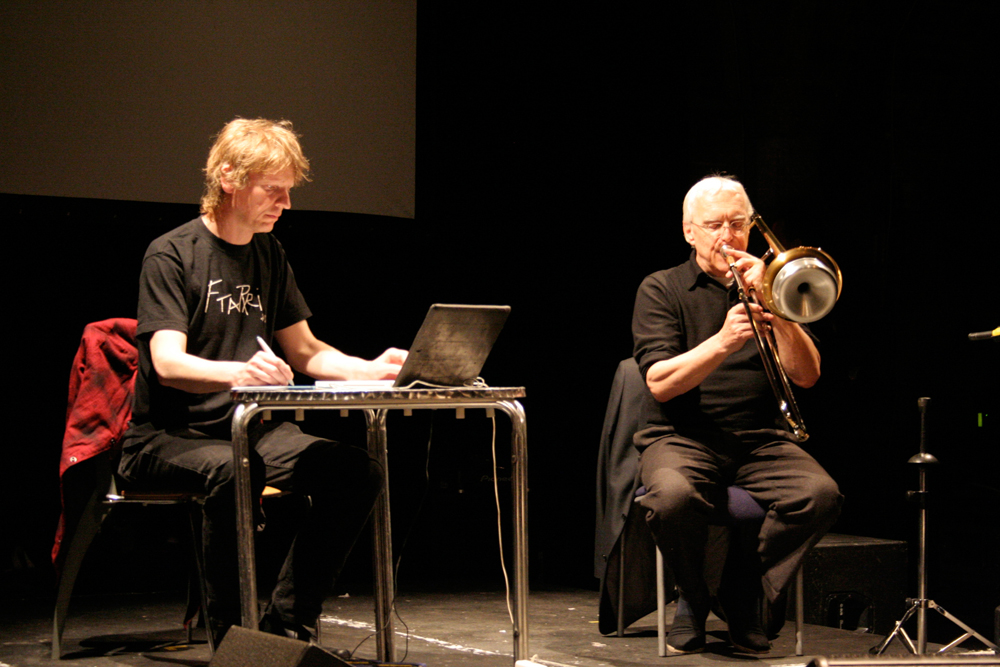
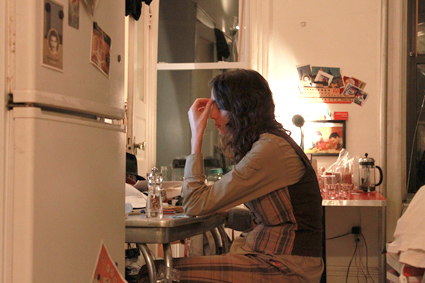
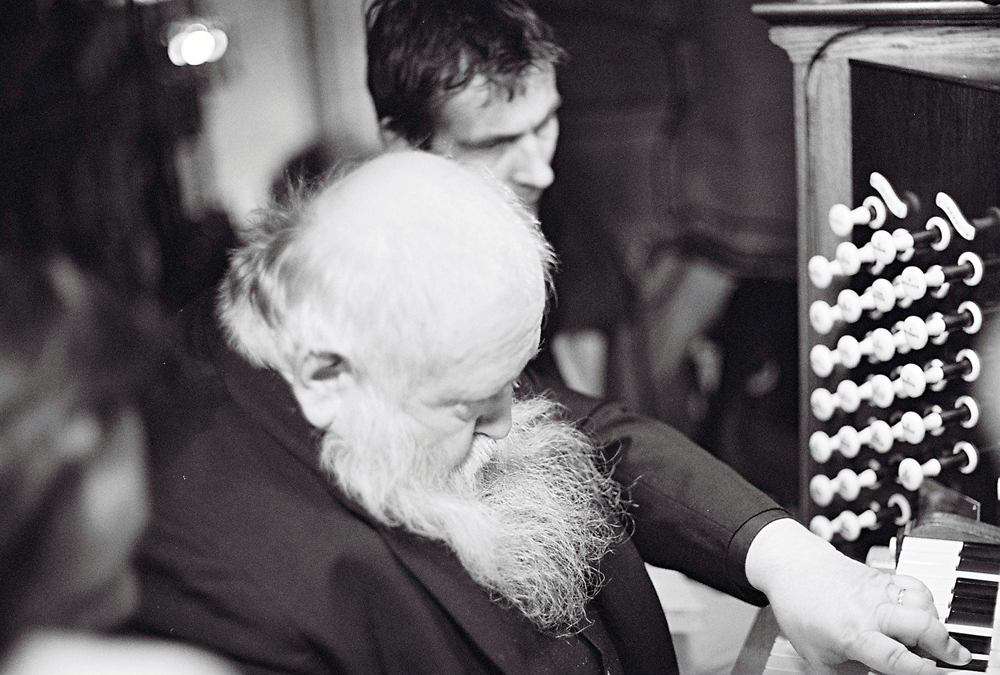
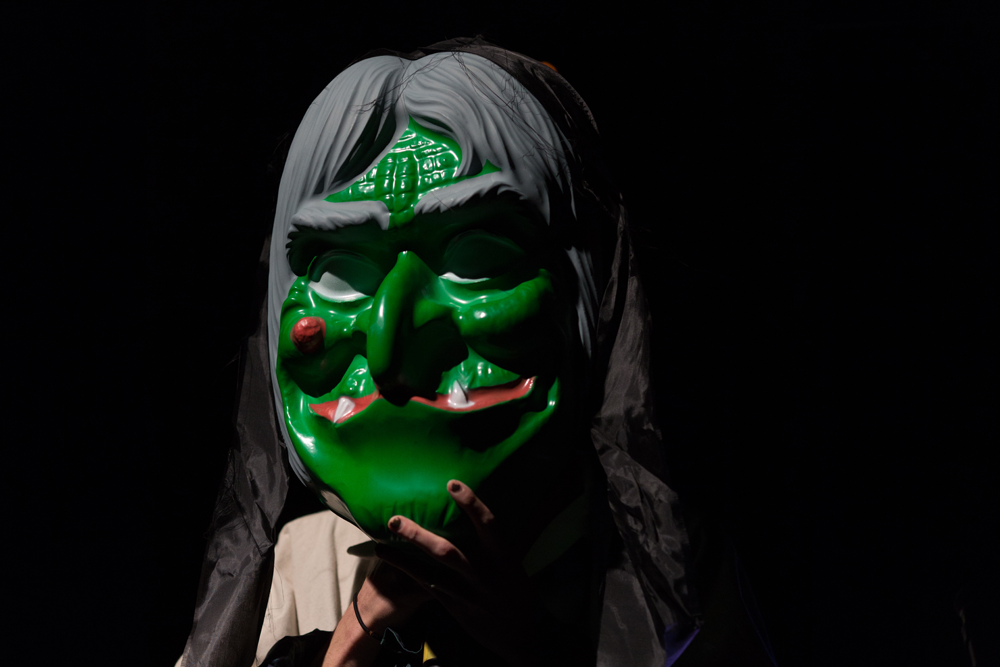
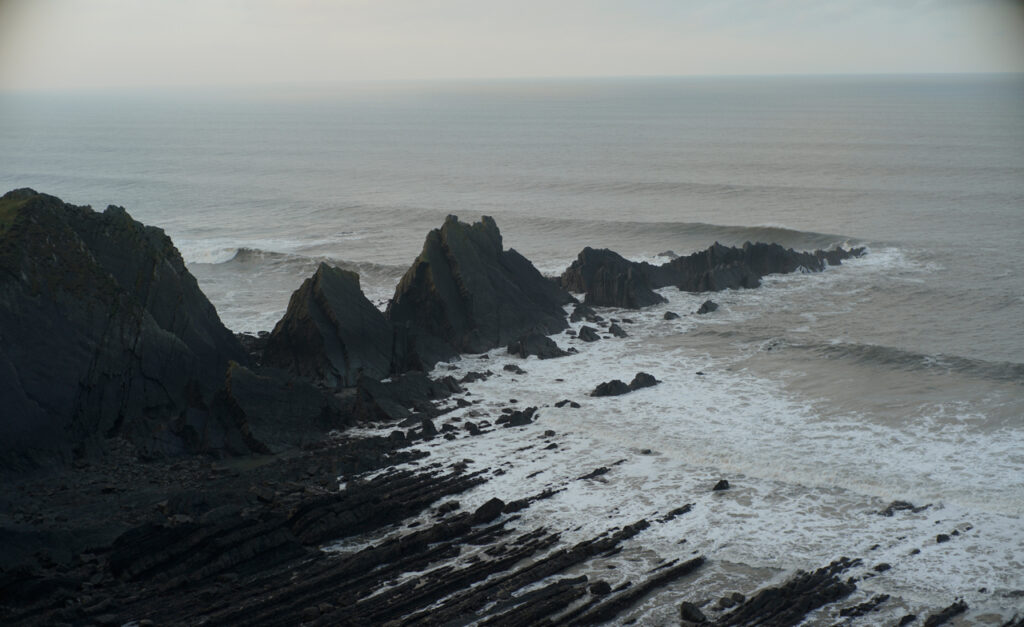
Freeform Super 8mm documentation of Saturday at Instal 06 by filmmaker Matt Hulse.
Arika have been creating events since 2001. The Archive is space to share the documentation of our work, over 600 events from the past 20 years. Browse the archive by event, artists and collections, explore using theme pairs, or use the index for a comprehensive overview.
Freeform Super 8mm documentation of Saturday at Instal 06 by filmmaker Matt Hulse.
Julius’ “small music” features simple snatches of found sound, played back through small speakers, often set in bowls of pigment and dirt which shimmies in the vibrations.
Three different performances variously featuring: Fritz Welch, loud drums, guitar, local collaborators, paper, memories, Roland Barthes, string quartets
Why won’t the idea of the particle or individual go away? Is the measurement problem in physics a documentary film issue? What can a human be without its crutches of life-time and measure?
A simple, gracefully bold set-up to allow Loïc to trace connections: of comments upon comments upon comments, of sounds next to sounds next to sounds.
(Cyber)feminist, non-essentialist transgender and queer daily radio shows using the formula of morning radio as an arch way of thinking about the scripted behaviour and controlled empathy of systematic care.
Poetry of raw fearless truth and the realest crip insight fully embedded in absolute lyrical lounge.
How do grassroots feminist organisations strategise relationships between mothers, parents, carers and their children based on respect and empowerment, in resistance to the practice of putting children in often the most uncaring of places – care.
Using violin and cello the duo map out a twilight sonic world that seems to tread the faultlines between improvisation and composition.
William cradles, hammers, and rains down blows, plucking and using 2 bows to attack the strings above and below the bridge, all in the service of a fiery and passionate creativity.
Dworkin asks: What would a non-expressive poetry look like? A poetry of intellect rather than emotion?
What is happening when systems of repression try to grasp communities’ ways of being, living or surviving, applying laws of sexuality, gender or race to cast them as criminal?