FACT
Craig Dworkin
Dworkin asks: What would a non-expressive poetry look like? A poetry of intellect rather than emotion?
Arika have been creating events since 2001. The Archive is space to share the documentation of our work, over 600 events from the past 20 years. Browse the archive by event, artists and collections, explore using theme pairs, or use the index for a comprehensive overview.
Dworkin asks: What would a non-expressive poetry look like? A poetry of intellect rather than emotion?
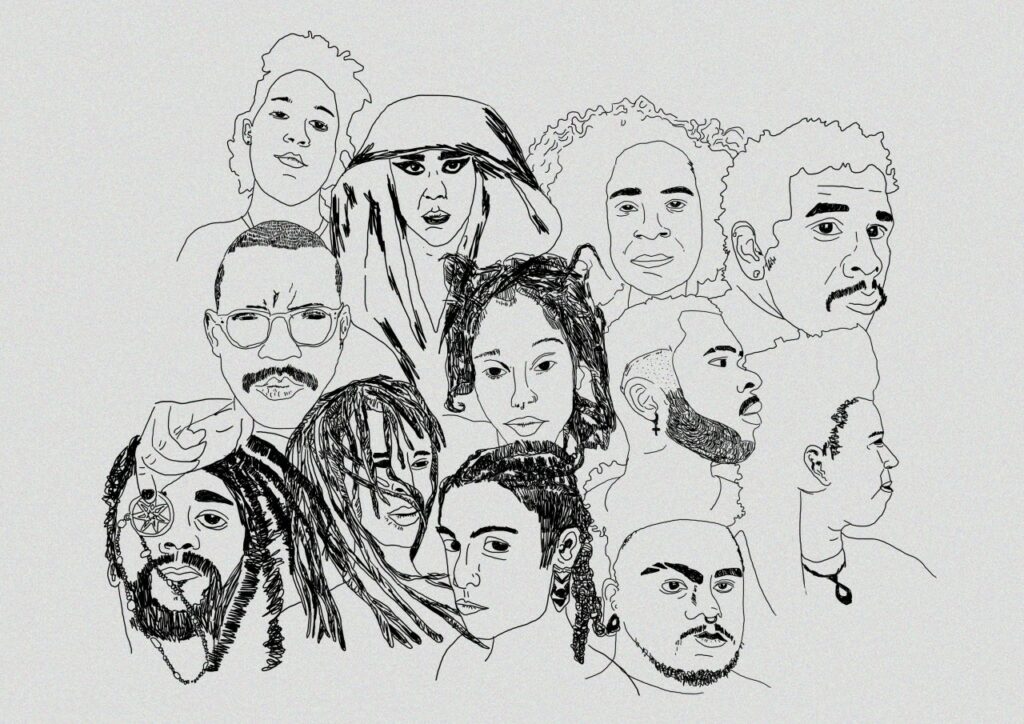
How do communities practice being one another’s means, addressing their material problems facing them replicating the state’s violent logic of who is disposable.
An open-ended moment in an ongoing series of films, notes, performances, diagrams and drawings which trace the questions they share. A “porous space between cinema time-space and lived time-space.”
Somewhere between performance, stripped down theatre and an intense kind of public learning or maybe even a public hearing.
How do communities formed under the duress of violent othering and the joy of solidarity – such as ballroom culture, Black diasporas, Zapatistas – reform bonds of kinship?
Join Brian as he ruminates on the history of how experimental filmmakers and sound artists have drifted into and taken over galleries in order to show their work.
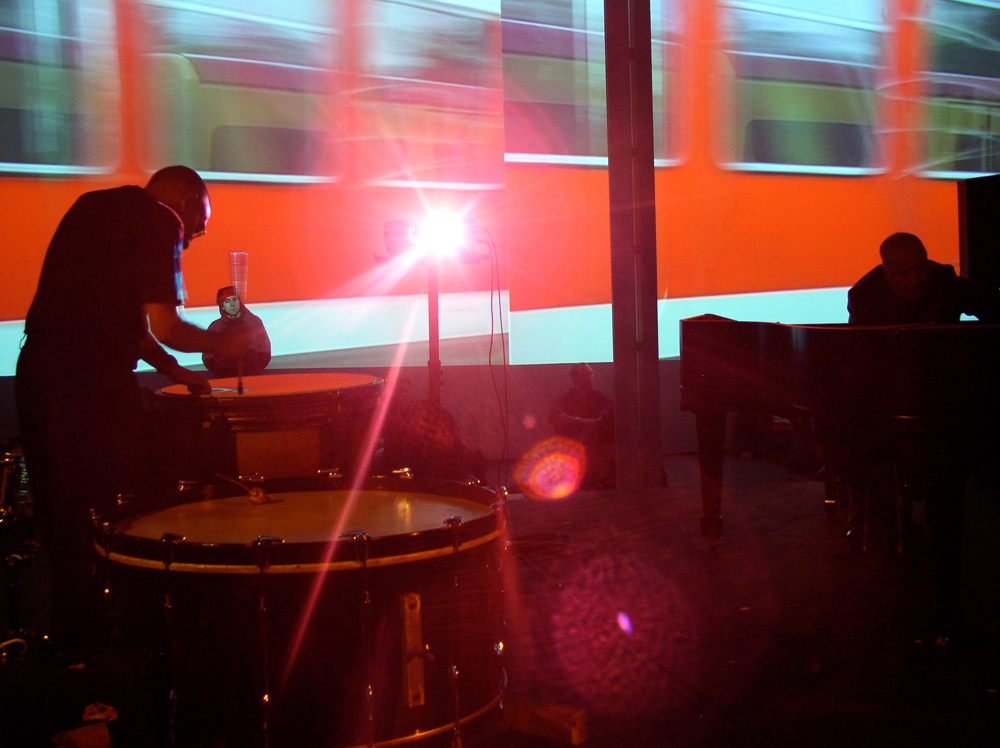
Rare UK performance by legendary Japanese post punk group during their 4 drummers + synth / vocals phase.
A performed installation by one of Germany’s most interesting visual artists, based on edited transcripts of the 1961 trial of Adolf Eichmann in Jerusalem and the writings of Hannah Arendt
Criminal Queers visualises a radical trans/queer struggle against the prison industrial complex, working to abolish the multiple ways our hearts, genders, and desires are confined.
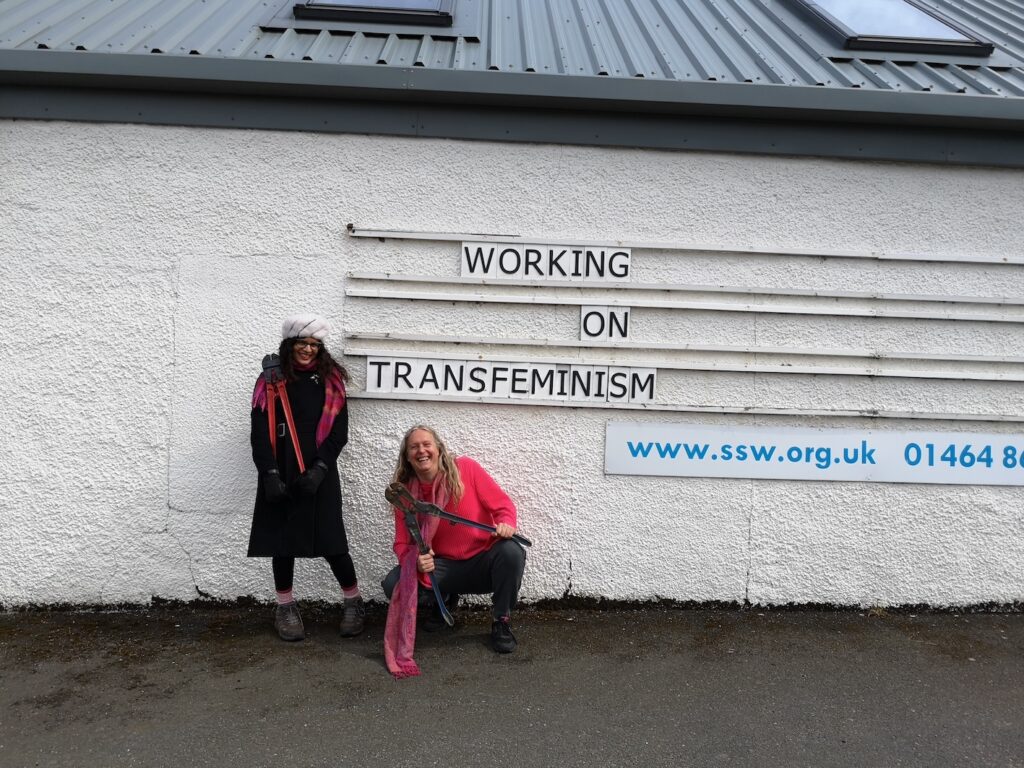
Radical transfeminism aims to hold the space for finding relations between the ruins of the everyday. Emerging from the debris, spaces for politics find form as poetics to carry understandings, actions and be/longings.
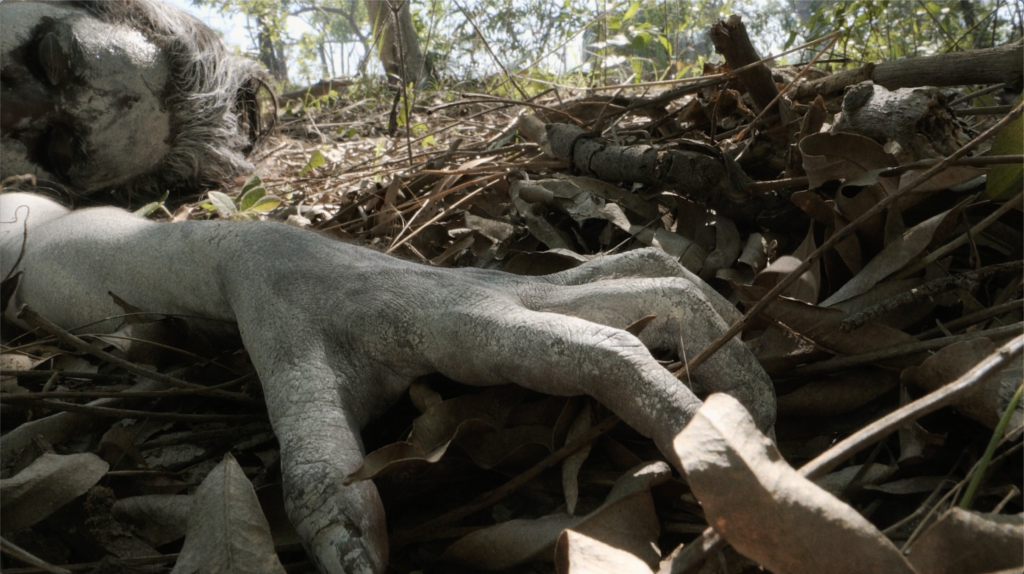
Stripping back the domesticated ‘meaning’ of (everyday, mundane, kitchen) tools to reveal “a lexicon of rage and frustration.” Plus an allegorical use of mundane, everyday things as an examination of how meaning is constructed in film.
Haunted by the archive of the New Cross Fire, Jay Bernard presents a film and poetry reading that undertakes a queer exploration of black British history, reconstructed from archives and apparent debris.