Mutual Aid on the Road to Abolition
Dean Spade Abolitionist Futures
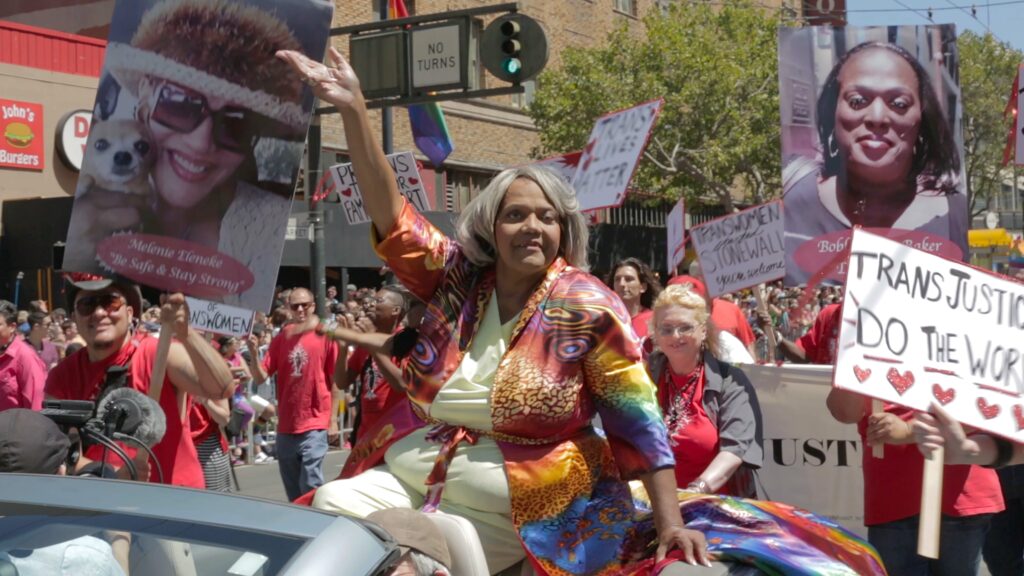
How do we make the connections between the mutual aid practices of our daily lives and anti-capitalist efforts to dismantle wider systems of exploitation?
Arika have been creating events since 2001. The Archive is space to share the documentation of our work, over 600 events from the past 20 years. Browse the archive by event, artists and collections, explore using theme pairs, or use the index for a comprehensive overview.
How do we make the connections between the mutual aid practices of our daily lives and anti-capitalist efforts to dismantle wider systems of exploitation?
The role of feelings in public life, (political) depression and creative survival.
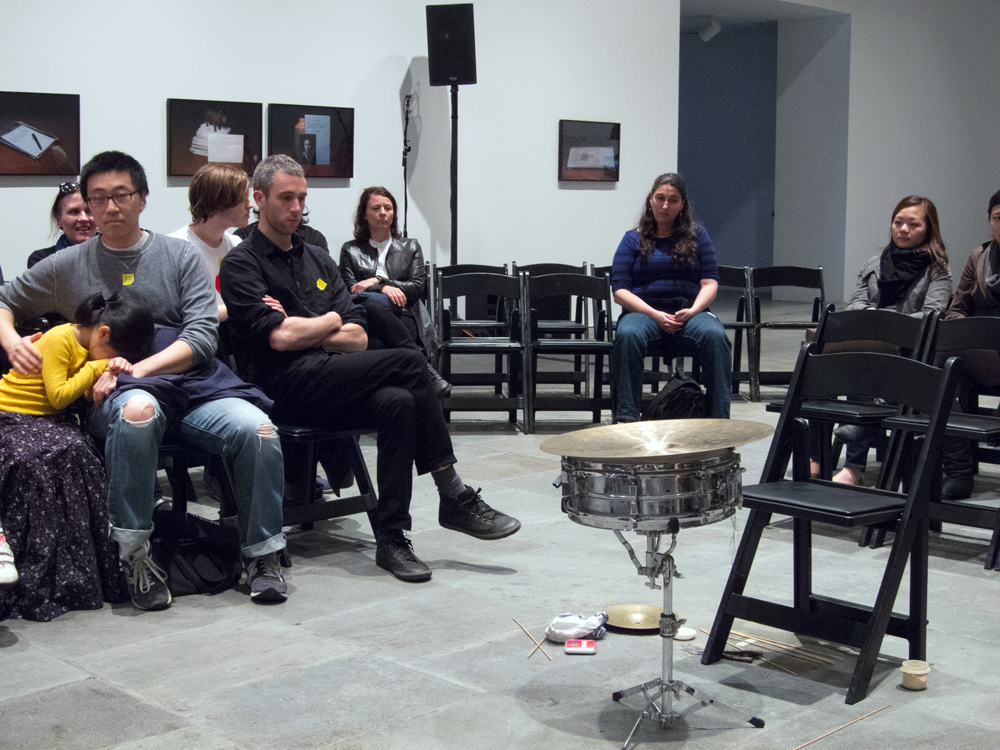
Percussion used to explore the social construction of space
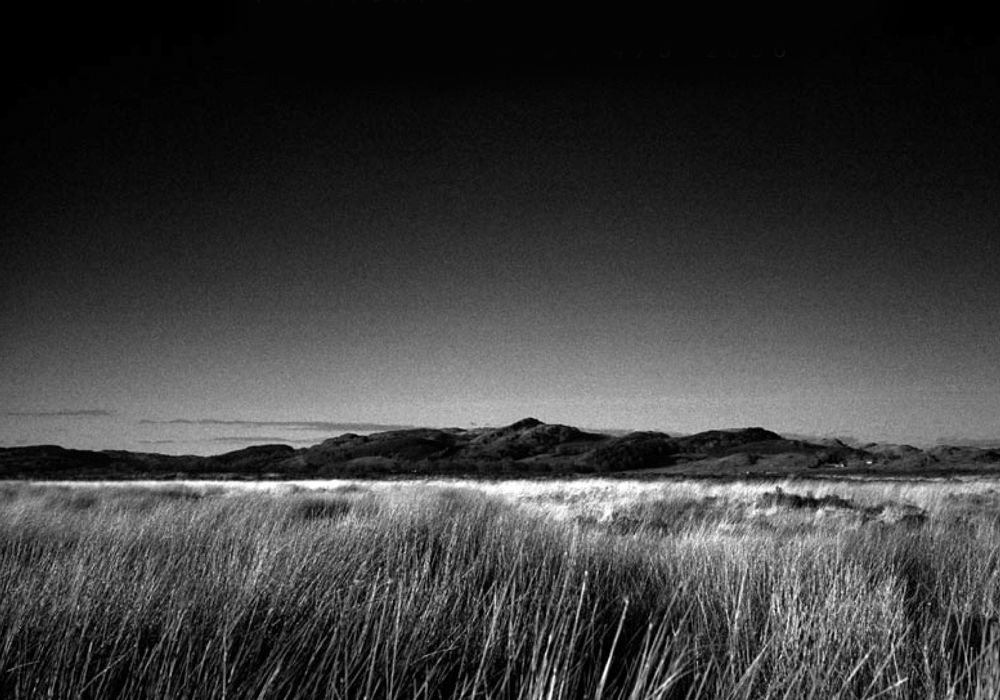
NVA asked Arika to curate and programme the sound aspects of their 2007 Half-Life production in Kilmartin Glen. Arika worked with Toshiya Tsunoda, Lee Patterson, Rhodri Davies and Angharad Davies.
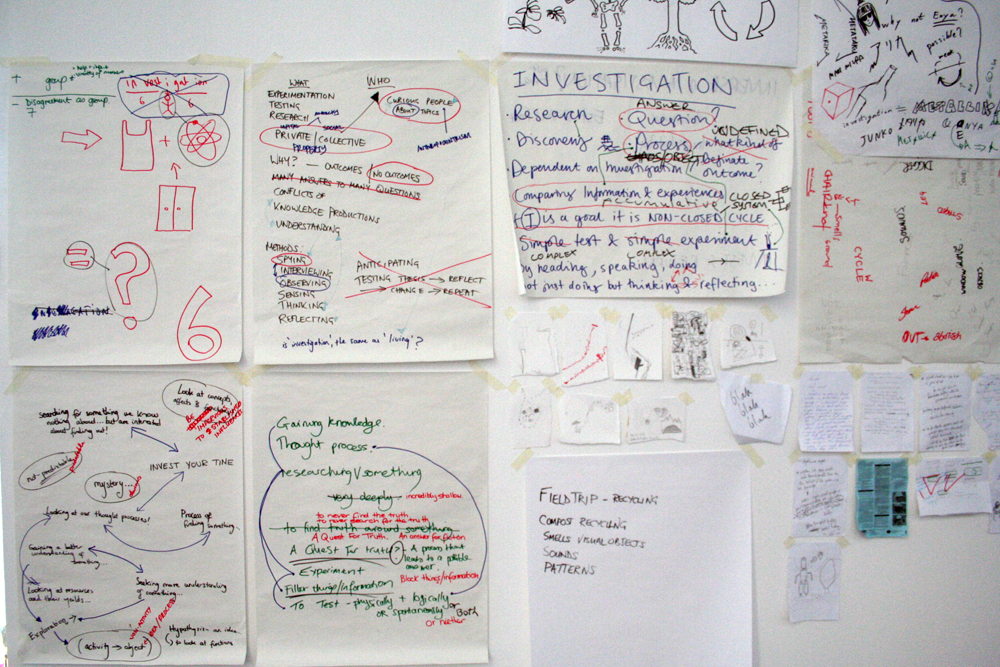
Summing up of the investigations with a reflection on what has been done that week and what could be done the next.
Ken presents his Nervous Magic Lantern, wherein film itself is forsaken for an investigation of hypnotic and trancelike crystaline forms. Eric La Casa works with recordings of everyday occurrences: the background hum of place.
How do communities formed under the duress of violent othering and the joy of solidarity – such as ballroom culture, Black diasporas, Zapatistas – reform bonds of kinship?
Akio Suzuki and John Butcher performing in a large multi chambered industrial ice house.
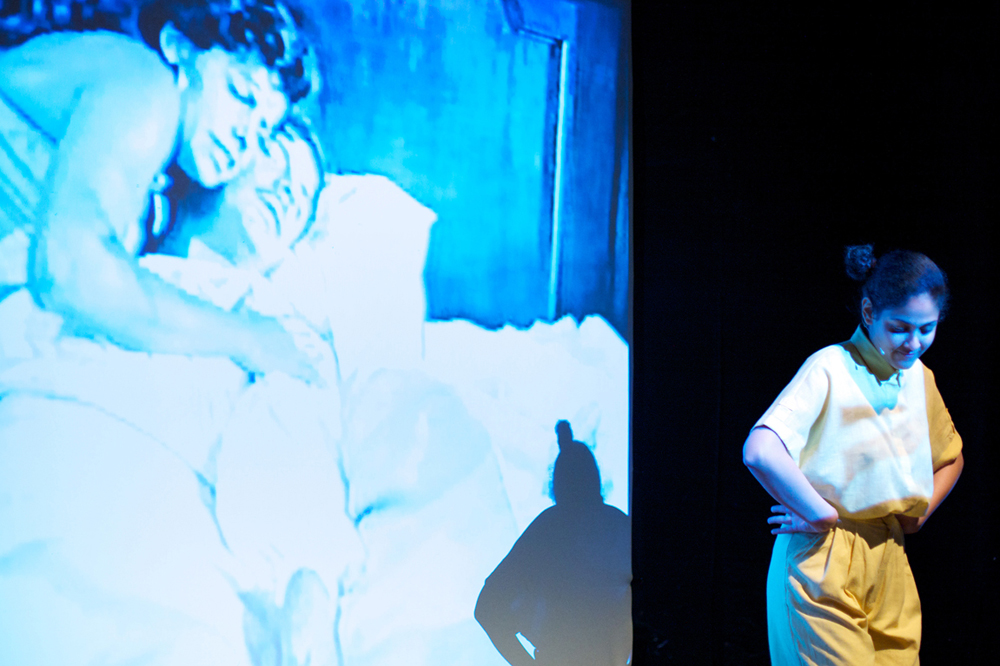
A performed film lecture exploring how the ‘Rumberas’ of Caribbean cinema of the 40’s and 50’s subverted demeaning images of themselves through dance, sound and a sociality that insisted on blackness as being a cultural performance, not simply due to skin colour.
Open-ended, paradoxical and performed investigations into: misunderstanding, language games, form saturated with sense, and consecutive matters…
A chat with Eugene Thacker. Can we rethink the world as unthinkable, and without us?
The second in a series of workshops for workers and non-workers who care. What does the sharing of vulnerability entail? Can such a sharing inform progressive social relations?