


22 July 2026
COLLECTIVE ART WORKSHOP
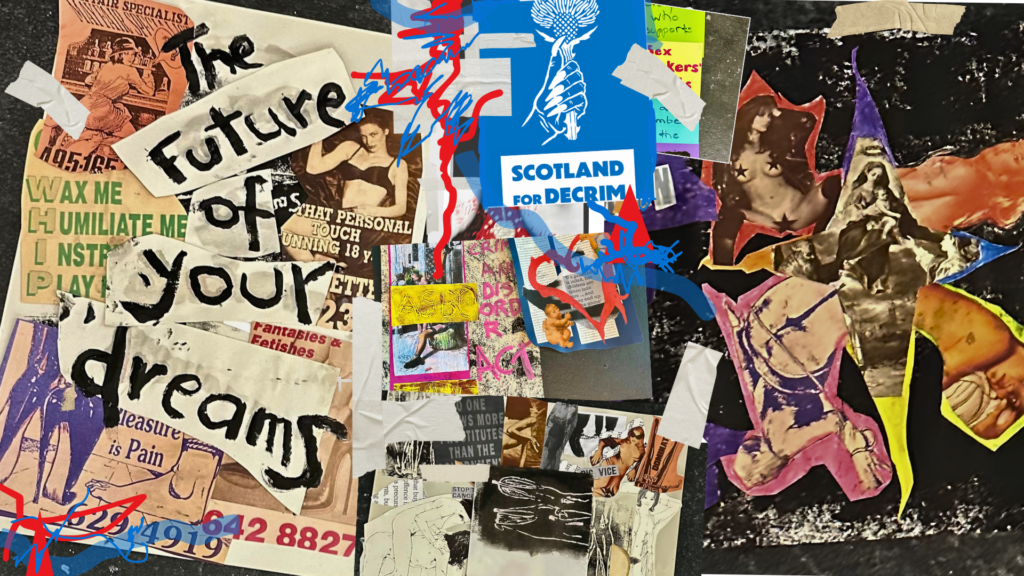
Scotland for Decrim
Sex worker only Collective Art Workshop led by the Hard Labour project from Scotland for Decrim.
Arika have been creating events since 2001. The Archive is space to share the documentation of our work, over 600 events from the past 20 years. Browse the archive by event, artists and collections, explore using theme pairs, or use the index for a comprehensive overview.
Sex worker only Collective Art Workshop led by the Hard Labour project from Scotland for Decrim.
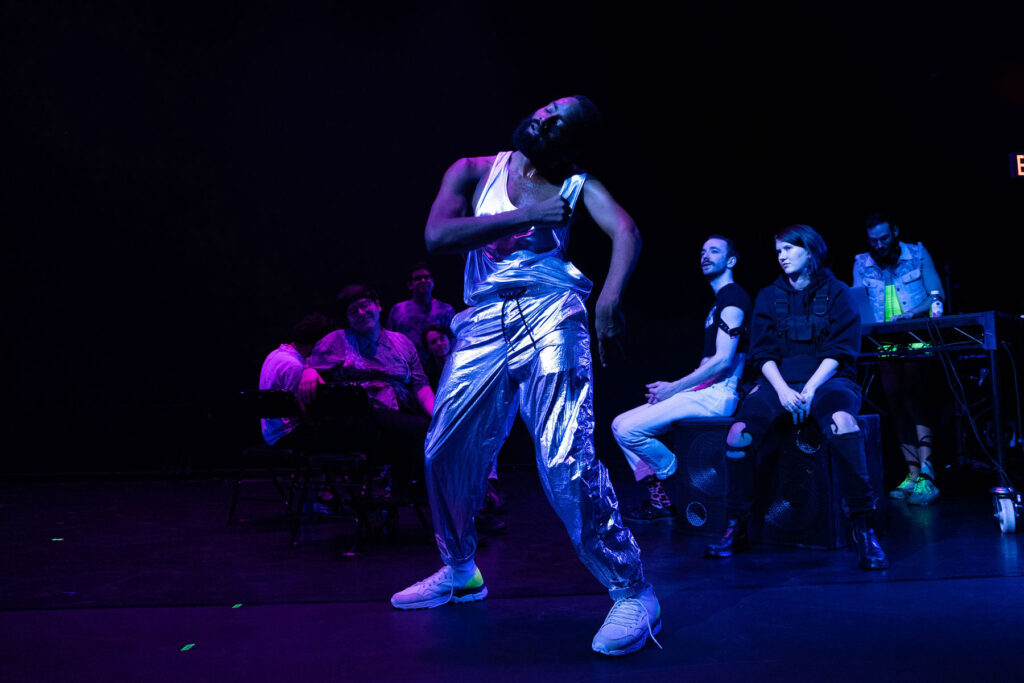
A dance party love letter to our community, expressing the joy of relation in the abstract and through actual physical proximity.
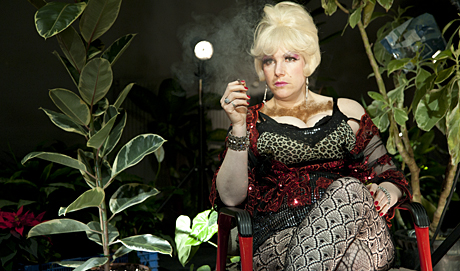
Trans-temporal drag, sexuality and the re-staging of illegible moments in history.
Artist Derek Lodge running a specially designed social space, somewhere for conversation, story-telling and interaction.
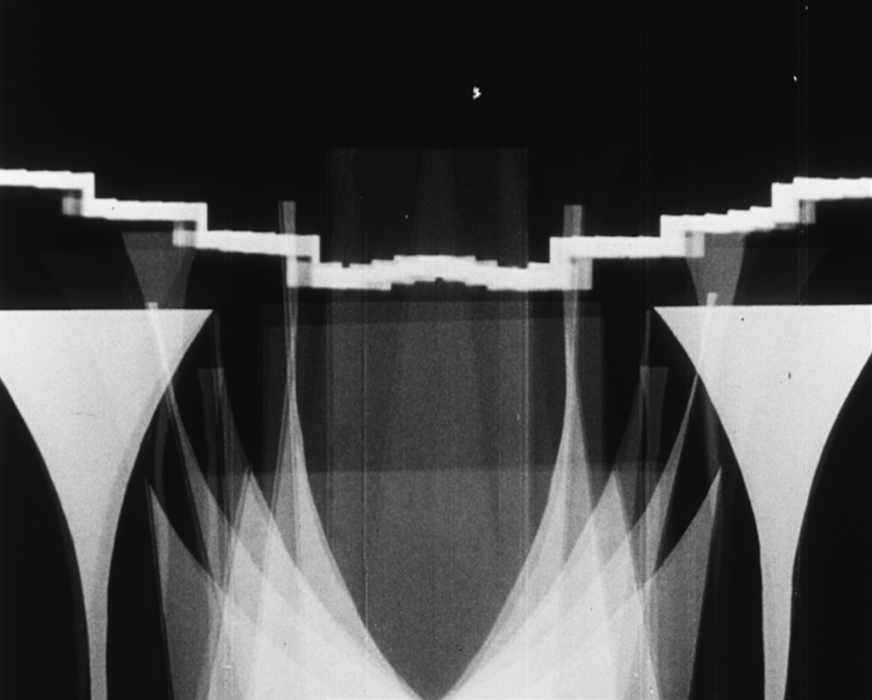
Includes: tamed TV snow, video feedback of racing particles, a remake of a polish photogram film destroyed in WWII, a visual and aural representation of Gestalt theory, hole-punched film and Guy Sherwin’s Cycles 3 double-projection.
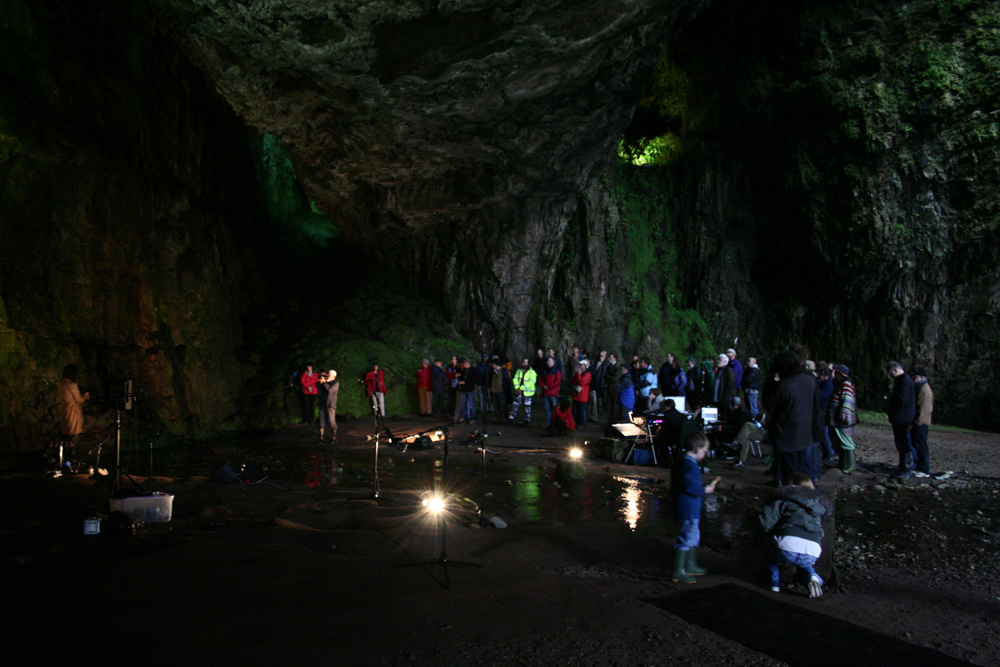
Akio Suzuki and John Butcher performing in a remote sea cave near Durness.
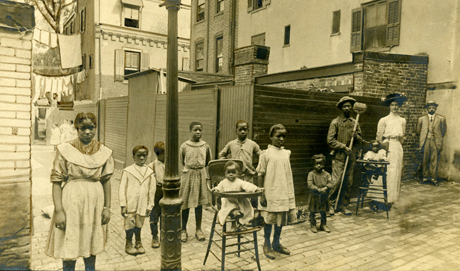
A socio-poetic reading on wayward communities – The wayward create upheavals, incite tumult. They come and go as they please; they are fugitive; they are in open rebellion against society.
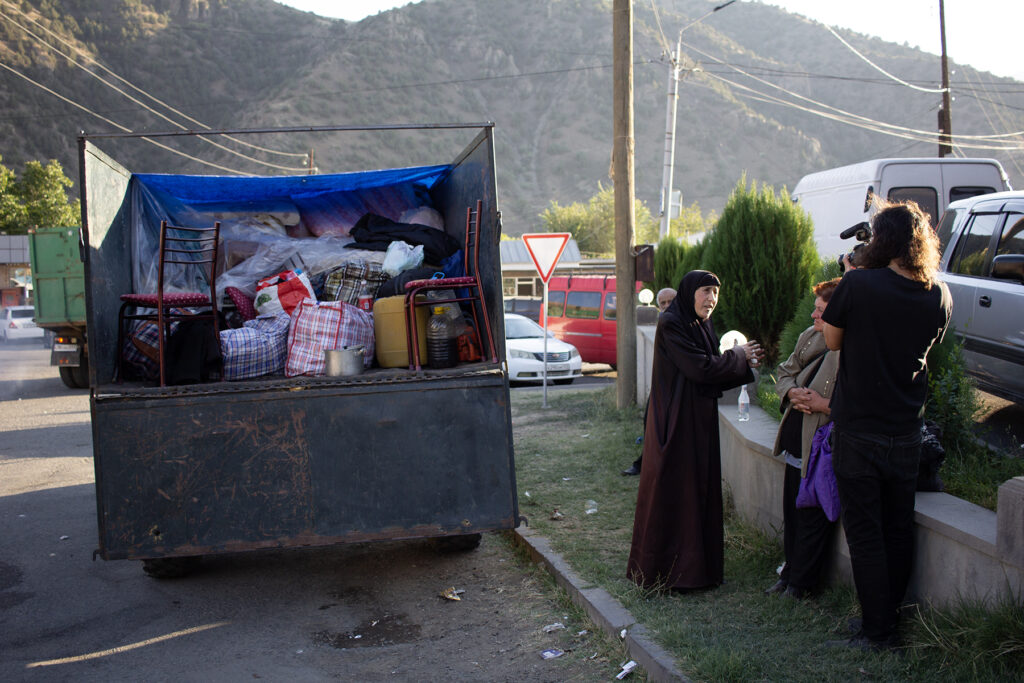
An improvised film about our worlds at the brink, on the edge, in front of a crisis. To stand on the side of life, by seeing the resistance to genocide in Palestine as a turning point to overcome.
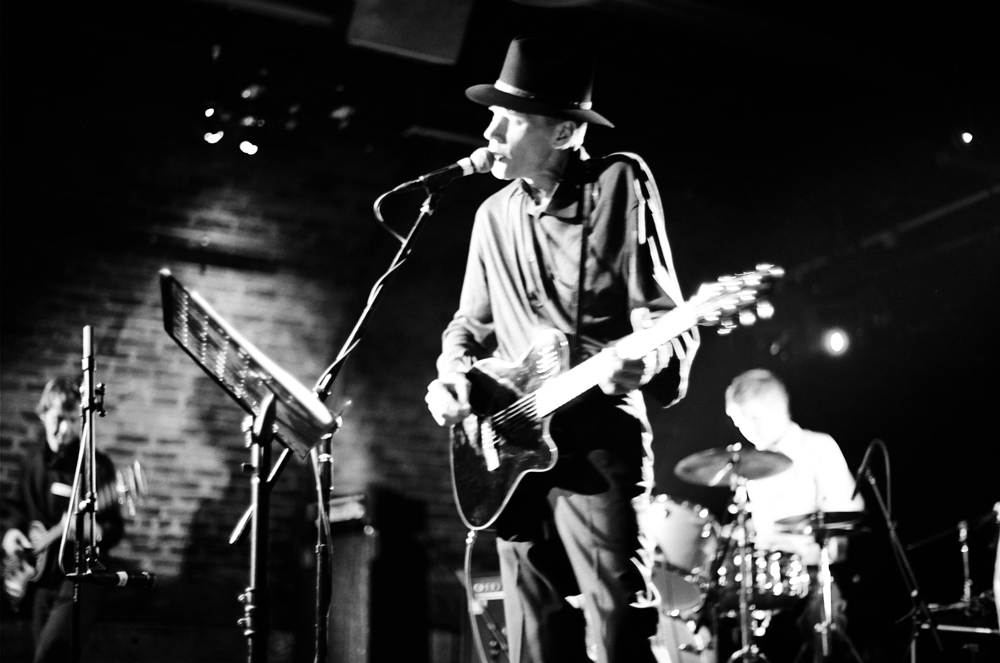
Jandek’s first ever live performance. Unannounced, the performance was a total surprise for everybody at the festival.
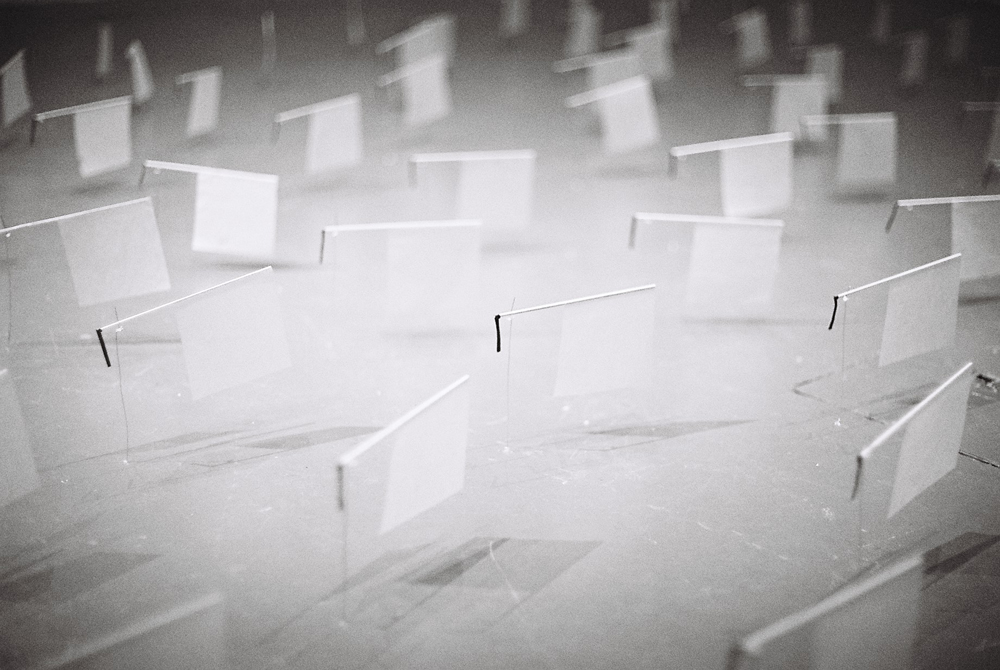
Felix Hess is a unique crosser of the boundaries between science and art. He wrote his doctorial thesis on the aerodynamics of the boomerang
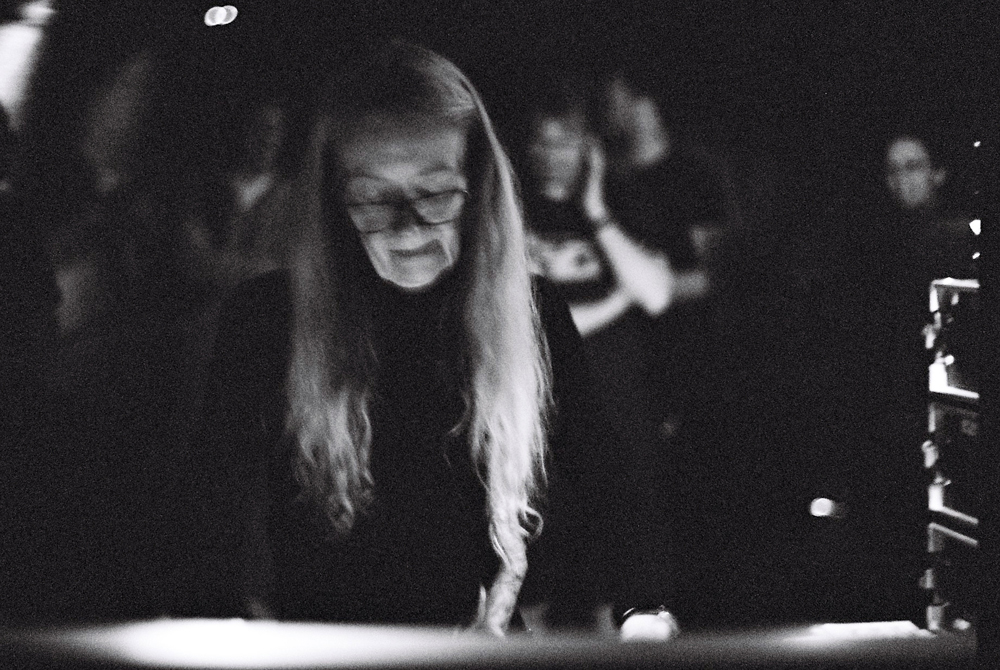
A rare live performance which, although not a full installation, made use of the unique acoustic and spatial properties of the Arches to rattle the audience and help it locate its third ear.
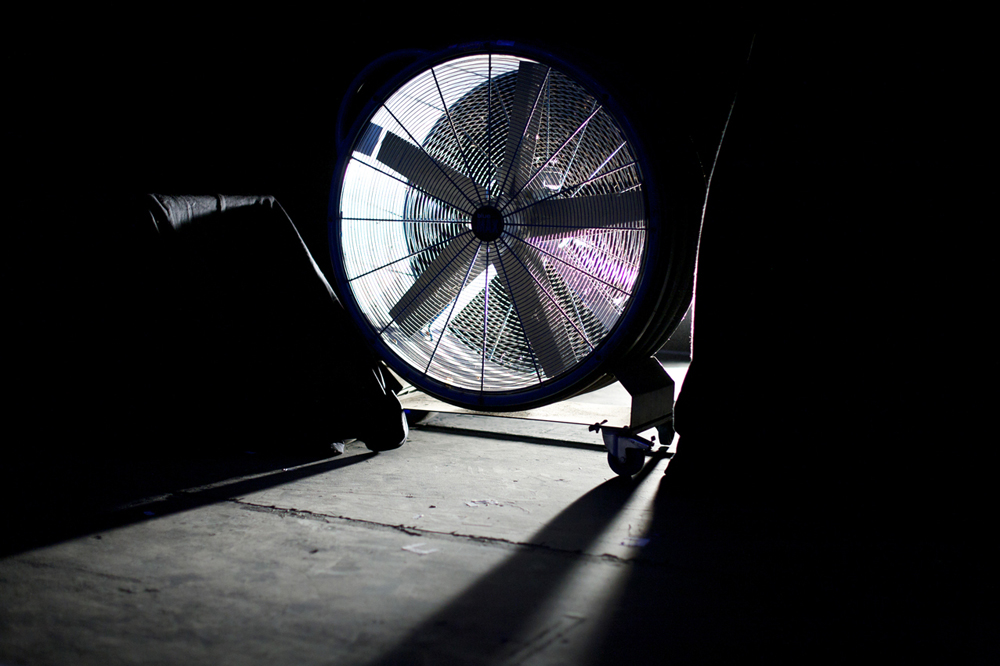
How do you know what you want? Should freedom be doing what you ought, not doing what you want? How might a philosopher and artist turn this thinking into an enabling condition in the context of noise and improvisation?