La Cellule d’Intervention Metamkine
Metamkine
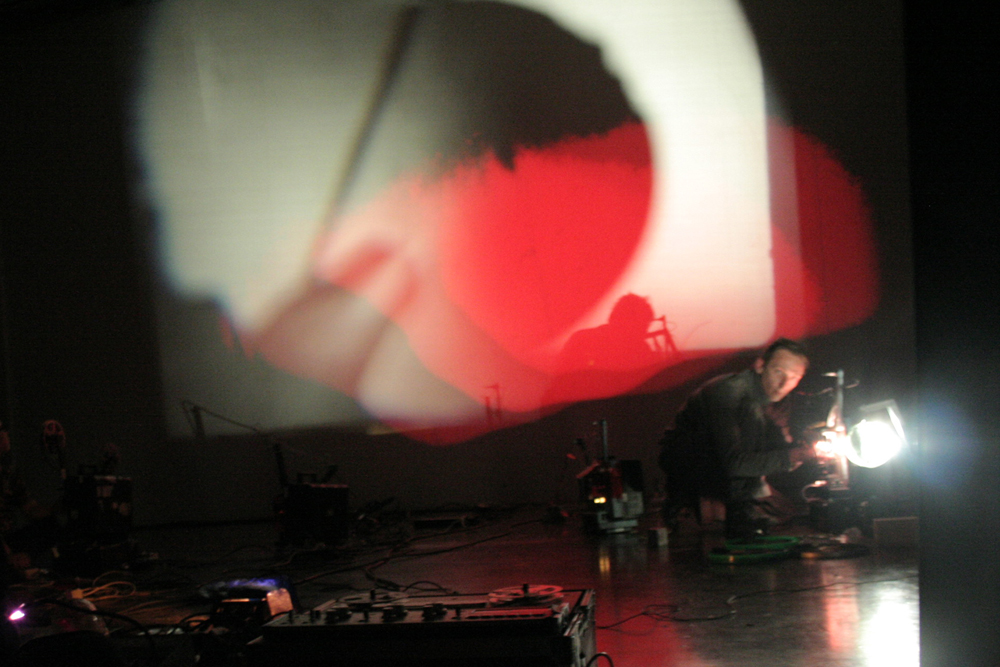
Multiple images, glimpses of old films, abstract images in the midst of an electro-acoustic sound field of tape loops & analogue synthesizers
Arika have been creating events since 2001. The Archive is space to share the documentation of our work, over 600 events from the past 20 years. Browse the archive by event, artists and collections, explore using theme pairs, or use the index for a comprehensive overview.
Multiple images, glimpses of old films, abstract images in the midst of an electro-acoustic sound field of tape loops & analogue synthesizers
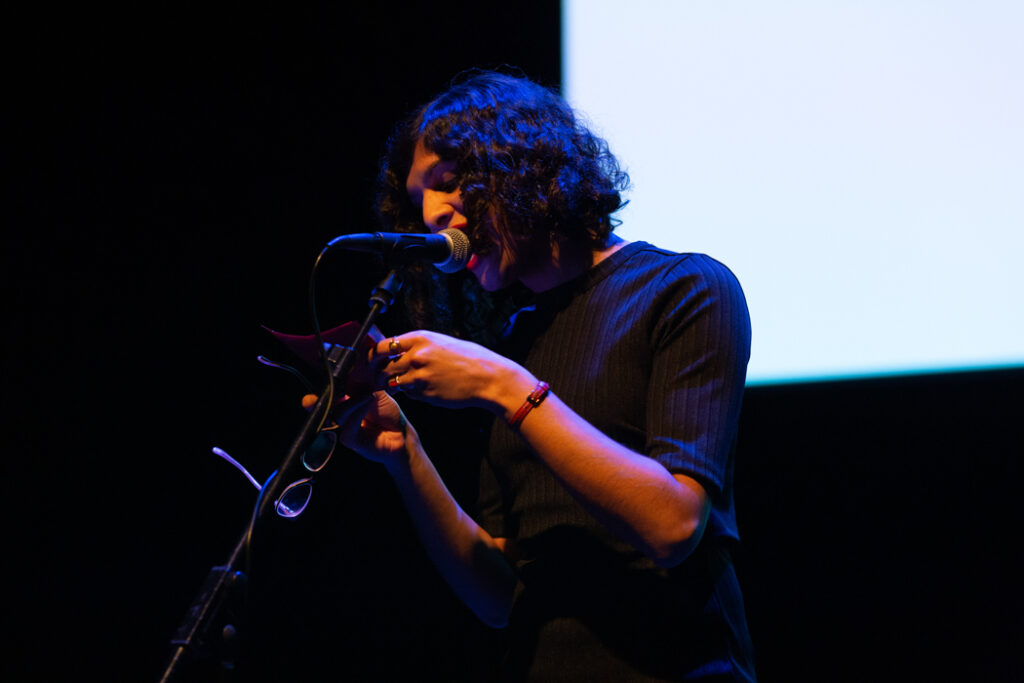
Transfeminist, communist, revolutionary poetry that refuses to flinch. Nat Raha presents new work in the nine.
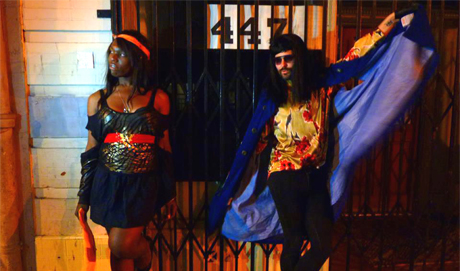
Criminal Queers visualises a radical trans/queer struggle against the prison industrial complex, working to abolish the multiple ways our hearts, genders, and desires are confined.
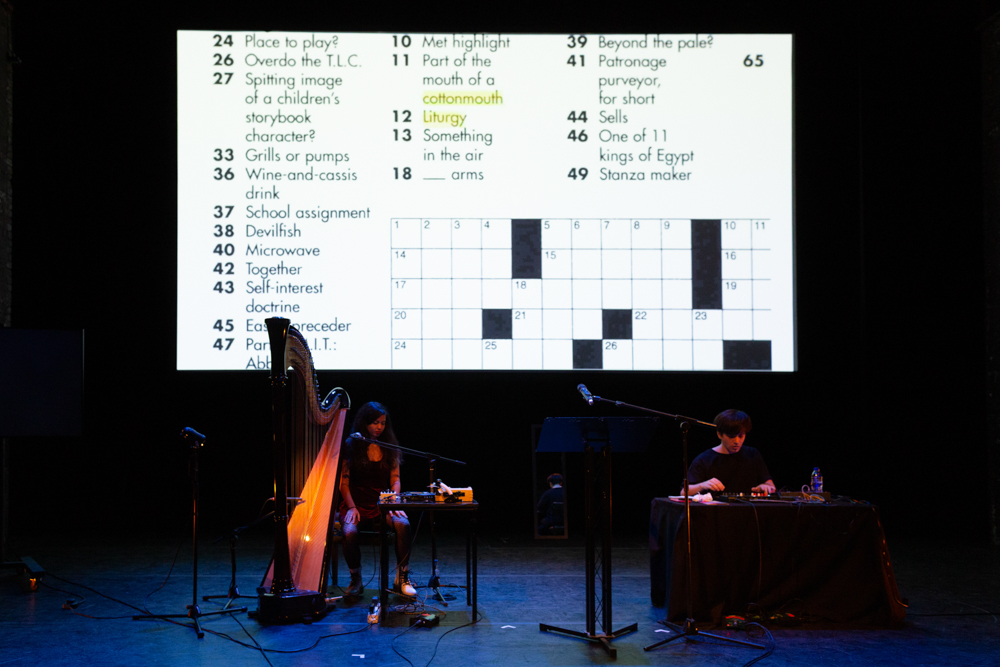
A multi-media harp and spoken word tribute to the incalculable, the in-deducible, the suspicious static noise that accompanies the voice of truth, and the attempted aberrations in the domain of emergence.
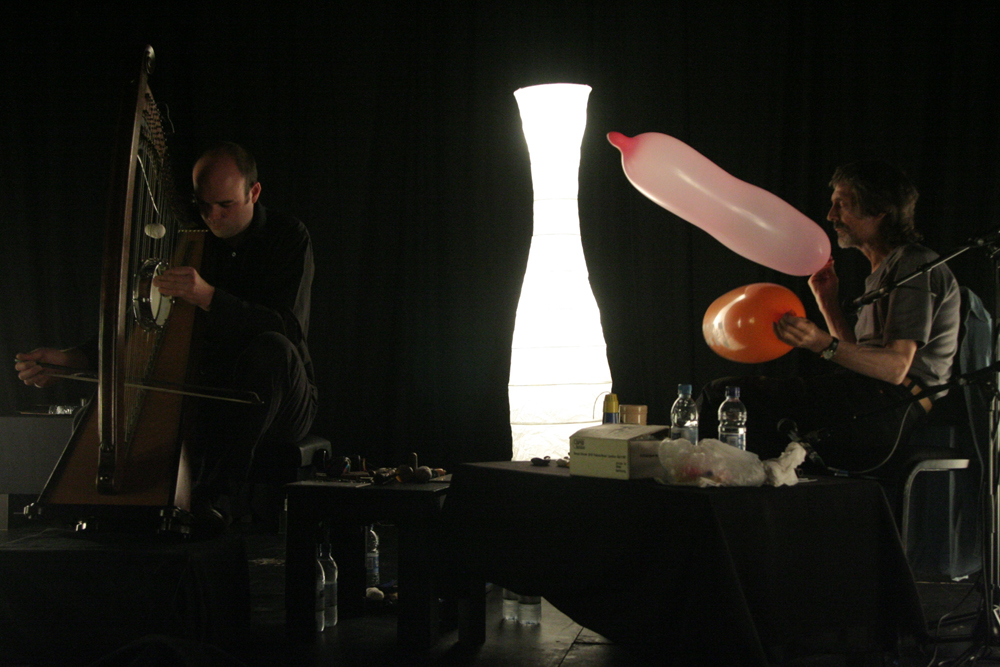
Terry is one of the most entertaining and unpredictable musicians in the London free improvising music scene. Rhodri Davies extends his instrument under a battery of techniques creating sound colours and textures quite alien to the harp.
“The miracle of Herman Melville is this: that a hundred years ago in Moby Dick…he painted a picture of the world in which we live, which is to this day unsurpassed.” – C. L. R. James
Guitar and voice. Keening, droning and mourning. Be ready to release and bring your dis-ease.
A loud, buzzing stew of electrical light as noise and convulsive electric guitar squall.
4 days of performances, discussions, workshops, screenings with mutant dancers, prison abolitionist poets, transfeminist revolutionaries, haunted noise, science fiction, sex worker resistance, crip erotics, radical pornography and militant fiction.
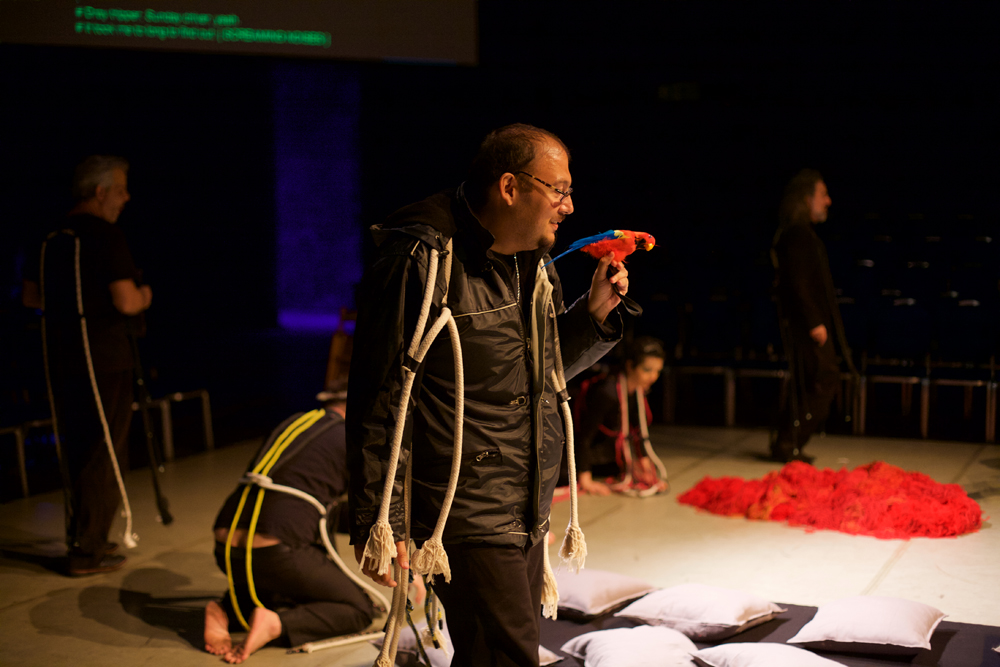
Inhabiting a different kind of energy, Ueinzz’s open rehearsals reveal a glimpse into their ongoing daily theatrical modes of caring – multiplying the ways in which their plays are meant to be felt, rather than understood.
Hartmut is going to talk a little about his work at large and the politics of how his films are constructed. And we’ll screen one of his best films: B-52.
Dworkin asks: What would a non-expressive poetry look like? A poetry of intellect rather than emotion?