Lyness Oil Tank
Akio Suzuki John Butcher
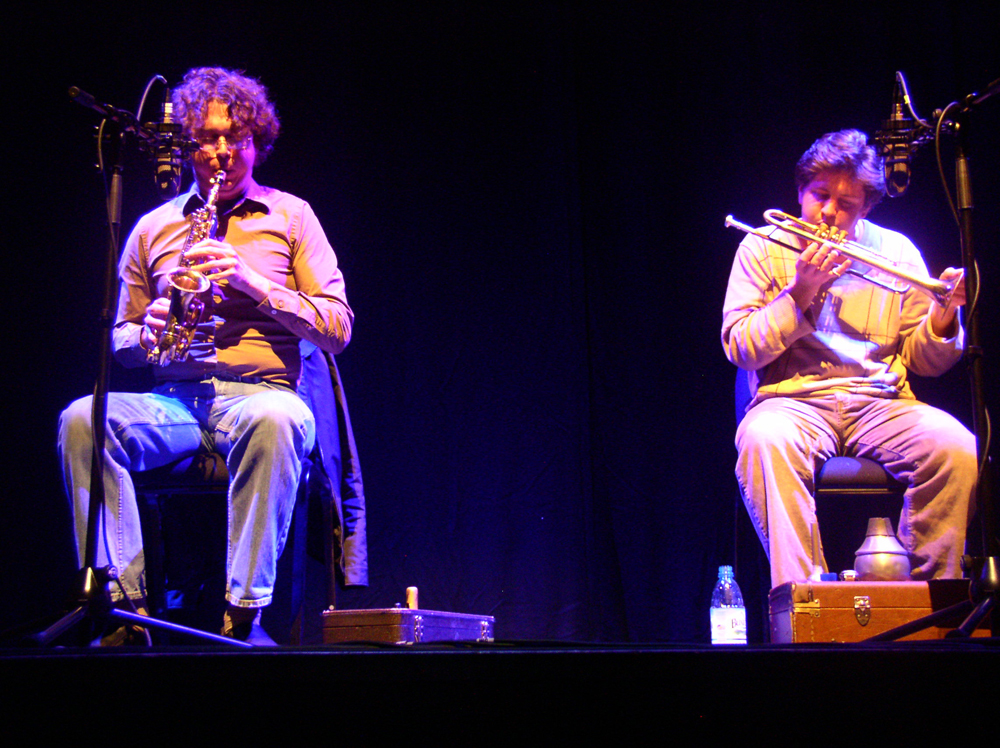
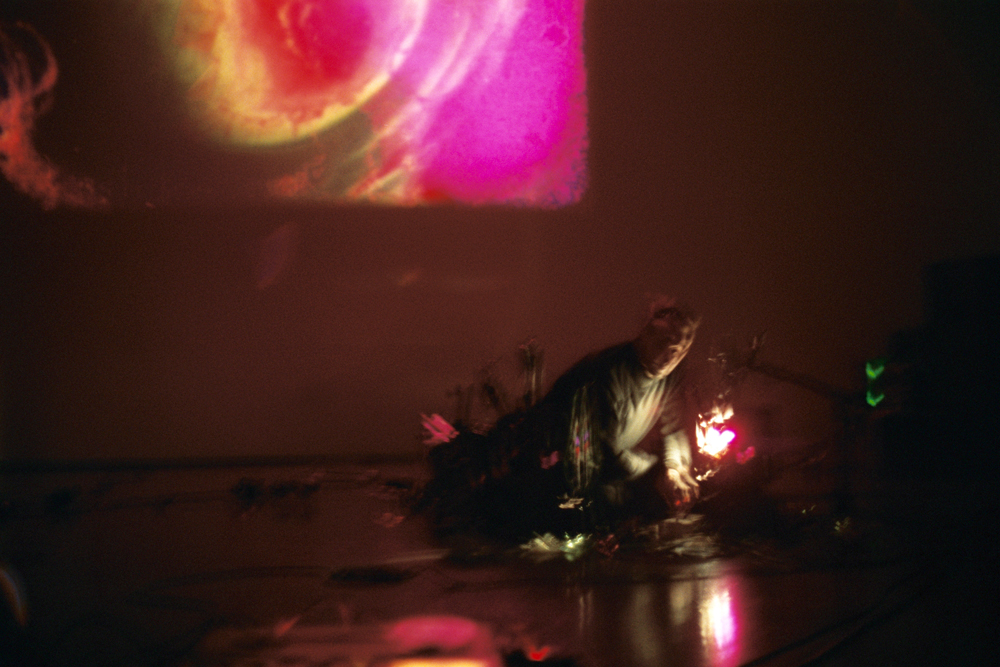
Akio Suzuki and John Butcher performing in an abandoned oil tanker on Hoy.
Arika have been creating events since 2001. The Archive is space to share the documentation of our work, over 600 events from the past 20 years. Browse the archive by event, artists and collections, explore using theme pairs, or use the index for a comprehensive overview.
Akio Suzuki and John Butcher performing in an abandoned oil tanker on Hoy.
A screening of short films by queer sex workers, who reclaim the authorship of intimacy.
Boston duo of saxophonist Bhob Rainey and trumpeter Greg Kelley approach their improvisations with a slew if extended techniques and pregnant silences.
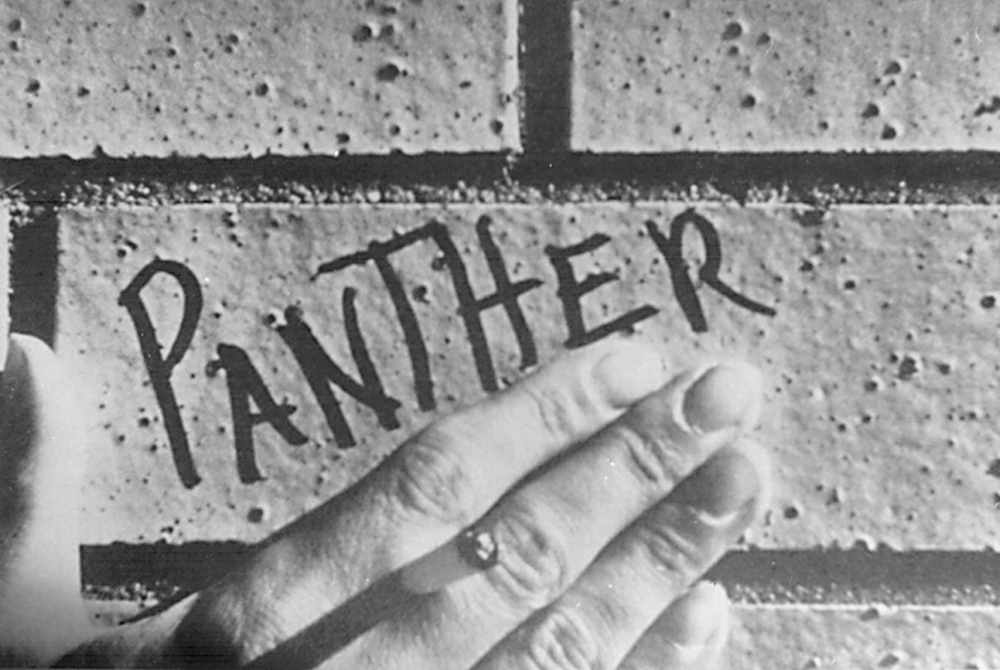
One of the great experimental films. A 60 minute, three part riddle that maybe approximates our intellectual development by moving from imageless words to the recognition of silent images and the learning of simple tasks and finally a serenity and acceptance of death.
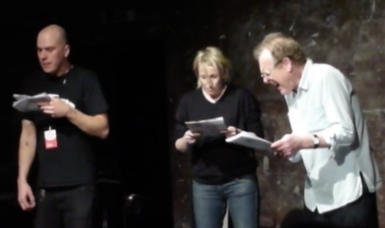
GIO’s bottomless throat, Blood Stereo’s slobber gobbler and the Mouth Of The South tangle tonsils over Steve McCaffrey’s Carnival
Can we use sound, repetition and difference to personally and collectively engage with space, time and labour?
The queer archiving of traumatic cultural memory from one of the leading voices working with queer archives.
Adamantly analogue, inspiring and frequently chaotic in performance, Metamkine draw no distinction between image and sound; during their intuitively improvised performances music and images are created simultaneously and equitably.
Ex-Decaer Pinga and CKDH rodeo queens; regular ladynoise hoedown gets gatecrashed by sonic chunder-huffing remedial clatter boys.
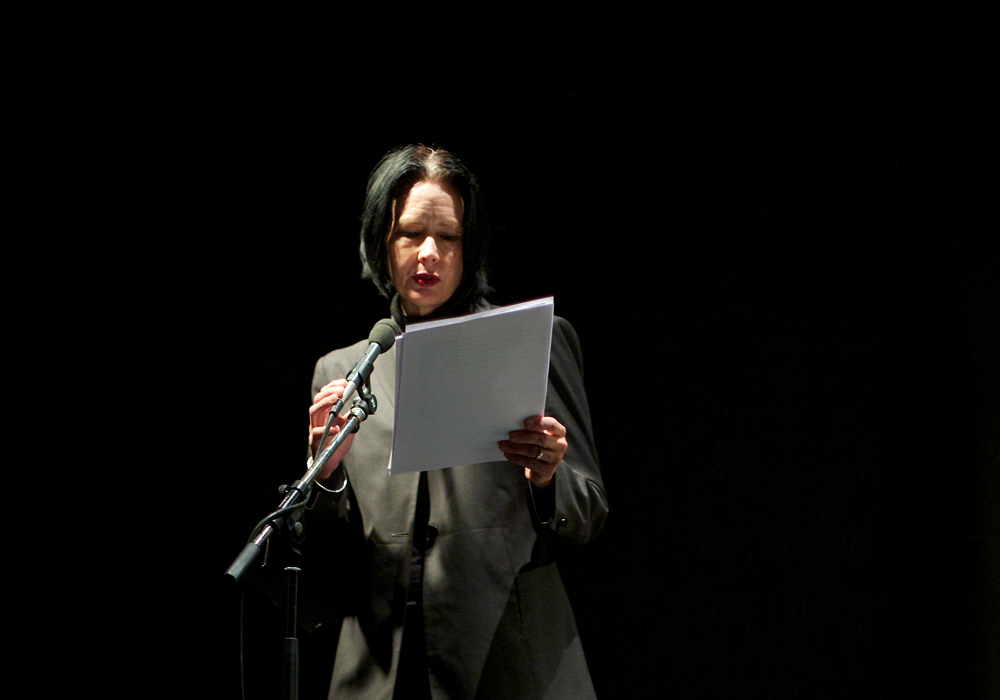
Vanessa Place talks at The Friday Event series at the Glasgow School of Art about her practice as a writer.
Includes: solar flares, insect fireworks, a new film from Ian Helliwell, pulsating glaciers, an apple being eaten alive, sea ravaged stock, crushed blackberries and film that has literally risen from the grave.
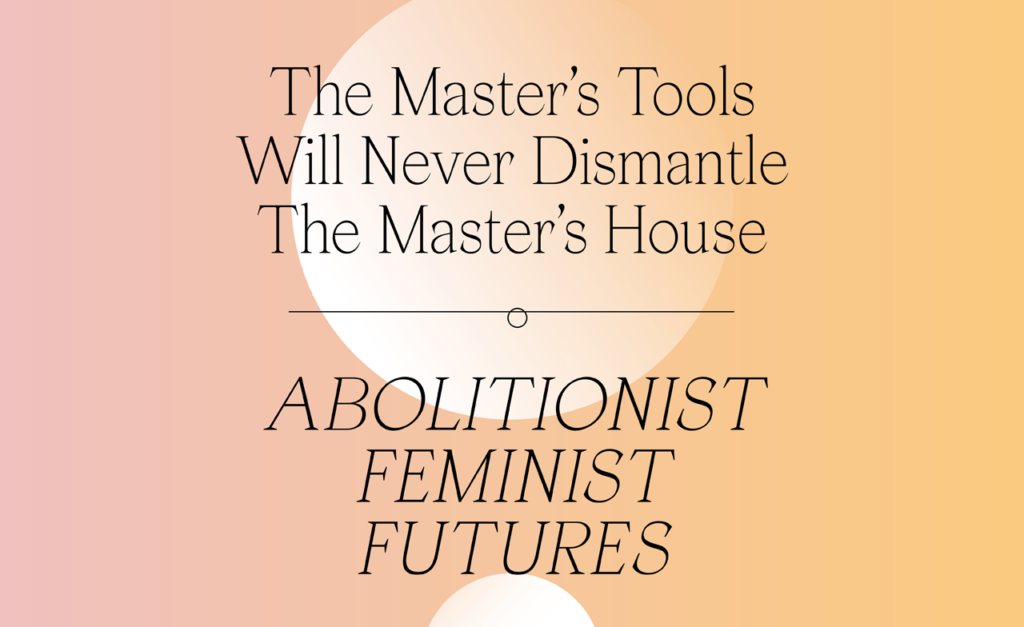
A panel exploring how to dismantle the master’s house — its material edifices and ideological architecture — and the construction of abolitionist futures in the present.