EM No.3 and Round Trip
Kanta Horio
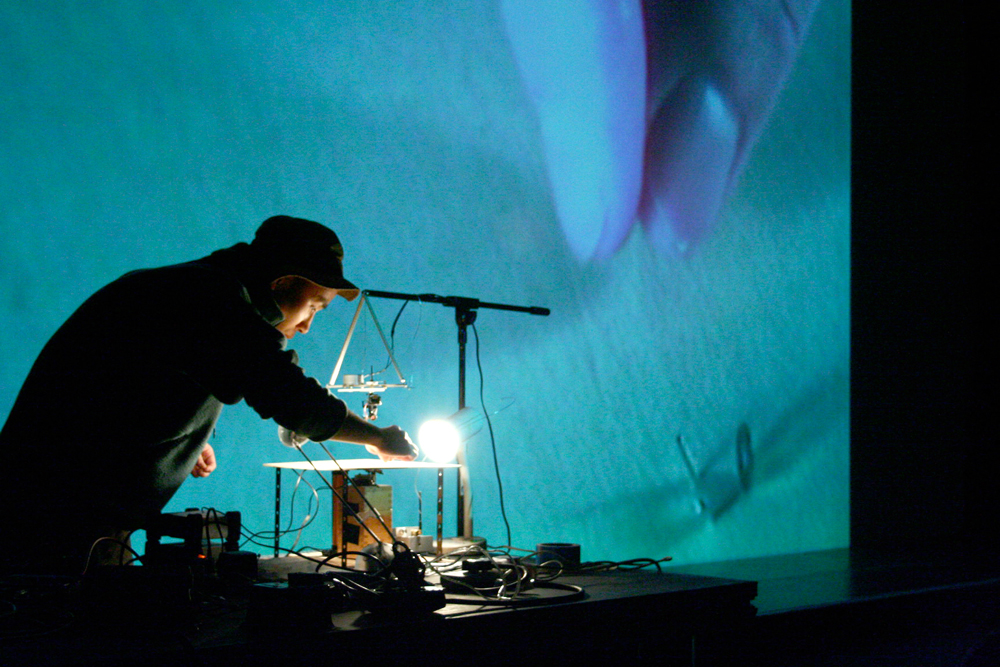
Kanta is a young Japanese artist with a home-made, short circuited take on electronics and physical phenomena which he uses in performance to produce close circuit systems of audio / video feedback.
Arika have been creating events since 2001. The Archive is space to share the documentation of our work, over 600 events from the past 20 years. Browse the archive by event, artists and collections, explore using theme pairs, or use the index for a comprehensive overview.
Kanta is a young Japanese artist with a home-made, short circuited take on electronics and physical phenomena which he uses in performance to produce close circuit systems of audio / video feedback.
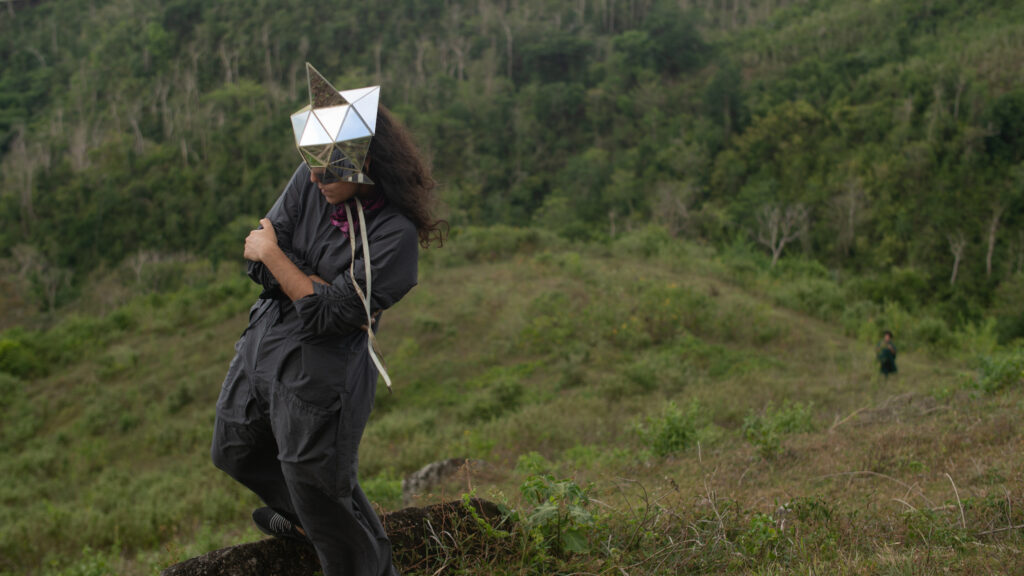
Beatriz will explore her thinking, on film as translation, plural subjectivity or land-based militancy. Discussion will centre around her work Oriana and its companion piece Oenanthe, which will be screened in full.
The ongoing development of [b]reach, an abolitionist black queer retelling of Marge Piercy’s incredible feminist utopian novel Woman on the Edge of Time.
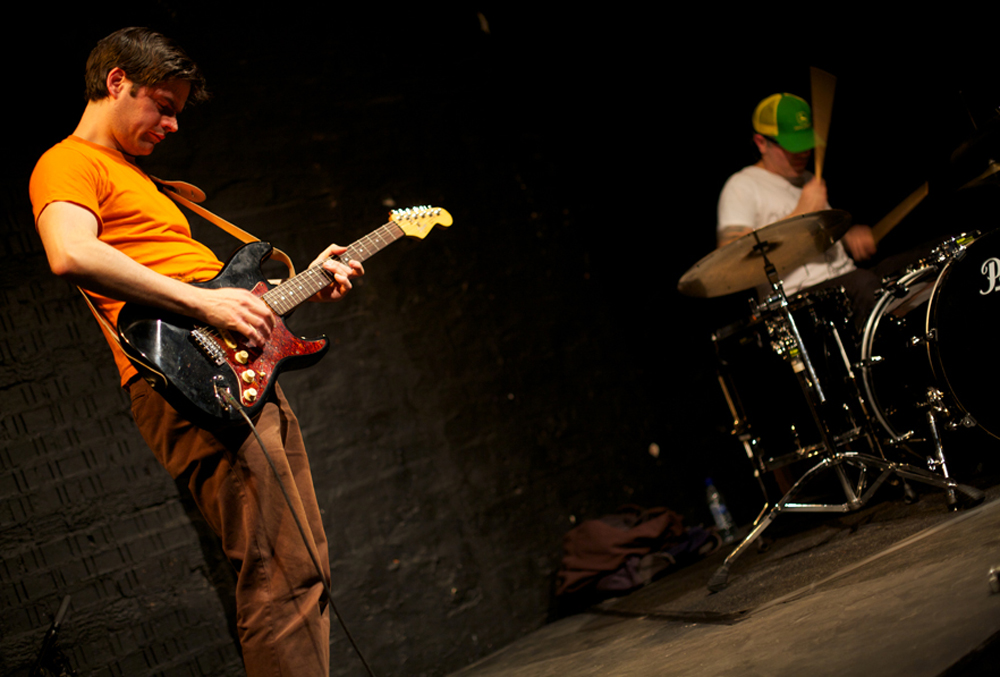
Three different performances variously featuring: Fritz Welch, loud drums, guitar, local collaborators, paper, memories, Roland Barthes, string quartets
Like walking through the abstracted amalgamation of 30 or so storms, trays of water shaken by thunder, light bouncing off pools.
Politicised fan-fiction chronicling working class gay urban space and fantasy.
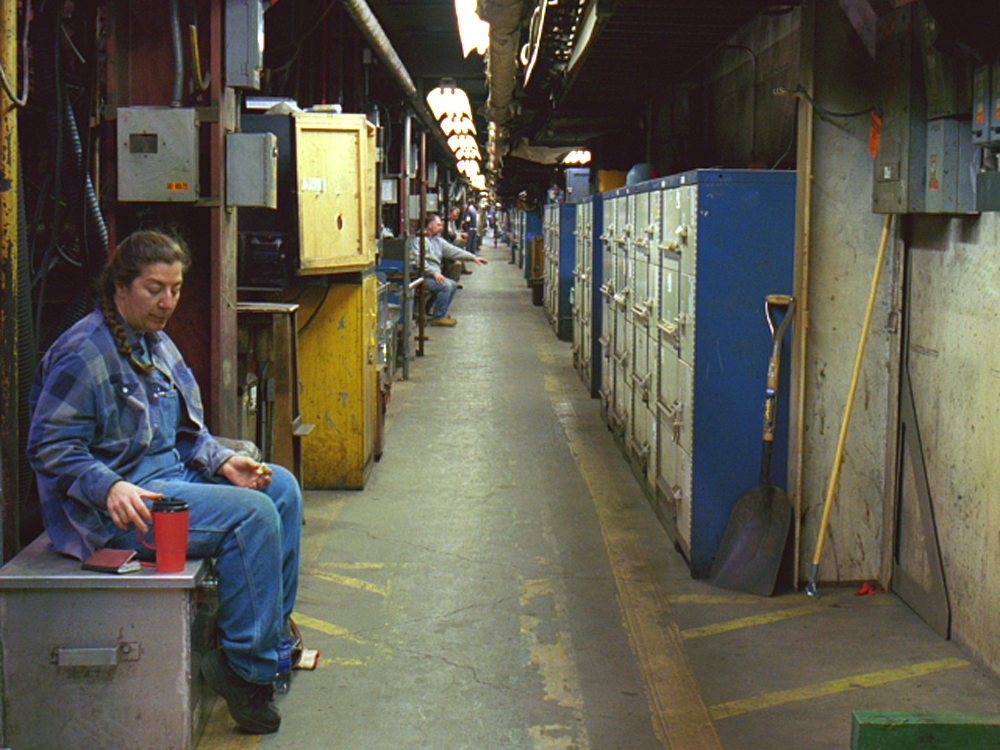
A slowed down single tracking shot along a corridor as workers at the Bath Iron Works, (Maine, USA) take their lunch break.
A simple, gracefully bold set-up to allow Loïc to trace connections: of comments upon comments upon comments, of sounds next to sounds next to sounds.
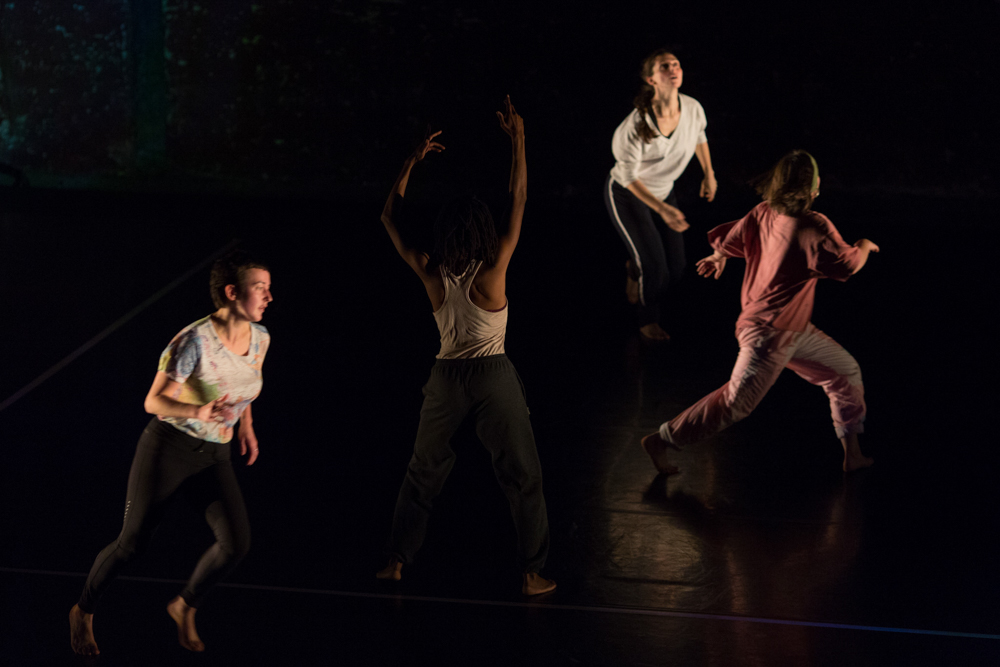
When we look, how do we objectify the body; how can we reflect on our (self) image as a construction?
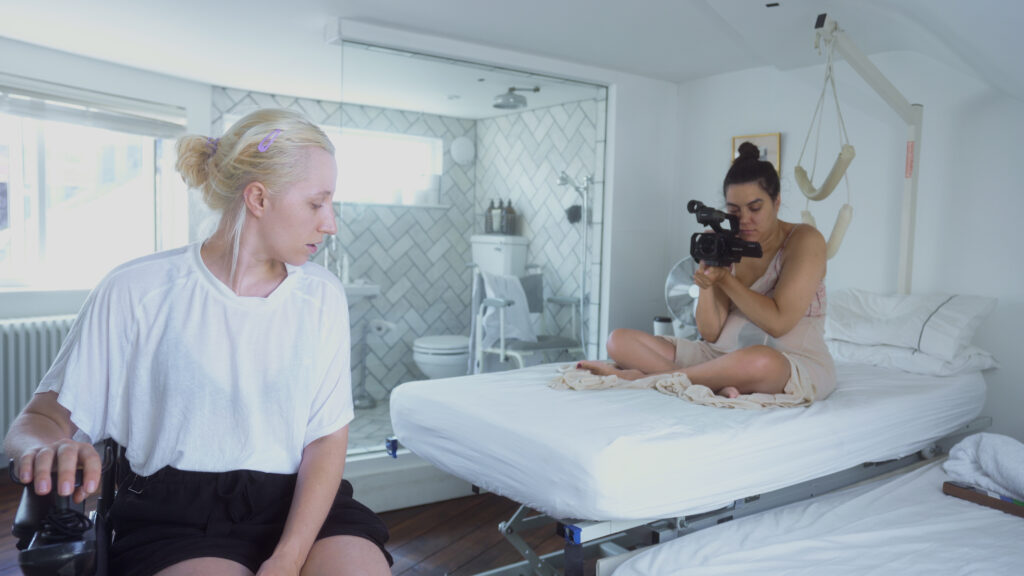
In true reality television style, this in-depth artist talk will tackle all the hardest-hitting questions and juiciest details about care, creative collaboration, and disability justice.
The Cube is a 6 hour performed installation in which sound and image are treated as independent but equal, where musicians and filmmakers sit alongside each other, improvise to and feed off both projected image and amplified and acoustic sound.
Rather than asking the state for services, what kinds of change are made possible when we prioritise people supporting each other?