UP-TIGHT
UP-TIGHT
Black-clad with an ominous aura created by their distorted guitar epics, burnt-out ballads and raucous mantric jams.
Arika have been creating events since 2001. The Archive is space to share the documentation of our work, over 600 events from the past 20 years. Browse the archive by event, artists and collections, explore using theme pairs, or use the index for a comprehensive overview.
Black-clad with an ominous aura created by their distorted guitar epics, burnt-out ballads and raucous mantric jams.
Expansive and considered, inclusive and deeply human minimalism: Antoine Beuger, Radu Malfatti, Manfred Werder.
Setting up a minimal procedure to explore the interaction between a person and the (documentary) film/ video process. What initially seems simple ends up contrarily distanced and intimate, public and private.
Is it possible to dance our way out of the hardened stances and identity prisons we are locked in?
Captures the creak and rustle of the forest, with an exhilarating tension let loose in unconfined maniacal and bare-knuckle group thinking.
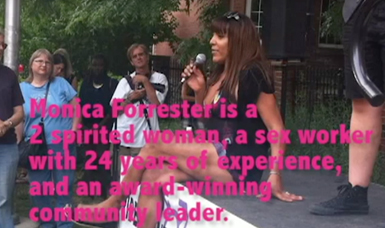
A party and fundraiser to support Sex Workers’ struggles and LGBT Unity with music and performances from the sex workers’ community and allies, plus DJ’s and dancing.
A simple hands on workshop with micro-radio theorist and pioneer Kogawa.
Reveling in the geometric, mathematical and perceptual relationship between sound and form, this programme features a landmark work of experimental film in Kubelka’s Arnulf Rainer; a complex, enduring and expressive of structuralist or flicker films.
One of the most incessantly experimental musicians in the UK, Youngs’ aesthetic is entirely unique, never really part of any scene [whilst influencing many], steadfastly unafraid and honest
4 days of workshops, discussions and artists presentations exploring the radical act of caring for each other while working to change the world.
Discussion: If we approach “care as an event” rather than as a “contract of exchange” then what becomes possible in how we know, care for, and appreciate each other?
Rather than asking the state for services, what kinds of change are made possible when we prioritise people supporting each other?