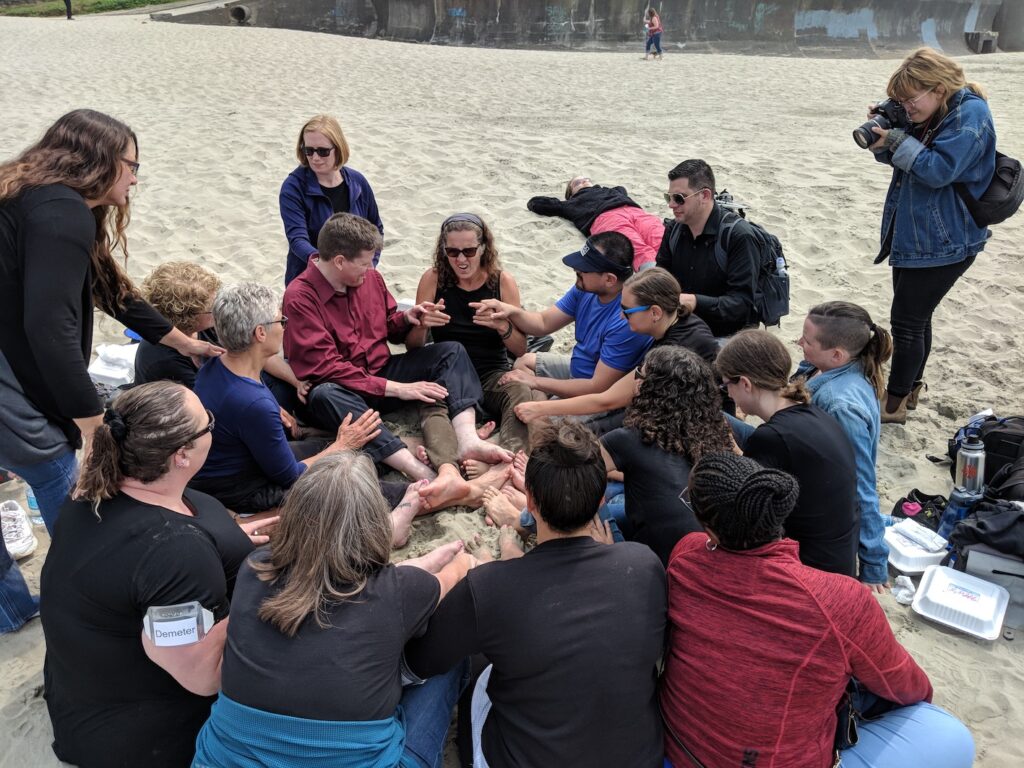
Introduction to Protactile Theory with John Lee Clark
John Lee Clark
“Introduction to Protactile Theory” is a legendary seminar that facilitator John Lee Clark has designed to bring diverse communities into conversation with the Protactile movement.
Arika have been creating events since 2001. The Archive is space to share the documentation of our work, over 600 events from the past 20 years. Browse the archive by event, artists and collections, explore using theme pairs, or use the index for a comprehensive overview.
“Introduction to Protactile Theory” is a legendary seminar that facilitator John Lee Clark has designed to bring diverse communities into conversation with the Protactile movement.
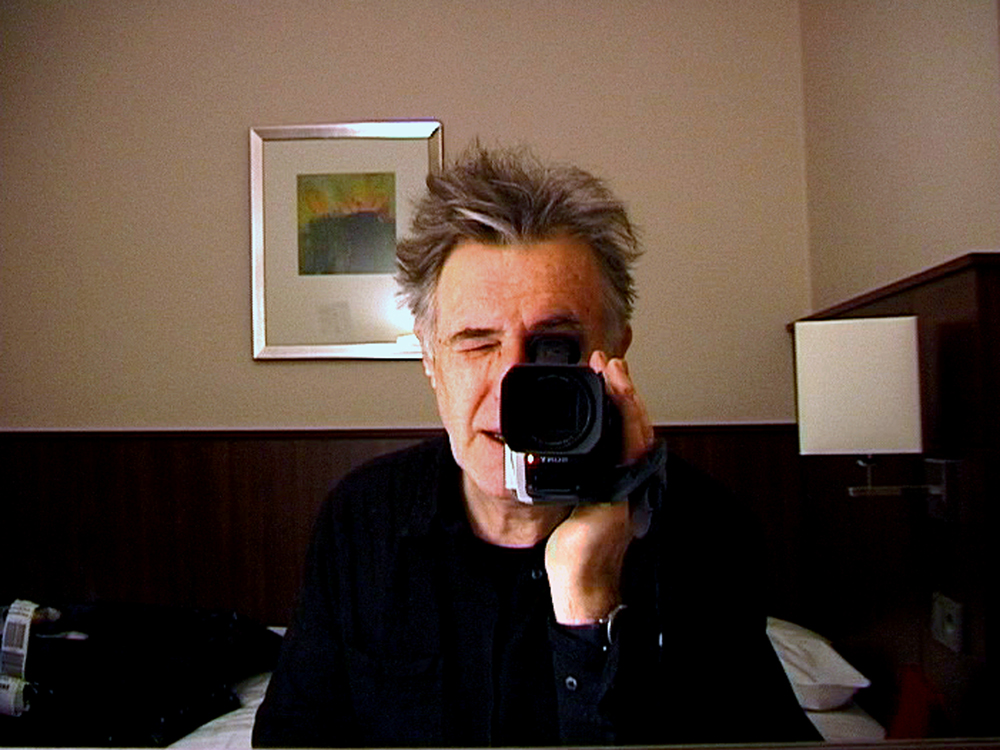
These simple, one-take videos, relate personal experiences to the current conflicts in the Middle East via the most basic of means (a hotel room, a camcorder, John’s personal thoughts, concerns and convictions).
Dundee. Progressive rhythmical guitar squall vs. post-highland discorporate dusk-jockey.
Jarringly beautiful and often maniacal expression of hallucinatory and very personal visions.
Jacobs’ pulsing and abstract 3D Nervous Magic Lantern performance grounded by Eric La Casa’s manipulated recordings of everyday locations.
Imagery, drawn from what seems like hundreds of different films is overlaid and combined in a promissory rainbow of new meanings and impossible scenarios, with the unsettling feel of daylight shadows.
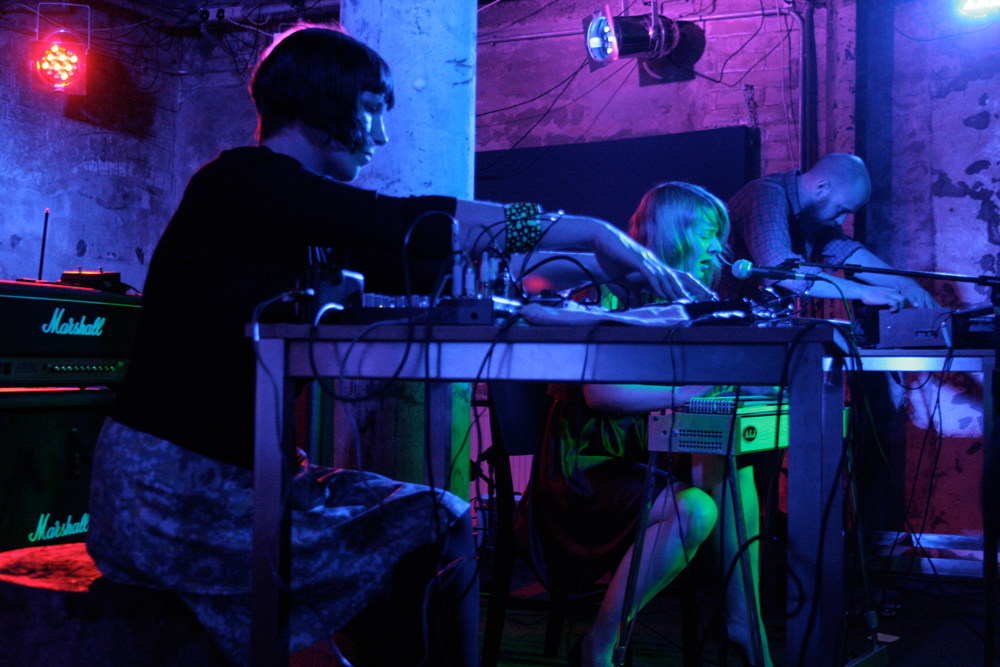
The most sophisticated synthetic music around: timbrally otherwise body music as sonified fictions and auditive sociograms.
AMM have undoubtedly been among the most important contributors to the UK free improv scene for nearly 40 years and we are extremely proud to be able to be working with such distinguished musicians who still rarely play live in the UK.
Goofily deformed, deeply thought vocal jams: like the sound of your own breath rushing through your head.
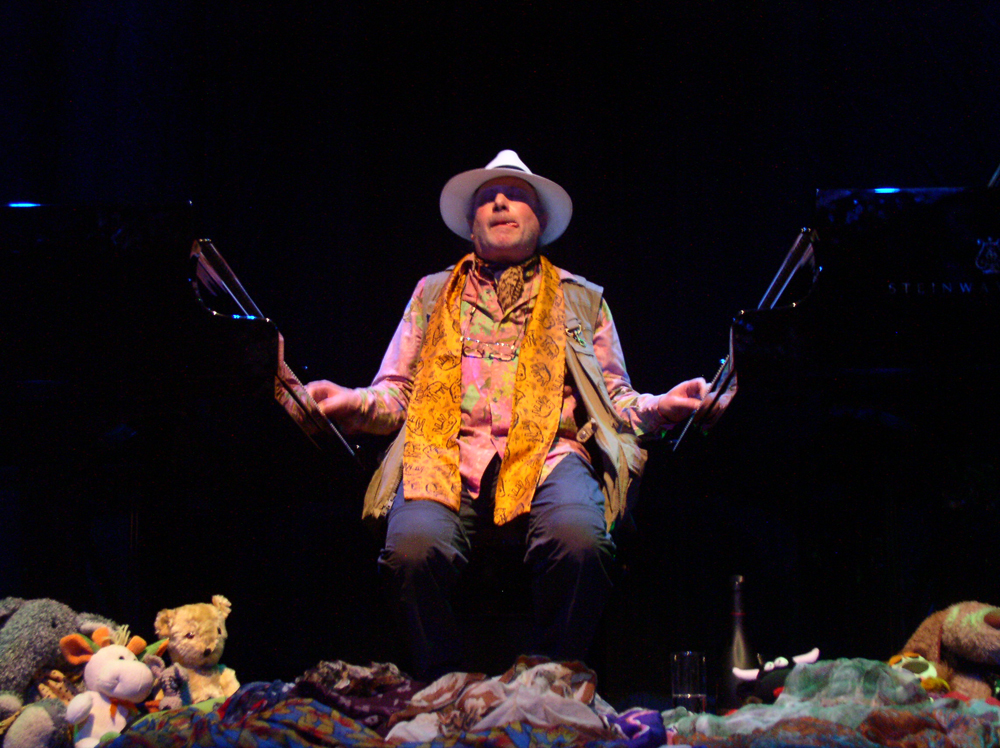
An extravagant debauch of huge pianos, plush toys, cognac and ritual.
Glasgow based artist Defaalt invites the audience to collaborate fully in his performance by means of a generative graphical interface.
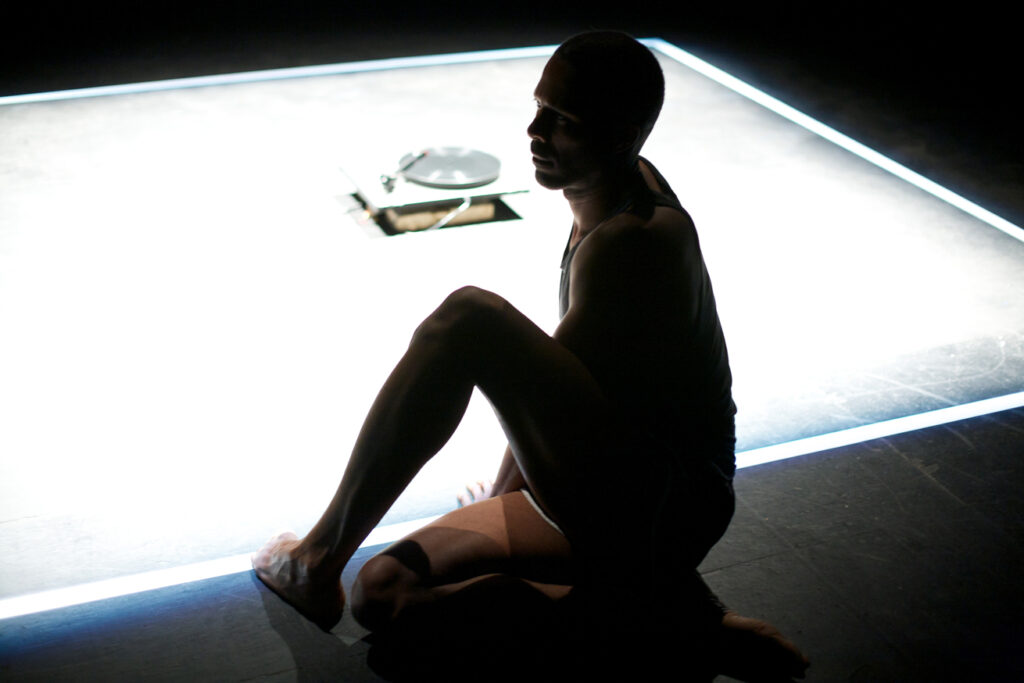
When we look, how do we objectify the body; how can we reflect on our (self) image as a construction?