Jazkamer (metal music machine line-up)
Jazkamer
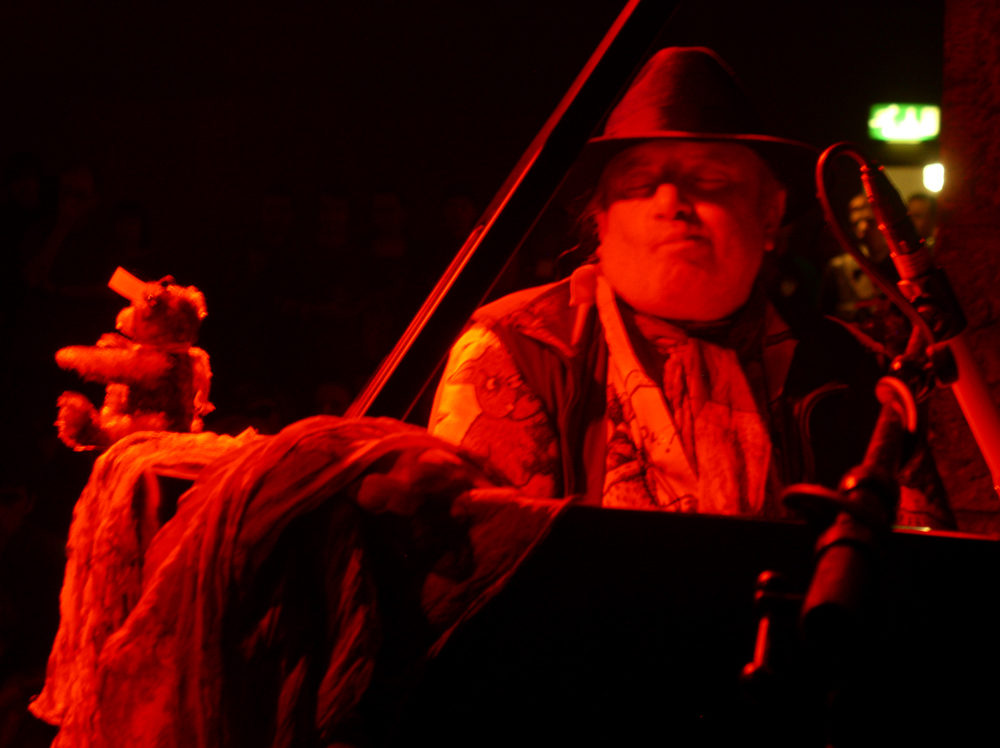
A black hole of dense heaviosity, full of slow motion riffage, tectonic pummel and massive planet destroying rock.
Arika have been creating events since 2001. The Archive is space to share the documentation of our work, over 600 events from the past 20 years. Browse the archive by event, artists and collections, explore using theme pairs, or use the index for a comprehensive overview.
A black hole of dense heaviosity, full of slow motion riffage, tectonic pummel and massive planet destroying rock.
The site of the former Abbeyhill Station on the 1903 Leith branch of the Edinburgh and Dalkeith railway, overgrown and leading to as yet un-regenerated ‘wasteland’; taxi’s for 80 people, each instructed to take different routes between locations and; a slice of land concealed behind corporate business park branding off the Wester Approach Rd, apparently of no conceivable use and named ‘Chateaux de Scum’ by those who use it anyway.
Simon Morris is joined by Nick Thurston as they attempt to read aloud whilst peddling on exercise bikes.
An open collaborative workshop space in which games, warm-up sessions, exercises and scenes are potentially the same thing, through which to project your own concerns onto the stage.
Voguing, drag, clubbing, and the politics of communities making different performances of gender and sexuality visible.
The role of feelings in public life, (political) depression and creative survival.
An invitation into languages field of touch; to speak in feeling together.
A performance by Storyboard P – one of the greatest Afrofuturist dancers on the planet.
Join activists, academics and artists as they reflect on abolitionist praxis and thought, exploring covergences with gender, poetry, technology, performance, speculation, aesthetics, film and culture. This series of events commemorates Black August and is for anyone who wishes to answer the abolitionist call to action and thought.
A conversation between Philip and Moten: how do we read NourbeSe’s anti-narrative poetic lament in Glasgow today, given the city’s role in the history of slavery?
How do we make the connections between the mutual aid practices of our daily lives and anti-capitalist efforts to dismantle wider systems of exploitation?
In rethinking the body, the law, the state, gender, race, violence, care and empathy, how we might give humanness a different future?