Tetsuya Umeda
Tetsuya Umeda
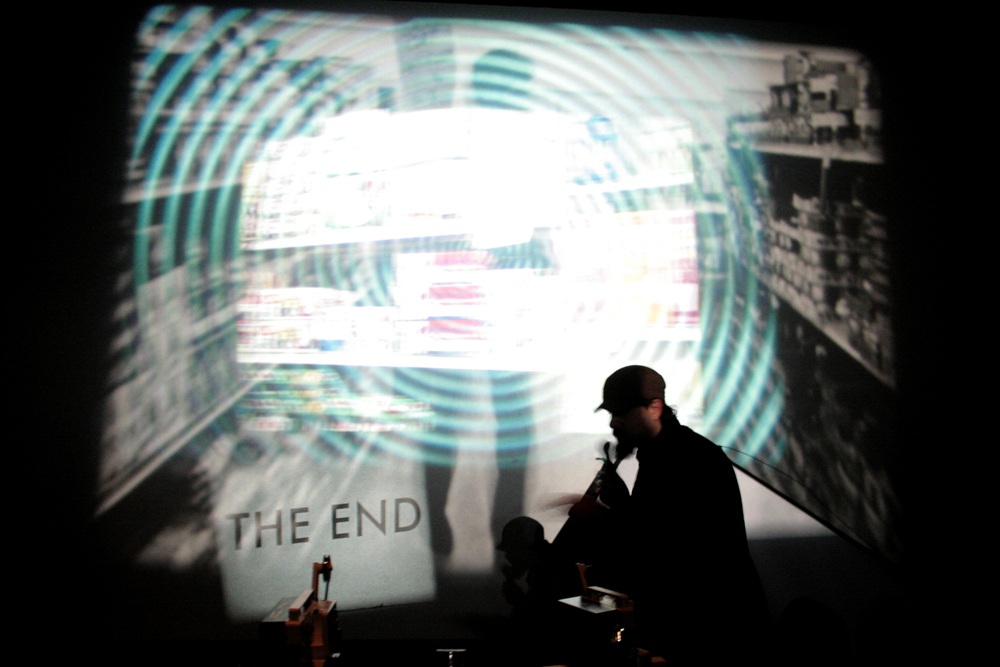
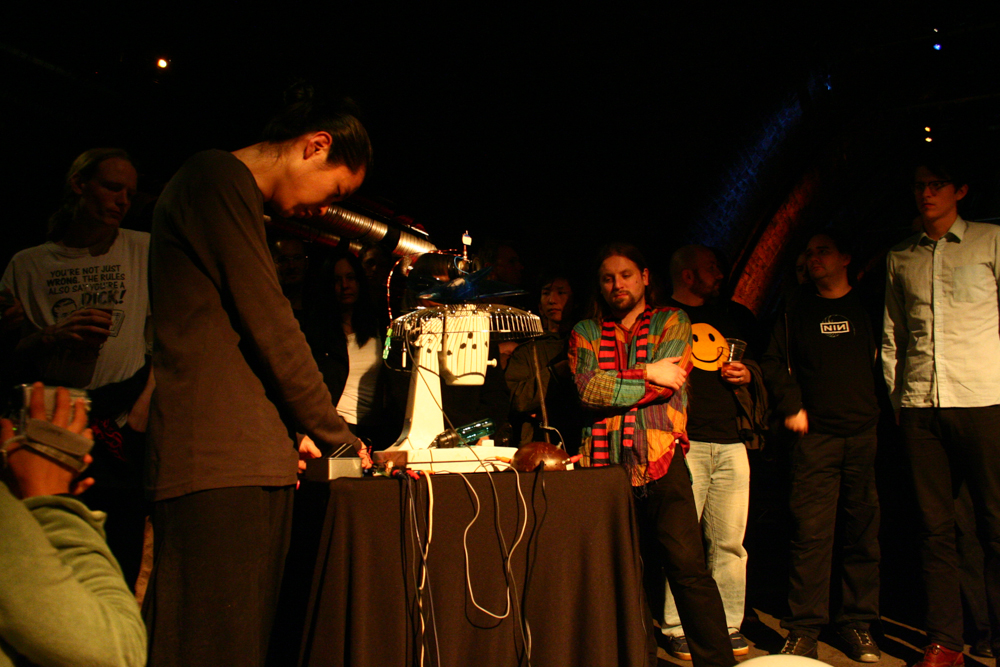
Umeda is a Japanese artist who is as fascinated in setting up interesting situations to observe, as he is in creating performances.
Arika have been creating events since 2001. The Archive is space to share the documentation of our work, over 600 events from the past 20 years. Browse the archive by event, artists and collections, explore using theme pairs, or use the index for a comprehensive overview.
Umeda is a Japanese artist who is as fascinated in setting up interesting situations to observe, as he is in creating performances.
Quasi-theatrical multiple-projector pieces play with the relationship between performers, art and audiences.
Smith/Stewart set up allegorical situations over which they often have little to no control, but which instigate explorations of dependence and trust, the body, sex and death.
Birthed from the collective stagger in global consciousness of the late 50’s and 60’s, this programme celebrates epochal, groundbreaking films that all address sound in their own way and that have opened pathways to experimentation.
Our favourite Lancashire-born autodictact asks what’s political about the tension between the individual and the collective in free jazz.
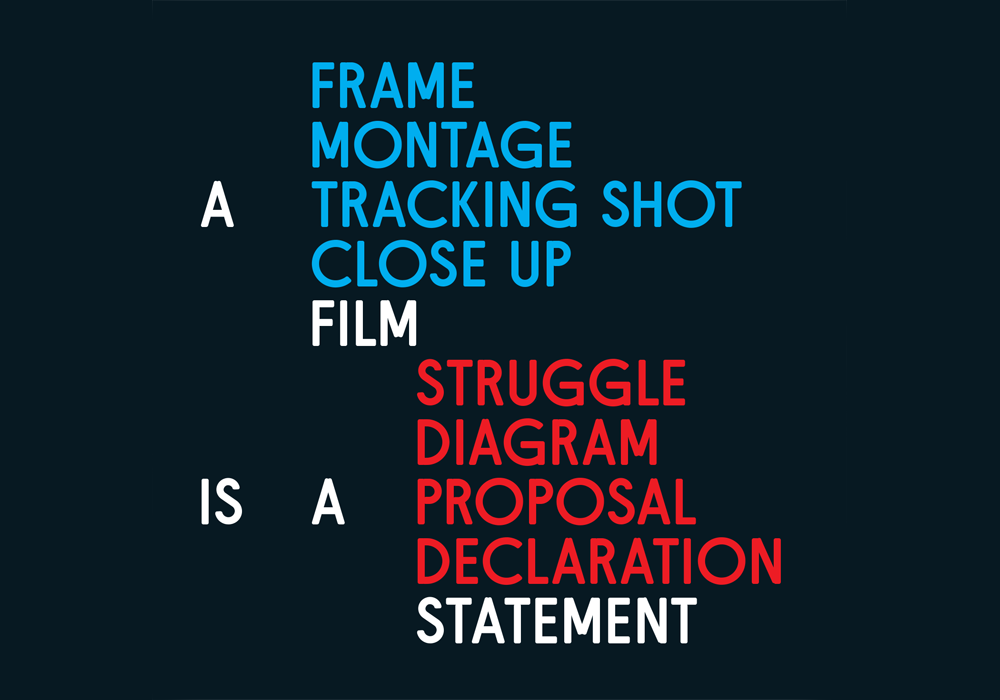
Every aspect of every film is always about more than just film. Or, as Godard said: a tracking shot is a moral issue. A cross between a festival, magazine and discussion about experimental artists’ films.
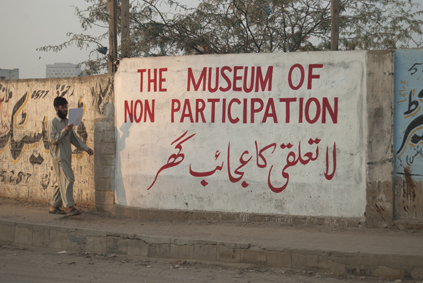
This performance brings together film, text and speech and temporarily constructs a filmic space to think through questions of resistance, and the choice and consequence of action vs. inaction: what does it mean to choose to not take part?
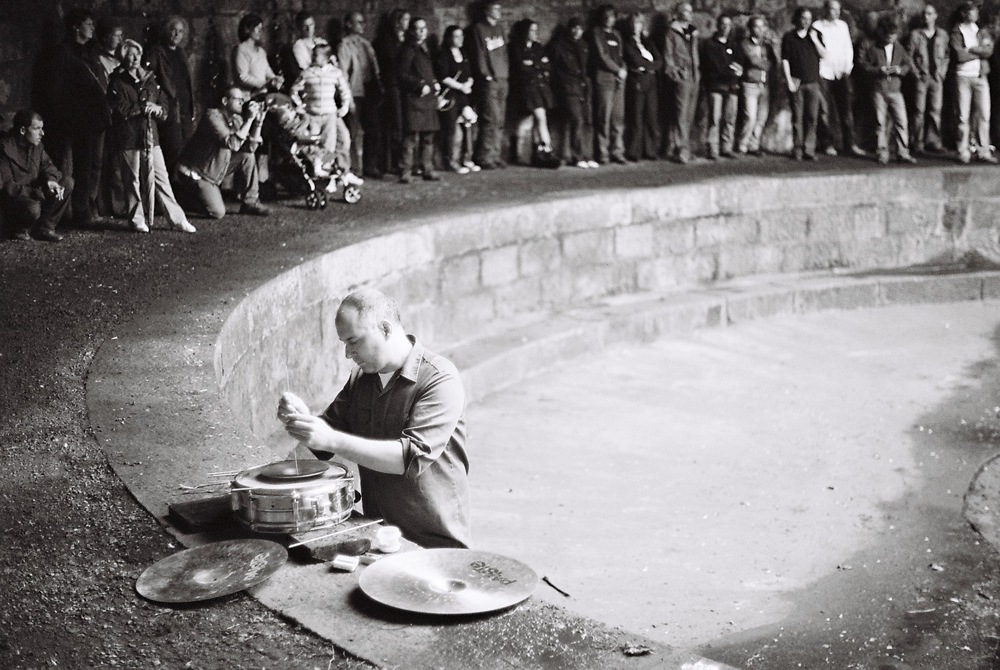
Disused railway turning circle at east end of Union Terrace Gardens, a historically public space at the centre of a regeneration land-grab for the private gain of a local petro-chemical magnate.
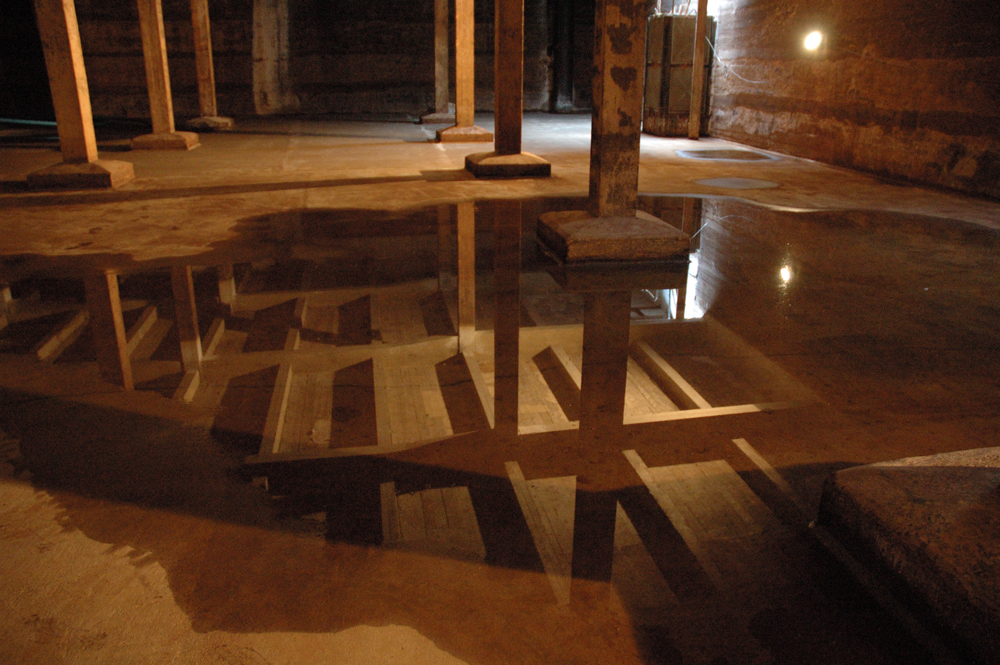
Akio Suzuki and John Butcher performing in an old underground reservoir in Fife.
Leading language/ action/ sound poet performed his groundbreaking concrete poem, a dizzying mandala of text, symbols and rubber stamps; a kind of book as reading machine.
Free-jazz chat with Sabir Mateen, Daniel Cater, Andrew Barker – hosted by Byron Coley.
Rather than asking the state for services, what kinds of change are made possible when we prioritise people supporting each other?