What is the Sound of Freedom?
Ultra-red Vogue’ology
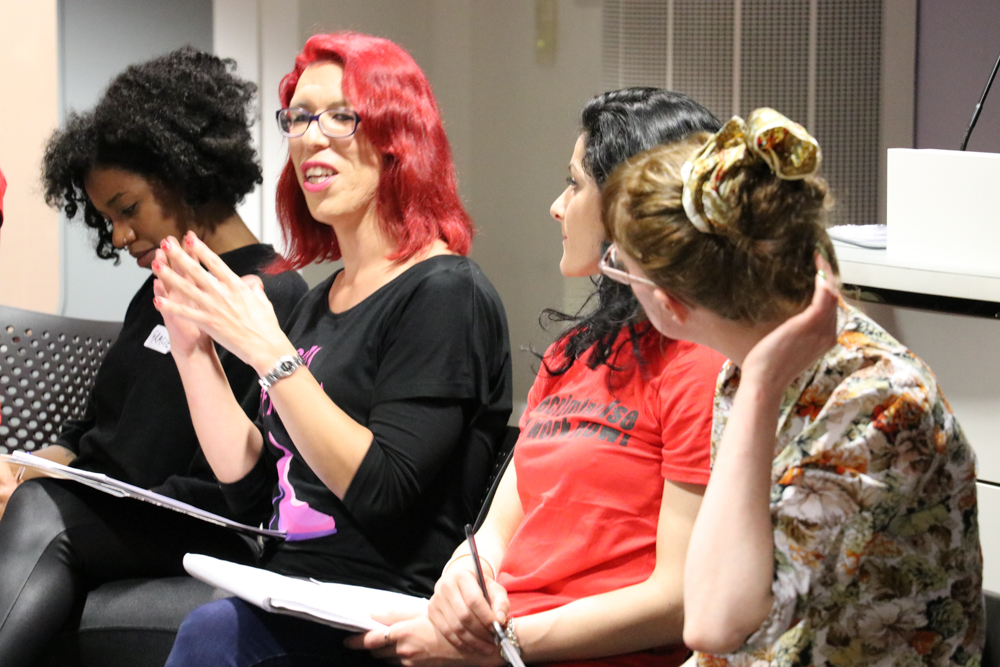
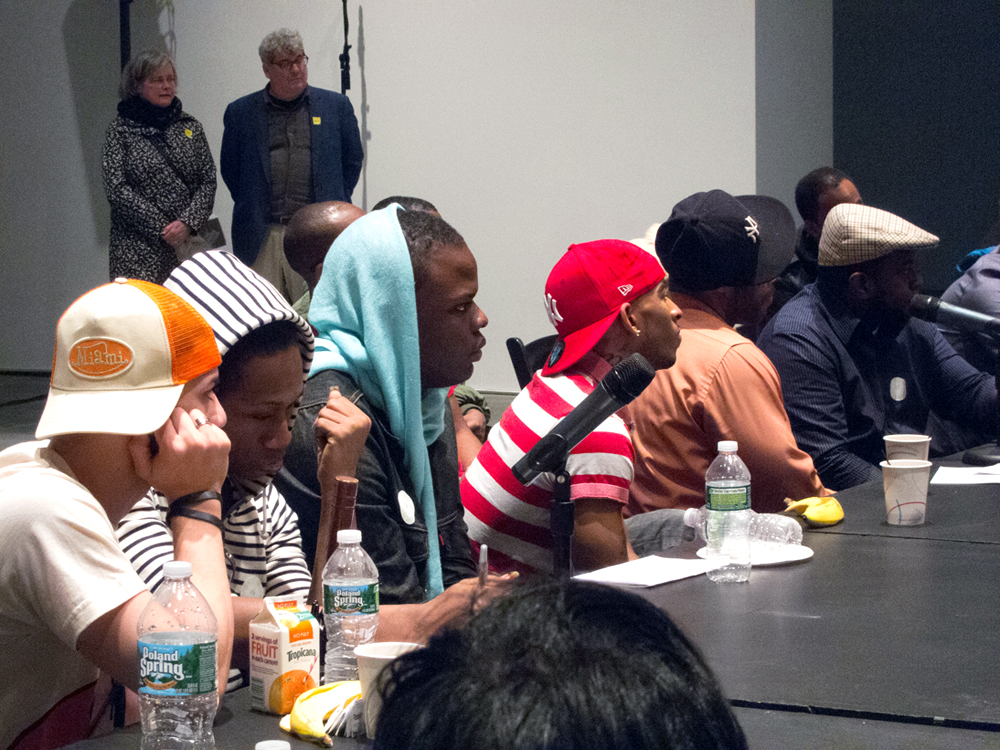
For day two of Ultra-red’s project, the investigation will take up protocols for listening to the sound of freedom composed and facilitated by the Vogue’ology collective.
Arika have been creating events since 2001. The Archive is space to share the documentation of our work, over 600 events from the past 20 years. Browse the archive by event, artists and collections, explore using theme pairs, or use the index for a comprehensive overview.
For day two of Ultra-red’s project, the investigation will take up protocols for listening to the sound of freedom composed and facilitated by the Vogue’ology collective.
What would a world and an ethics look like free from the destructive consequences of the Western mind?
Acoustic turntable, engines, trumpet and accordion joined by Bassist Magarida Garcia: build long-form quietly detailed pieces that clatter and rumble, that expand and contract with the tension and release of deeply held breath.
A trio of Tamio’s screaming and immovable slabs of sound; Mico’s dance/ performance/ piano; Fritz’s absurd, flailing percussion/ voice.
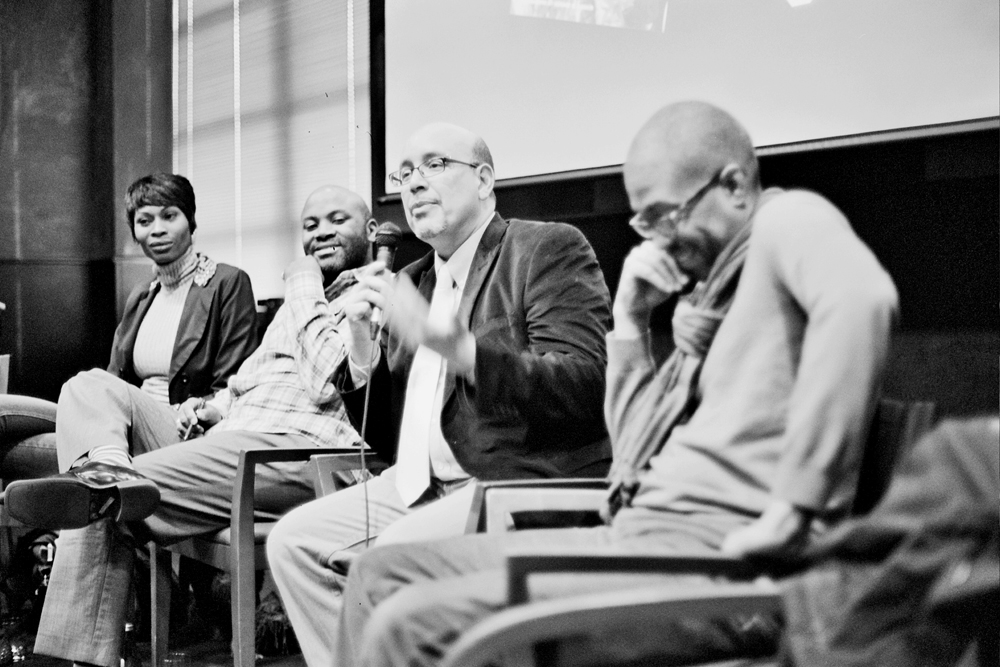
A performed, open, public conversation about how we might think politics from the position of intuition, in which Denise and Valentina use un-reasonable tools to map out a hybrid poetical/ ethical reading of their own situations.
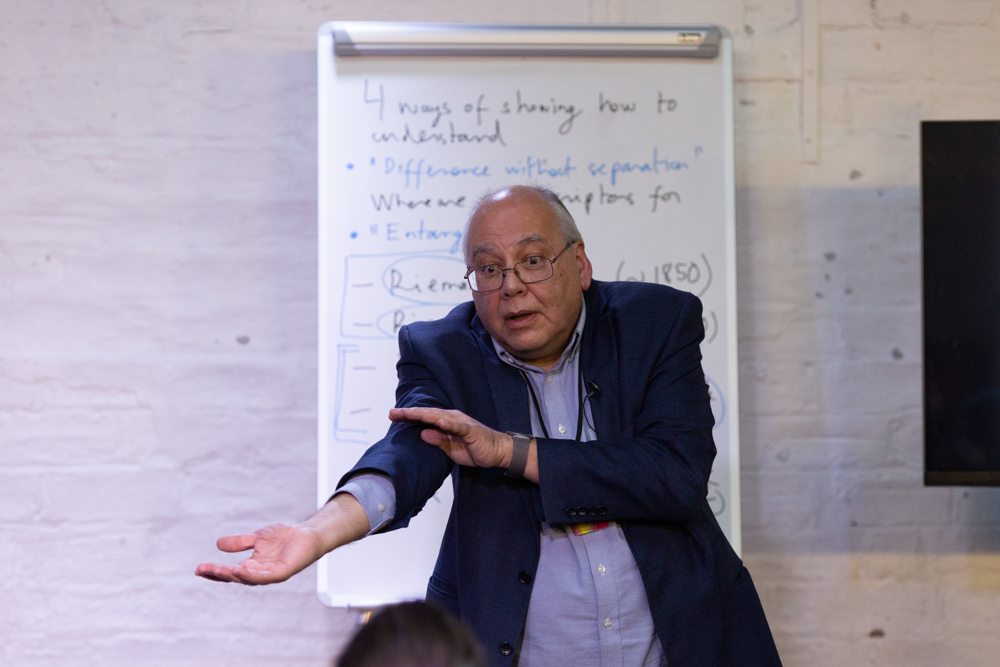
Fernando thinks that when maths is deep, it should be simple and able to be explained by hand gestures. By embodying ideas, we’re able to more clearly think about their cultural implications.
Three panels offering opportunities to discuss how to build stronger alliances between the sex workers’ rights, migrants rights and reproductive justice movements and how to face, together, an increasingly punitive and reactionary system.
Stripping back the domesticated ‘meaning’ of (everyday, mundane, kitchen) tools to reveal “a lexicon of rage and frustration.” Plus an allegorical use of mundane, everyday things as an examination of how meaning is constructed in film.
A celebration of the release of four books written by members of, and focused on about the House and Ballroom scene.
Nina’s going to talk about November, by Hito Steyerl: what and how the film thinks, or about what and how it might makes us think (which is connected, but not the same thing), by watching, and it discussing (with you?).
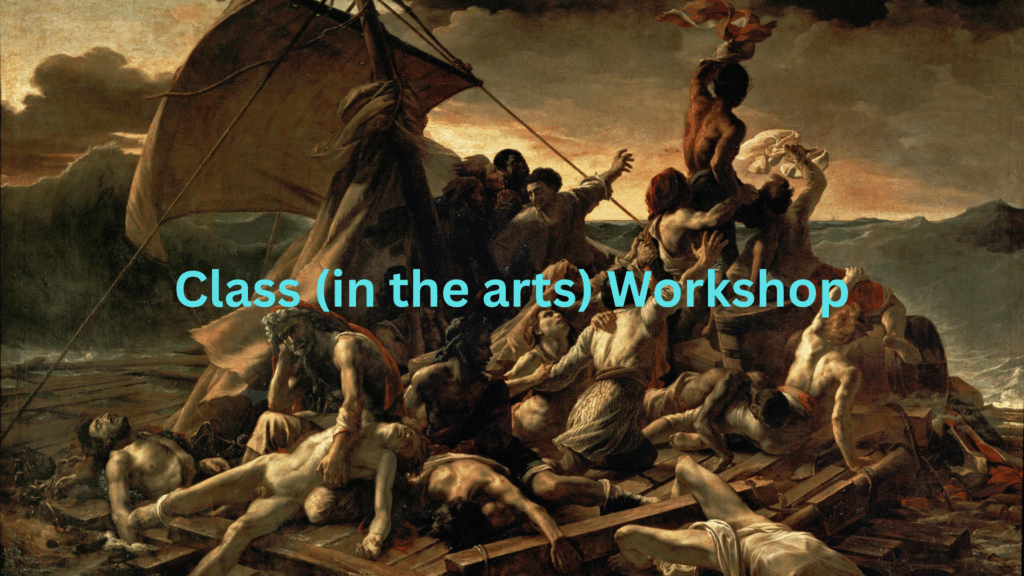
A 2-day workshop to deconstruct our classed experiences and the ways in which we reproduce the same class system we fight against, in order to create a stronger, more egalitarian Scottish art sector.
Nothing if not repetitive, film is founded on the incremental succession of minute difference. But how does repetition of the same play out, and is it a tool to comment on the standardising repetition of the mass media?