



9 December 2001
The Arches
Fennesz
Fennesz
Austrian guitarist who specialises in a warm digital deconstruction of guitar noise
INSTAL 01
Arika have been creating events since 2001. The Archive is space to share the documentation of our work, over 600 events from the past 20 years. Browse the archive by event, artists and collections, explore using theme pairs, or use the index for a comprehensive overview.
Austrian guitarist who specialises in a warm digital deconstruction of guitar noise
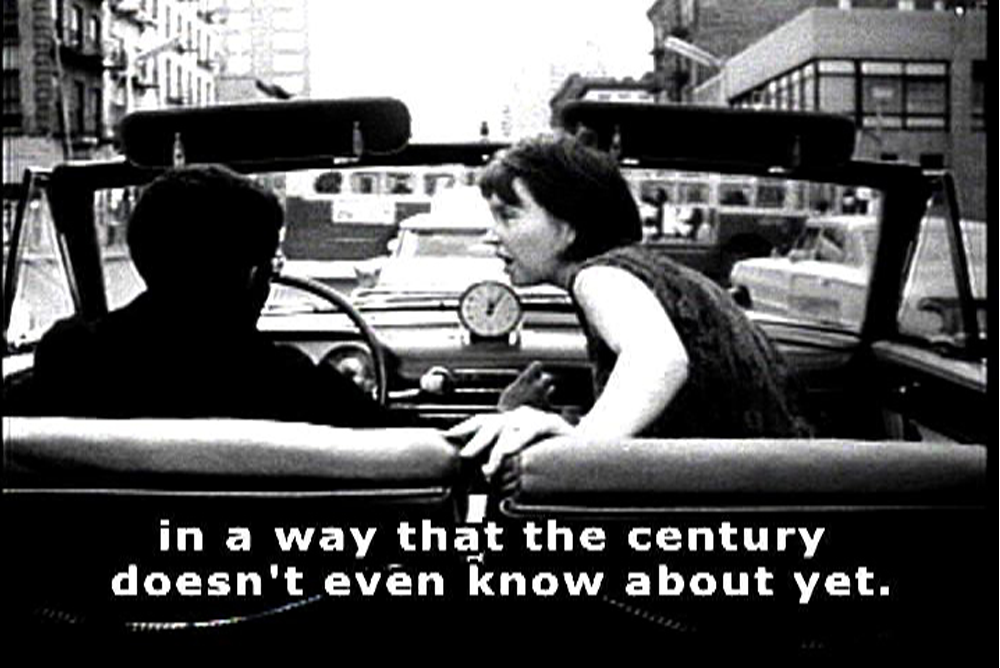
A parody of a (Manhattan) road movie and meditation on bifurcation, in paths traveled between the seen and the heard; a road trip played over and over from different perspectives.
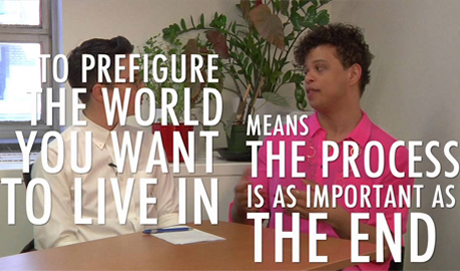
A crash-course in pre-figurative, radical, queer, anti-racist, anti-police, anti-prison, anti-deportation abolitionist politics and trans-resistance.
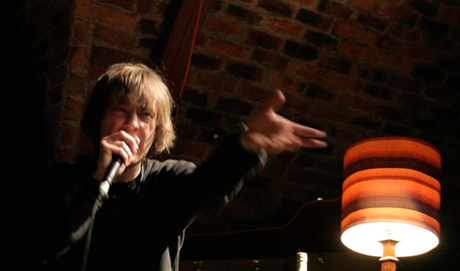
For musical chameleon Richard Youngs both his creative and family life are focused in the room that many of us consider the centre piece of our lives.
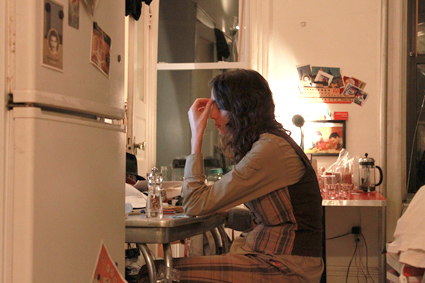
An open-ended moment in an ongoing series of films, notes, performances, diagrams and drawings which trace the questions they share. A “porous space between cinema time-space and lived time-space.”
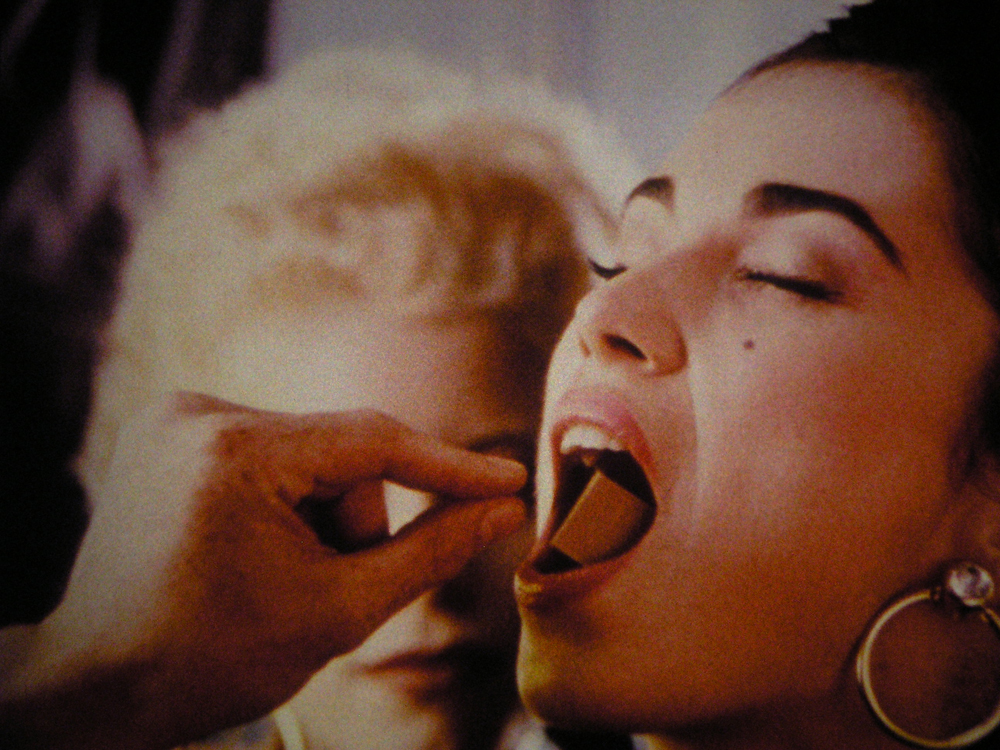
Nothing if not repetitive, film is founded on the incremental succession of minute difference. But how does repetition of the same play out, and is it a tool to comment on the standardising repetition of the mass media?
A day of presentations and discussions on the theme of audio visual perception in the context of experimental music, film and art.
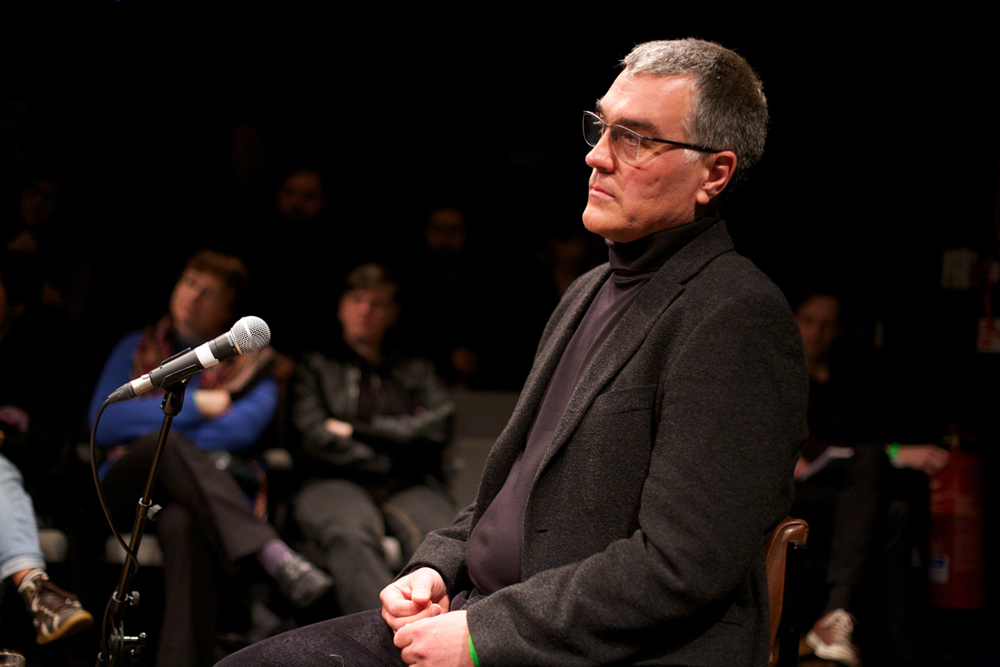
Ray and Thomas talking about how cognitive neuroscience is unlocking the physical basis of personal experience.
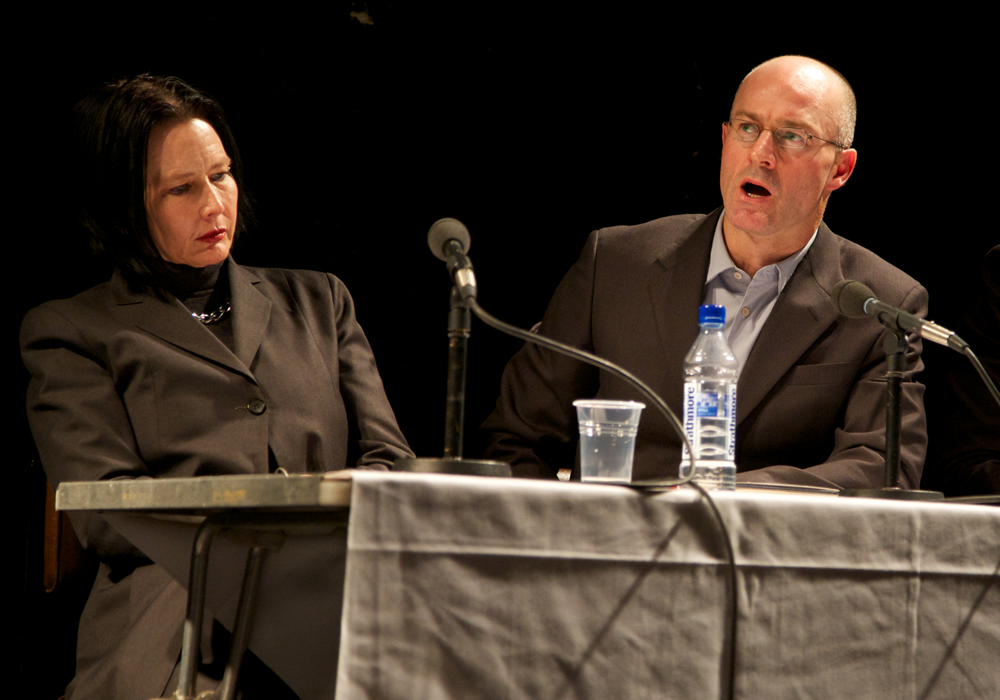
Conceptual writer and practicing lawyer Vanessa Place performs and talks with Mark Sanders, author of the brilliant “Complicities: The Intellectual and Apartheid”
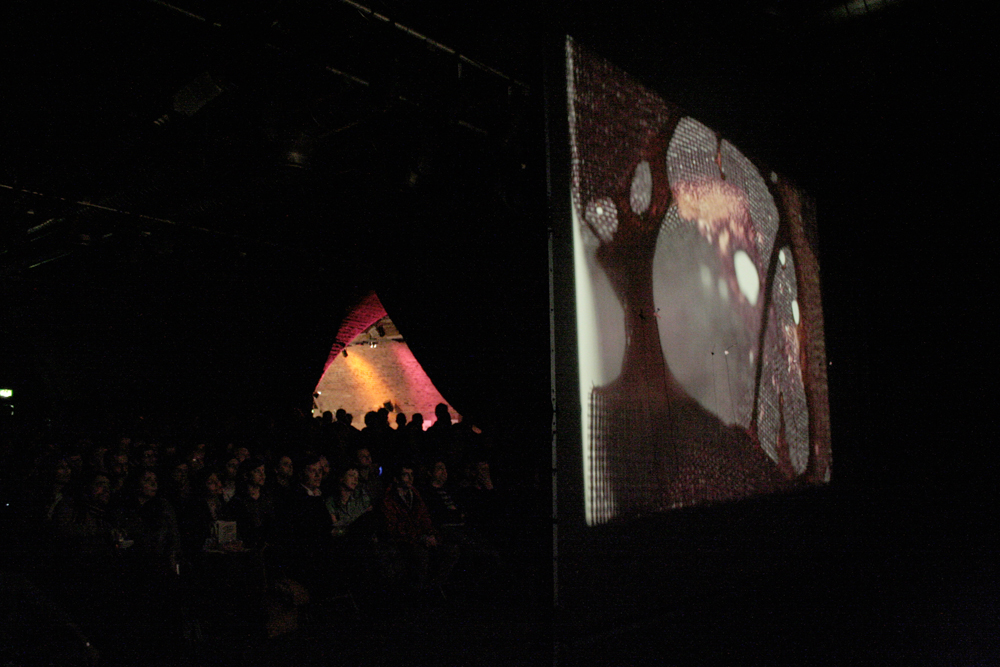
A recreation of one of Gustav Metzger’s celebrated auto destructive performances.
From really simple, open instructions, An Unrhymed Chord creates a kind of half-way point between composition and improvisation.
5 days of film, music, discussion and study of our collective incompleteness—arrayed against the colonial ordering of how we come to know the world—practicing how we might exist otherwise, right here and now. Can we start to know and practice the world to come?