Masayoshi Urabe
Masayoshi Urabe
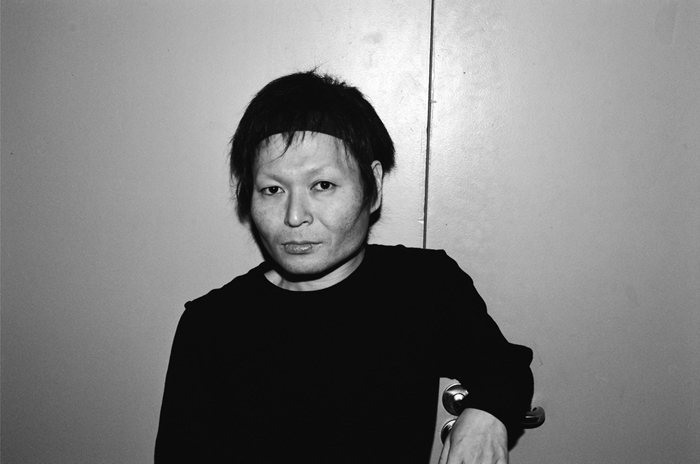
Tormented and drawn-out high-pitched yelps and drones, all interleaved with periods of torpid silence.
Arika have been creating events since 2001. The Archive is space to share the documentation of our work, over 600 events from the past 20 years. Browse the archive by event, artists and collections, explore using theme pairs, or use the index for a comprehensive overview.
Tormented and drawn-out high-pitched yelps and drones, all interleaved with periods of torpid silence.
Reveling in the geometric, mathematical and perceptual relationship between sound and form, this programme features a landmark work of experimental film in Kubelka’s Arnulf Rainer; a complex, enduring and expressive of structuralist or flicker films.
Three short performances involving social exchange (jumpers, hats, glasses…) and singing (ballads)
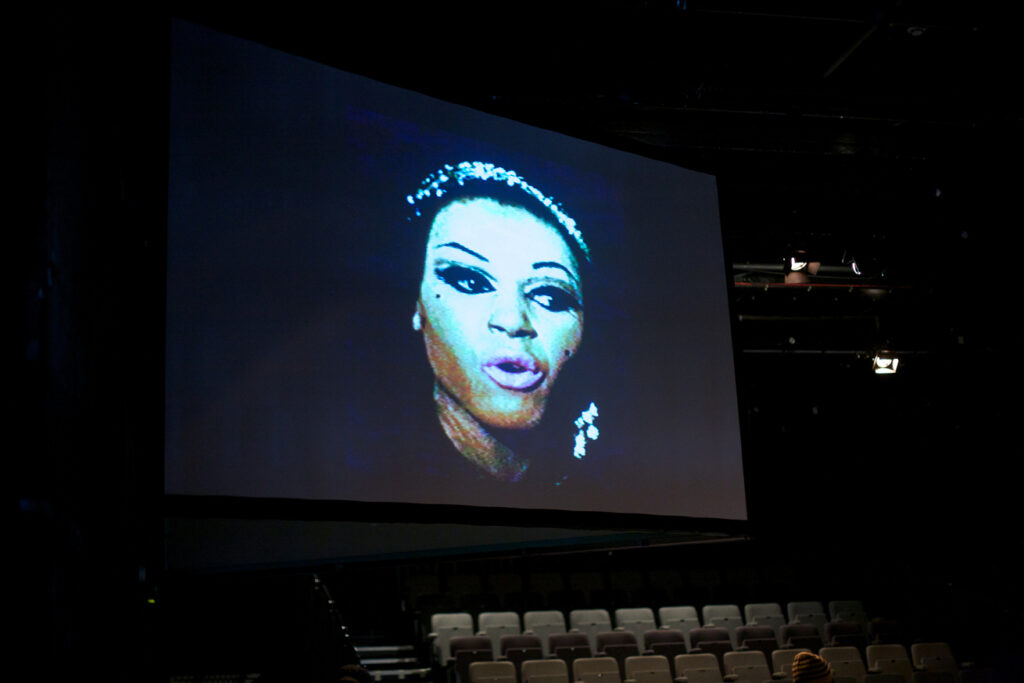
The mutability of the body and the mobility of identity: queered pop culture, drag, lip-sync and performance.
Psychedelic and intense, and featuring some of the most visually stunning, mesmerizing and transcendent experiences you can imagine, batten down the hatches for some of the boldest, most immersive and abrasive works in experimental cinema.
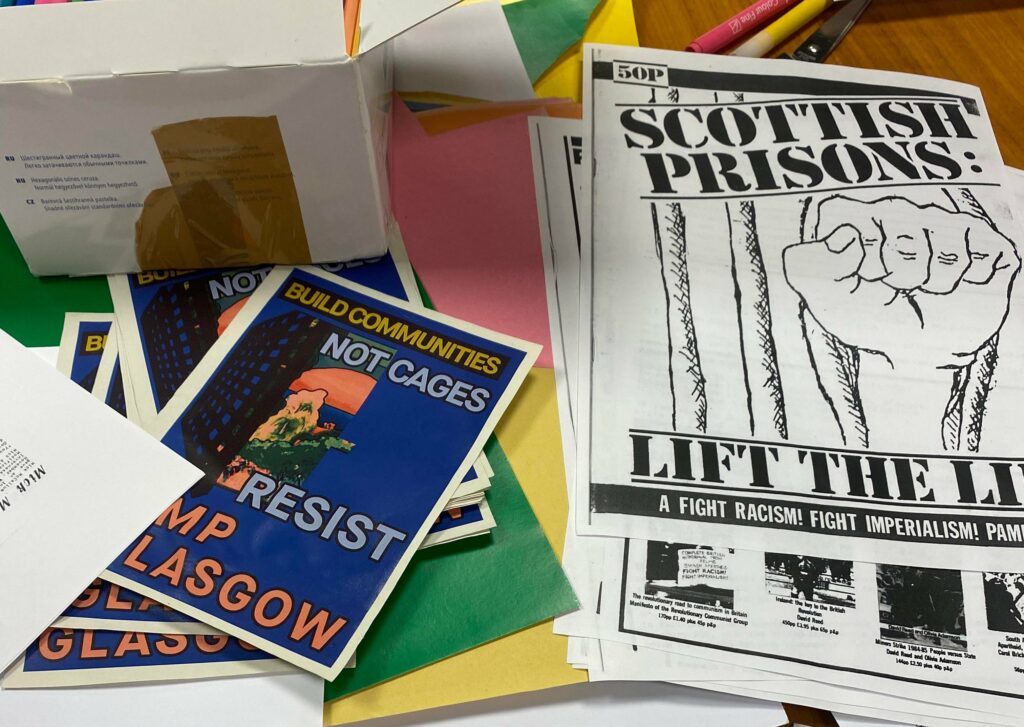
How do people both inside and outside of prison work together to dismantle the criminal justice system and build a society based on collective care?
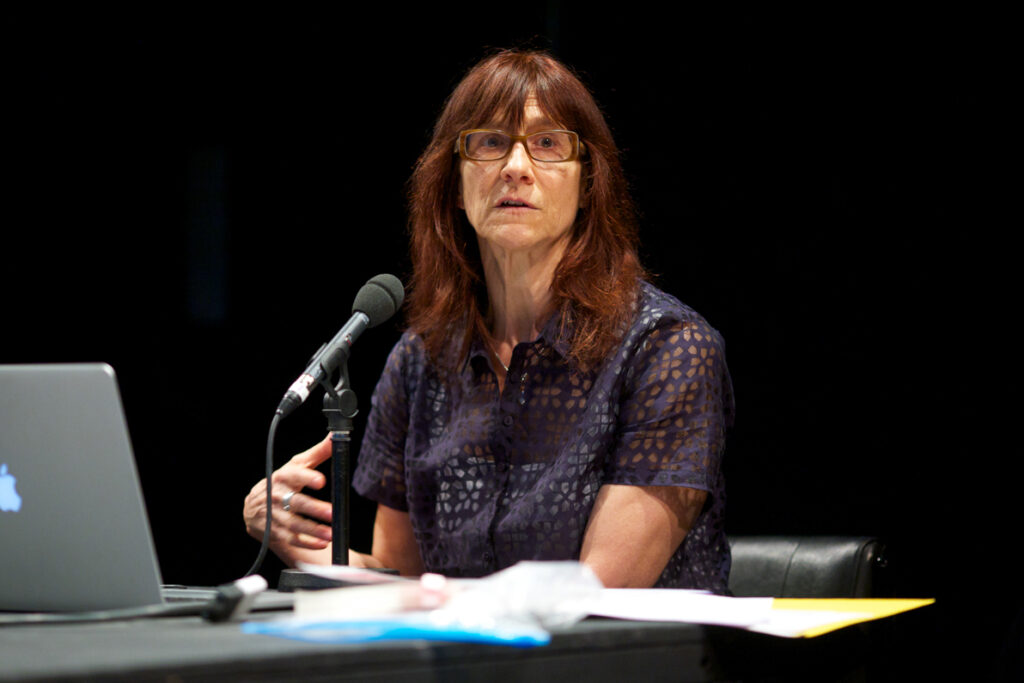
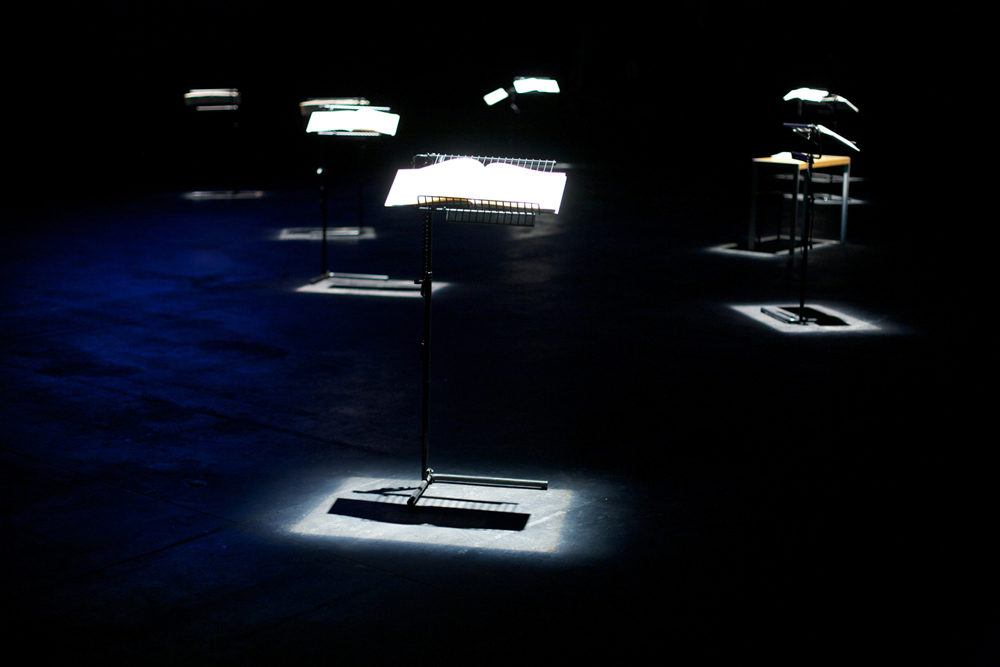
Copying without Copying is 3 evenings of events that are about what happens when we speak, or when we hear someone speak on our behalf, when we share a collective moment of hearing and maybe understanding.
A historical narrative of the black and Latino/a transgender, bisexual, lesbian, and gay House and Ballroom Scene in relation to race, gender, sexuality and class oppressions.
The role of feelings in public life, (political) depression and creative survival.
‘Ten Pieces in the Form of Painful Variations’ for piano, an impossible score that looks like a grapeshot musical stave, a text of barbed loathing and doubt – an anti-composition.
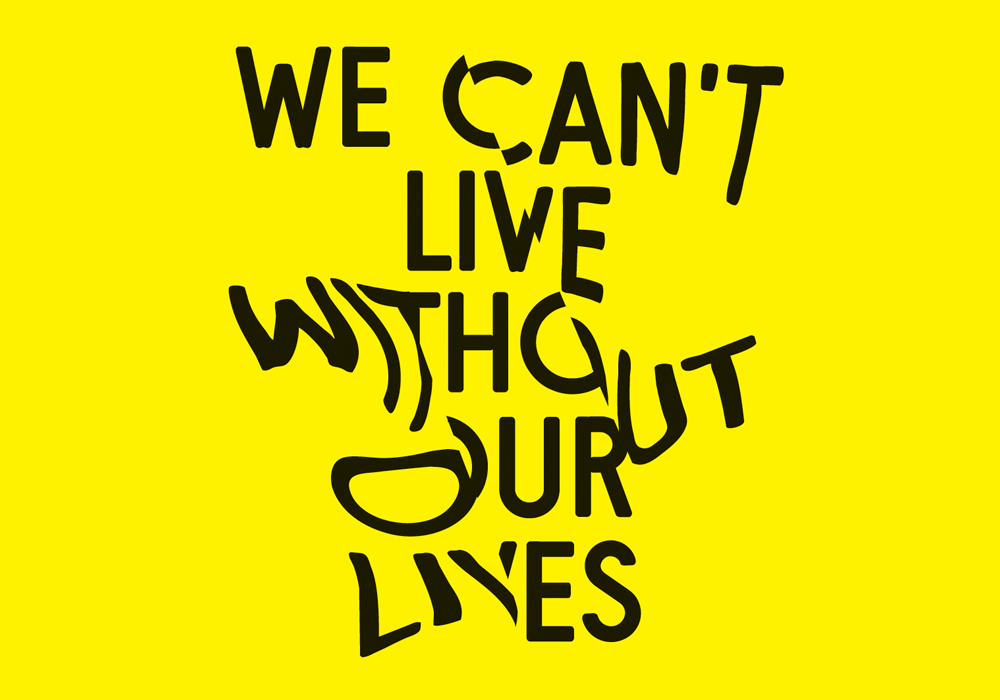
In a moment of social exhaustion, we want to ask how we might care for each other differently. We Can’t Live Without Our Lives is a 5-day exploration of care as a form of struggle and resistance, with communities who embody it.
If life is assaulted by power, where do we find spaces for living? A conversation with Peter Pál Pelbart.