The We of revolutionary love
Houria Bouteldja
The practice of North African Indigenous revolutionary love, in the face of European capitalist violence and settler colonialism, with one of the most vital anti-colonial thinkers in Europe.
Arika have been creating events since 2001. The Archive is space to share the documentation of our work, over 600 events from the past 20 years. Browse the archive by event, artists and collections, explore using theme pairs, or use the index for a comprehensive overview.
The practice of North African Indigenous revolutionary love, in the face of European capitalist violence and settler colonialism, with one of the most vital anti-colonial thinkers in Europe.
Three short performances involving social exchange (jumpers, hats, glasses…) and singing (ballads)
Veterans of the psych-infused UK free noise scene, the Vibracathedral Orchestra is a hypnotic ur-drone group hailing from Leeds.
Tiny fragments of sound recombined and woven into spare and precise, violent yet beautiful pieces
A tour with John Butcher and Akio Suzuki that set out to allow the audience to experience (and to listen to) the enviroment around them in different way.
A queer black operatic requiem for piano and voice that asks us to stay in the hold of the slave ship, that tries to understand the connection from the slave ship to the prison.
Gravitational Feel is an engine for intensifying the differentiation of our entanglement, which you continually reprogramme in the mutual rub, shift and lap of its sonic, wooden, steel, textile and human material.
A collaborative performance where sound and image are created, performed and mediated by light, water and glass.
Social and party with all proceeds going to the Unity Centre, featuring DJ SETS with Dj@Christelle, DJ D-Harsh, Nena Etza & Moor Mother.
The most sophisticated synthetic music around: timbrally otherwise body music as sonified fictions and auditive sociograms.
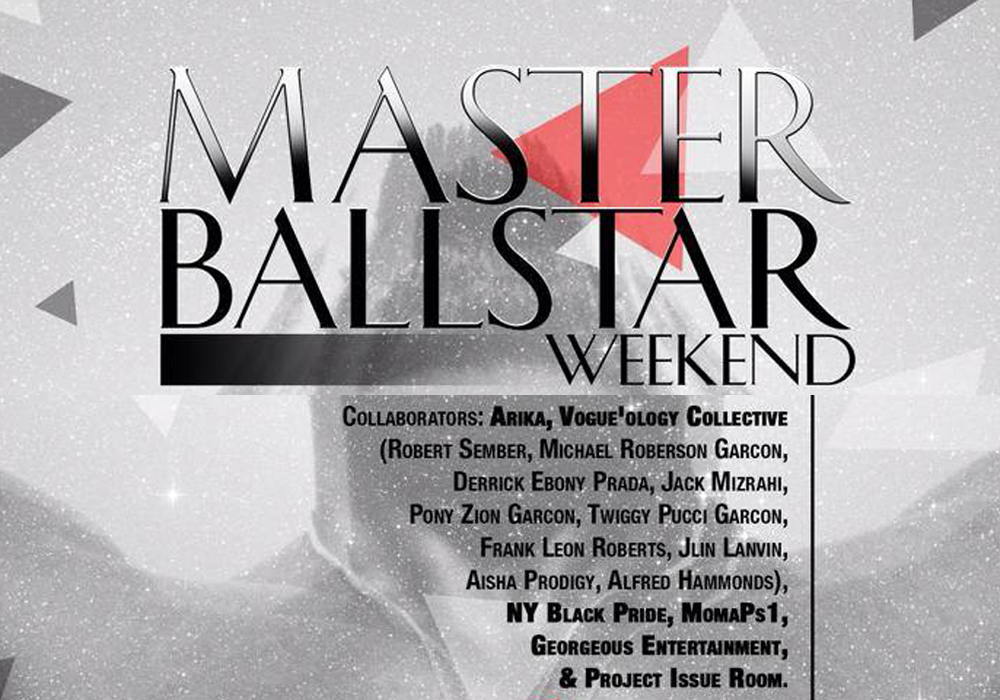
A series of events organised by the Vogue’ology collective from the House Ballroom community in New York grounded in the scenes history of autonomous, self-organised struggle and a shared investment in collective art practices and how those intersect with the multiple and often divergent struggles for freedom.
How do communities formed under the duress of violent othering and the joy of solidarity – such as ballroom culture, Black diasporas, Zapatistas – reform bonds of kinship?