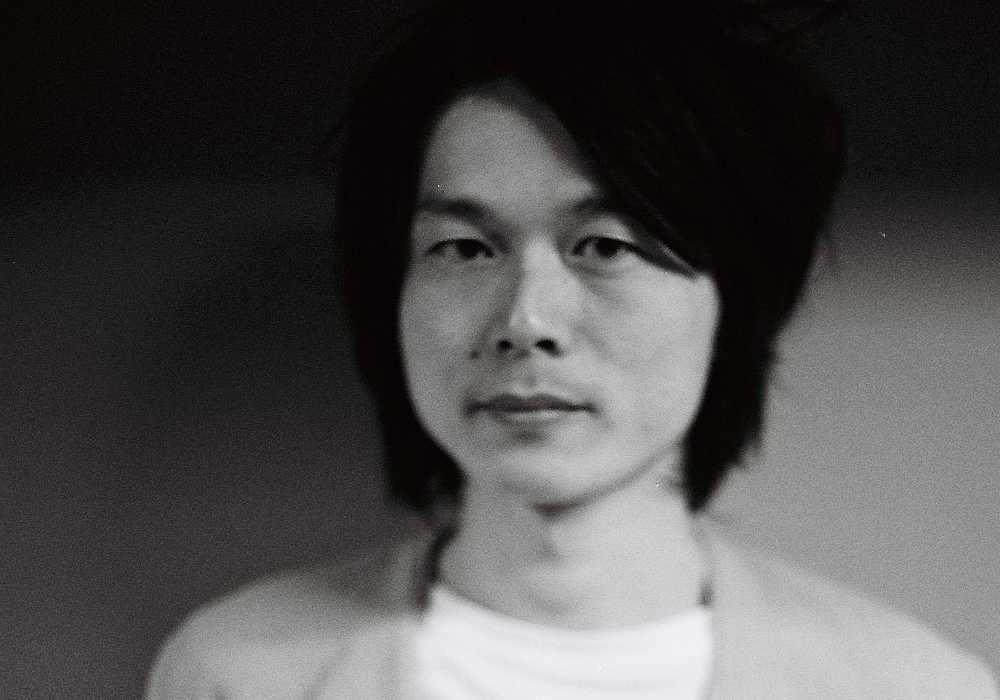
Hisato Higuchi
Hisato Higuchi
Some of the most breathtaking, delicate and smoke filled guitar playing this side of Loren Connors or the quieter sides of Keiji Haino.
Arika have been creating events since 2001. The Archive is space to share the documentation of our work, over 600 events from the past 20 years. Browse the archive by event, artists and collections, explore using theme pairs, or use the index for a comprehensive overview.
Some of the most breathtaking, delicate and smoke filled guitar playing this side of Loren Connors or the quieter sides of Keiji Haino.
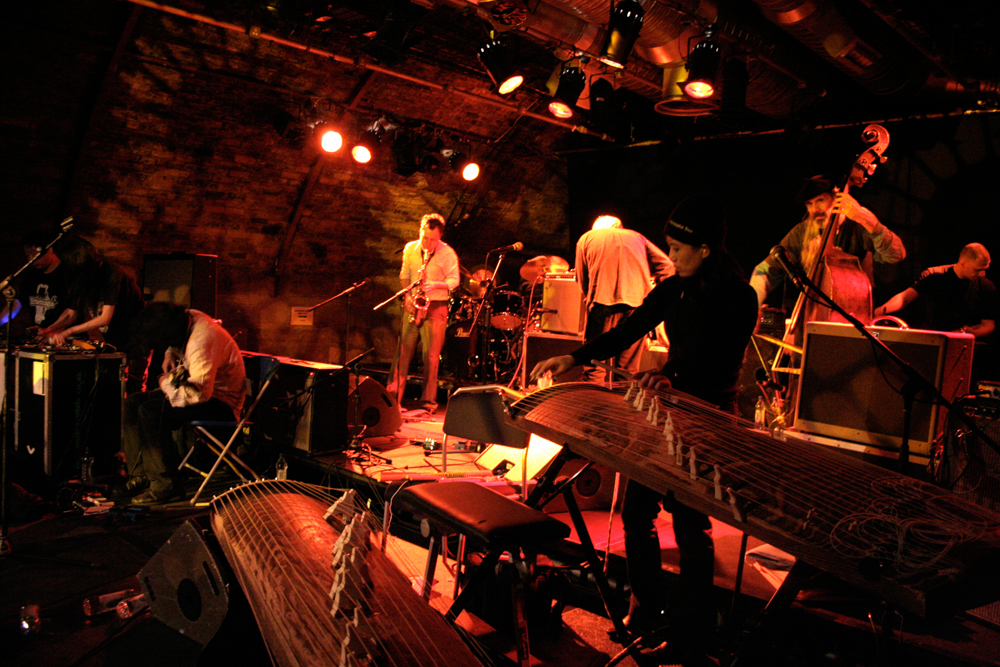
We wanted to ask a bunch of the best high-energy-improvisers around; can musical form really taking shape via a group energy? Can individual concentration lead to a group consciousness?
Looking at and listening to different ideas about sound and music, INSTAL 09’s collection of artists included Tetsuo Kogawa, vocalist Joan La Barbara, Phil Minton (and his Century FC feral choir), Austrian Actionist Hermann Nitsch, Steve McCaffery and many more.
An informal conversation, over breakfast, about how abolition and movement work structures Mijke and Nat’s approach to transfeminism, ahead of their new book Trans Femme Futures.
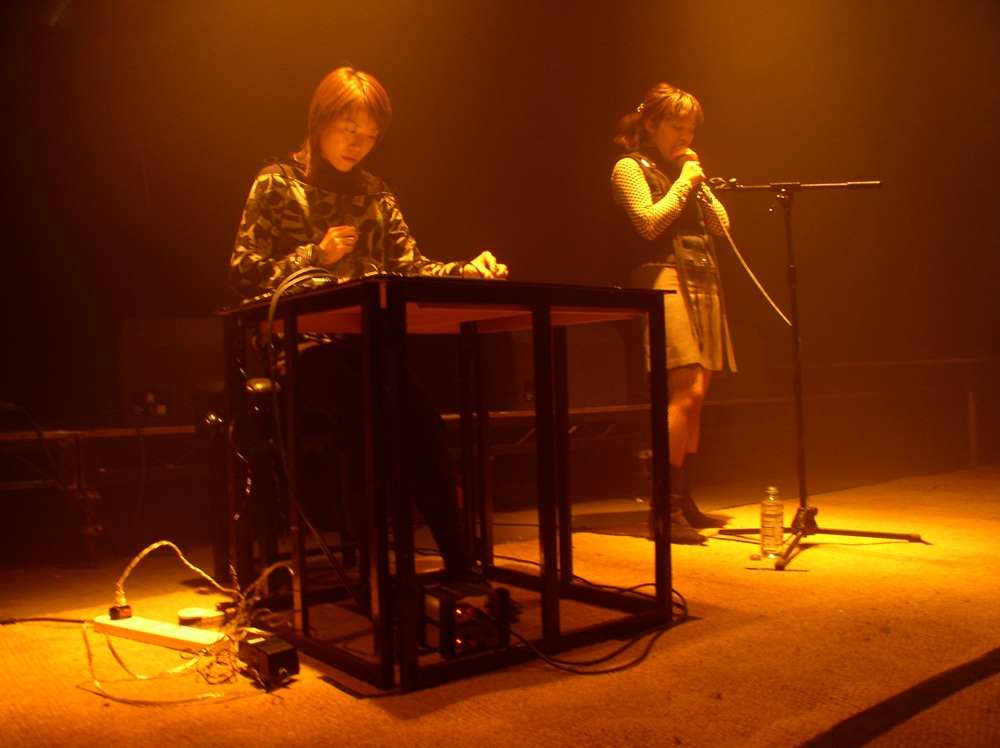
Sachiko M and Ami Yoshida, two of the most prominent members of the Onkyo movement, place much more emphasis on sound texture than on musical structure, distilling elements of techno, noise, and electronic music into a unique hybrid.
A performance for projectionist, musicians and audience, which plays with references to Oscar Levant and Gershwin: apparently a series of small doses of chaos.
A recording session for BBC Radio Scotland under the M74 ‘Ski Jump’ extension ramp, a secion of motorway that doesn’t go anywhere, one of several such structures that populate the motorway system in the centre of Glasgow.
Three intense solo performances for drums (both played and screamed through), cymbal, voice, credit card, bird whistle, and guitar amplifier/leads.
An excavation of the 1805 Lock Hospital in Glasgow. Its official function was to support ‘unfortunate females with venereal disease’, but really what happened was that women and girls were marched in, experimented on, and often never released.
What might Carter and Parker’s collaboration tell us about our own performances of responsibility and liberty, whether individual, social or musical?
Stripping back the domesticated ‘meaning’ of (everyday, mundane, kitchen) tools to reveal “a lexicon of rage and frustration.” Plus an allegorical use of mundane, everyday things as an examination of how meaning is constructed in film.
Whether drawing their own fractured, abstract narrative, or re-contextualising, chewing up and spitting out someone else’s, each of the films here take a dramatic arc as their starting point and throw it to the wind.