


17 March 2009
CCA
Radio Party
Tetsuo Kogawa
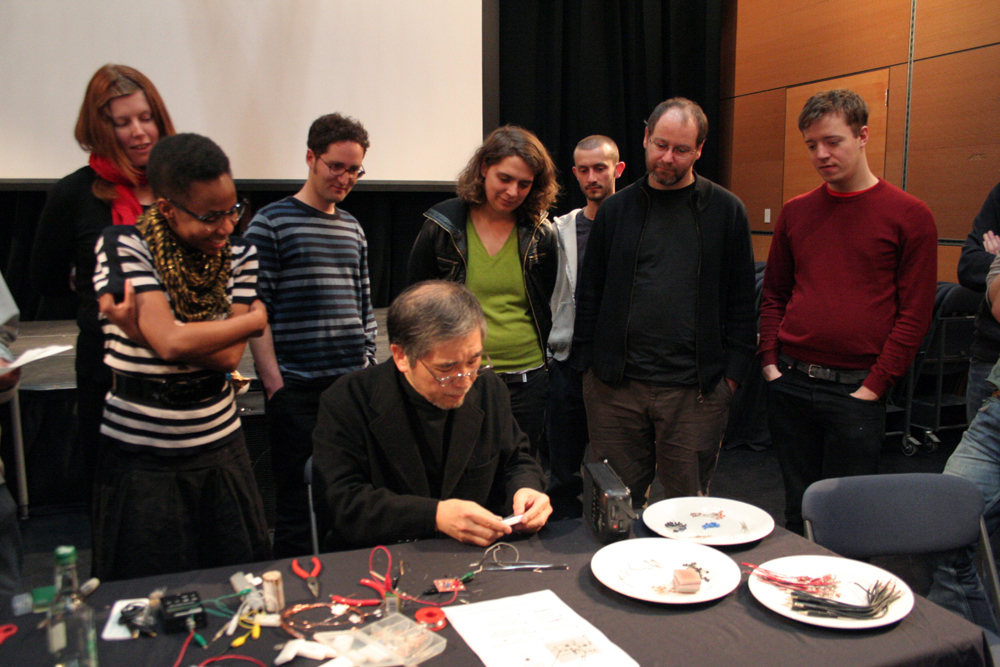
A simple hands on workshop with micro-radio theorist and pioneer Kogawa.
INSTAL 09
Arika have been creating events since 2001. The Archive is space to share the documentation of our work, over 600 events from the past 20 years. Browse the archive by event, artists and collections, explore using theme pairs, or use the index for a comprehensive overview.
A simple hands on workshop with micro-radio theorist and pioneer Kogawa.
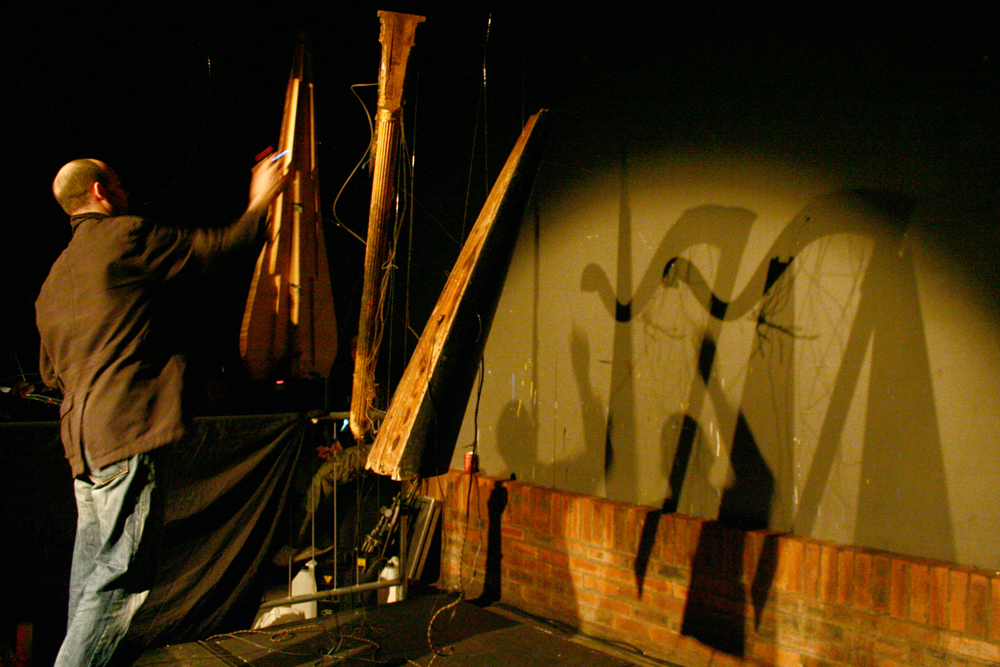
Rhodri Davies plays two deconstructed harps. Lee Patterson examines the sonic properties of burning nuts.
Includes: a £20 note, stock fluctuations, an examination of words in the video medium, a linguistic challenge for your mind, a frame by frame dissection 50 words, shop front poetry, image and language head to head and newspapers under the microscope.
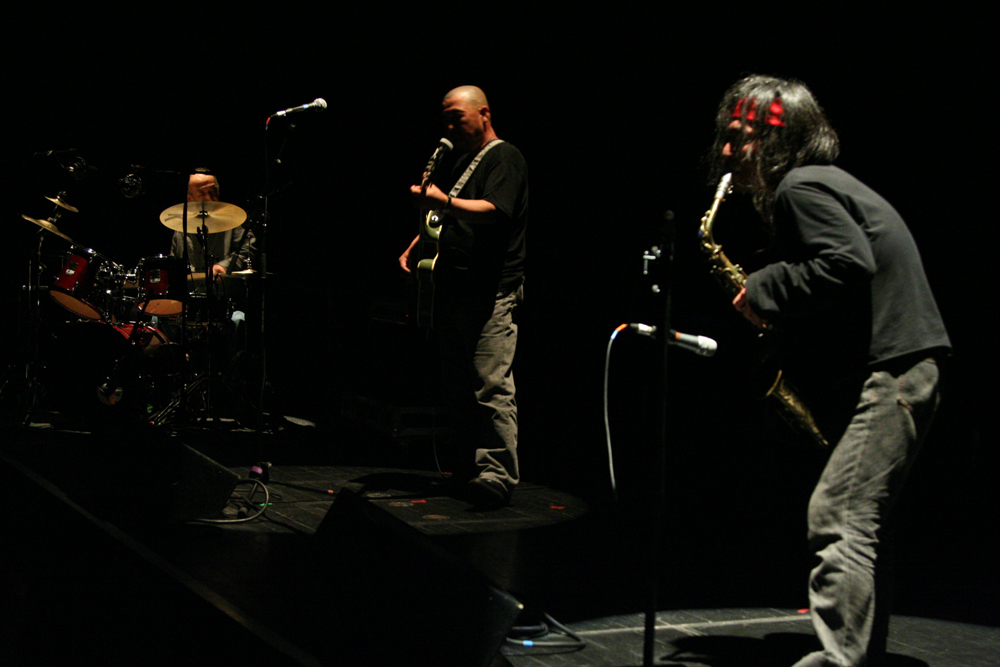
HEAVY Japanese super group, featuring the sundown delta blues of Kan Mikami, Toshi Ishizuka’s heavy, time folding drumming and Masayoshi Urabe on sax, harmonica and chains.
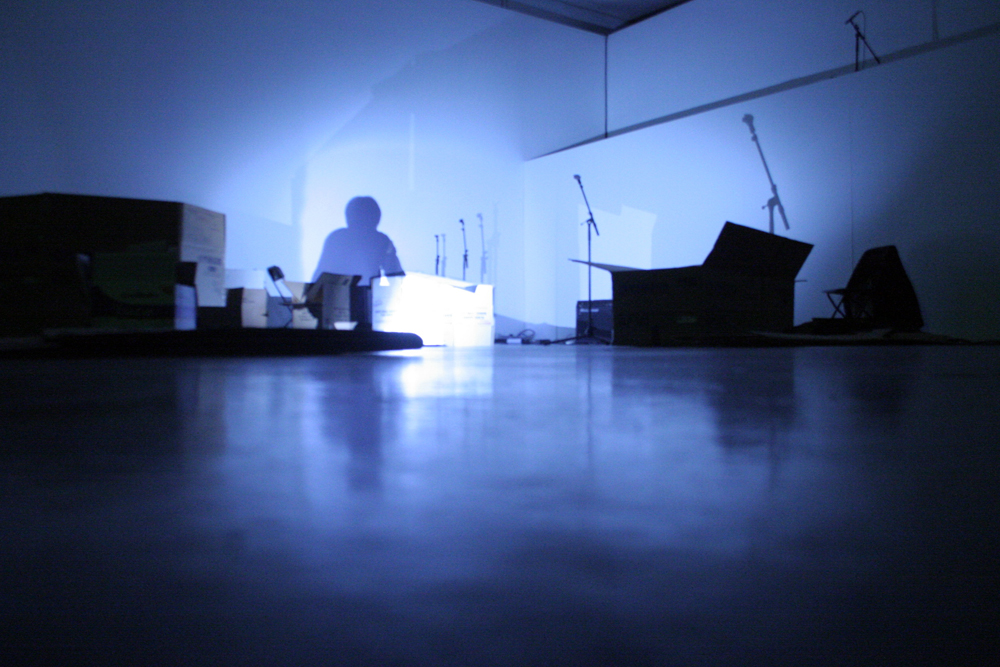
Taku’s actions strip back musical performance to one of its original proposals: what is an action and how does it create a situation for spending time together, for paying attention?

No Wave, damaged garage jams and crazed instant vocal shrieks.
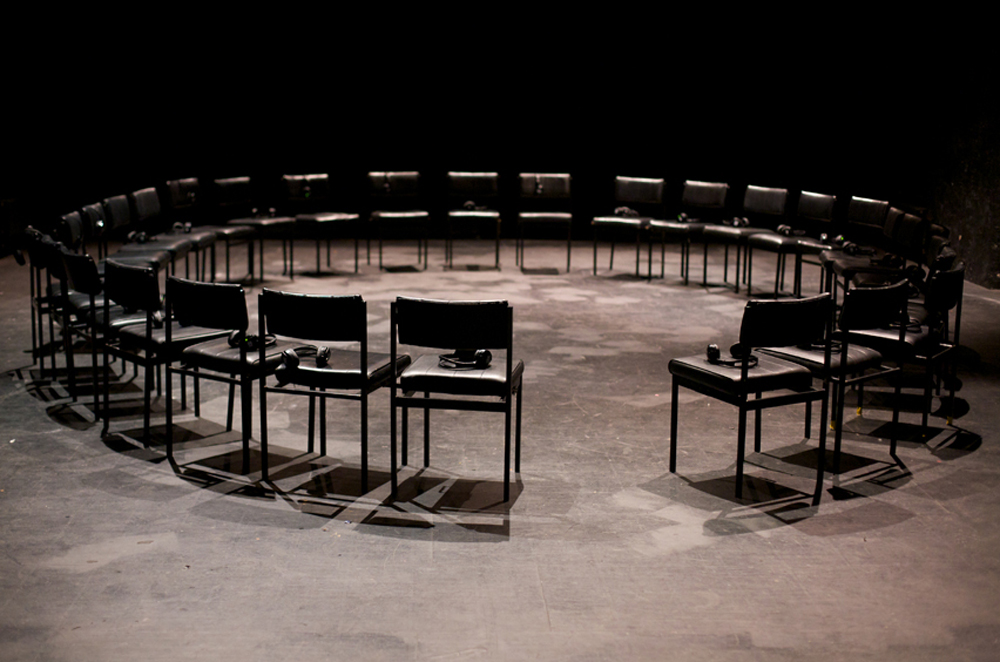
The Echo project is an installation as audio guide for a crowd. And at the same time it’s a private conversation: with you, as one of 20 people in a room, a sort of public intimacy.
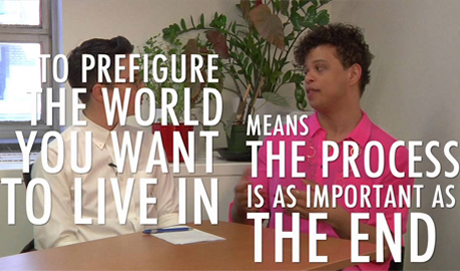
A crash-course in pre-figurative, radical, queer, anti-racist, anti-police, anti-prison, anti-deportation abolitionist politics and trans-resistance.
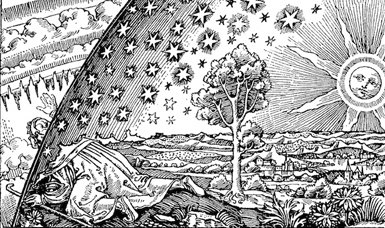
A performed lecture concerned with Renaissance occult (musical) thinkers of the cosmic who put forward the notion of the “disharmony of the world”
Philip Jeck creates slowly evolving symphonies that are as much about the crackling hiss of old vinyl as the actual ‘musical’ material.
Sax/Drums duo of raucous, pealing noise, and cries of beguiling lyricism, whispered sax phrases float in a timbral cloud of bowed metal and rumbling toms.
There are core ways in which our listening to the radio differs from other kinds of listening. What happens when we pay attention to how we pay attention?