Unstable, fragile but daring together
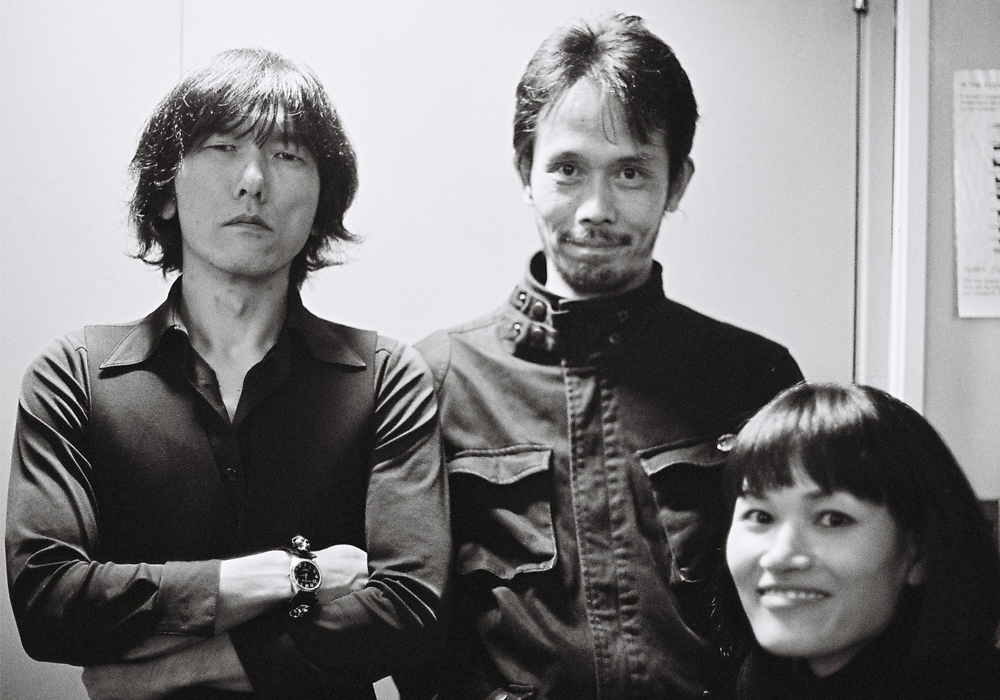
Emma Hedditch Howard Slater Laurie Pitt Liam Casey Mattin
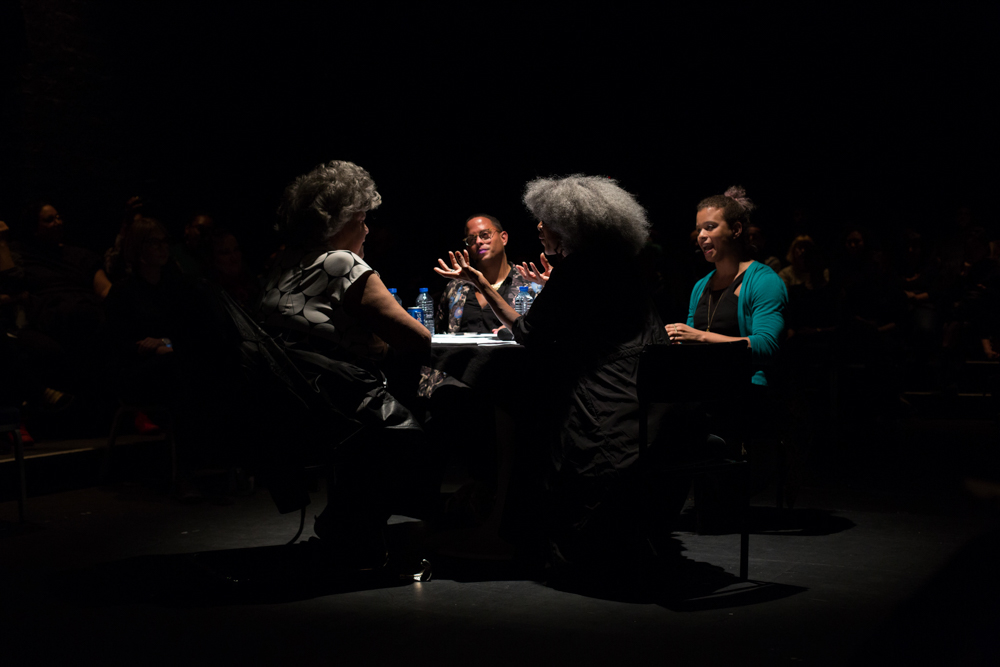
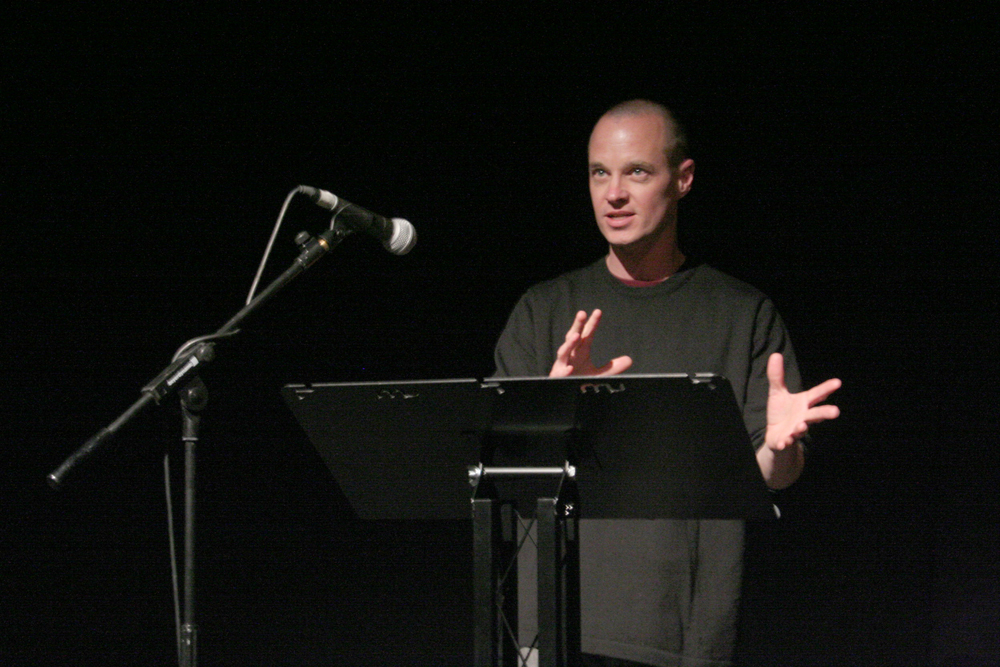
Instead of the one-way monologue of normal performance, what would be the result of an actual collective dialogue? Where would it go?
Arika have been creating events since 2001. The Archive is space to share the documentation of our work, over 600 events from the past 20 years. Browse the archive by event, artists and collections, explore using theme pairs, or use the index for a comprehensive overview.
Instead of the one-way monologue of normal performance, what would be the result of an actual collective dialogue? Where would it go?
Using violin and cello the duo map out a twilight sonic world that seems to tread the faultlines between improvisation and composition.
Ecstatic, intensely joyous experimental club music: like “the sound of our water ceremonies…40 bands playing their melodies at once to recreate the cacophony of the first aurora and the call of the morning star Venus”.
Reveling in the geometric, mathematical and perceptual relationship between sound and form, this programme features a landmark work of experimental film in Kubelka’s Arnulf Rainer; a complex, enduring and expressive of structuralist or flicker films.
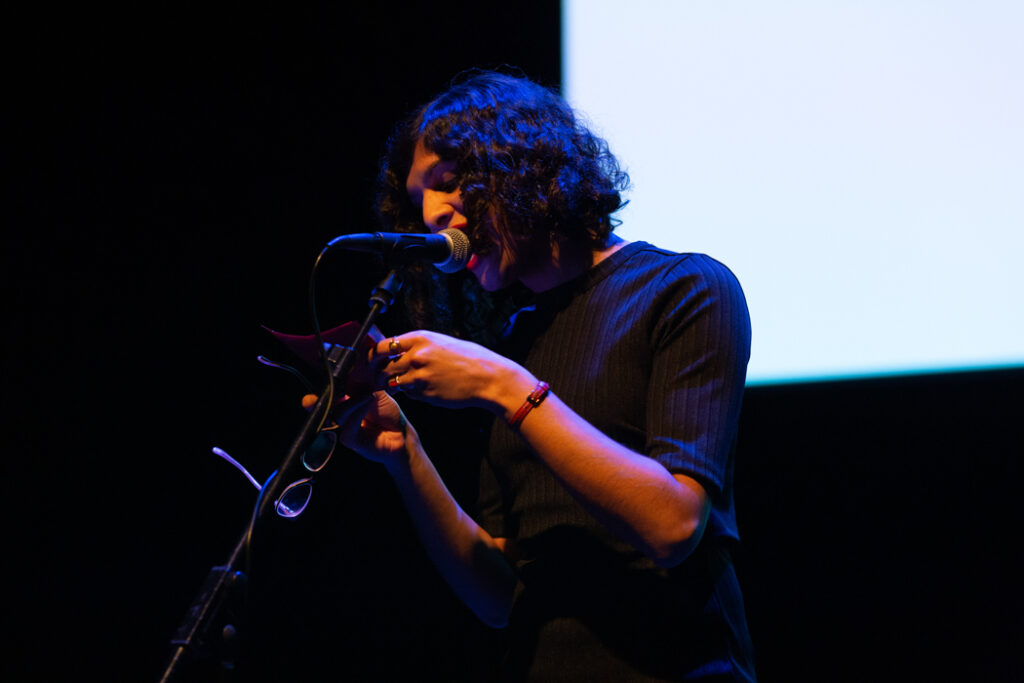
Transfeminist, communist, revolutionary poetry that refuses to flinch. Nat Raha presents new work in the nine.
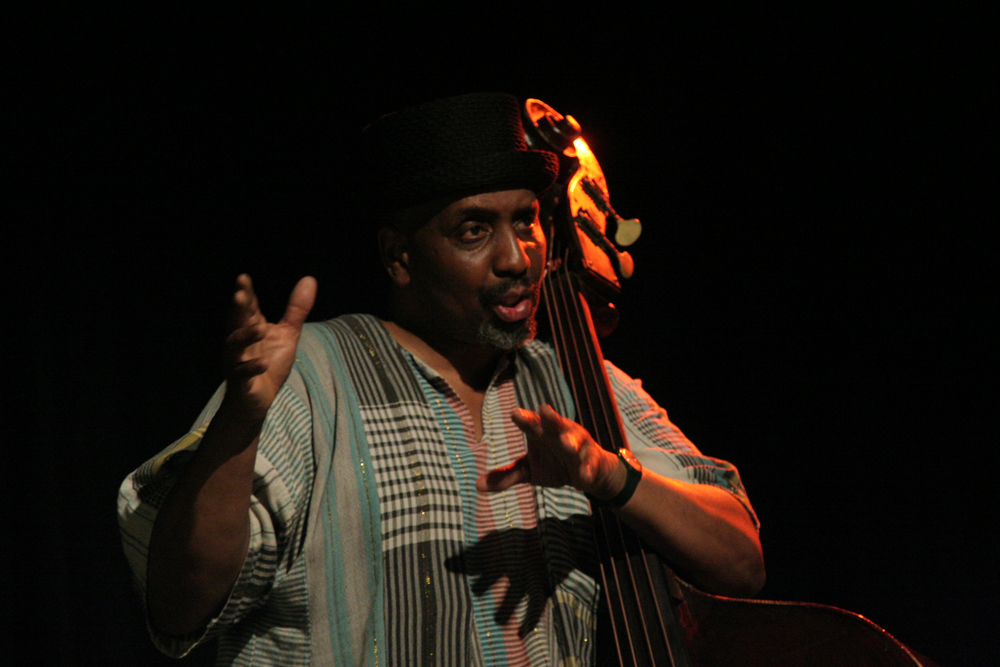
William cradles, hammers, and rains down blows, plucking and using 2 bows to attack the strings above and below the bridge, all in the service of a fiery and passionate creativity.
How do communities practice being one another’s means, addressing their material problems facing them replicating the state’s violent logic of who is disposable.
Take a break and/ or hang in an Open Meet Up in IRL and URL
One of the most influential groups in improvised music, with the collective understanding that comes from listening keenly to each other for decades
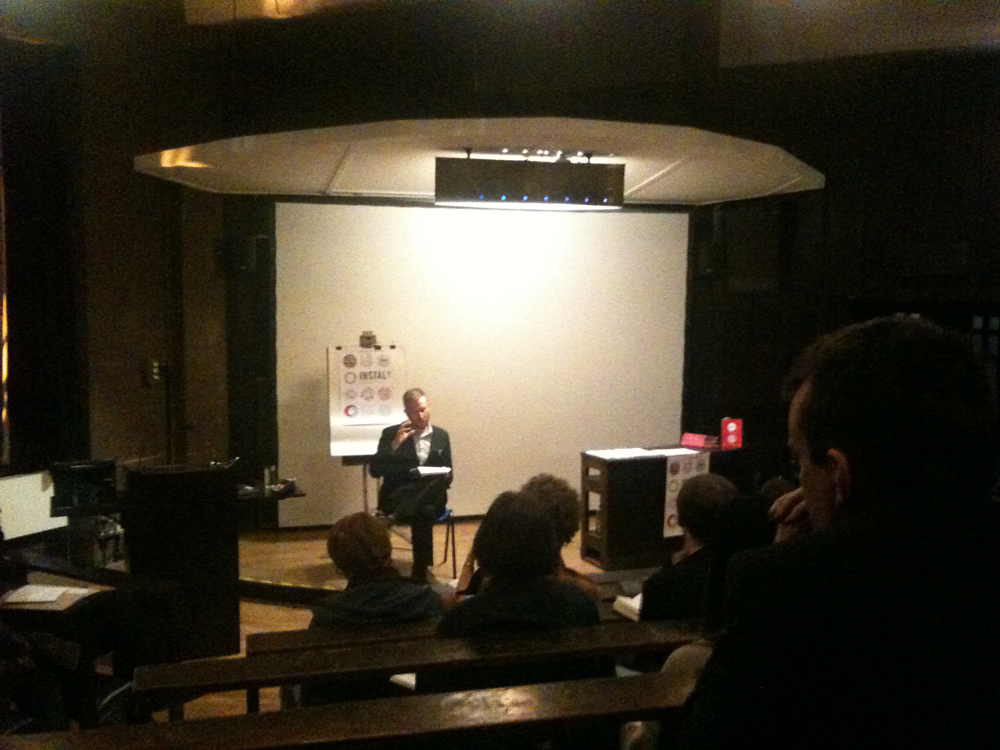
A kind of an informal overview of INSTAL.
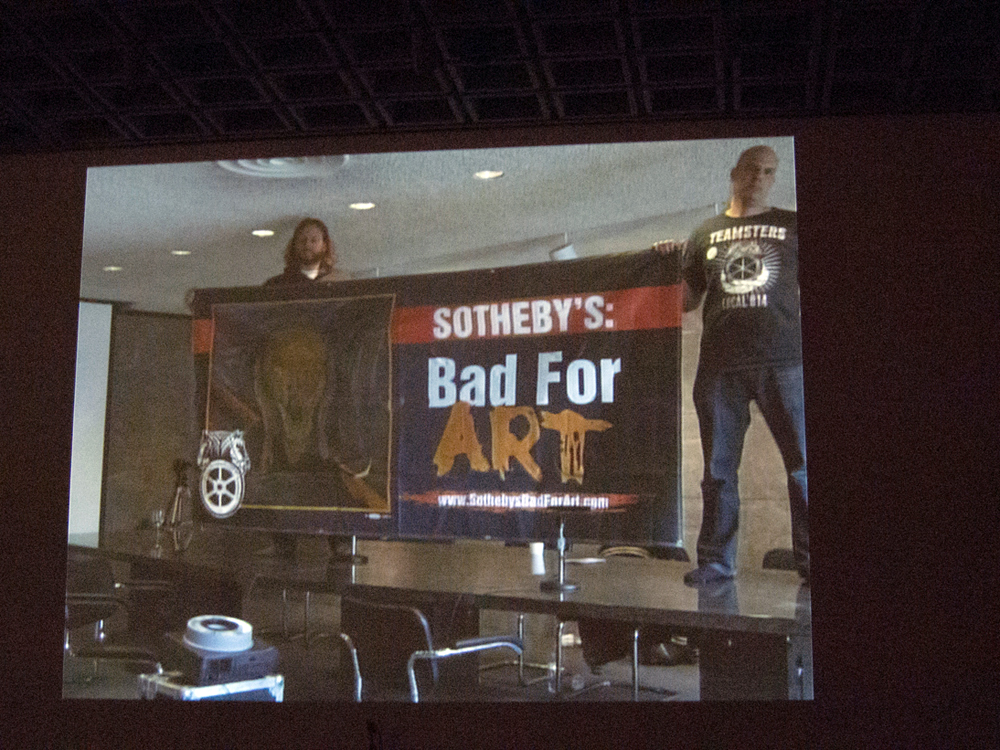
When one calls a strike, who hears the call, who attunes and listens to it? How to listen to the call of a strike? What prevents one from hearing this call or stops one from listening to it?
Dworkin asks: What would a non-expressive poetry look like? A poetry of intellect rather than emotion?