A Plot, A Scandal
Ligia Lewis
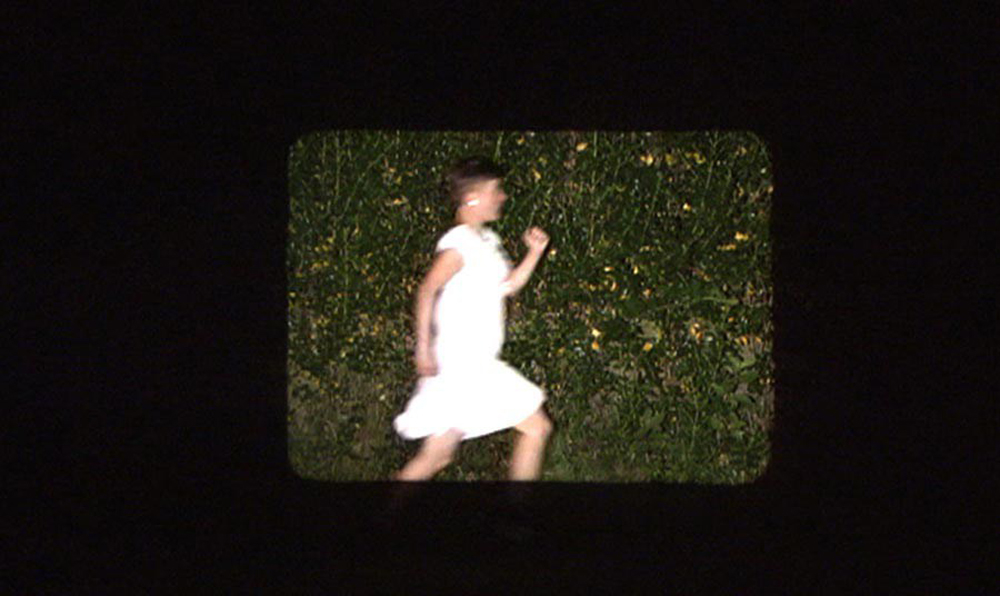
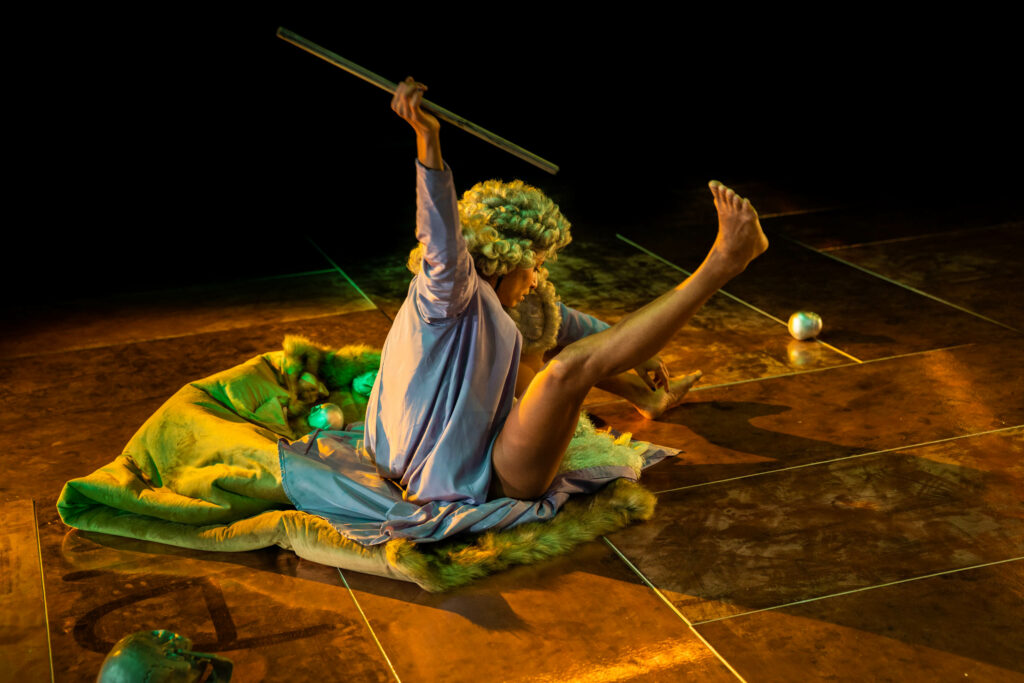
Conceptual choreography as critique, in Ligia’s film of Caribbean plots and scandals, and the possibilities of anti-colonial revenge, rest and repair.
Arika have been creating events since 2001. The Archive is space to share the documentation of our work, over 600 events from the past 20 years. Browse the archive by event, artists and collections, explore using theme pairs, or use the index for a comprehensive overview.
Conceptual choreography as critique, in Ligia’s film of Caribbean plots and scandals, and the possibilities of anti-colonial revenge, rest and repair.
Setting up a minimal procedure to explore the interaction between a person and the (documentary) film/ video process. What initially seems simple ends up contrarily distanced and intimate, public and private.
A dense, hard, immersive, chaotic spatial performance in sound: a momentary gap in consciousness, free of order or decision.
A saxophone. Handheld fans. Shrill squeaks. Splutters, gargling. An incredible diversity of sounds, intensely focused by an inventive musician.
Ray and Thomas talking about how cognitive neuroscience is unlocking the physical basis of personal experience.
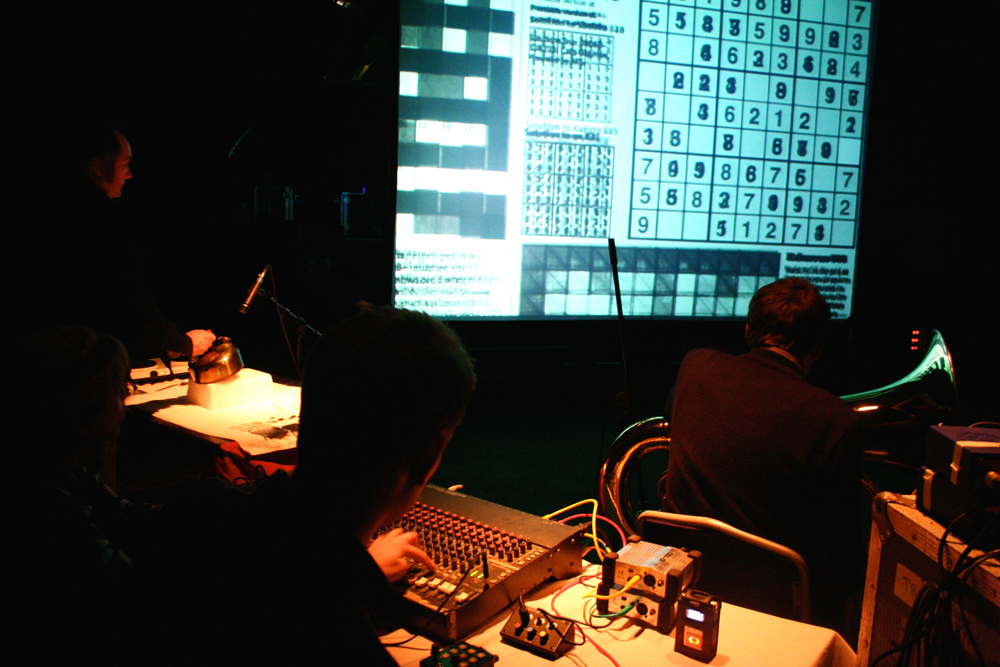
Performance of a Sudoko based graphic score giving rise to a process of self cancellation.
Freeform Super 8mm documentation of Friday at Instal 06 by filmmaker Matt Hulse.
GIO’s bottomless throat, Blood Stereo’s slobber gobbler and the Mouth Of The South tangle tonsils over Steve McCaffrey’s Carnival
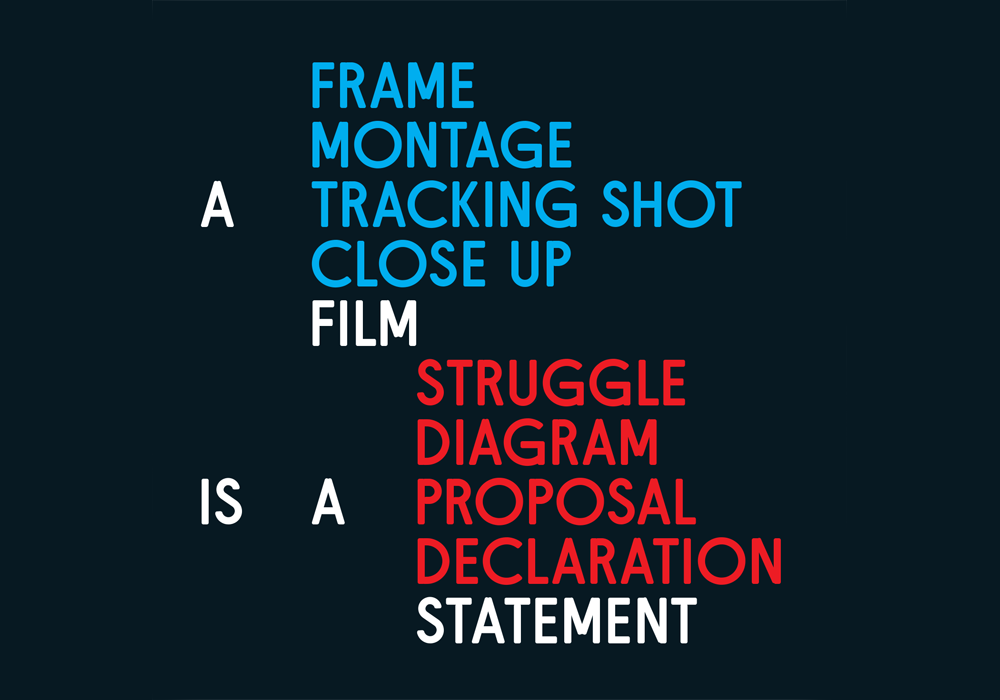
Every aspect of every film is always about more than just film. Or, as Godard said: a tracking shot is a moral issue. A cross between a festival, magazine and discussion about experimental artists’ films.
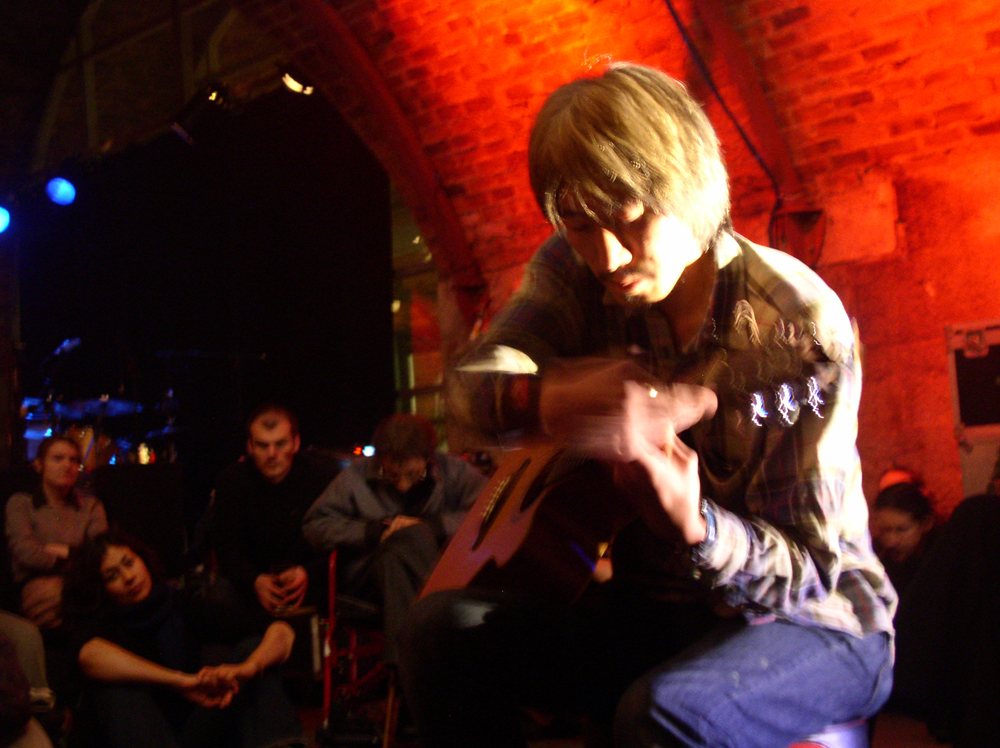
An contradictory guitarist, he’s equally at home in slow, halting acoustic improvisation or piercing minimal examinations of electric guitar.
Andrew Chalk & Christoph Heemann return with their diaphanous, impressionistic drone duo; their slowly evolving and enthralling works flutter and quiver with elegantly restrained, miniature sound events.
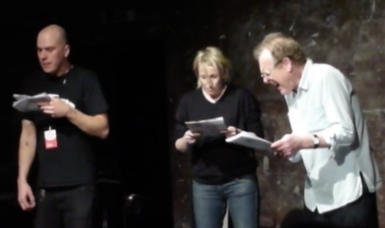
Dworkin asks: What would a non-expressive poetry look like? A poetry of intellect rather than emotion?