Temporary Outpost for an Auditory Gesture
Brandon LaBelle
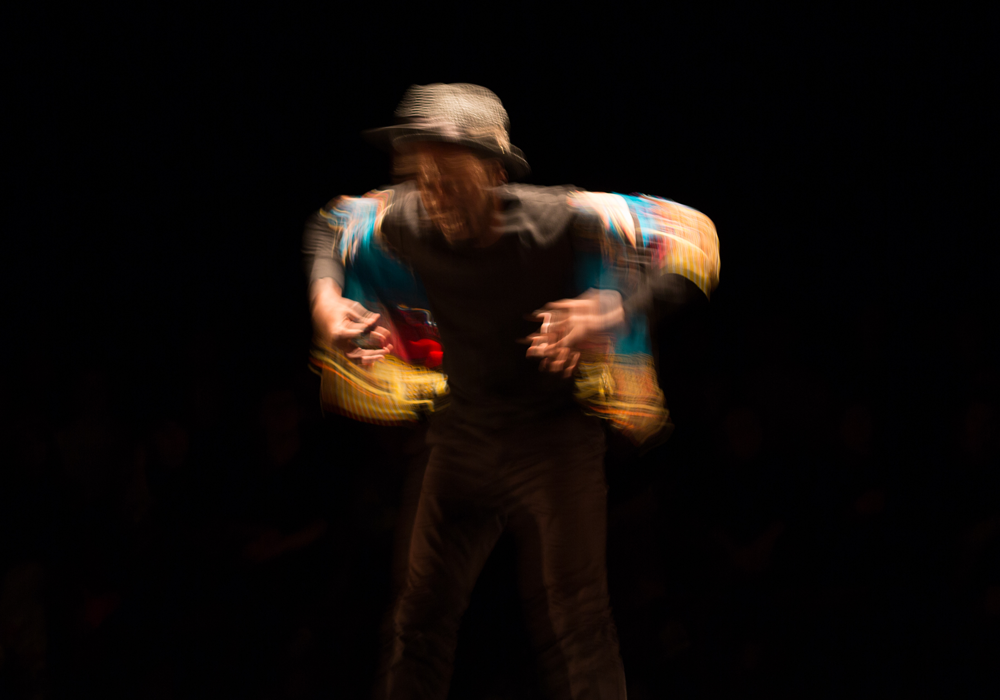
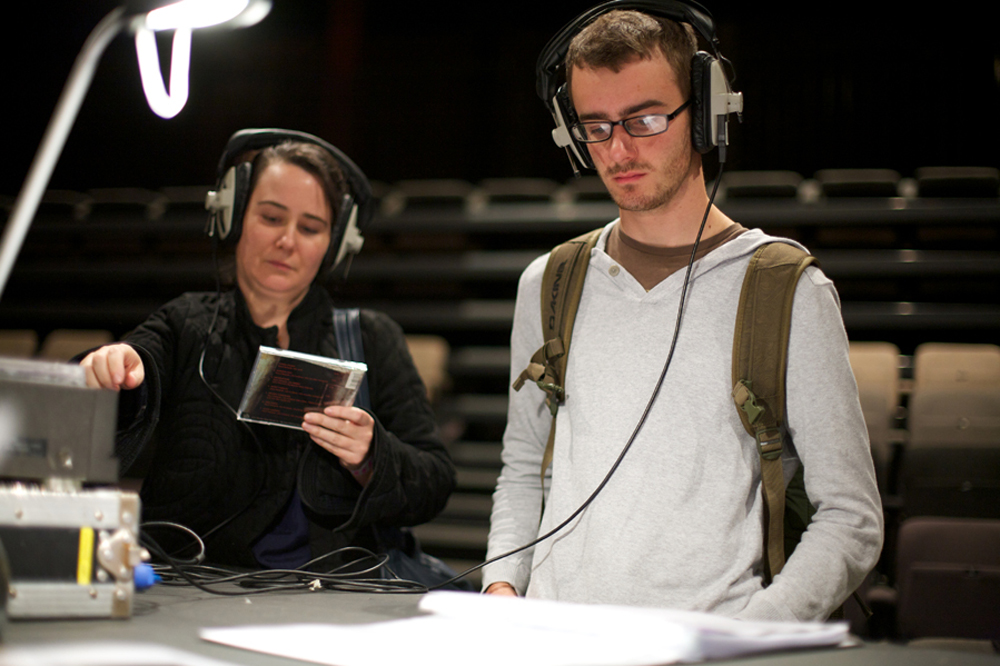
Temporary Outpost for an Auditory Gesture is a kind of performed installation that explores how sonic phenomena (like feedback, vibration, resonance, echo, rhythm) condition our experience.
Arika have been creating events since 2001. The Archive is space to share the documentation of our work, over 600 events from the past 20 years. Browse the archive by event, artists and collections, explore using theme pairs, or use the index for a comprehensive overview.
Temporary Outpost for an Auditory Gesture is a kind of performed installation that explores how sonic phenomena (like feedback, vibration, resonance, echo, rhythm) condition our experience.
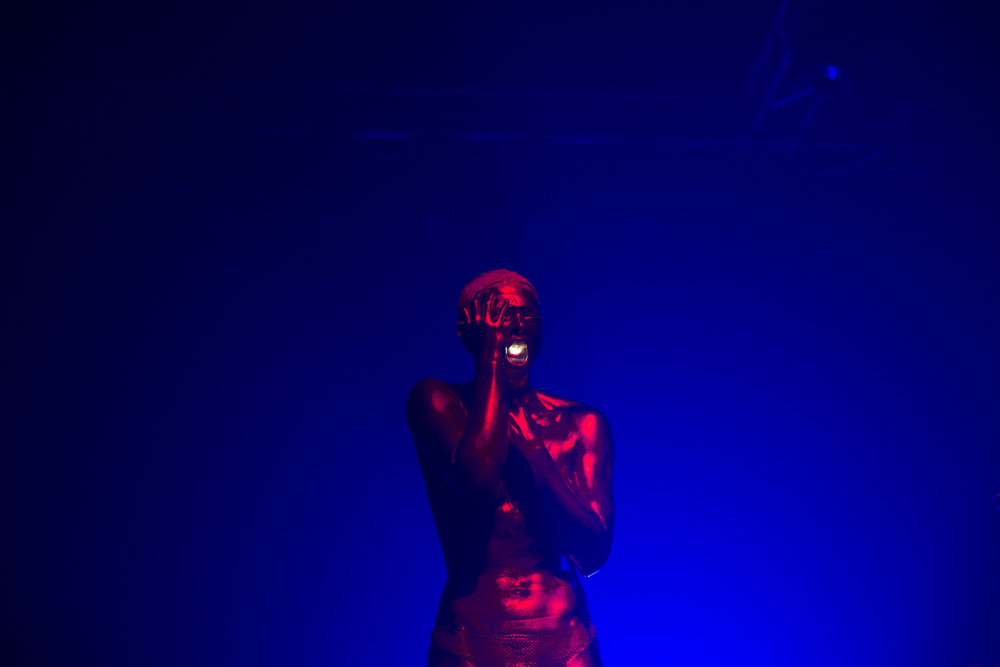
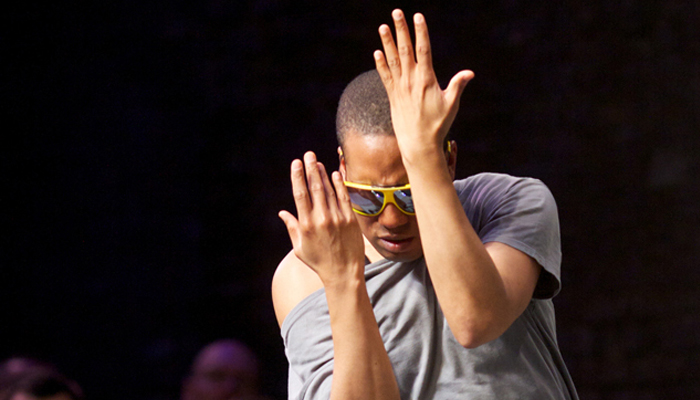
A performance by Storyboard P – one of the greatest Afrofuturist dancers on the planet.
A bodiless treatise on narration, bored speakers, audience misbehaviour and police megaphones, but: is anybody listening?
All ticket income goes directly to We Will Rise – a group of migrants, refugees, asylum seekers and their allies who have come together to End Immigration Detention in the UK.
What does it mean to listen with the mind as well as the ears? A solo performance from the great avant-garde pianist.
Guitar and voice. Keening, droning and mourning. Be ready to release and bring your dis-ease.
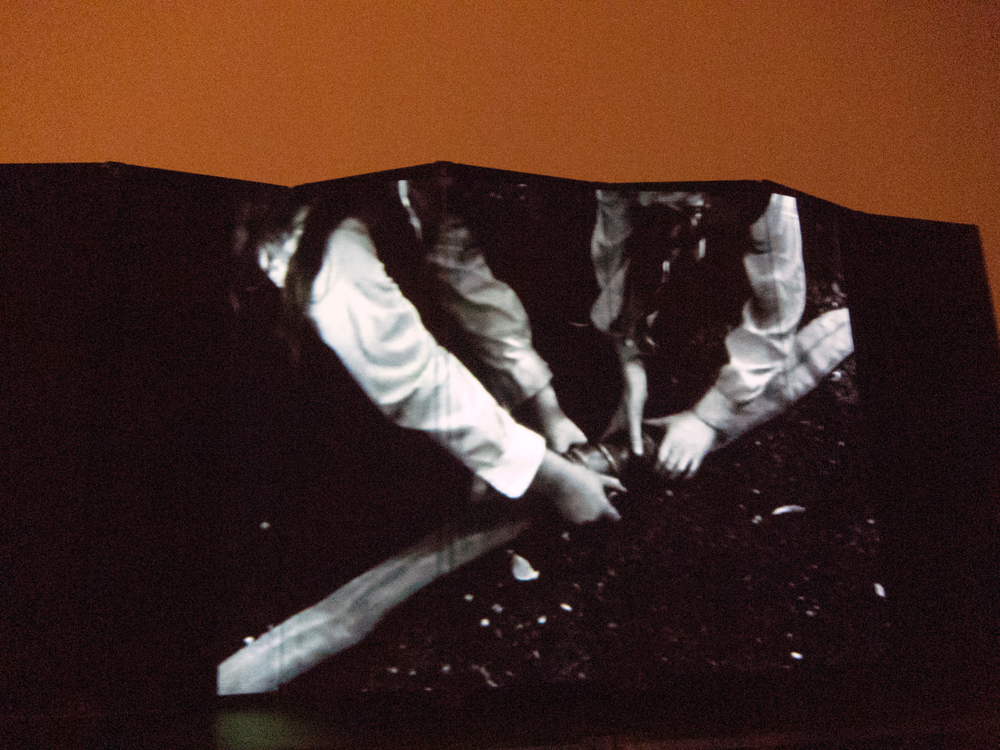
A live installation of the ‘Film Ist’: projected on 4 huge screens and an improvised soundtrack from 4 figureheads of the Austrian experimental music scene.
The role of feelings in public life, (political) depression and creative survival.
A programme of discontinuity between narration, text and image. Including Manual Saiz’s employment of John Malkovich’s Spanish dubbing double and Peter Rose’s absurdly hilarious concrete poetry subtitling chaos.
A discussion about what is at stake in the performance of realness and the practice of passing, and how they are both acts of survival and resistance.
A meditation on how all of us perform — sometimes reinforcing, sometimes subverting — the shifting categories of gender, sexuality and race.
How can we imagine bodies not as an end in themselves, but as a medium through which we can become one another’s means?