


21 August 2026, 17:00
Drinks and Nibbles
Scotland for Decrim
A welcoming intermission between events, open to the public.
Hard Labour
Arika have been creating events since 2001. The Archive is space to share the documentation of our work, over 600 events from the past 20 years. Browse the archive by event, artists and collections, explore using theme pairs, or use the index for a comprehensive overview.
A welcoming intermission between events, open to the public.
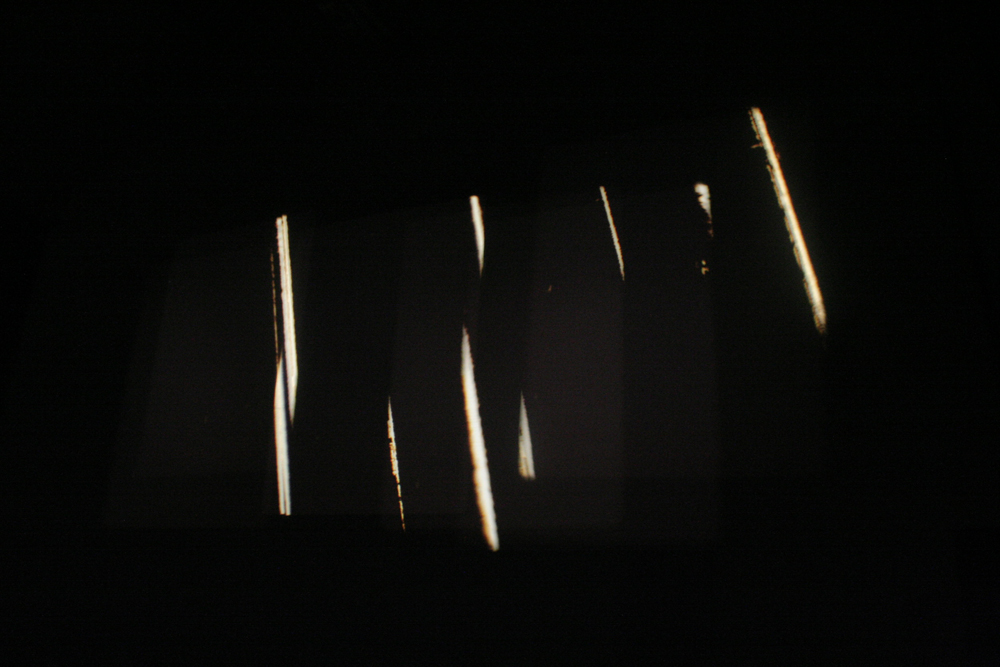
Guy Sherwin gives a kind of annotated, chat through his optical sound films
Edinburgh. Sinewave manipulating Giant Tank-ette goes head-to-head with Decaer Pinga’s first lady of noise.
Databases carry the same seeds of creativity that early documentary makers saw in film. Both can empower people by helping them to master information, both can be claimed to represent some kind of reality or truth.
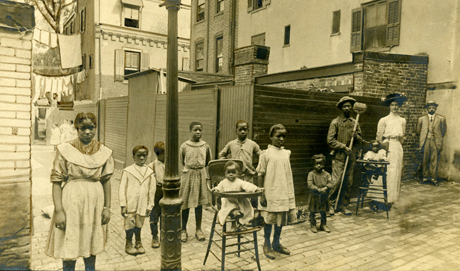
A socio-poetic reading on wayward communities – The wayward create upheavals, incite tumult. They come and go as they please; they are fugitive; they are in open rebellion against society.
The final iteration of Arika’s INSTAL festivals, the 2010 edition was an experimental festival of experimental music – 3 days of events at the Tramway that explored un-average ideas about sound and music.
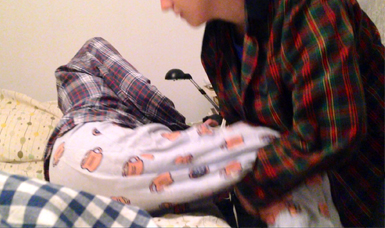
How can we imagine bodies not as an end in themselves, but as a medium through which we can become one another’s means?
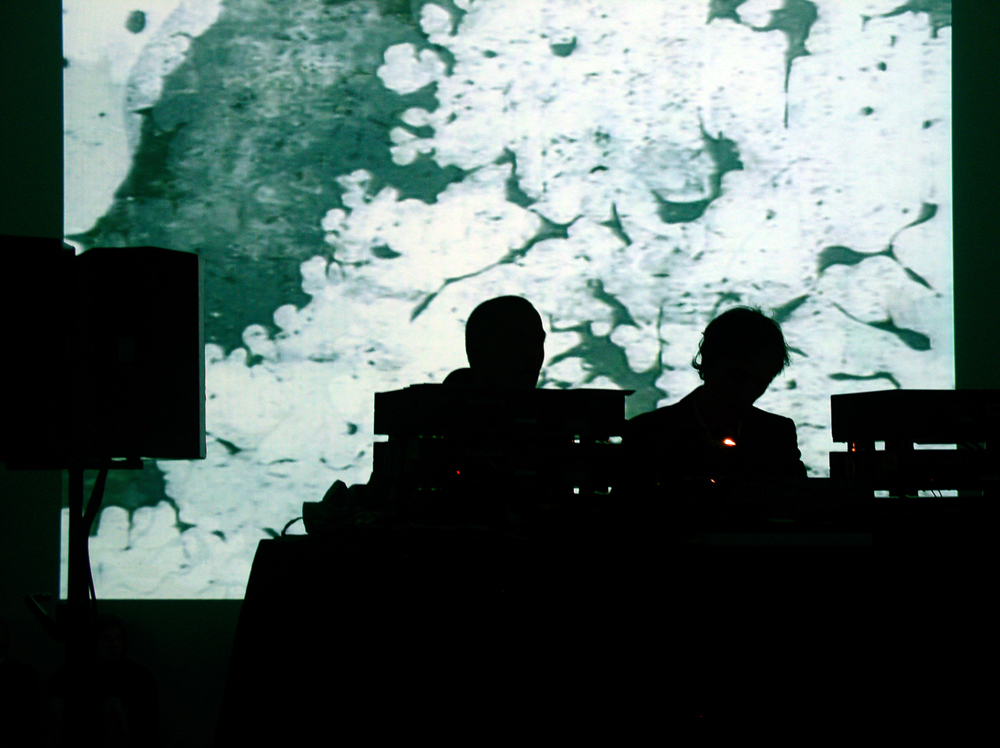
Andrew Chalk & Christoph Heemann return with their diaphanous, impressionistic drone duo; their slowly evolving and enthralling works flutter and quiver with elegantly restrained, miniature sound events.
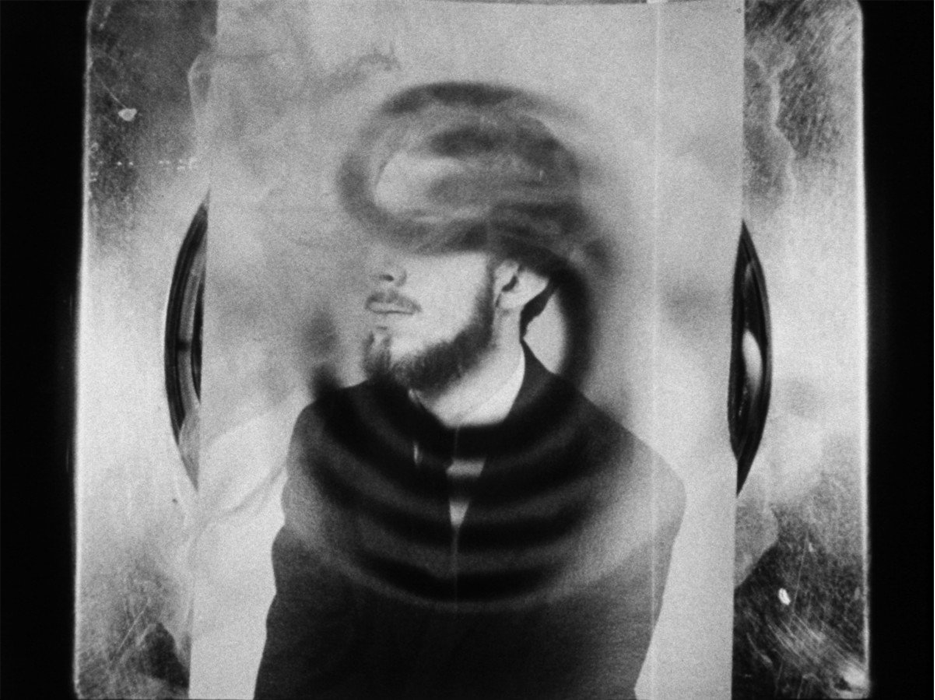
A programme that looks at how sound and image can be treated as variants in a collection of ordered objects; at how to create meaning from the similar, and to notice difference.
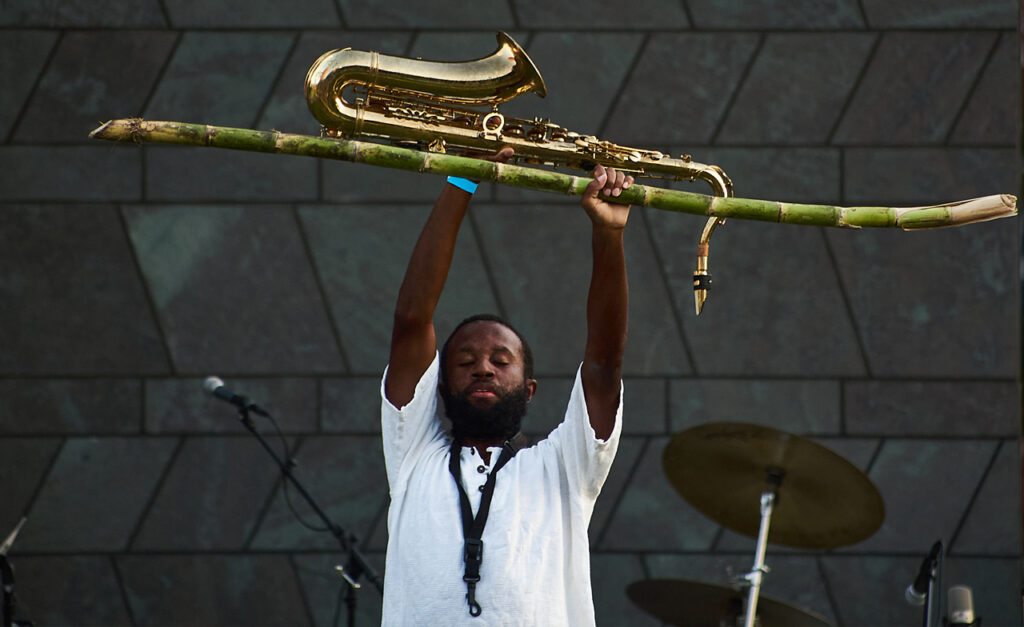
Ellis’s processional, precessional cessation and continuation of movement and music comes to us via his forthcoming release Aster of Ceremonies (Milkweed Editions, 2023)

Politicised fan-fiction chronicling working class gay urban space and fantasy.
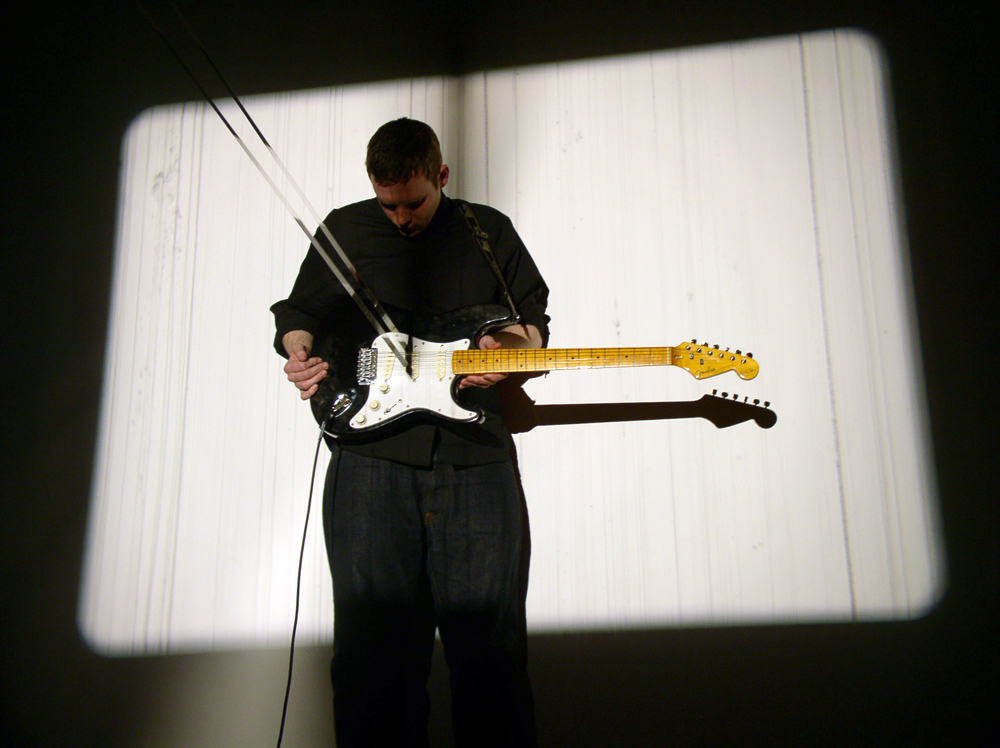
An original and beautifully simple performed installation forging a direct link between sound and image.