Shadowed Spaces
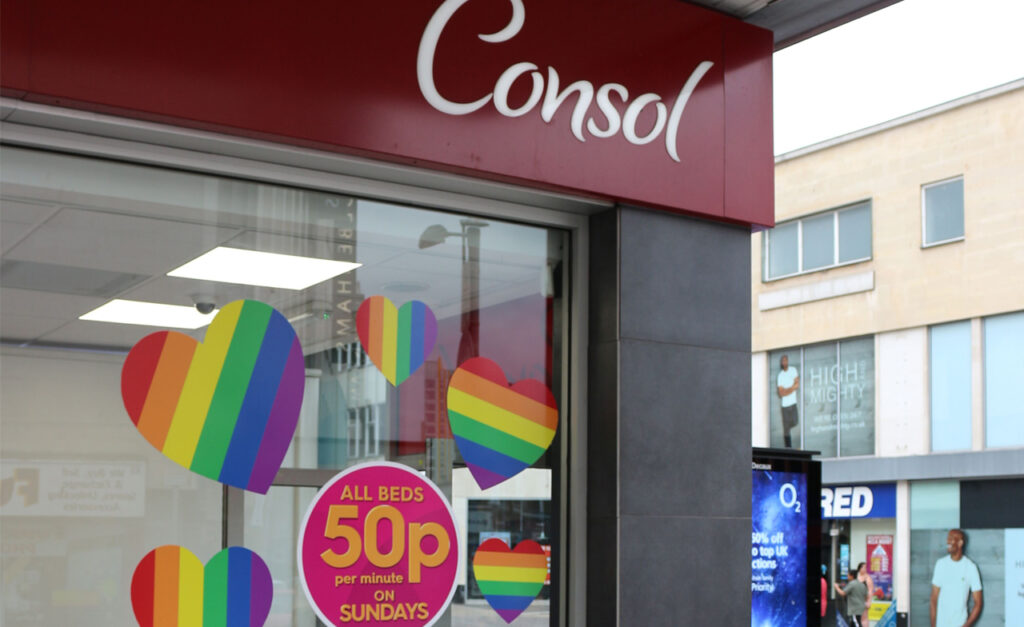
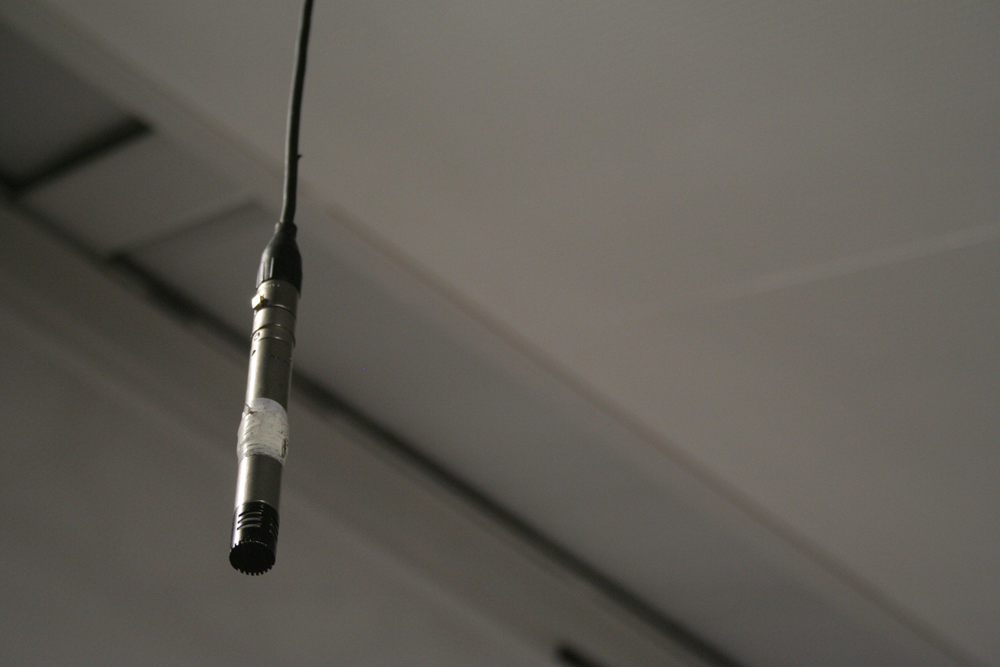
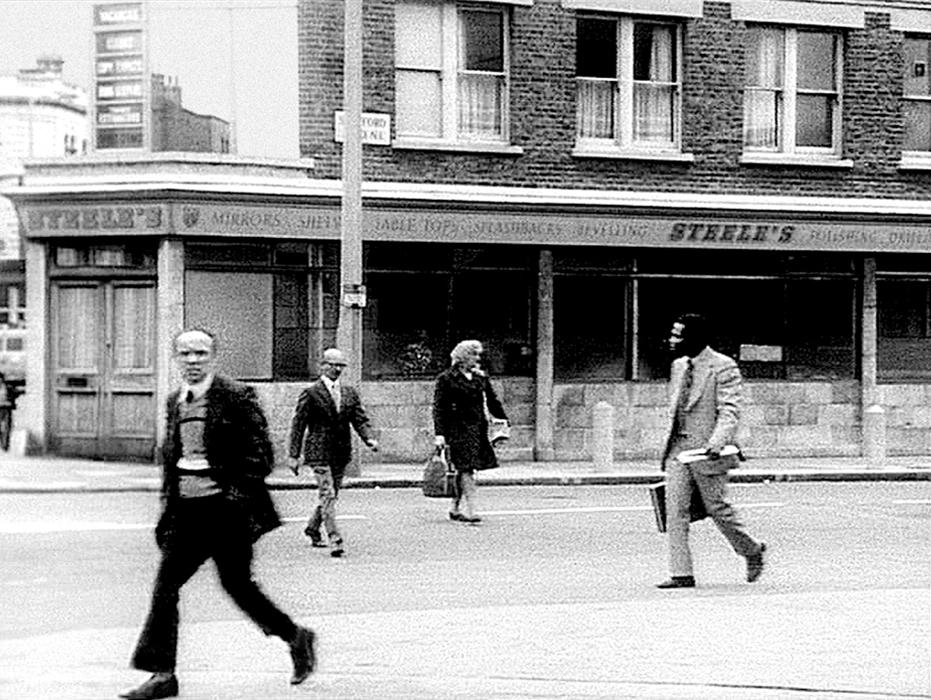
There exist places in our towns and cities that are created not by design, but by circumstance. Shadowed Spaces was a tour of overlooked, bypassed and unconsidered nooks and crannies with 3 musicians.
Arika have been creating events since 2001. The Archive is space to share the documentation of our work, over 600 events from the past 20 years. Browse the archive by event, artists and collections, explore using theme pairs, or use the index for a comprehensive overview.
There exist places in our towns and cities that are created not by design, but by circumstance. Shadowed Spaces was a tour of overlooked, bypassed and unconsidered nooks and crannies with 3 musicians.
When one calls a strike, who hears the call, who attunes and listens to it? How to listen to the call of a strike? What prevents one from hearing this call or stops one from listening to it?
Politicised fan-fiction chronicling working class gay urban space and fantasy.
Come for the crip ingenuity; stay for the smooth feels of what it is to be each other’s everything.
On the birthday of Marsha P. Johnson, this event brings together several elements that celebrate the radical care and kinship characteristic of the Trans revolutionary.
Torrential, wrenching wordless wails, guttural screams and roars, a Haino solo vocal performance.
Inhabiting a different kind of energy, Ueinzz’s open rehearsals reveal a glimpse into their ongoing daily theatrical modes of caring – multiplying the ways in which their plays are meant to be felt, rather than understood.
A sung-through Nubian musical ballet. A darkly humorous take on sexual trauma and what magical and ancestral tools might heal it.
Dead Labour Process drool-tape farmer, squeaking/creaking Usurper brother and Peeesseye’s yodelling traps-man hold a real OUT splutter party.
UK conceptual/ drone/ noise artist, who is seriously posing what might seem to be unanswerable questions of music.
One of the most revered and legendary underground acts of the past 20+ years, Current 93 is the constantly evolving creation of David Tibet.
When we look, how do we objectify the body; how can we reflect on our (self) image as a construction?