



21 August 2026, 17:00
Drinks and Nibbles
Scotland for Decrim
A welcoming intermission between events, open to the public.
Hard Labour
Arika have been creating events since 2001. The Archive is space to share the documentation of our work, over 600 events from the past 20 years. Browse the archive by event, artists and collections, explore using theme pairs, or use the index for a comprehensive overview.
A welcoming intermission between events, open to the public.
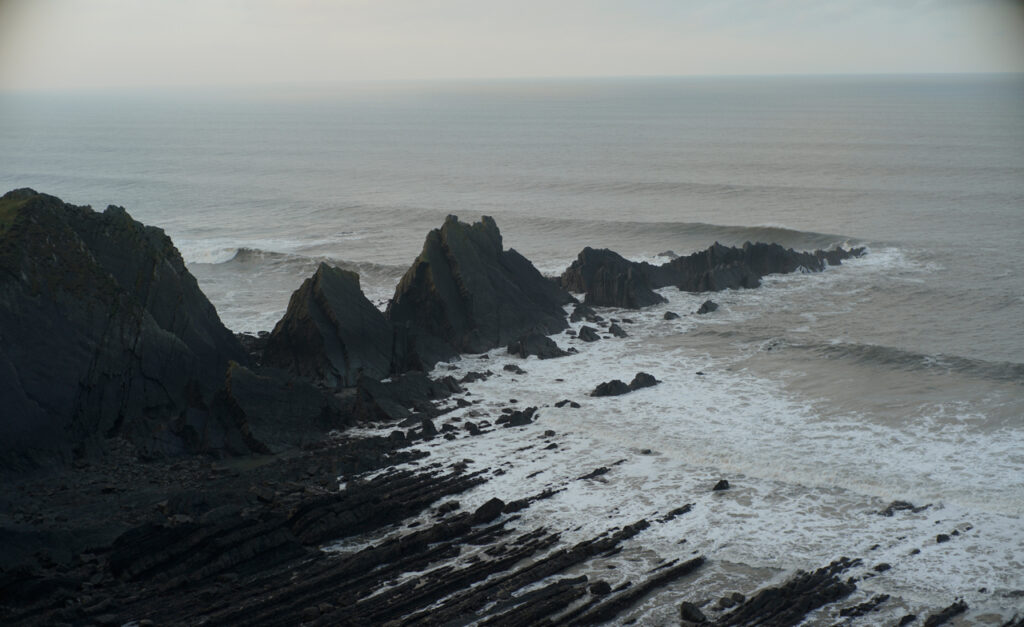
What would a world and an ethics look like free from the destructive consequences of the Western mind?
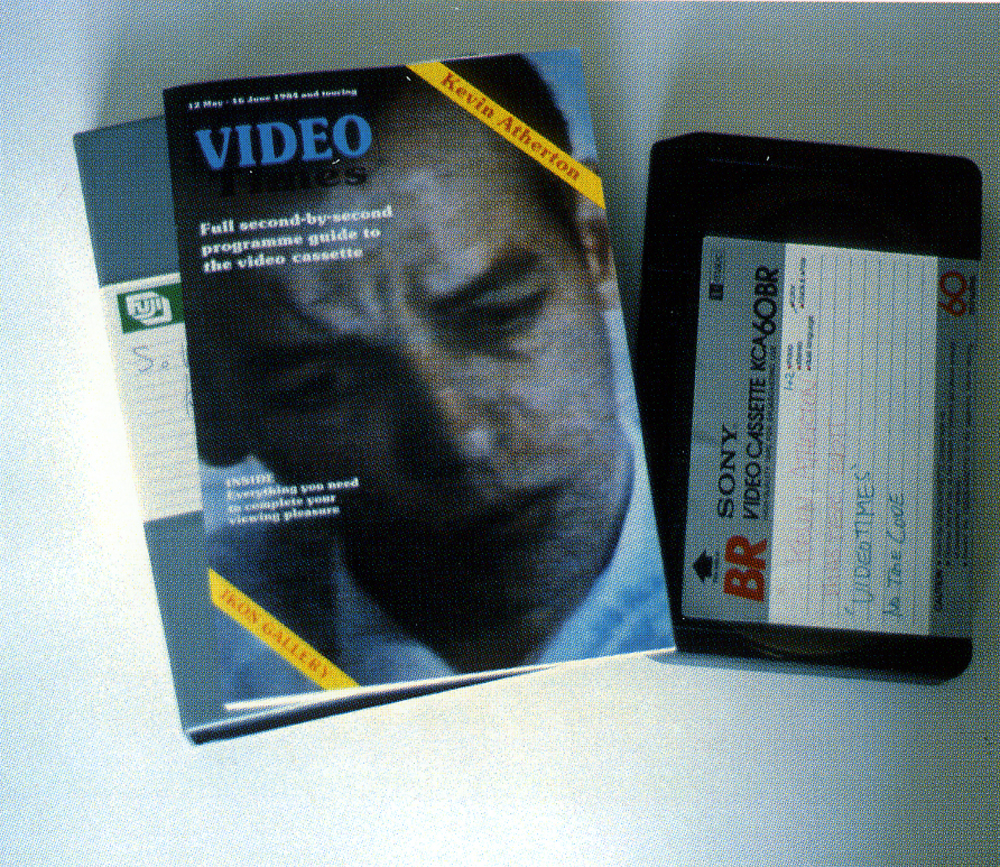
Conceived of as a dual publication, video cassette and booklet, to be presented as an installation. The content of the videotape is the artist watching television.
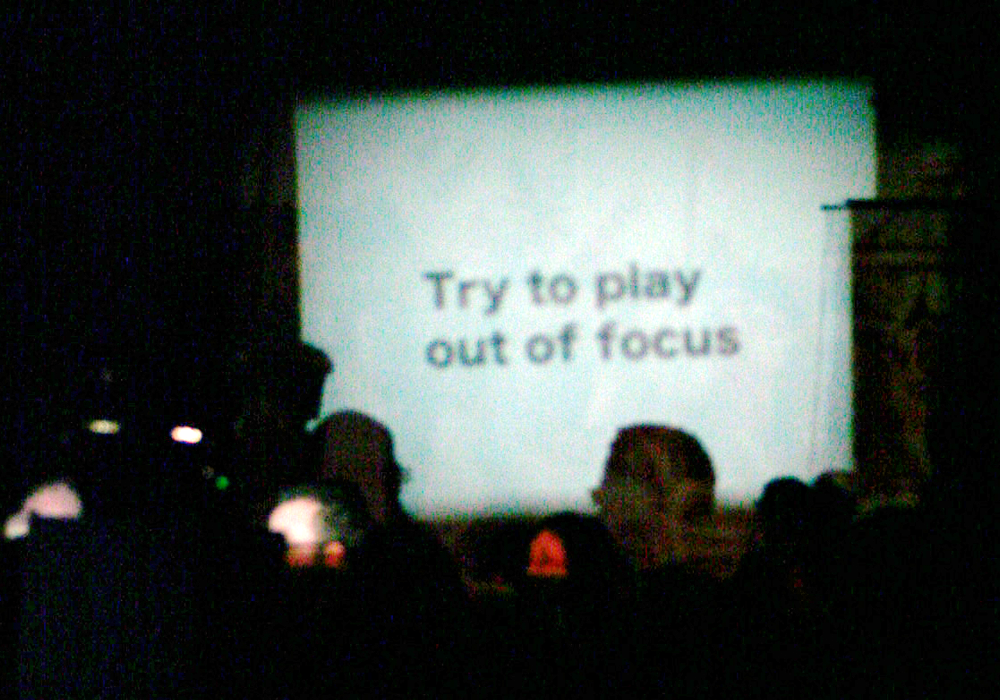
A performance for projectionist, musicians and audience, which plays with references to Oscar Levant and Gershwin: apparently a series of small doses of chaos.
For day five of Ultra-red’s project, the investigation will review the previous work undertaken together, and perhaps draw up a summary of reflections and pose some future questions.
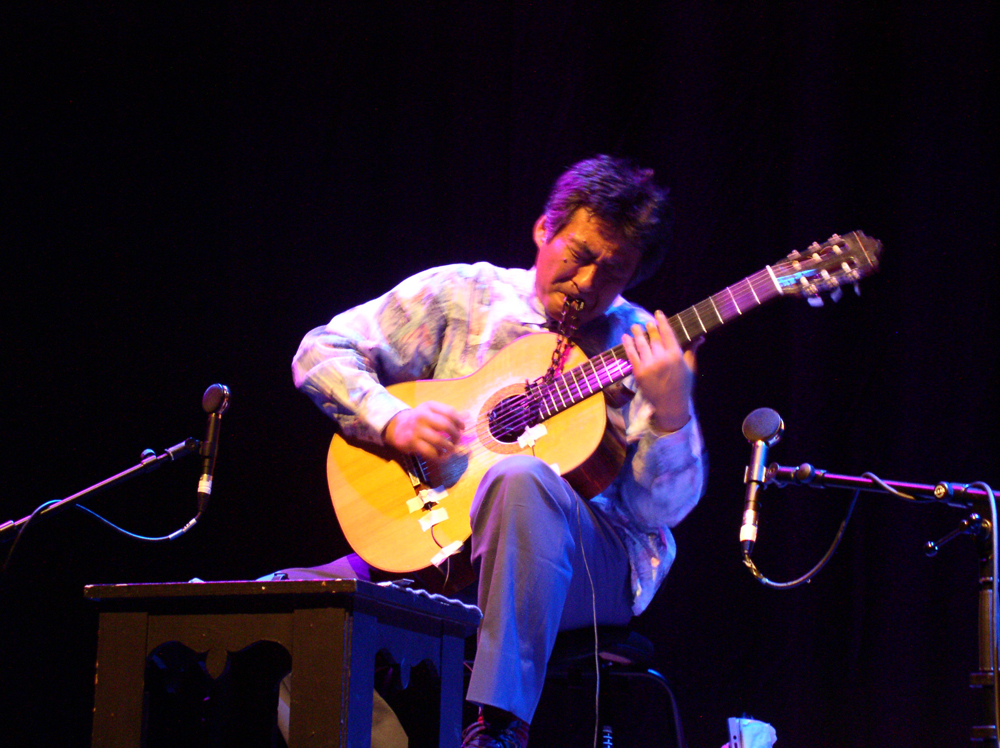
One of the most arresting and unique improvisers in Japan, creating an original and powerful body of free music.
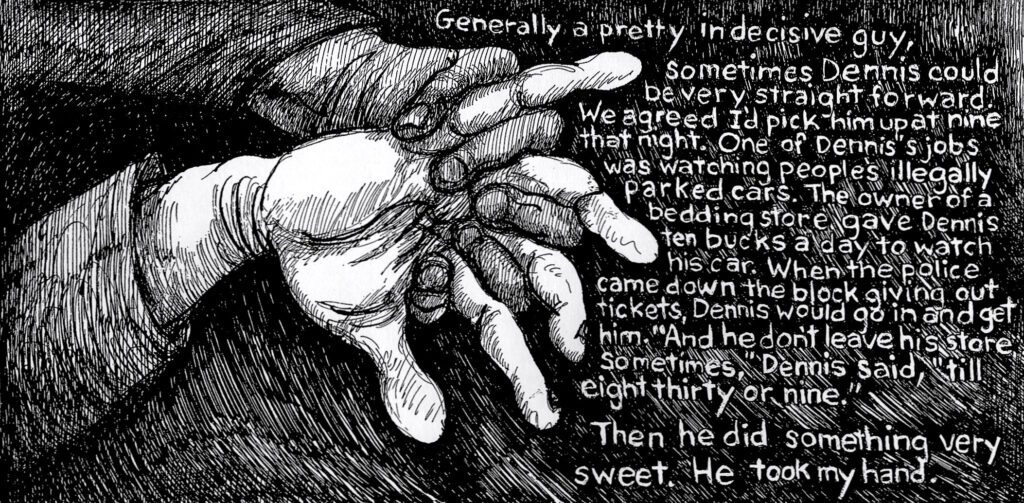
Chip’s written some of the greatest of all Sci-Fi and Fantasy—page turning character driven diamond-hard novels and short stories: each a lens that refracts our real-life struggles and desires.
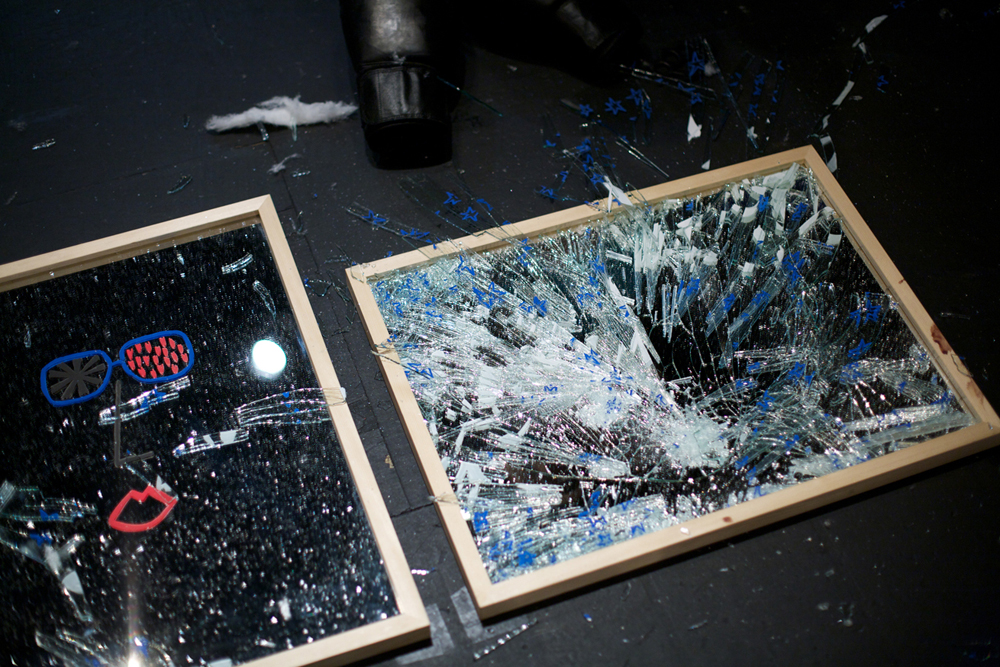
A performed reflection on Malin’s previous re-enacting of a super influential landmark of performance art from the French feminist and artist Gina Pane.
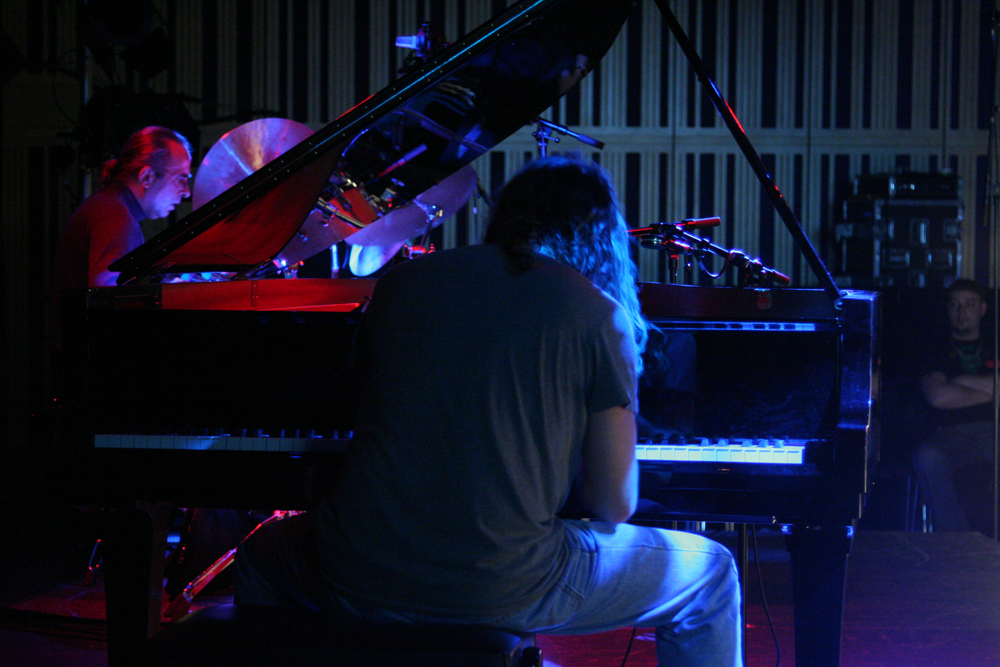
Free jazz pianist John Blum with an everywhere-at-once presence in duo with Jackson Krall, incendiary free jazz drummer and sound sculptor
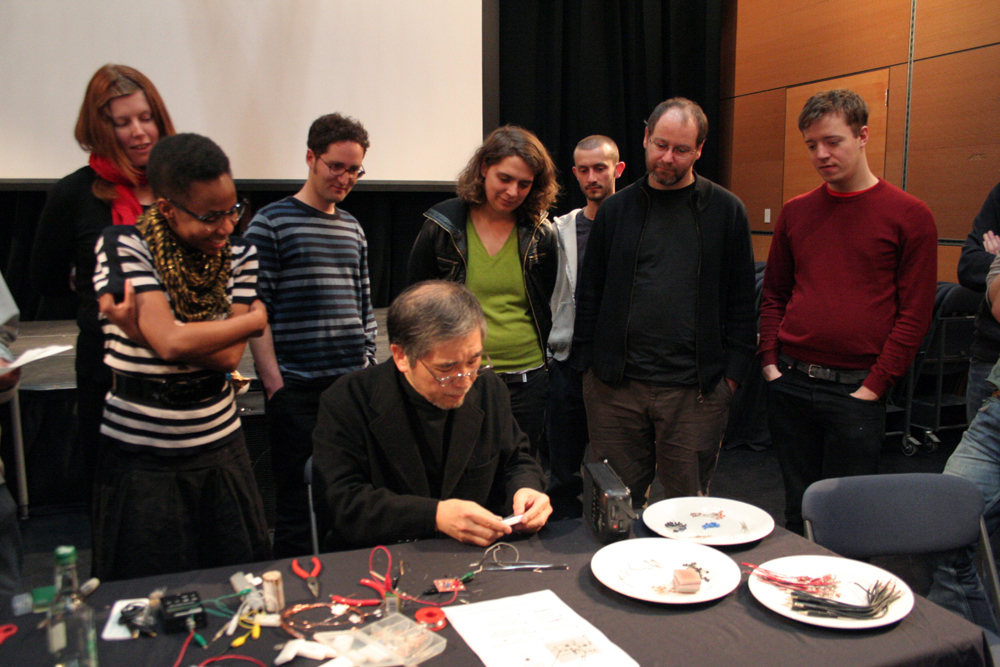
A simple hands on workshop with micro-radio theorist and pioneer Kogawa.
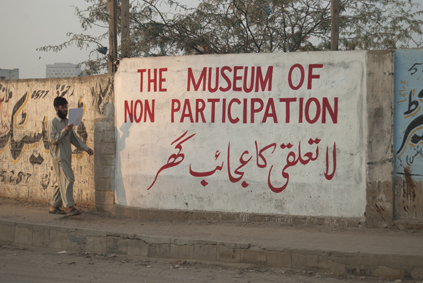
This performance brings together film, text and speech and temporarily constructs a filmic space to think through questions of resistance, and the choice and consequence of action vs. inaction: what does it mean to choose to not take part?

Imagine entering a library where readers can borrow human beings serving as open books. Then select a book stack that specialises in sex work.