


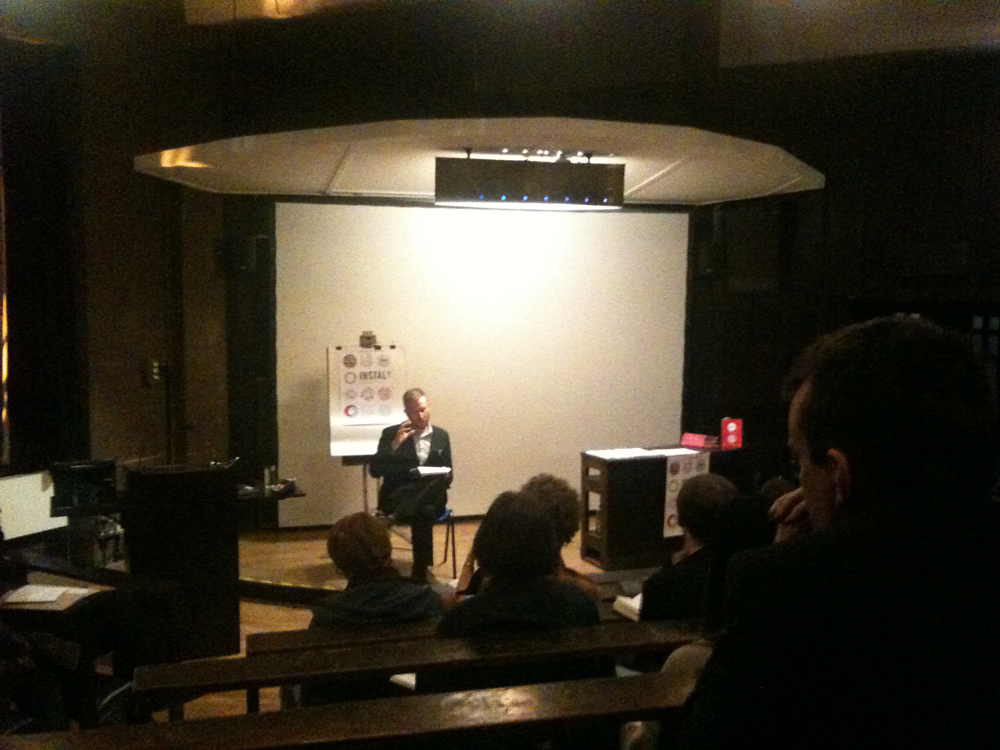
10 November 2010
Glasgow School of Art
Music is about more than just music
Arika
A kind of an informal overview of INSTAL.
INSTAL 10
Arika have been creating events since 2001. The Archive is space to share the documentation of our work, over 600 events from the past 20 years. Browse the archive by event, artists and collections, explore using theme pairs, or use the index for a comprehensive overview.
A kind of an informal overview of INSTAL.
To Rococo Rot member Robert Lippok performing for the first time in the UK with his solo project.
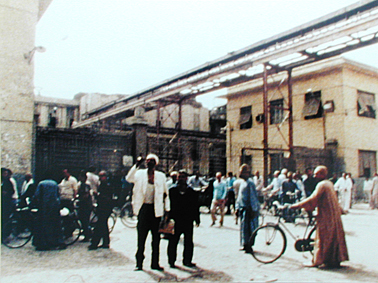
Opening with one of the most memorable shots ever filmed, and screened a year after the initial successes of the 2011 Egyptian revolution, Too Soon, Too Late is a search for the traces left on the landscape of past revolutions in France and Egypt.
Work for cello, percussion, contra bassoon and cherbulum commissioned for Instal in collaboration with Paragon
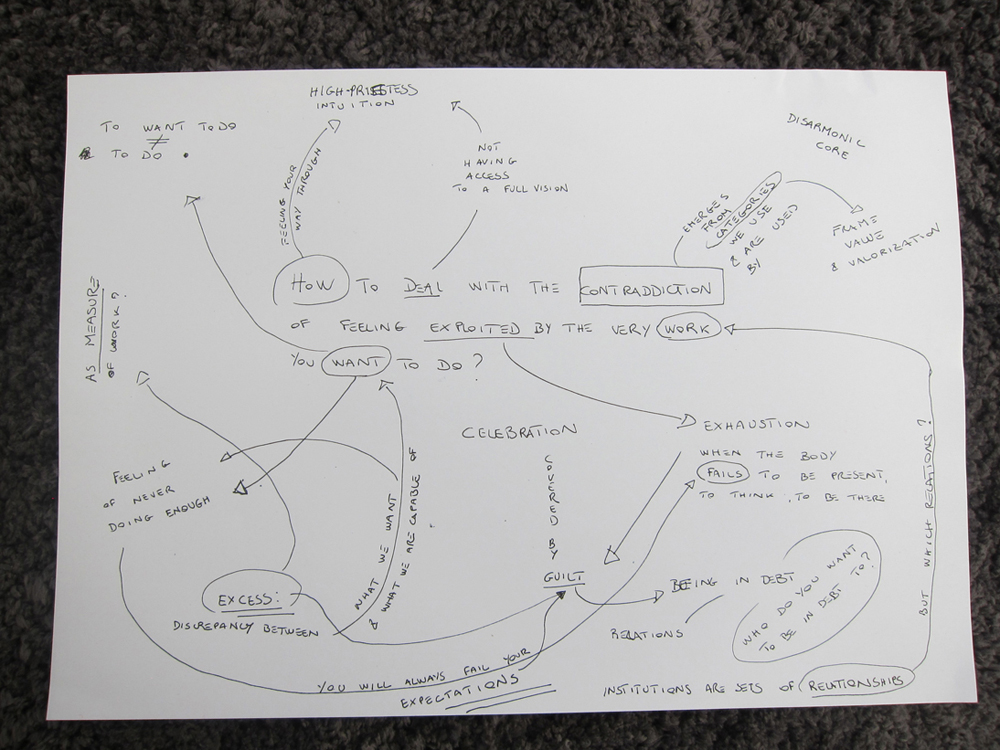
Four intimate 45 minute sessions, readings of your political questions – using Tarot, Palmistry, Reiki, Astrology, and Philosophy, and the invented methods of Fake and Political Therapy.
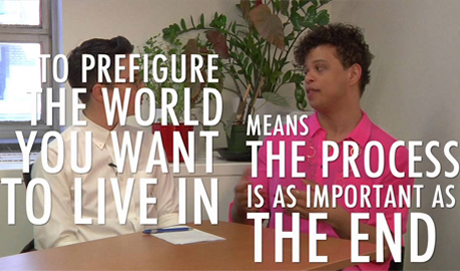
A crash-course in pre-figurative, radical, queer, anti-racist, anti-police, anti-prison, anti-deportation abolitionist politics and trans-resistance.
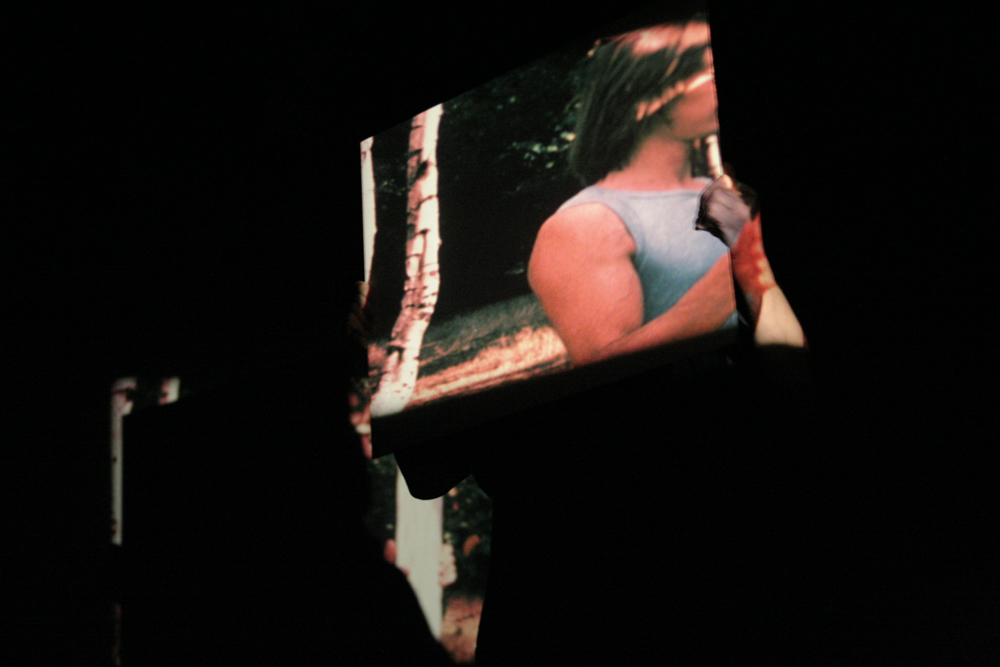
A film performance about Guy then, and Guy now, as a metaphor for the passing of time, which of course all film is inherently about.
A sound of buzzing and flickering metallic drones, glottal stops and guttural growls, and also an explosiveness and purity of sound that reminds you as much of Bill Dixon as anyone else.
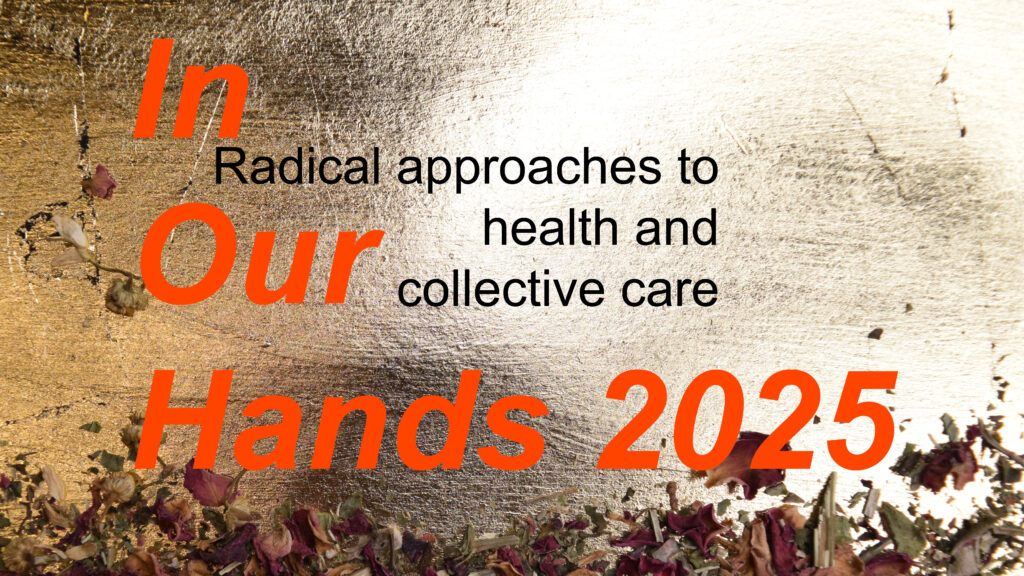
In Our Hands is a nine week programme of workshops exploring radical approaches to health and collective care in the movement for liberation and social justice.
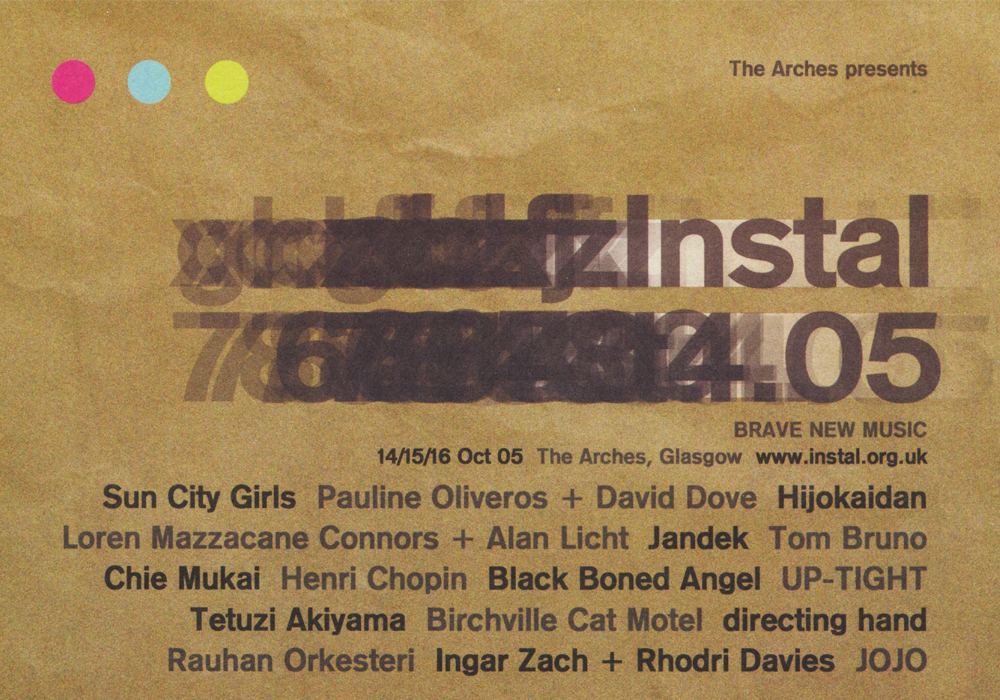
A cast of pioneering spirits over an expanded three day festival including Jandek (one year on from his first ever show at INSTAL 04), JO-JO, Tetuzi Akiyama,Tom Bruno, Pauline Oliveros, a legendary Hijokaiden performance and Henri Chopin.
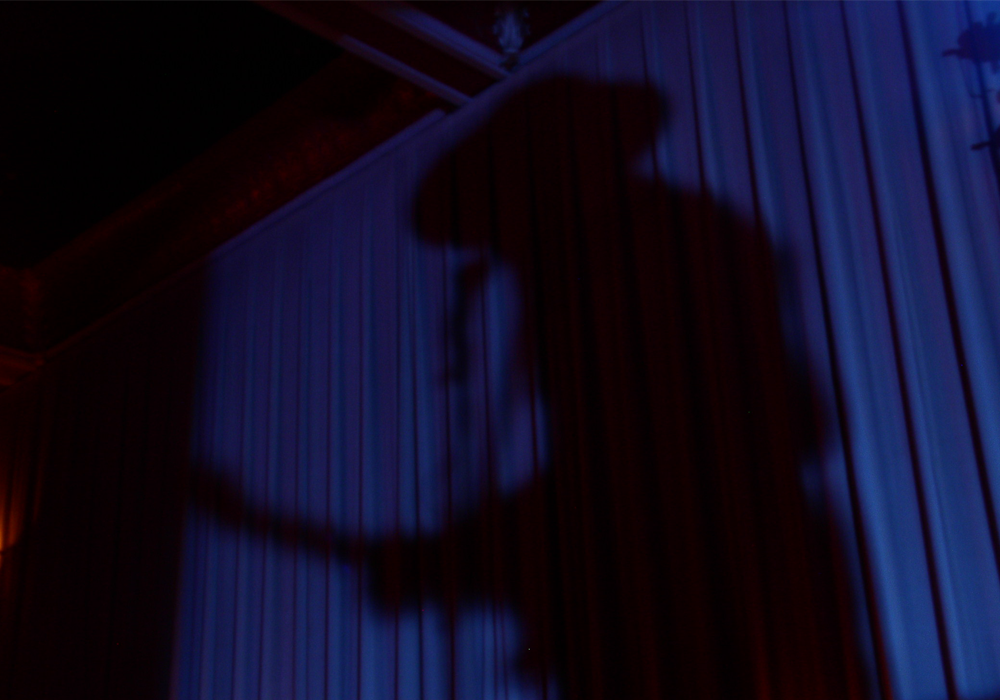
Jandek performing at the Scottish Rite Theatre in Austin, Texas with Juan Garcia, Nick Hennies and Chris Cogburn.
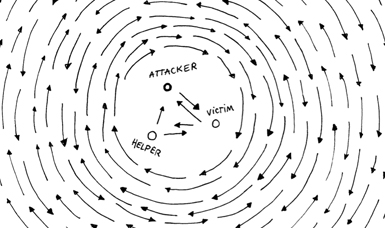
Final workshop exploring work, care and class. Does the ‘care industry’ summon forth its own class? Can this ‘affective class’, in their ability to care for others, militate against the carelessness of self-interest?