


28 August 2005
Scottish Rite Theatre
Austin 05
Jandek
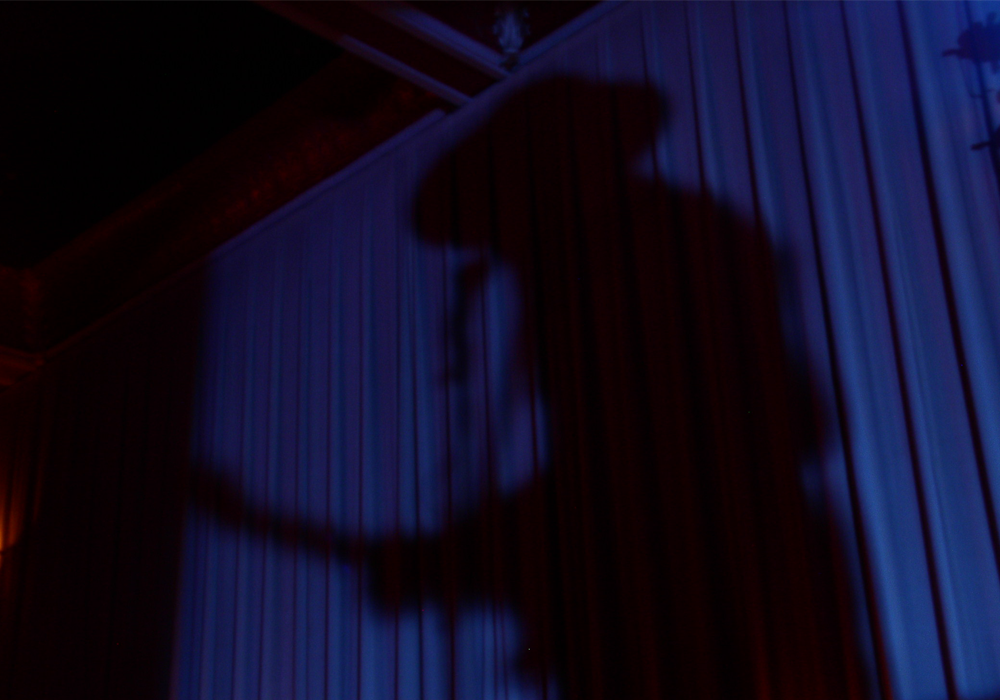
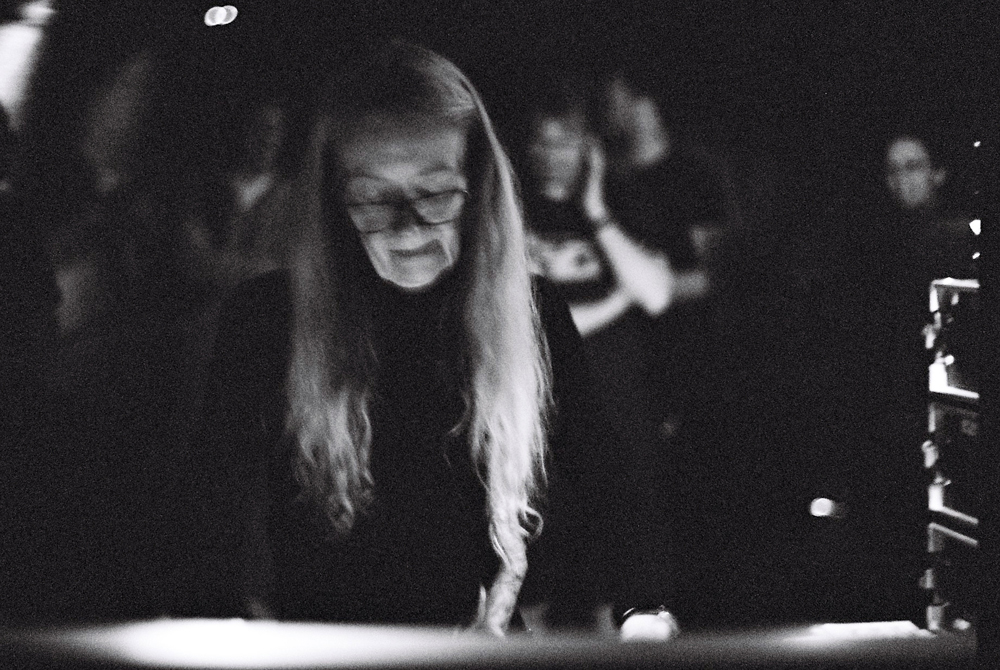
Jandek performing at the Scottish Rite Theatre in Austin, Texas with Juan Garcia, Nick Hennies and Chris Cogburn.
Arika have been creating events since 2001. The Archive is space to share the documentation of our work, over 600 events from the past 20 years. Browse the archive by event, artists and collections, explore using theme pairs, or use the index for a comprehensive overview.
Jandek performing at the Scottish Rite Theatre in Austin, Texas with Juan Garcia, Nick Hennies and Chris Cogburn.
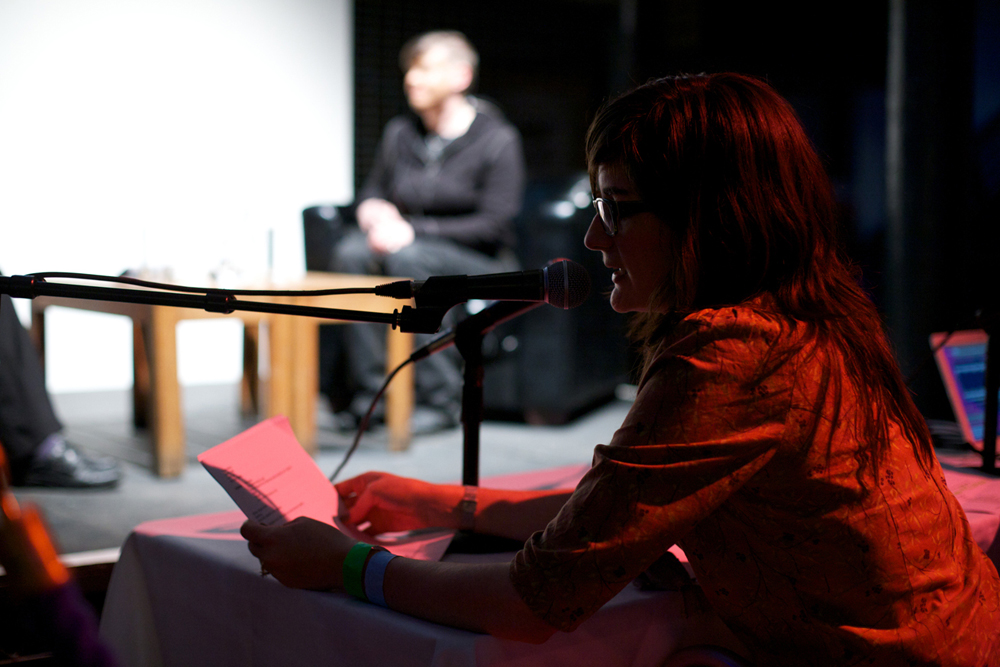
A series of reality dramas happening over the course of the weekend.

A workshop inviting participants to enact a series of scores that explore witnessing, testimony, grief and mourning, facilitated by Mezna and Sadia, and accompanied by Sakina Ali.

Includes: a £20 note, stock fluctuations, an examination of words in the video medium, a linguistic challenge for your mind, a frame by frame dissection 50 words, shop front poetry, image and language head to head and newspapers under the microscope.
West Coast drone-age guitar grumbler/ consumer electronic reclaimer meets free-thinking clang/ chime/ drone bluesman of The East.
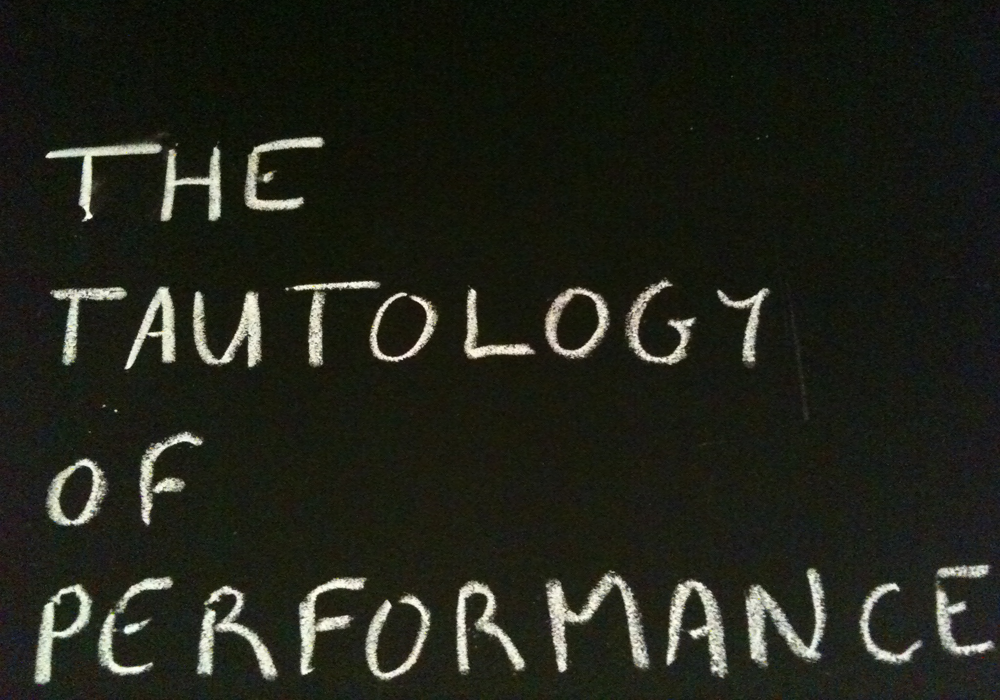
A simple, gracefully bold set-up to allow Loïc to trace connections: of comments upon comments upon comments, of sounds next to sounds next to sounds.
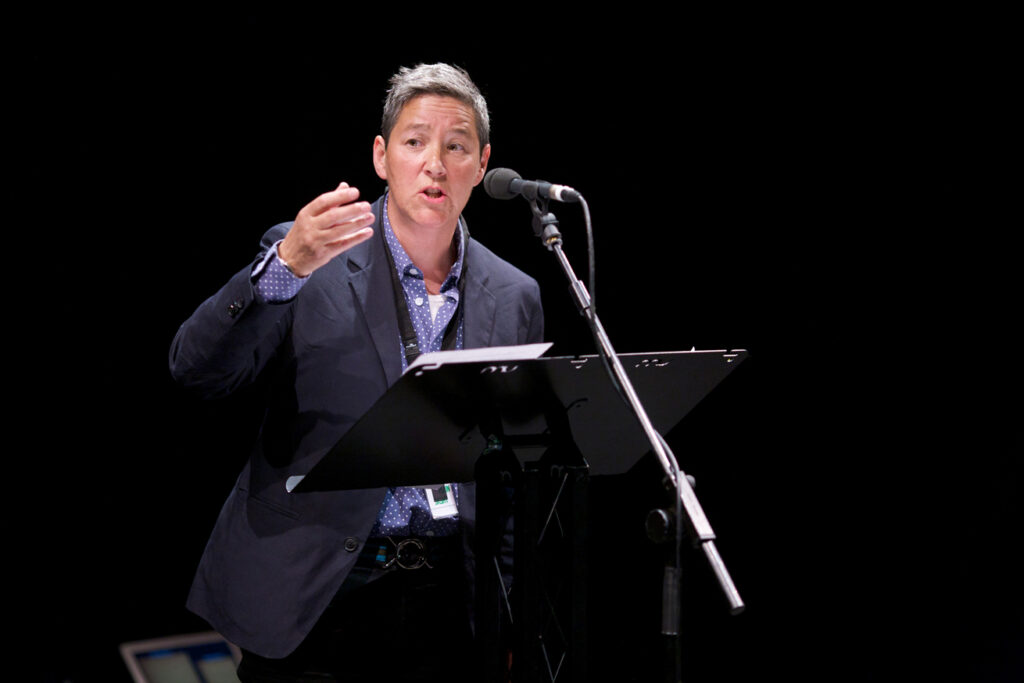
Can we find ideas of queer anarchism, failure and low theory in popular culture?
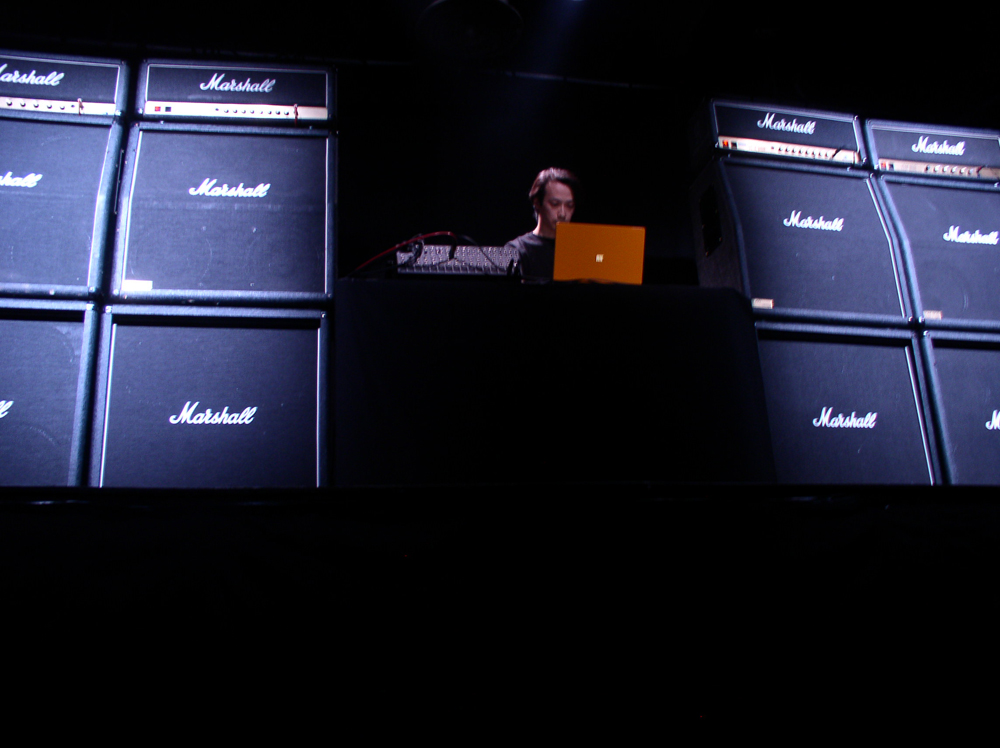
CCI Sound system: a performance in which new material will be mixed and phased between two huge PA’s, one a precise Meyer system, the other a huge wall of Marshall amps
Dave will lead a session created for teenagers and designed to stimulate a supportive environment for artistic exploration through music improvisation.
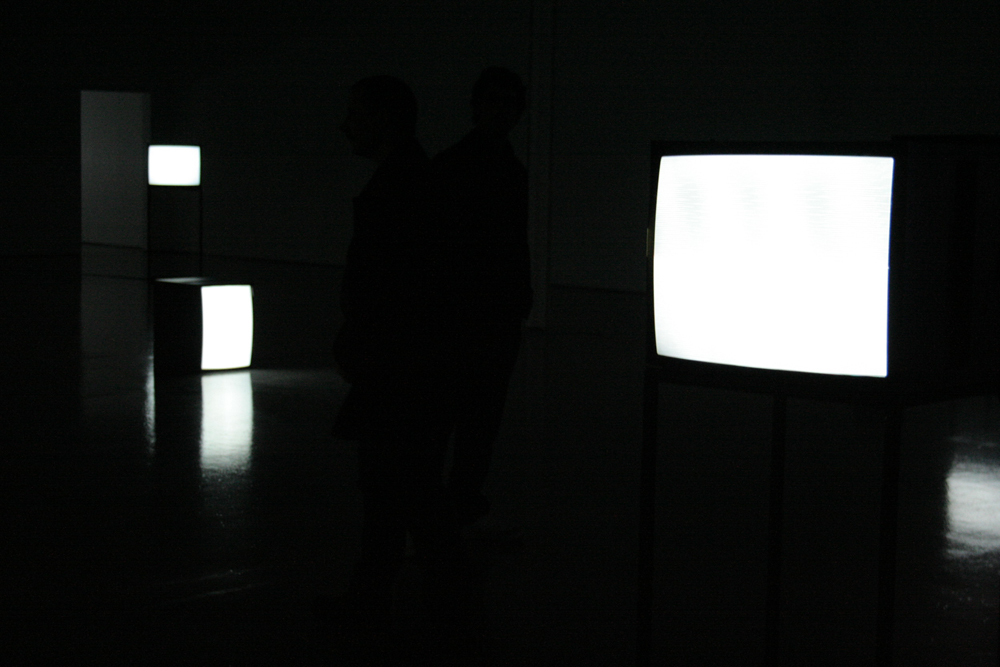
The reknowned artist Kjell Bjørgeengen works collaboratively with innovative musicians to make complex installations. Channels of flickering light are produced in response to and from sound.
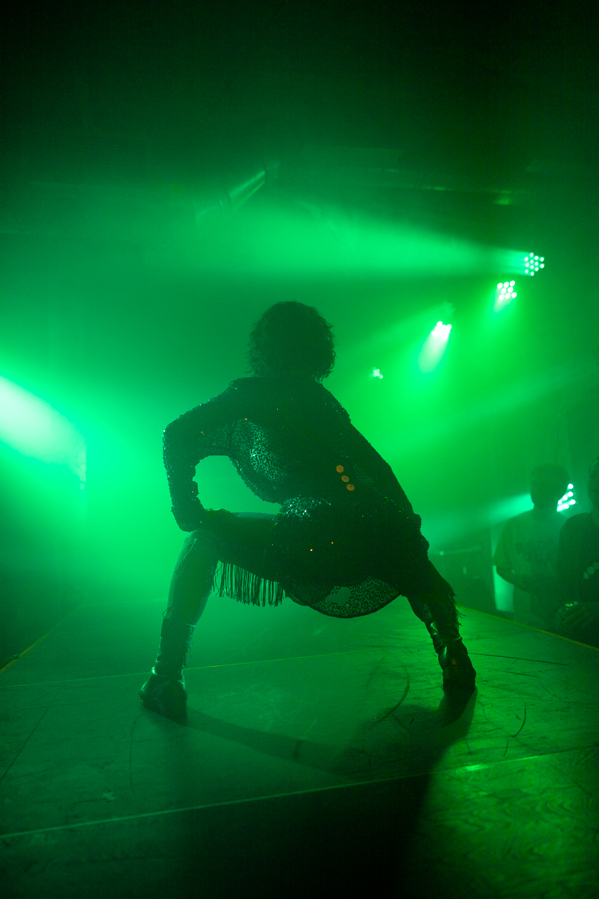
Is it possible to dance our way out of the hardened stances and identity prisons we are locked in?
A rare live performance which, although not a full installation, made use of the unique acoustic and spatial properties of the Arches to rattle the audience and help it locate its third ear.