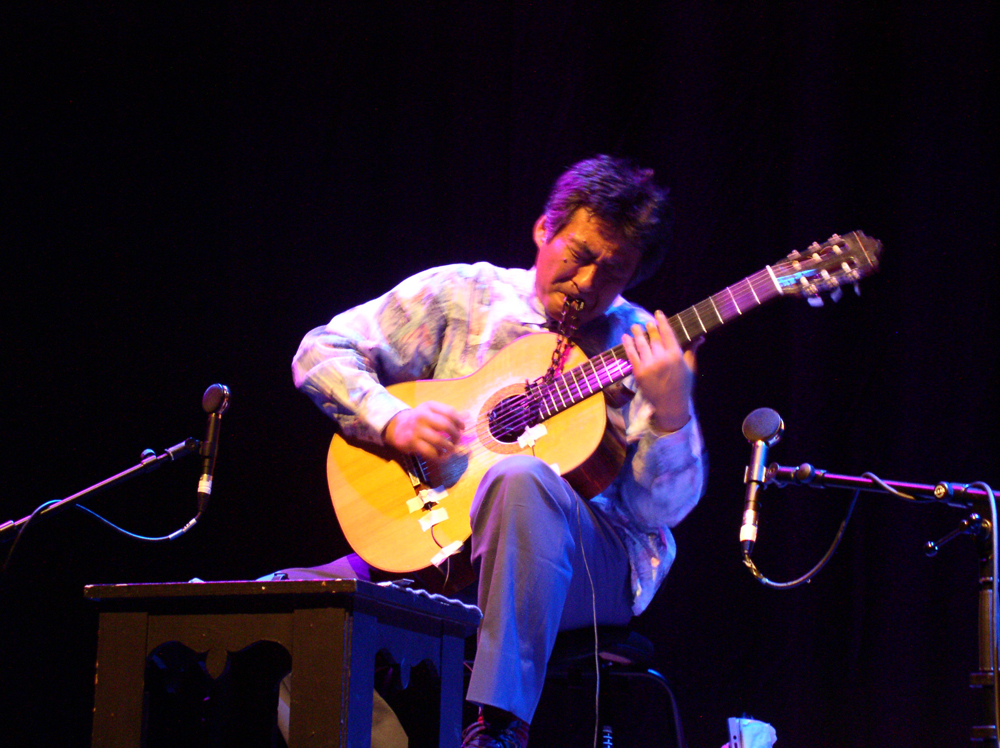
Kazuo Imai
Kazuo Imai
One of the most arresting and unique improvisers in Japan, creating an original and powerful body of free music.
Arika have been creating events since 2001. The Archive is space to share the documentation of our work, over 600 events from the past 20 years. Browse the archive by event, artists and collections, explore using theme pairs, or use the index for a comprehensive overview.
One of the most arresting and unique improvisers in Japan, creating an original and powerful body of free music.
(Cyber)feminist, non-essentialist transgender and queer daily radio shows using the formula of morning radio as an arch way of thinking about the scripted behaviour and controlled empathy of systematic care.
Summer Solstice hang out IRL and URL on 21 June
A bodiless treatise on narration, bored speakers, audience misbehaviour and police megaphones, but: is anybody listening?
What happens when you are engaged in a deep and extended artistic practice that intersects between literature and music, notation and improvisation, sight and sound?
Dworkin asks: What would a non-expressive poetry look like? A poetry of intellect rather than emotion?
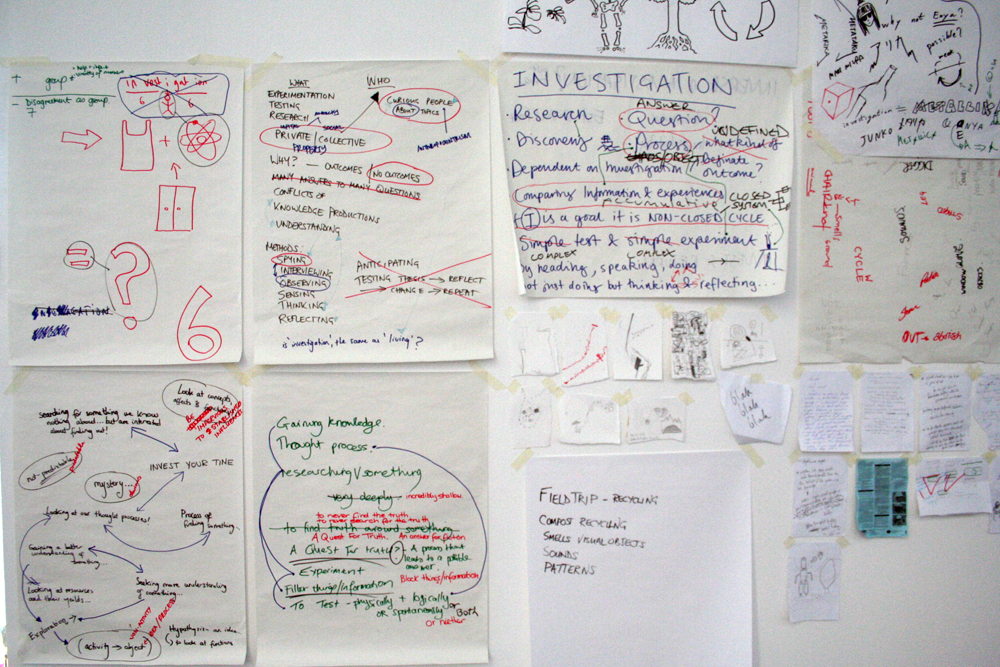
Summing up of the investigations with a reflection on what has been done that week and what could be done the next.
In true reality television style, this in-depth artist talk will tackle all the hardest-hitting questions and juiciest details about care, creative collaboration, and disability justice.
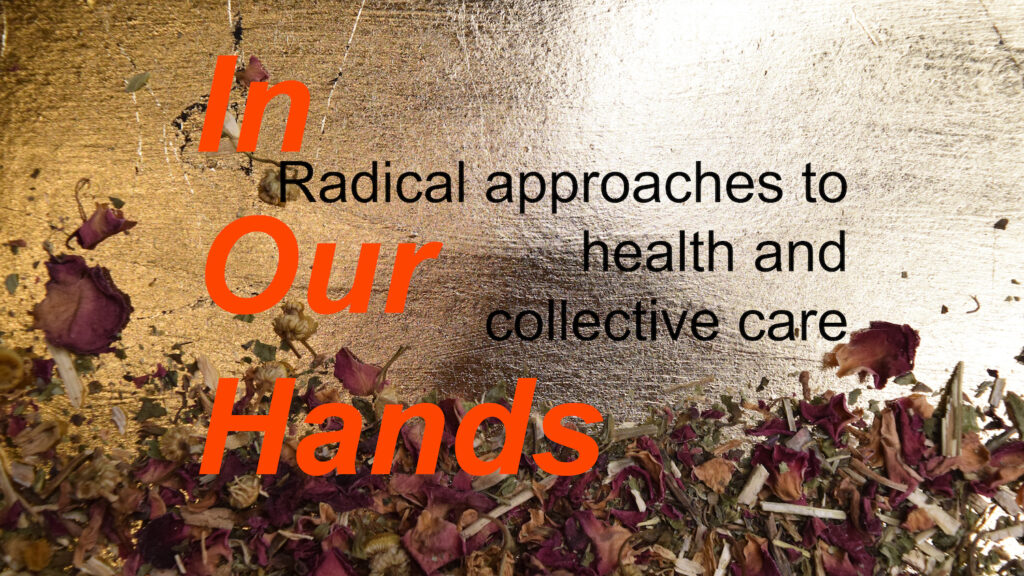
In Our Hands is a ten week programme of workshops facilitated by Lisa Fannen, Omikemi and Clay. The sessions explore radical approaches to health and collective care in the context of movement for liberation and social justice.
The mutability of the body and the mobility of identity: queered pop culture, drag, lip-sync and performance.
Final workshop exploring work, care and class. Does the ‘care industry’ summon forth its own class? Can this ‘affective class’, in their ability to care for others, militate against the carelessness of self-interest?
One of the most compelling Indigenous voices of her generation discusses practices of Indigenous Resurgence drawn from Nishnaabeg poetic knowledge.