Film Programme 3: Collective Actions
Various Artists
Individual experience separated by physical boundaries (of space, time or ability) suggested as communities of collective experience by (perhaps voyeuristic) artists.
Arika have been creating events since 2001. The Archive is space to share the documentation of our work, over 600 events from the past 20 years. Browse the archive by event, artists and collections, explore using theme pairs, or use the index for a comprehensive overview.
Individual experience separated by physical boundaries (of space, time or ability) suggested as communities of collective experience by (perhaps voyeuristic) artists.
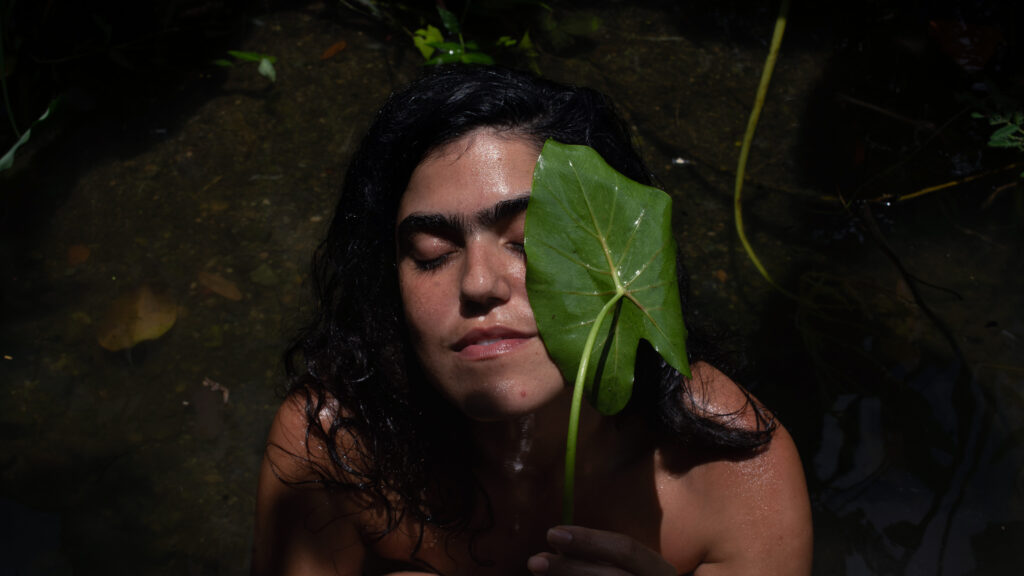
A film as a translation of Monique Wittig’s landmark feminist novel Les Guérillères, in which a plural protagonist of militant feminists inhabit a fantastical, enigmatic and hallucinatory miasmatic space-time of post Hurricane Maria Puerto Rico.
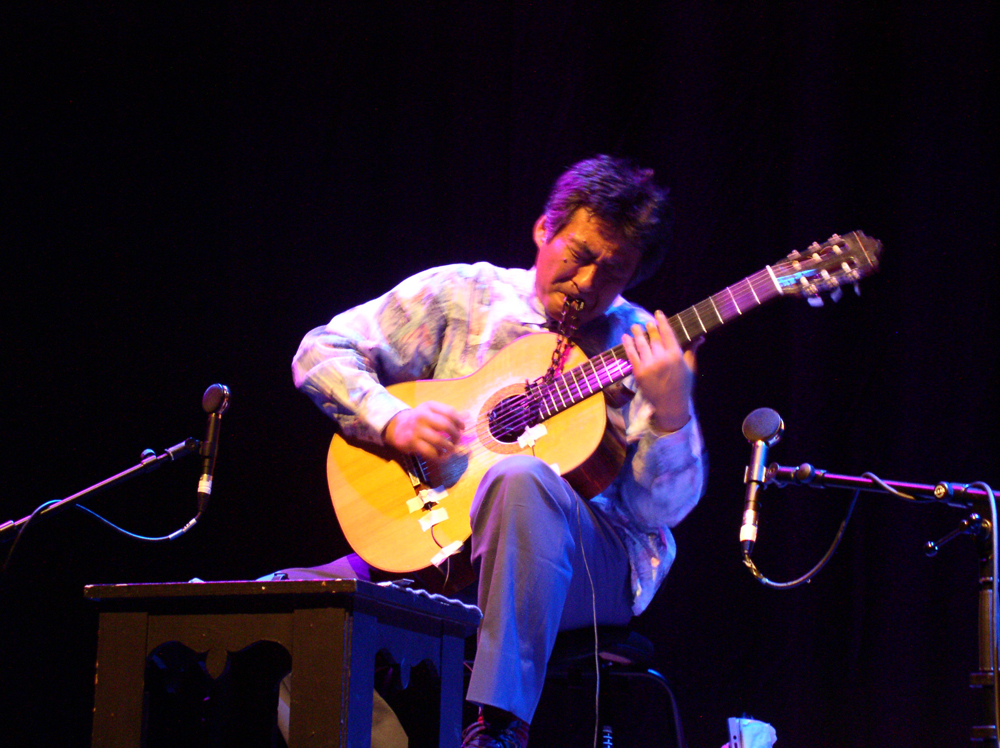
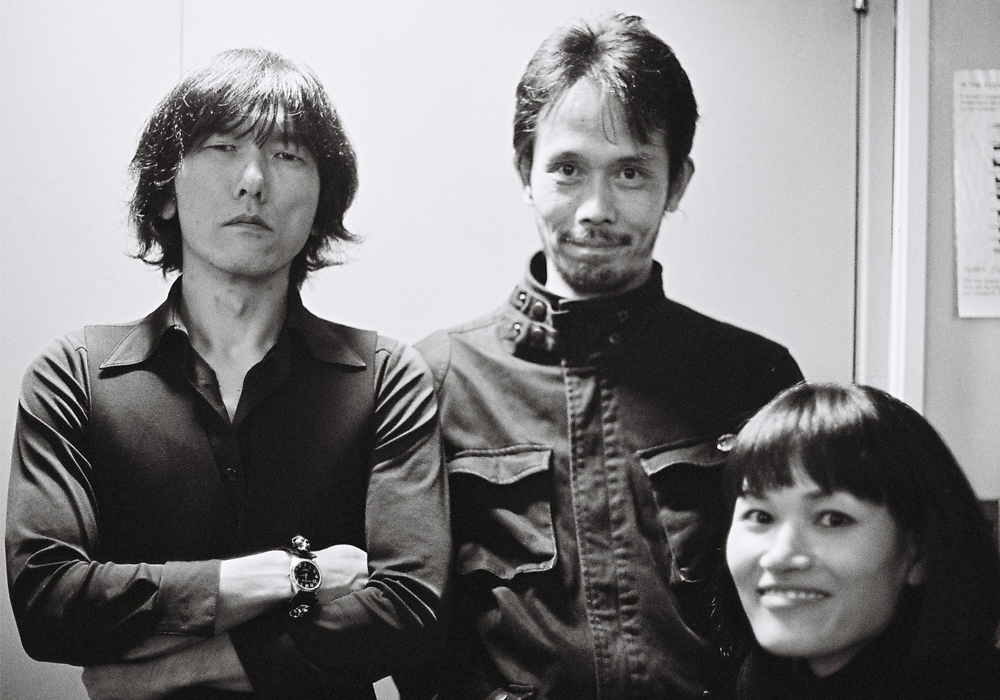
One of the most arresting and unique improvisers in Japan, creating an original and powerful body of free music.
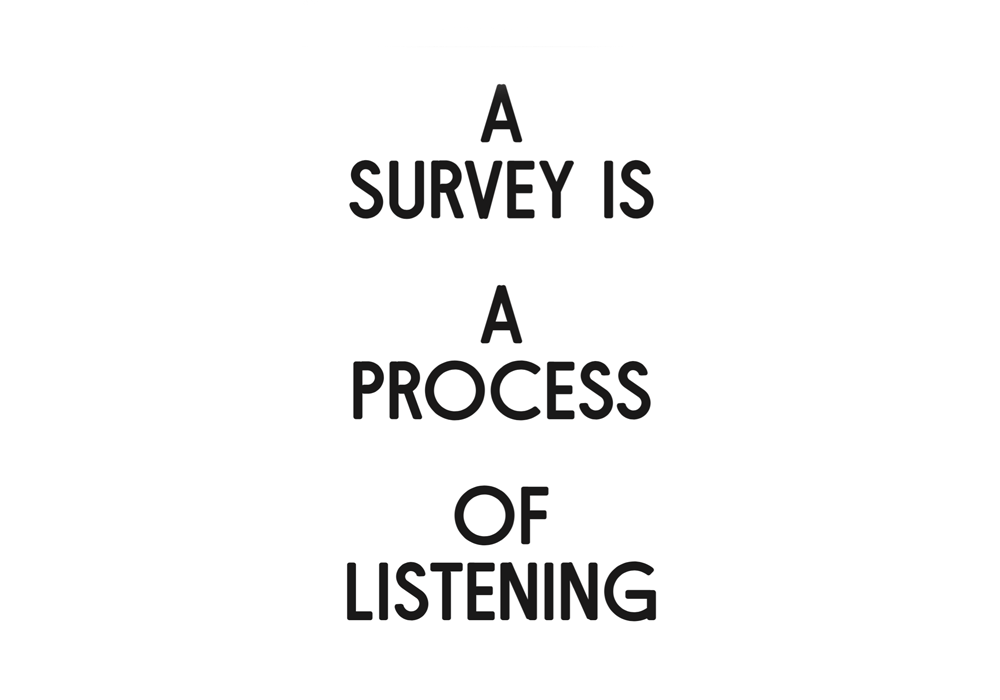
A performative survey of listening, as we managed to find it being used as a tool in different practices, disciplines and communities in North America (music, poetry, film, philosophy, activism…).
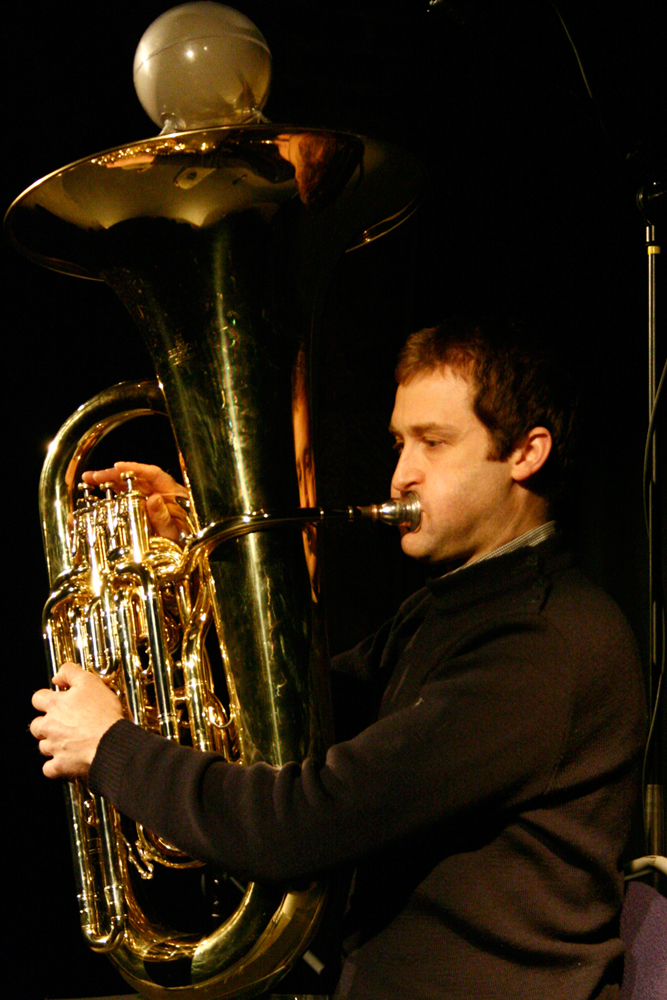
Robin Hayward – exploring the micro-sounds of a tuba, filling slowly with sand.
Using violin and cello the duo map out a twilight sonic world that seems to tread the faultlines between improvisation and composition.
Akio Suzuki and John Butcher performing in an old underground reservoir in Fife.
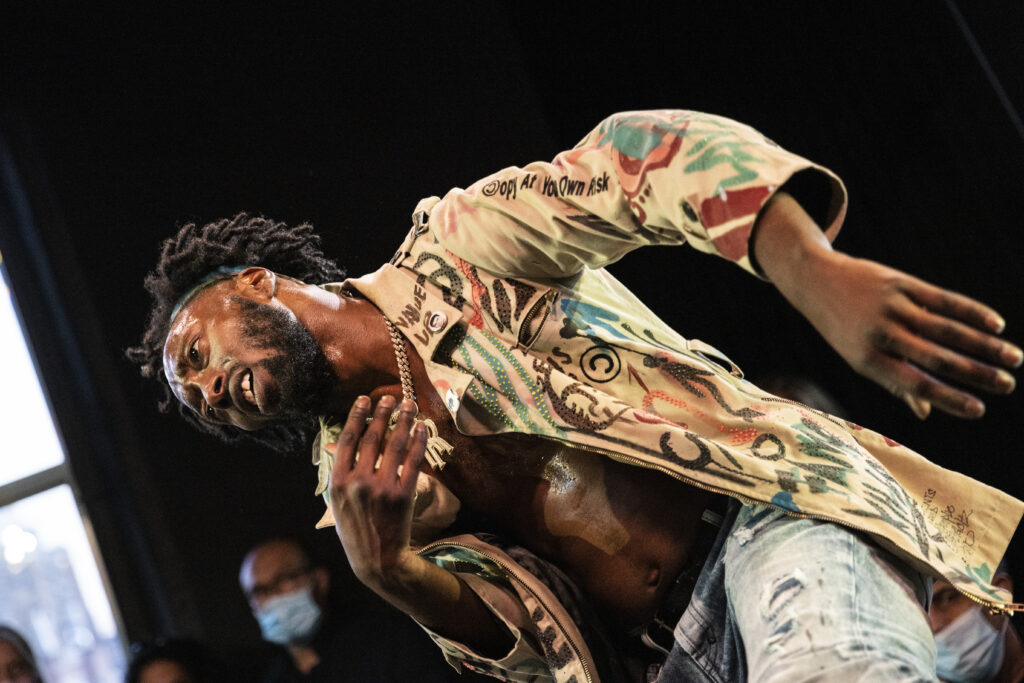
Live in person at Performance Space New York and live-streamed everywhere! Watching Storyboard P dance feels like glimpsing into another world.
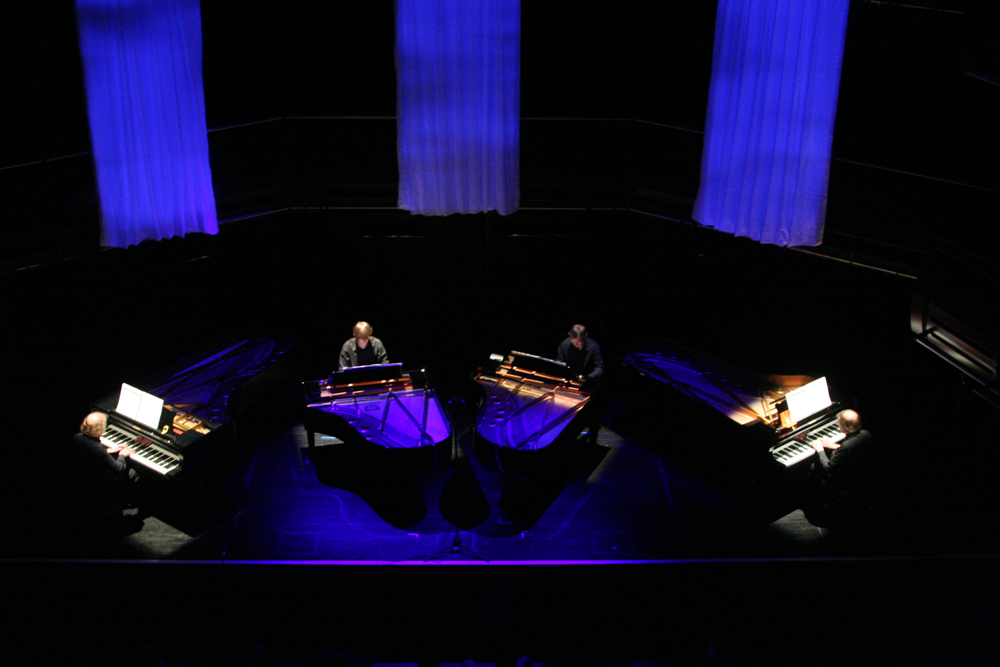
Julius Eastman’s Evil Nigger for 4 pianos performed by Joe Kubera, Kate Thompson, David Murray, Alan Fearon and Simon Passmore.
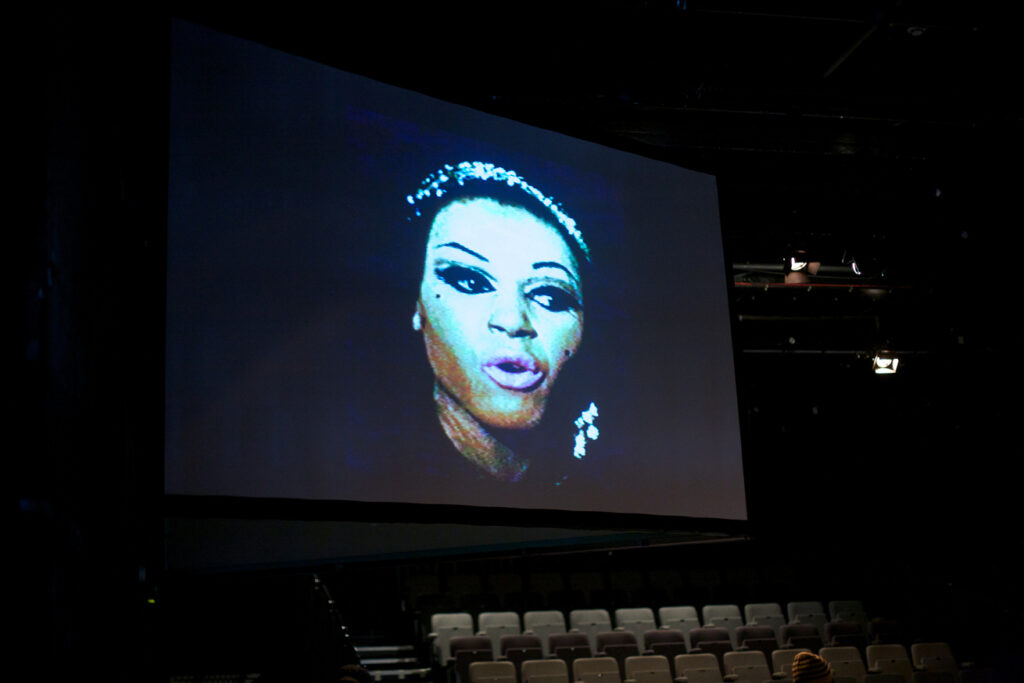
A historical narrative of the black and Latino/a transgender, bisexual, lesbian, and gay House and Ballroom Scene in relation to race, gender, sexuality and class oppressions.
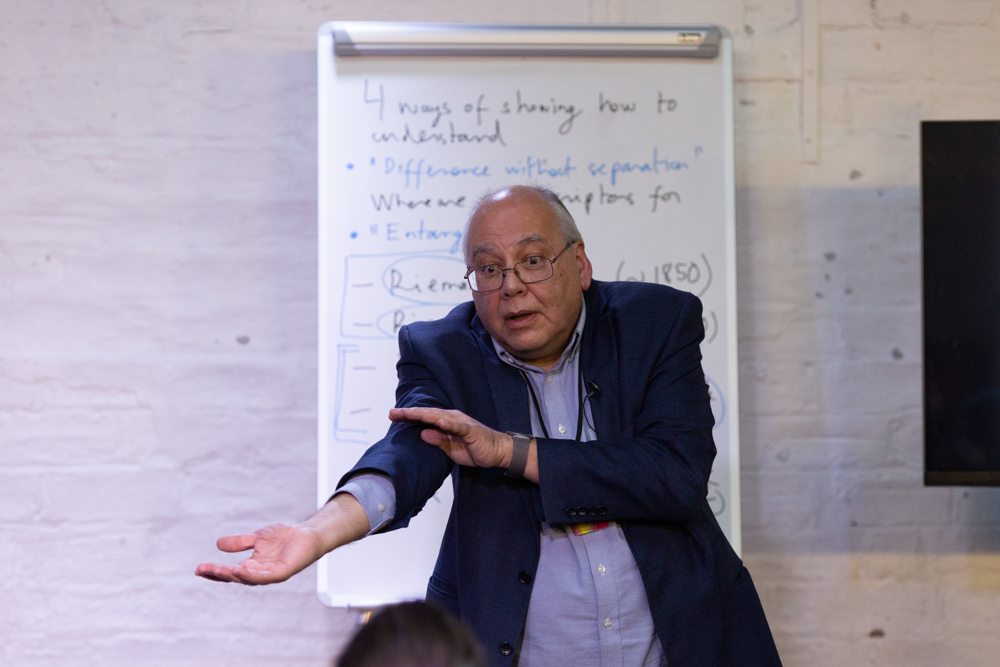
Fernando thinks that when maths is deep, it should be simple and able to be explained by hand gestures. By embodying ideas, we’re able to more clearly think about their cultural implications.
How do you know what you want? Should freedom be doing what you ought, not doing what you want? How might a philosopher and artist turn this thinking into an enabling condition in the context of noise and improvisation?