It’s Sorta Like a Big Hug
Constantina Zavitsanos Park McArthur
How can we imagine bodies not as an end in themselves, but as a medium through which we can become one another’s means?
Arika have been creating events since 2001. The Archive is space to share the documentation of our work, over 600 events from the past 20 years. Browse the archive by event, artists and collections, explore using theme pairs, or use the index for a comprehensive overview.
How can we imagine bodies not as an end in themselves, but as a medium through which we can become one another’s means?
A collaborative duo performance, Anoyonodekigoto sets up a sort of negotiation between a musician, a dancer, the audience and the space we’re all sharing.
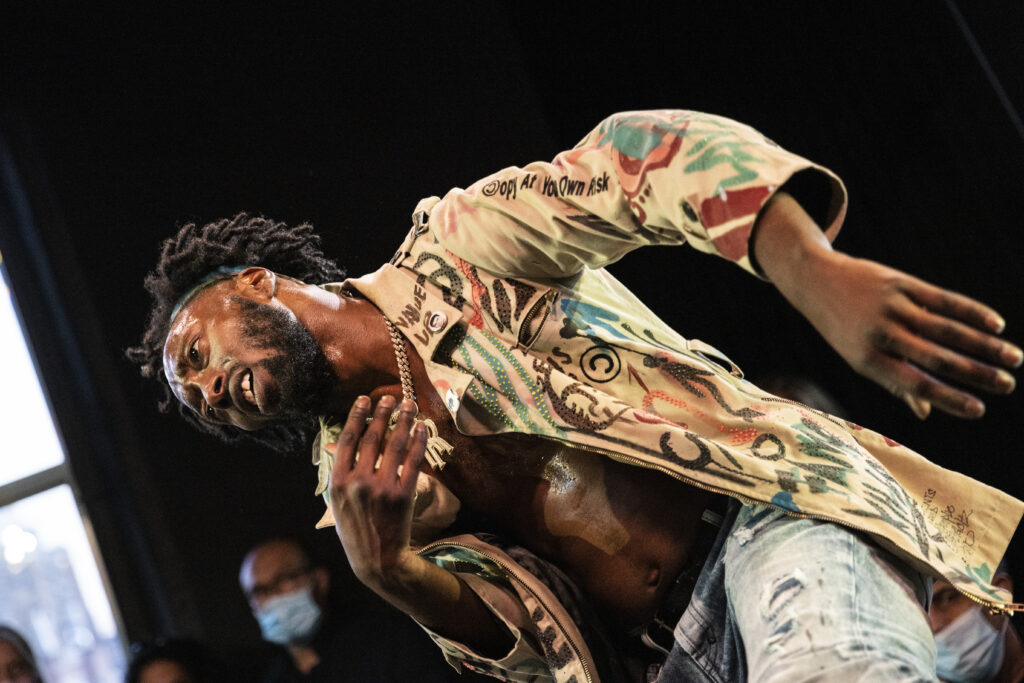
How do we gesture to the invisible, the trans or the obscure? A performative conversation between boychild and Fernando, a sharing of gestures, and a bodily back and forth between mathematician and dance artist.
Low-end drone guitarage army since 1997: nobody has done more on this occasion by a gaggle of sludge-lovers from the Scottish underground.
Jarringly beautiful and often maniacal expression of hallucinatory and very personal visions.
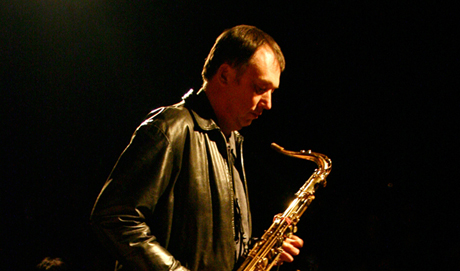
John Butcher plays and manipulates a feeding back saxophone. Benedict Drew on electronics, broken cables and standing waves.
Free jazz pianist John Blum with an everywhere-at-once presence in duo with Jackson Krall, incendiary free jazz drummer and sound sculptor
The mutability of the body and the mobility of identity: queered pop culture, drag, lip-sync and performance.
A festival asking how ideas of nihilism, darkness, subjectivity and abjection play out in experimental music, performance art, horror, neuroscience and philosophy?
TEST is a collective creative improvising quartet based out of the NYC Underground (figuratively and literally). Their street-hardened, spatial Jazz is riotous and intense: is also makes us think about collective organization, and different ideas of responsibility and liberty.
A slowed down single tracking shot along a corridor as workers at the Bath Iron Works, (Maine, USA) take their lunch break.
Dworkin asks: What would a non-expressive poetry look like? A poetry of intellect rather than emotion?