Literary Reflections of Ballroom
Various Artists
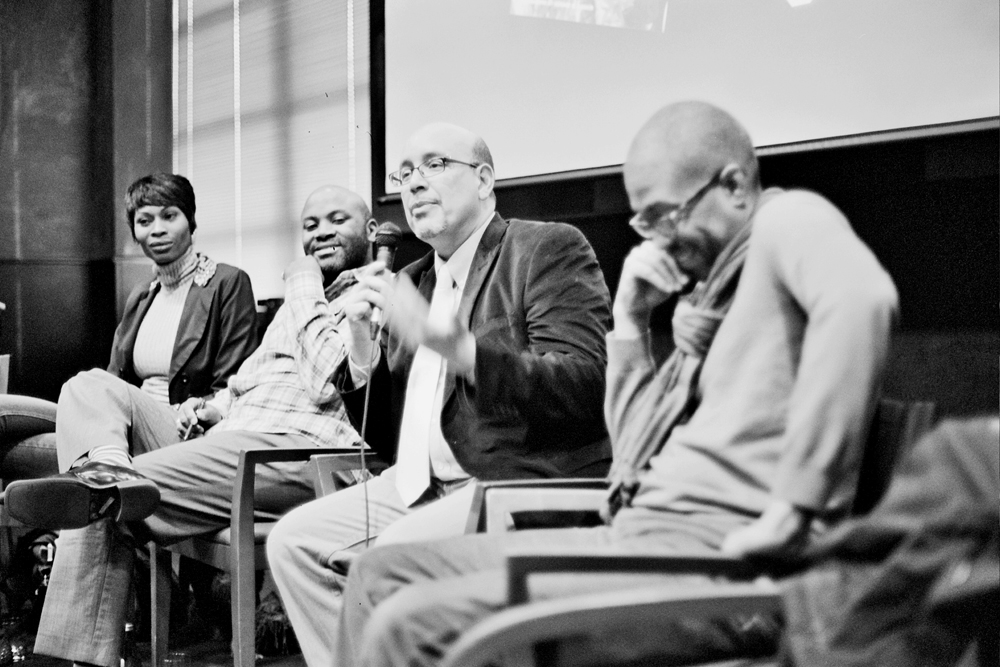
A celebration of the release of four books written by members of, and focused on about the House and Ballroom scene.
Arika have been creating events since 2001. The Archive is space to share the documentation of our work, over 600 events from the past 20 years. Browse the archive by event, artists and collections, explore using theme pairs, or use the index for a comprehensive overview.
A celebration of the release of four books written by members of, and focused on about the House and Ballroom scene.
Are artists powerless in the face of technology? These often whimsical and amusing films are minimal technological interventions and appropriations but maybe also rigorous takes on the role of popular media and culture in our hyper-technological world.
How do people both inside and outside of prison work together to dismantle the criminal justice system and build a society based on collective care?
Acting at the minimum. Each film here substitutes one small thing for another, (ironically) transforming received meanings by the simplest of actions; often kind of funny too.
For this one off performance Vibracathedral Orchestra are joined by Matthew Bower and John Godbert from mighty UK heavy/drone/psych free-noise behemoths Skullfower, Sunroof! and Total.
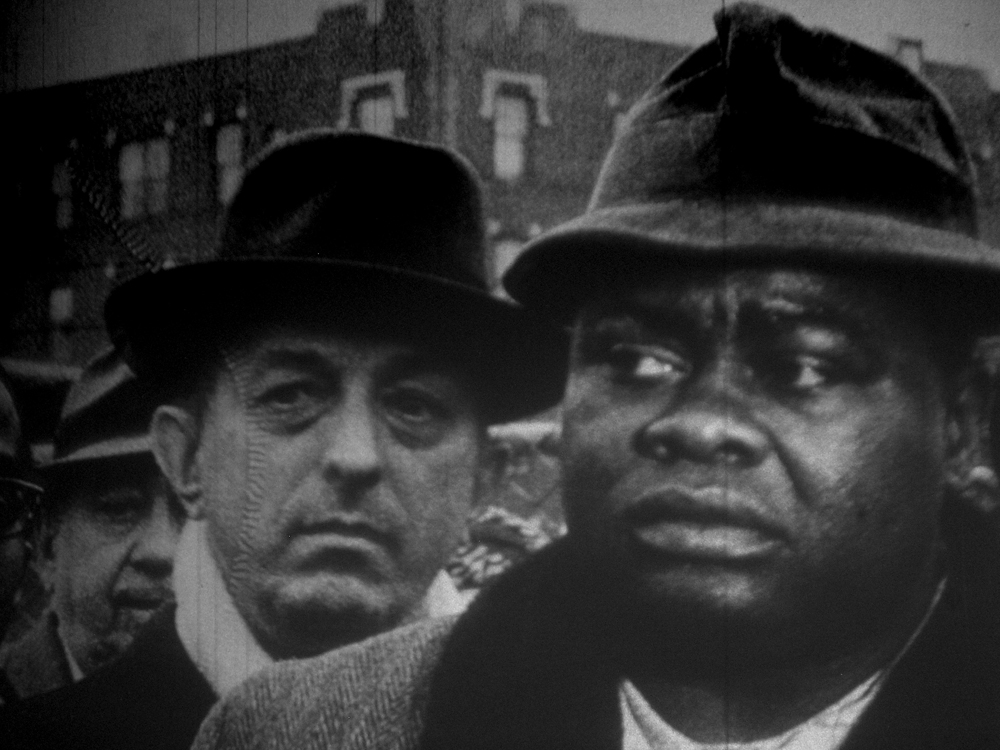
A double bill of A (imageless) film of nothing but a sound recording and its transcription and a found film of news interviews about Malcolm X’s assasination, where the filmmaker decided to add nothing to it, except our attention.
A beautifully crisp, slowly evolving duo for cello and projected images. Abstract but still figurative; change only noticeable after the fact.
Can we use sound, repetition and difference to personally and collectively engage with space, time and labour?
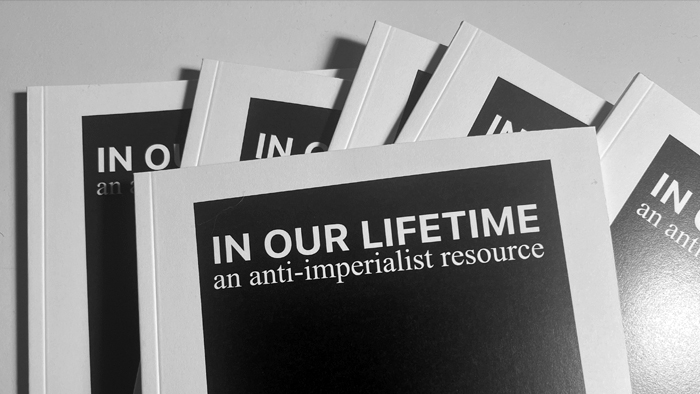
IN OUR LIFETIME, is an anti-imperialist resource, edited by Hussein Mitha, produced by Arika for Episode 11, featuring poetry, essays, questions, prompts, letters and works of anti-colonial imaginary.
A panel exploring how to dismantle the master’s house — its material edifices and ideological architecture — and the construction of abolitionist futures in the present.
When we look, how do we objectify the body; how can we reflect on our (self) image as a construction?
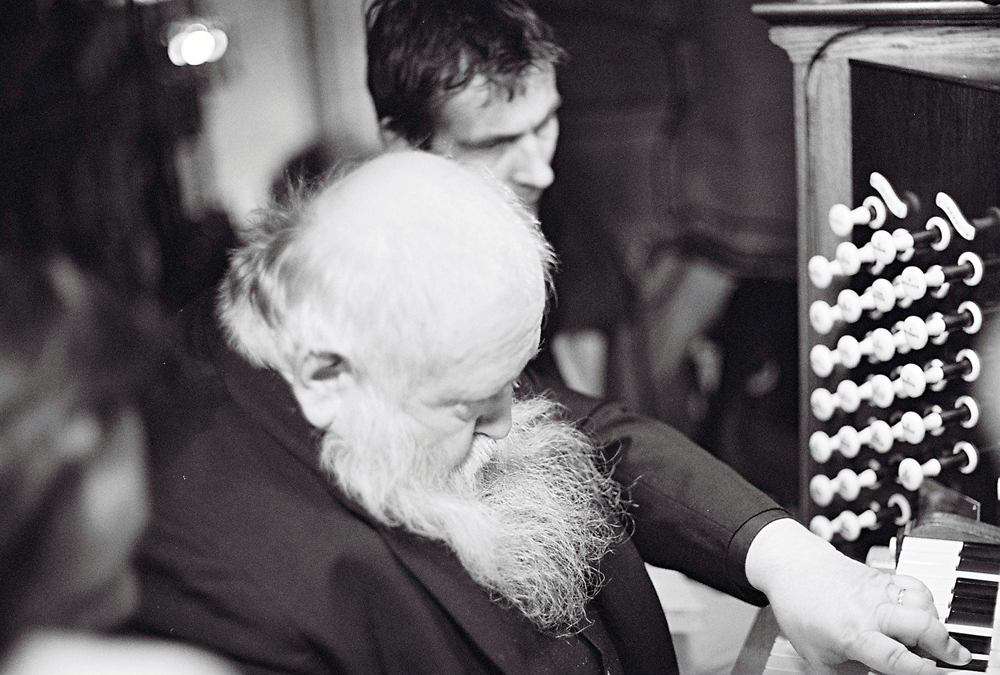
A specially commissioned performance for organ. “The course of the stars were to be put to sound.”