Paragon Ensemble / David Fennessy
Paragon Ensemble
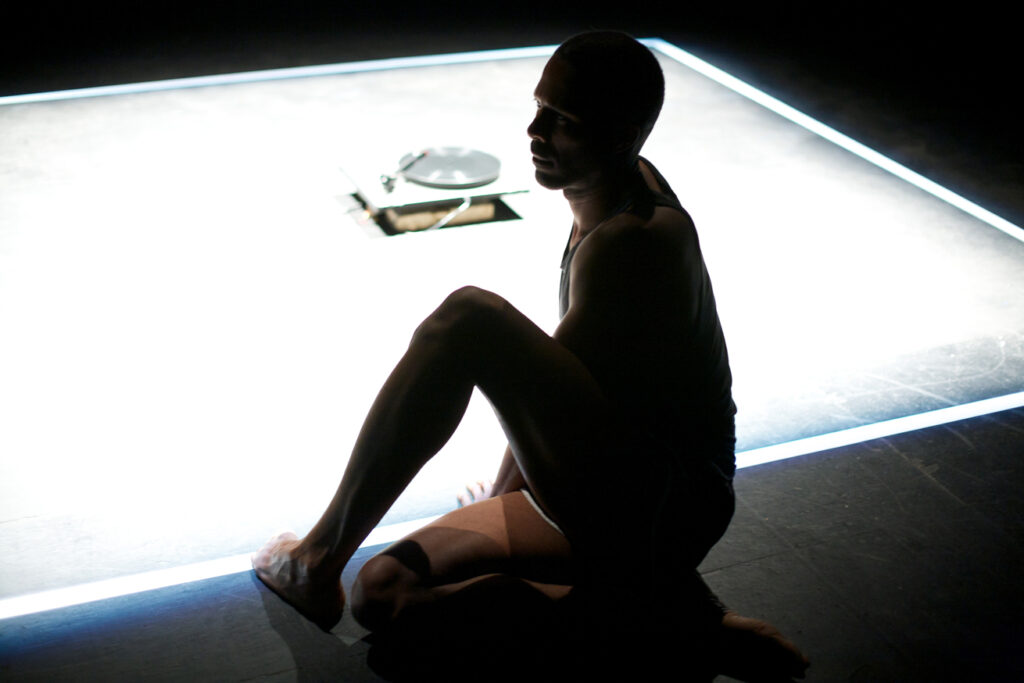
The Scottish based Paragon Ensemble has commissioned David Fennessy to compose music for Instal, which will be performed during the evening.
Arika have been creating events since 2001. The Archive is space to share the documentation of our work, over 600 events from the past 20 years. Browse the archive by event, artists and collections, explore using theme pairs, or use the index for a comprehensive overview.
The Scottish based Paragon Ensemble has commissioned David Fennessy to compose music for Instal, which will be performed during the evening.
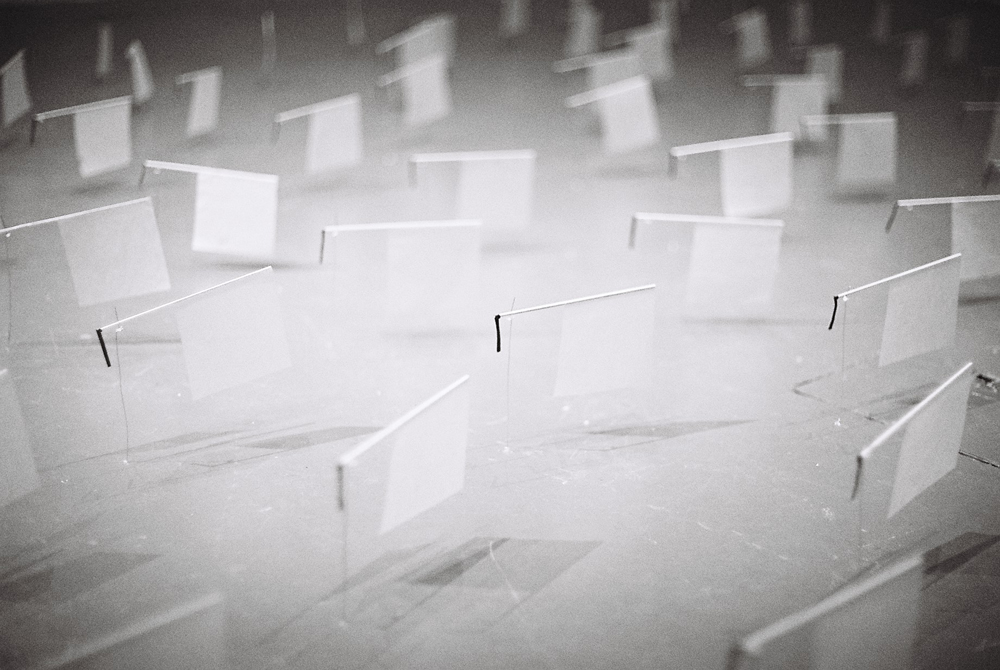
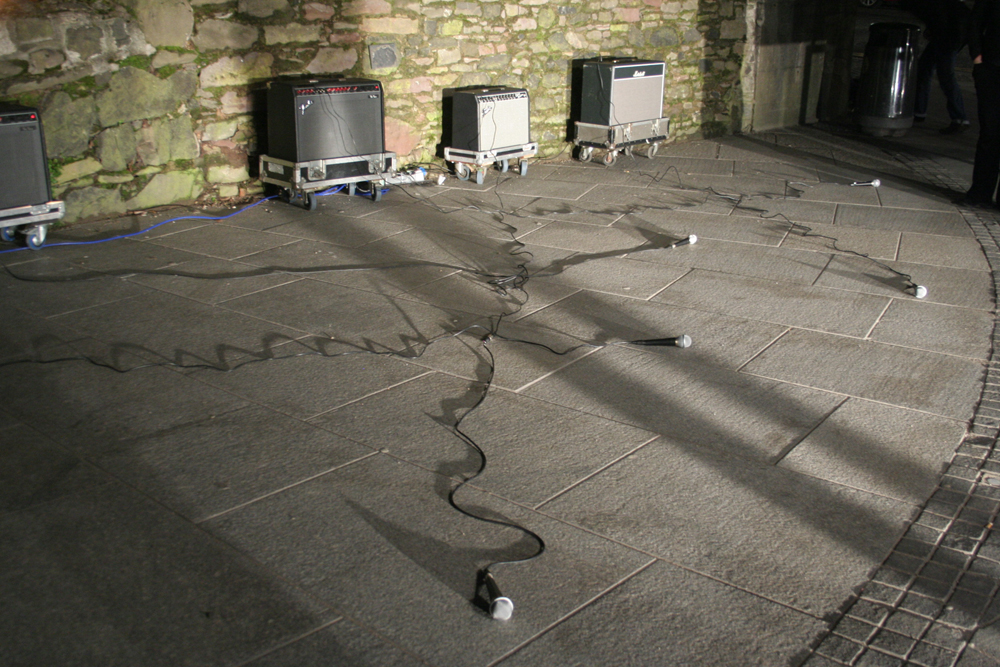
Felix Hess is a unique crosser of the boundaries between science and art. He wrote his doctorial thesis on the aerodynamics of the boomerang
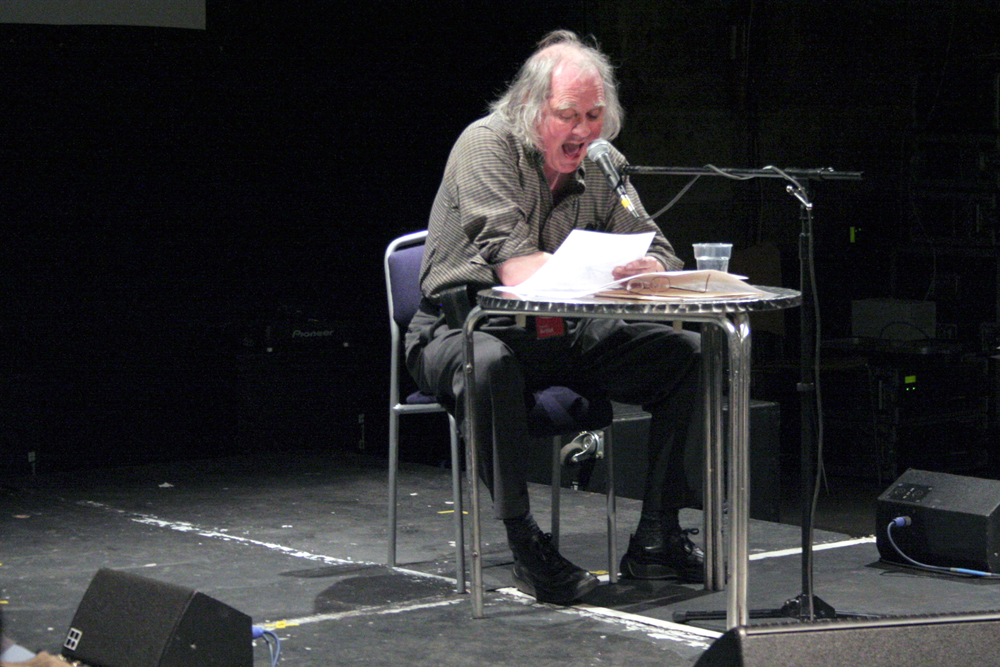
Leading language/ action/ sound poet performed his groundbreaking concrete poem, a dizzying mandala of text, symbols and rubber stamps; a kind of book as reading machine.
One-shot sonic portraits of 4 houses, their inhabitants and their relationship to sound, from 2 of the most deep-thinking field-recording artists around.
A performed filmic conversation on queer and black world making.
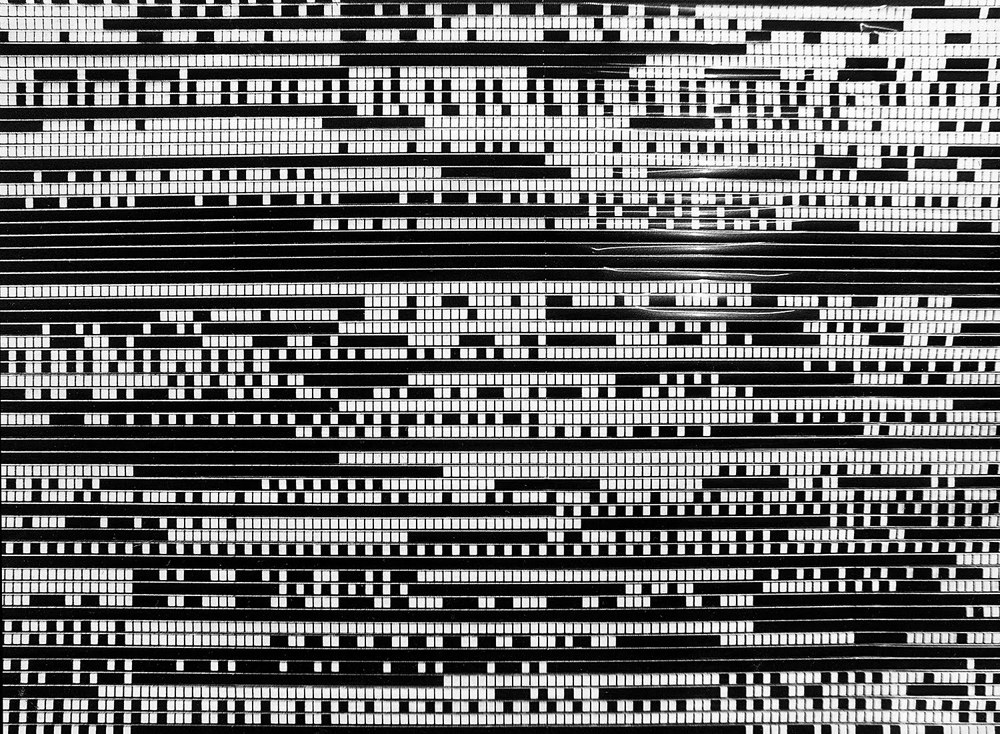
Reveling in the geometric, mathematical and perceptual relationship between sound and form, this programme features a landmark work of experimental film in Kubelka’s Arnulf Rainer; a complex, enduring and expressive of structuralist or flicker films.
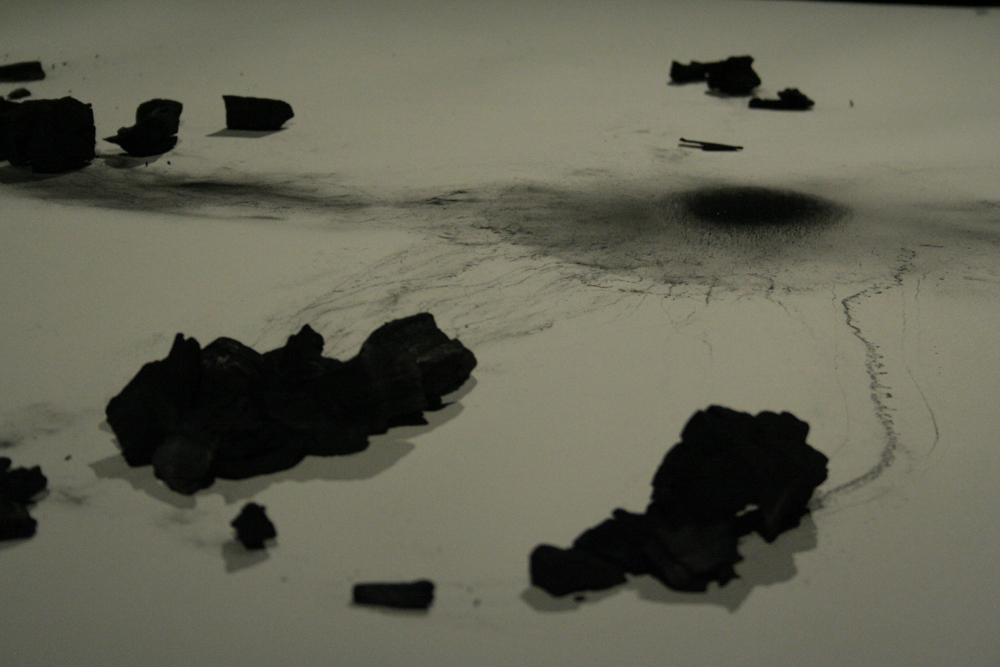
Laser beam sine tones used to draw delicate, abstract patterns by vibrating charcoal, placed atop of a great strip of paper running through the gallery; beautiful, fragile sound-created autonomous drawing.
Taking The Futurist Cinema’ manifesto and turning it into software to track ‘aluminium’ online, tracing relationships companies with interests in aluminum had to each other and other agencies.
Can we use sound, repetition and difference to personally and collectively engage with space, time and labour?
Ex Ganger guitarist’s solo performance for guitar and fx, featuring breathless processed guitar, complex in structure and melody.
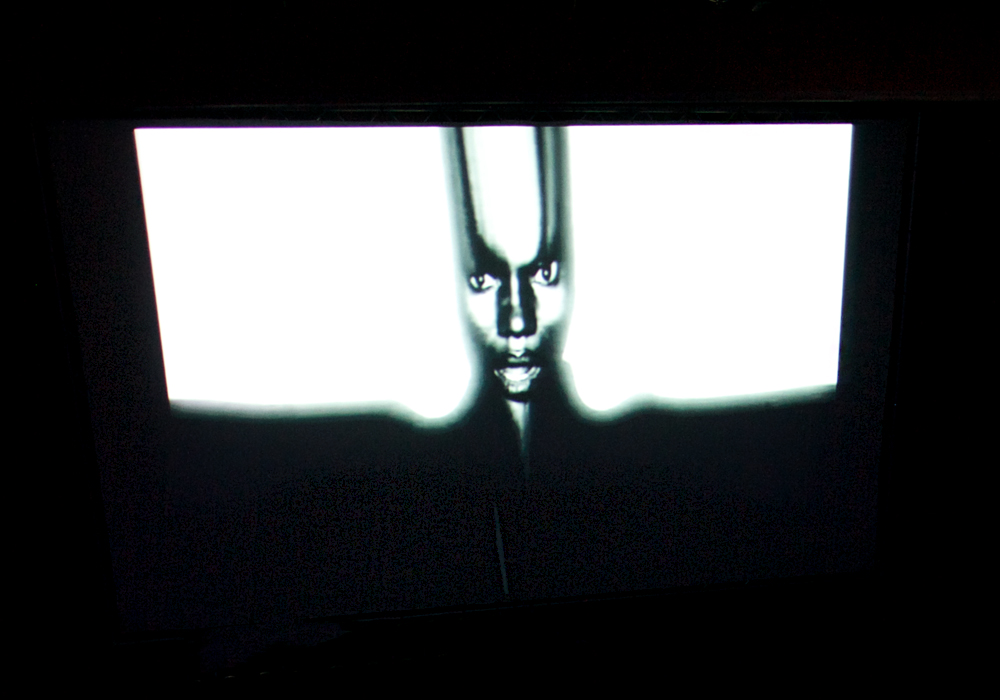
When we look, how do we objectify the body; how can we reflect on our (self) image as a construction?
Relative patterns of occlusion and exposure occupy two screens. Each exposure fires a stroboscopic flash of colour: yellow for one screen; blue for the other, filling the centre of both screens with colour, haloed with after-images.