Vajra
Kan Mikami Keiji Haino Toshiaki Ishizuka
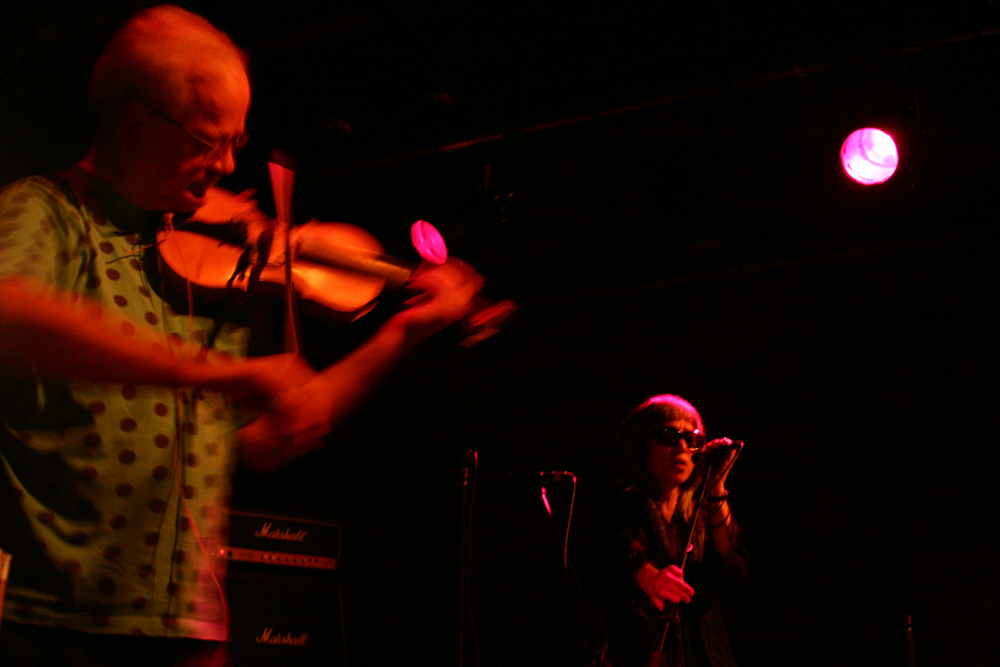
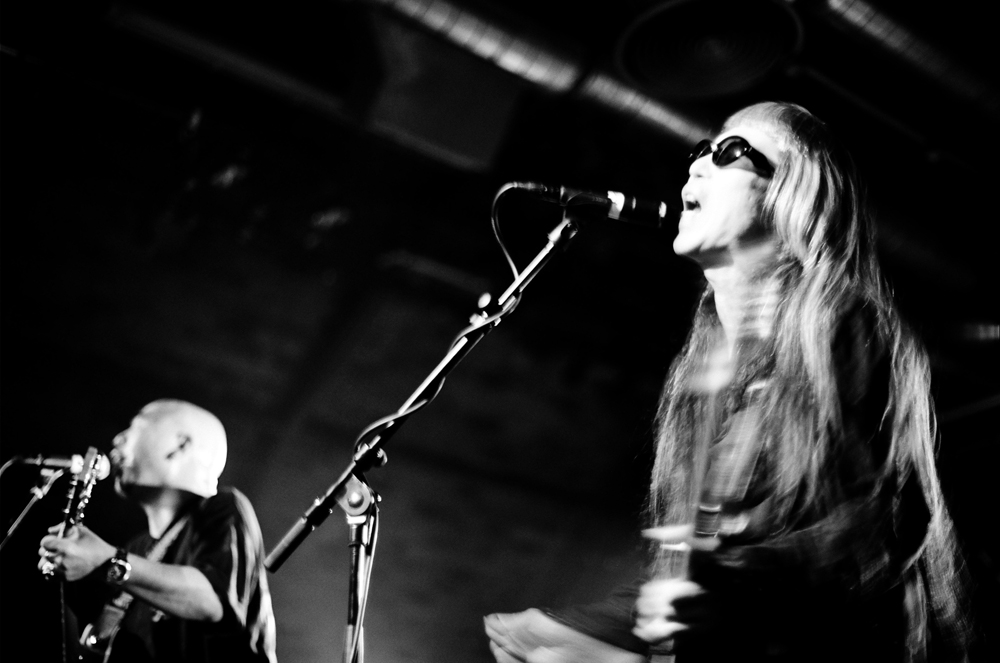
Vajra are a Japanese psychedelic rock supergroup, hewn from the collective consciousness of Fushitsusha’s Keiji Haino, folk radical Kan Mikami and percussionist Toshiaki Ishitsuka.
Arika have been creating events since 2001. The Archive is space to share the documentation of our work, over 600 events from the past 20 years. Browse the archive by event, artists and collections, explore using theme pairs, or use the index for a comprehensive overview.
Vajra are a Japanese psychedelic rock supergroup, hewn from the collective consciousness of Fushitsusha’s Keiji Haino, folk radical Kan Mikami and percussionist Toshiaki Ishitsuka.
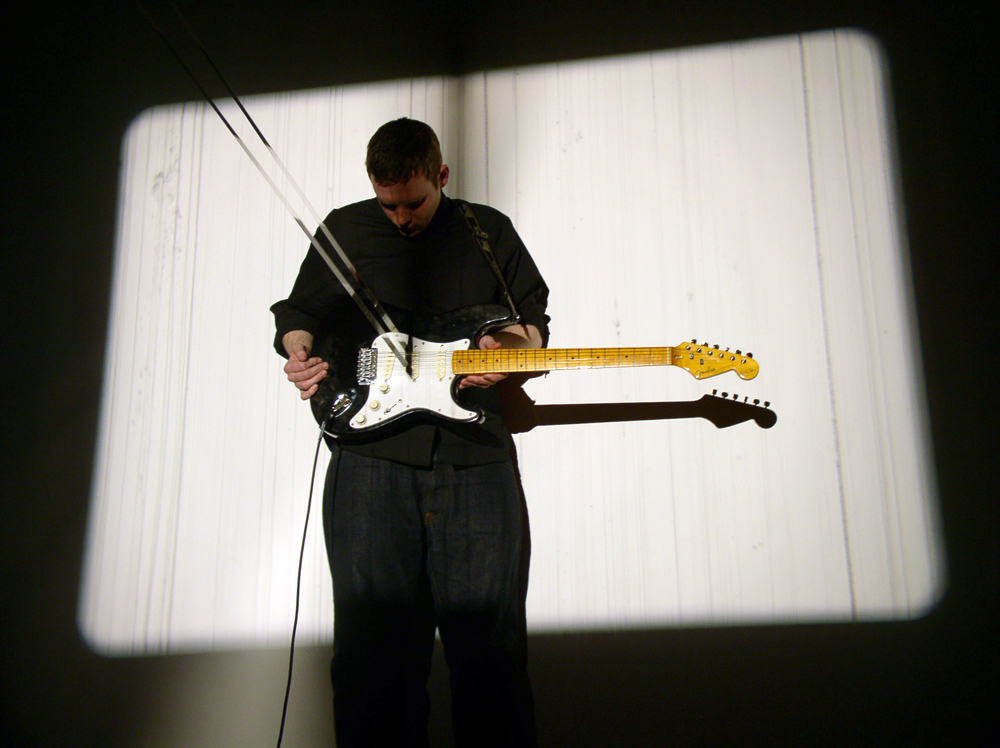
An original and beautifully simple performed installation forging a direct link between sound and image.
Nat Raha and Mijke van der Drift undertake two intensive writing residencies at Scottish Sculpture Workshop in Lumsden and Hospitalfield in Arbroath.
A performed reflection on Malin’s previous re-enacting of a super influential landmark of performance art from the French feminist and artist Gina Pane.
Although Tony had visited Haino in Japan, and they played together in private, this was the first time anyone other that Haino’s cat saw them perform together.
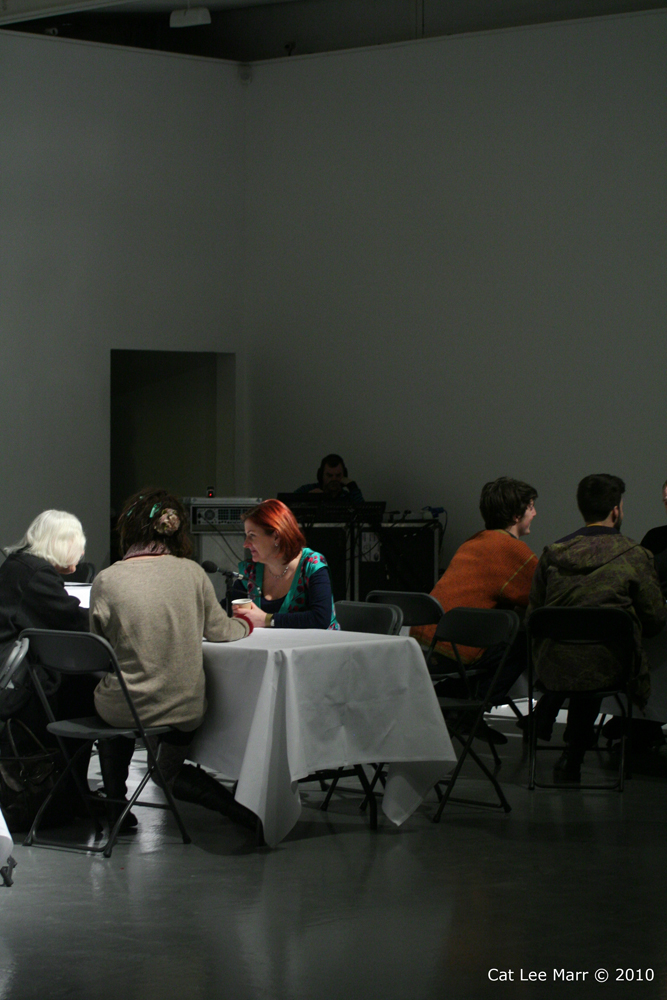
A changing pool of people (40 or so at a time – artists, audiences, etc) talk for 90 minutes in a simultaneous series of open-ended round-table discussions, structured like speed dating, and mixed live as both a concert and for radio broadcast.
In this workshop we will imagine ourselves as time travellers from a glorious and chaotic neurodivergent-led future.
John Butcher plays and manipulates a feeding back saxophone. Benedict Drew on electronics, broken cables and standing waves.
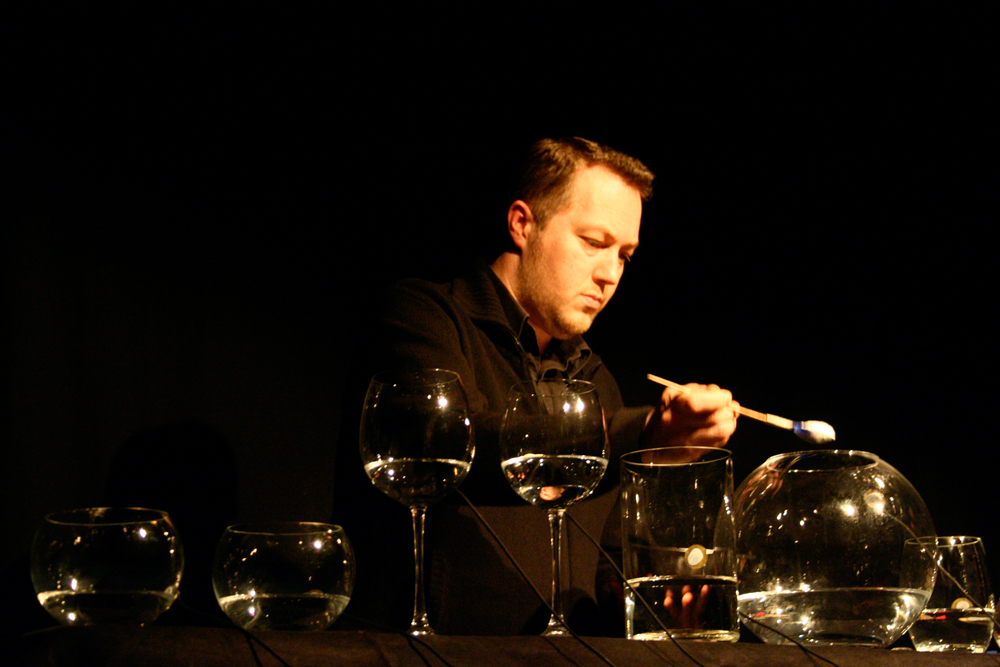
In this response to the Self Cancellation project, Lee Patterson dissolves medicine in glasses of water and explores the sonic content.
What might Carter and Parker’s collaboration tell us about our own performances of responsibility and liberty, whether individual, social or musical?
A conversation between influential figures thinking through Blackness and Indigeneity, asking: what if we took seriously the possibility that this world, as we know it, may be coming to an end? We dread the loss of this world, but have we begun to imagine the one to come?
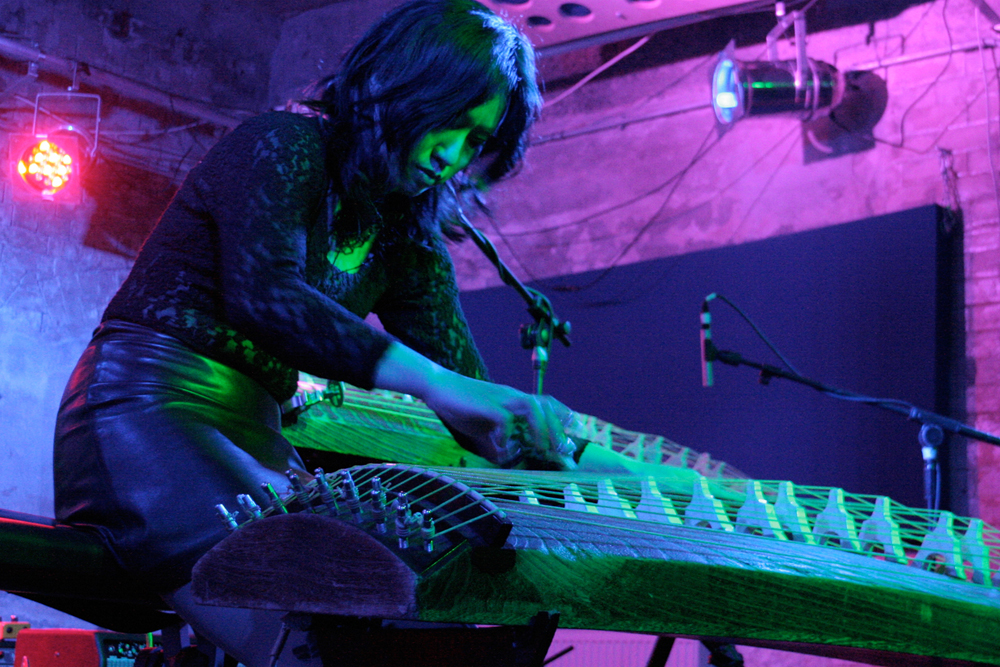
Sometimes delicate, sometimes harsh and jarring, Yagi’s koto solos are as much inspired by Nancarrow or Cage as they are traditional.