Introduction to Protactile Theory with John Lee Clark
John Lee Clark
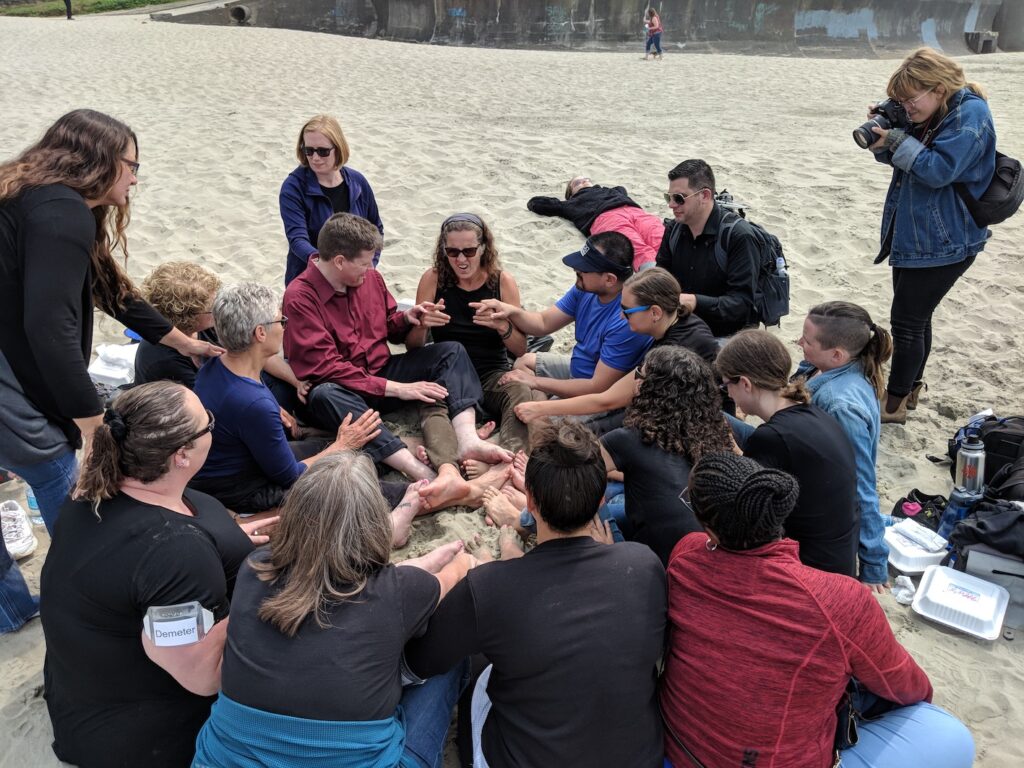
“Introduction to Protactile Theory” is a legendary seminar that facilitator John Lee Clark has designed to bring diverse communities into conversation with the Protactile movement.
Arika have been creating events since 2001. The Archive is space to share the documentation of our work, over 600 events from the past 20 years. Browse the archive by event, artists and collections, explore using theme pairs, or use the index for a comprehensive overview.
“Introduction to Protactile Theory” is a legendary seminar that facilitator John Lee Clark has designed to bring diverse communities into conversation with the Protactile movement.
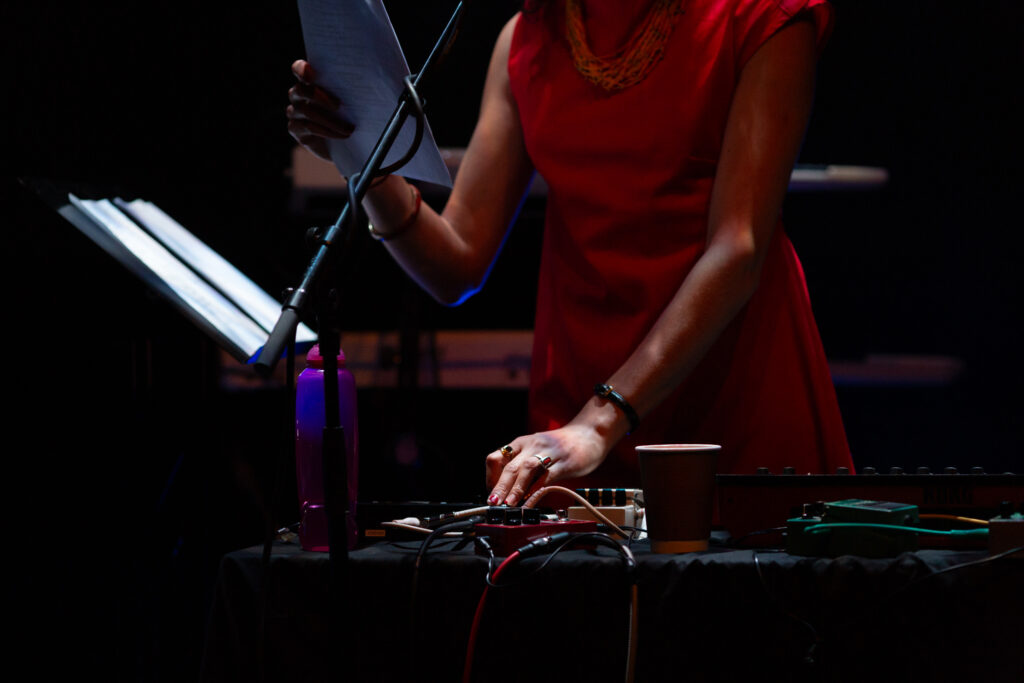
Transfeminist and revolutionary poetry, voice and timbral abstraction: a sounding and spatialising of reparative sonic and somatic practices that can speak back to violent histories of expropriation and ecocide.
Edinburgh. Sinewave manipulating Giant Tank-ette goes head-to-head with Decaer Pinga’s first lady of noise.
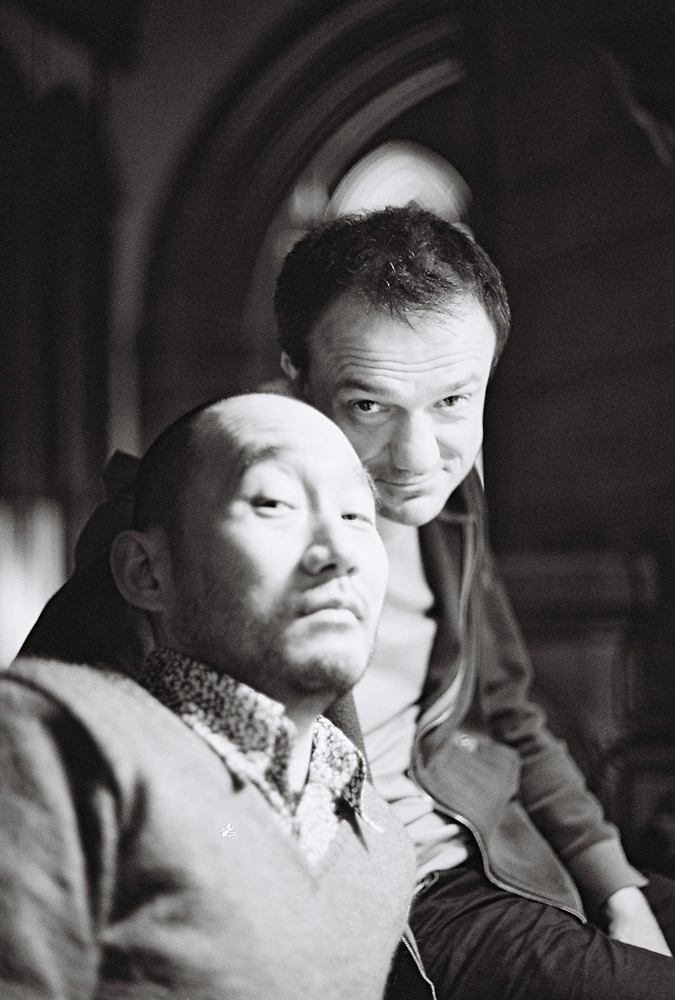
Brain boiling duo improvisation by great Japanese no input mixing desk pioneer Toshi Nakamura and french organ philosopher Jean-Luc Guionnet.
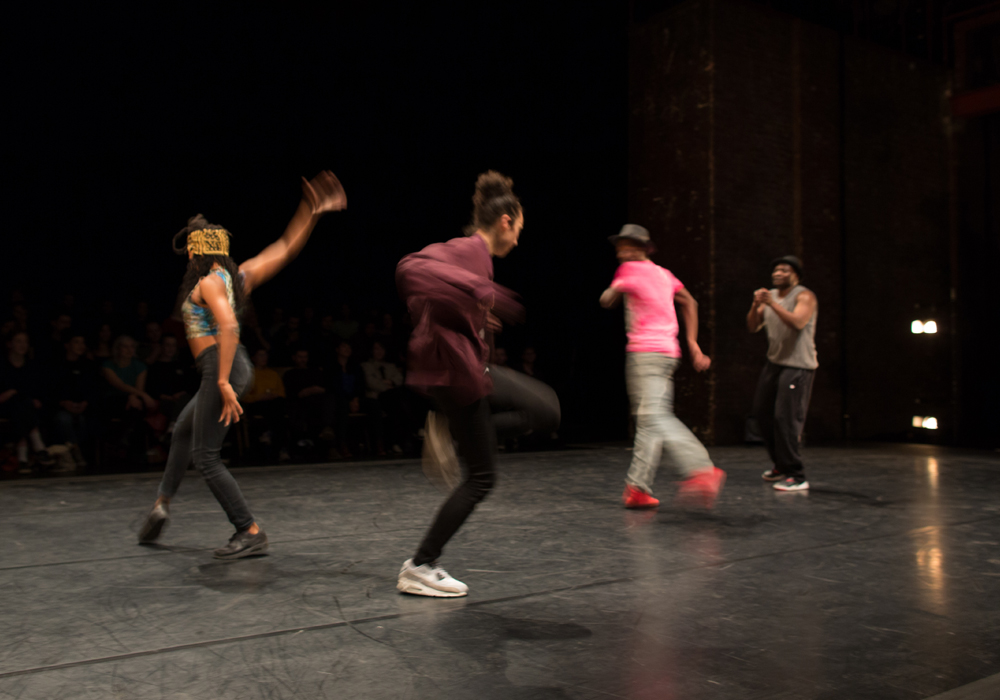
In which Storyboard P and members of Project X pick a song, freestyle to it, chat with us about what dancing means to them, then pick another song, freestyle, chat, repeat…
Part old-fashioned Renaissance man, part hardcore avant-gardist, the Canadian painter-photographer-filmmaker-musician gives full vent to his genius in the exhilarating perceptual vaudeville, named after the ‘central region’ of tissue that acts as a conduit between the brain’s two hemispheres.
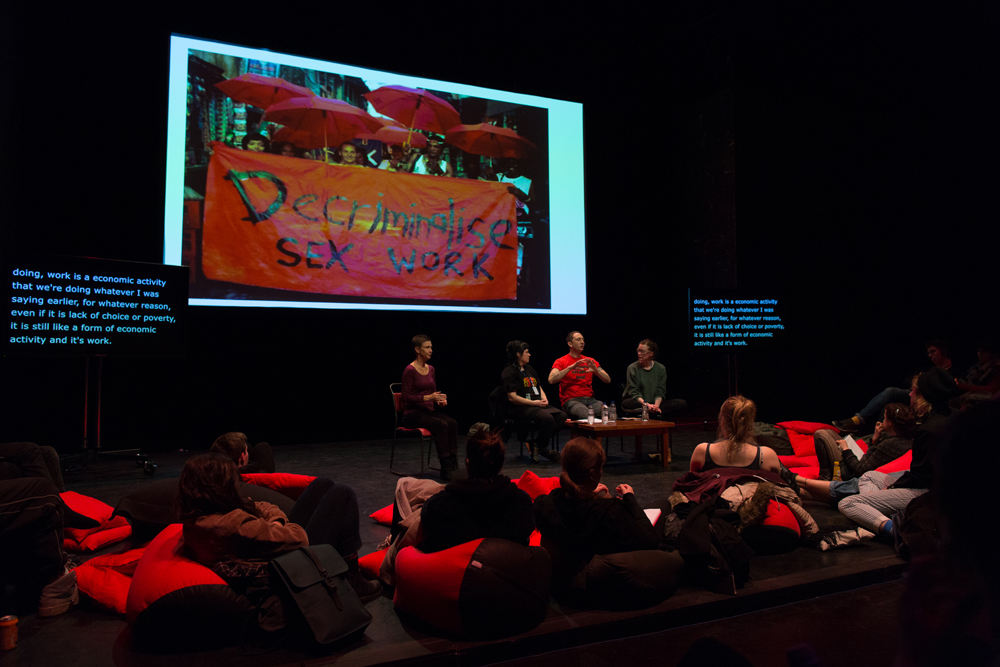
The struggle for sex workers’ rights and how we can understand it in the continuum of care work and other forms of invisibilised and precarious work.
This performance brings together film, text and speech and temporarily constructs a filmic space to think through questions of resistance, and the choice and consequence of action vs. inaction: what does it mean to choose to not take part?
Three intense solo performances for drums (both played and screamed through), cymbal, voice, credit card, bird whistle, and guitar amplifier/leads.
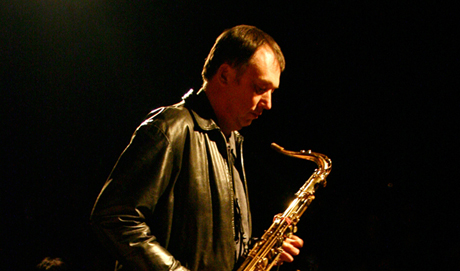
John Butcher plays and manipulates a feeding back saxophone. Benedict Drew on electronics, broken cables and standing waves.
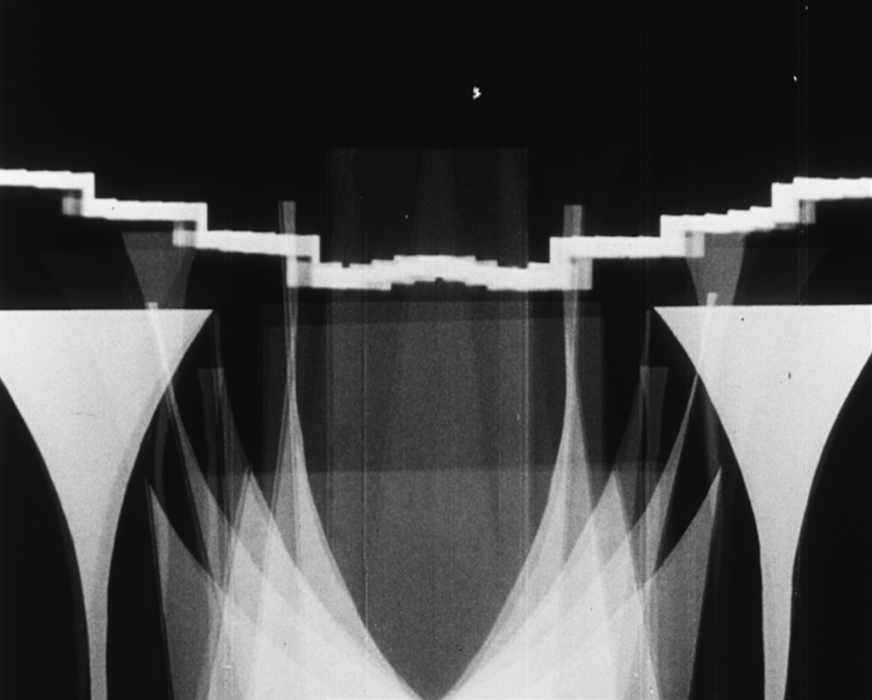
Includes: tamed TV snow, video feedback of racing particles, a remake of a polish photogram film destroyed in WWII, a visual and aural representation of Gestalt theory, hole-punched film and Guy Sherwin’s Cycles 3 double-projection.
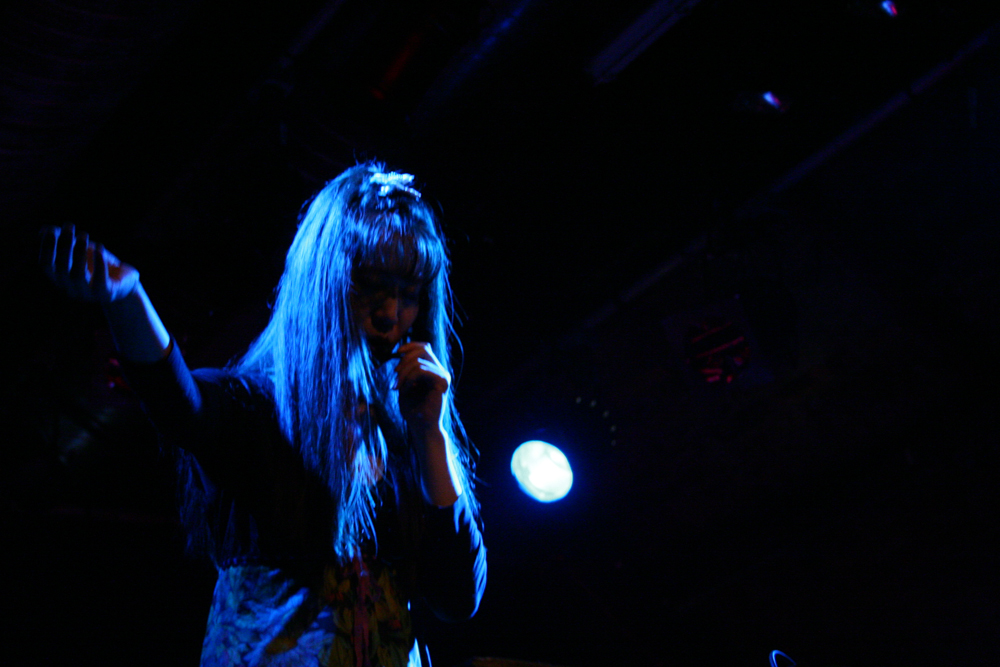
Wordless, reverb drenched voice, ghosted electronics, seething and ferocious electronic damage and Patty Waters style vocal mania.