Phill Niblock
Phill Niblock
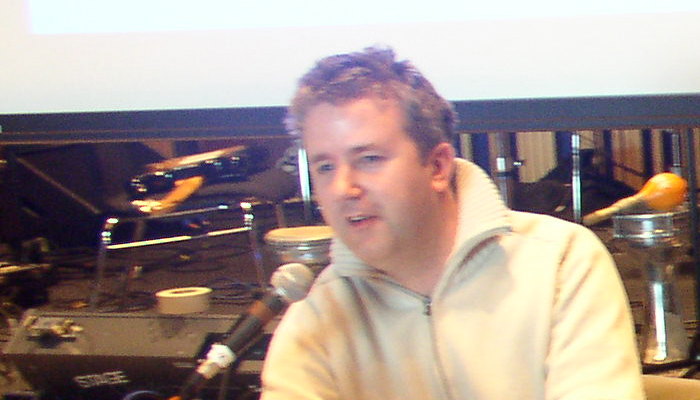
Slowly evolving ultra-subtle harmonics and multi-tracked, otherworldly drones that only reveal their true power at high volume.
Arika have been creating events since 2001. The Archive is space to share the documentation of our work, over 600 events from the past 20 years. Browse the archive by event, artists and collections, explore using theme pairs, or use the index for a comprehensive overview.
Slowly evolving ultra-subtle harmonics and multi-tracked, otherworldly drones that only reveal their true power at high volume.
A programme of discontinuity between narration, text and image. Including Manual Saiz’s employment of John Malkovich’s Spanish dubbing double and Peter Rose’s absurdly hilarious concrete poetry subtitling chaos.
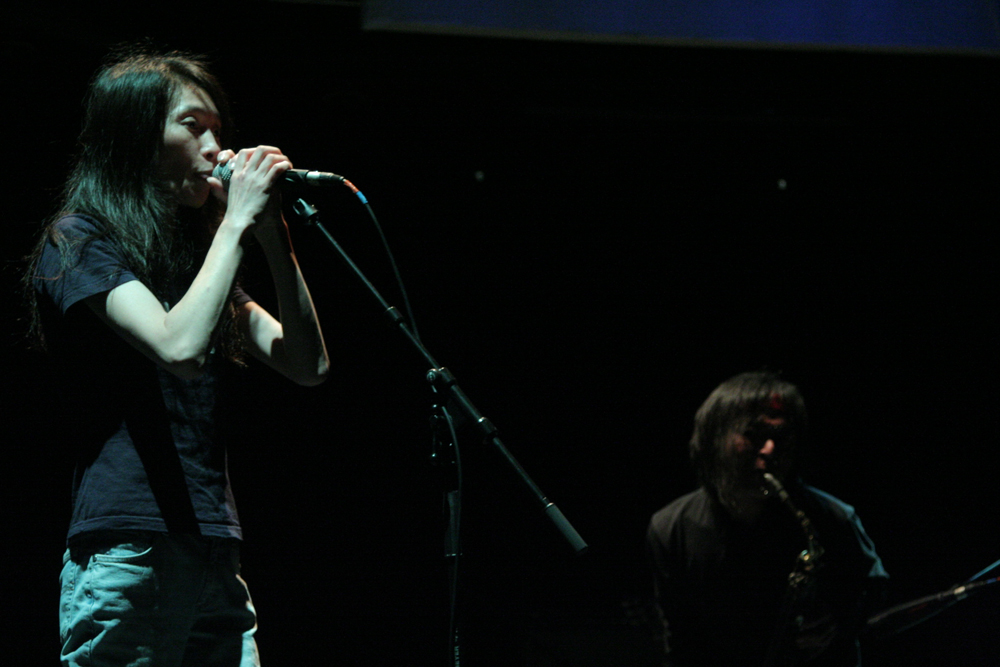
Junko’s screaming vocal in a nuanced, piercing duo with Urabe’s fuming and convulsive saxophone, far removed from the codes of musical tradition.
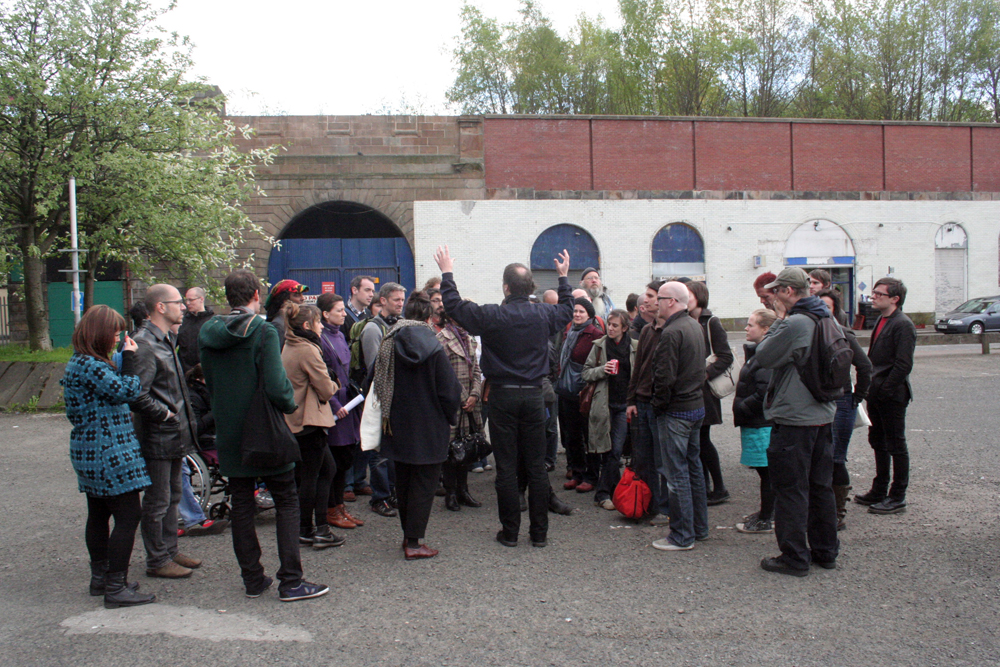
A public walk from George Square to the Barras market bringing contributions from researchers, activists and artists in a form of live critical praxis
The worlds leading radio art station brings you: a performance, a radio show, an installation, an endurance test.
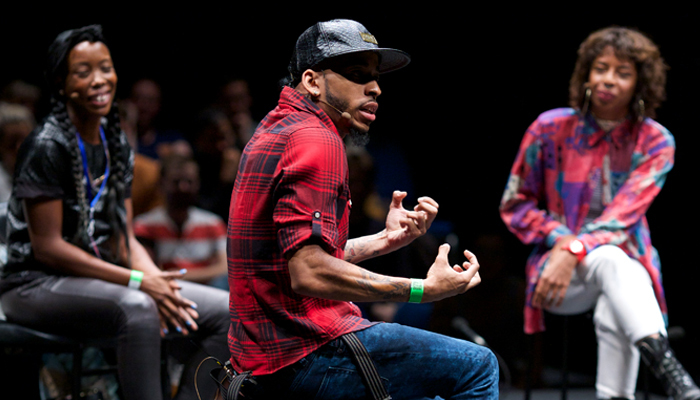
A freestyle performed conversation for bodies and voices – with the Queen of Krump, the master of Vogue Femme Dramatics and the rising star of Vogue Women’s Performance.
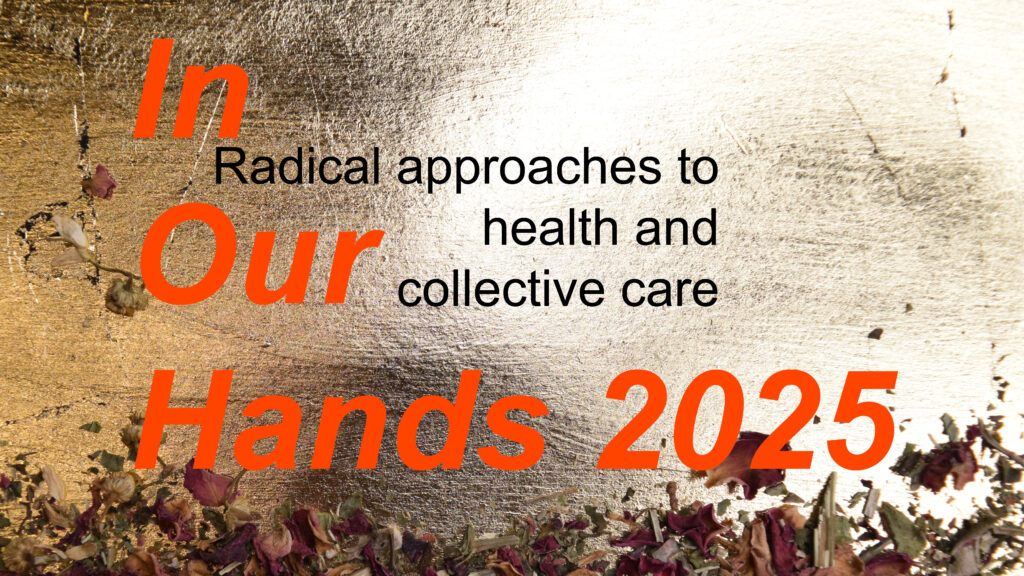
In Our Hands is a nine week programme of workshops exploring radical approaches to health and collective care in the movement for liberation and social justice.
Talk charting the radical history of experimental music in Japan + the lowdown into the careers of many of the artists appearing at MLFC.
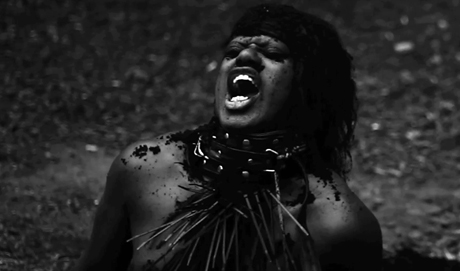
A queer black operatic requiem for piano and voice that asks us to stay in the hold of the slave ship, that tries to understand the connection from the slave ship to the prison.
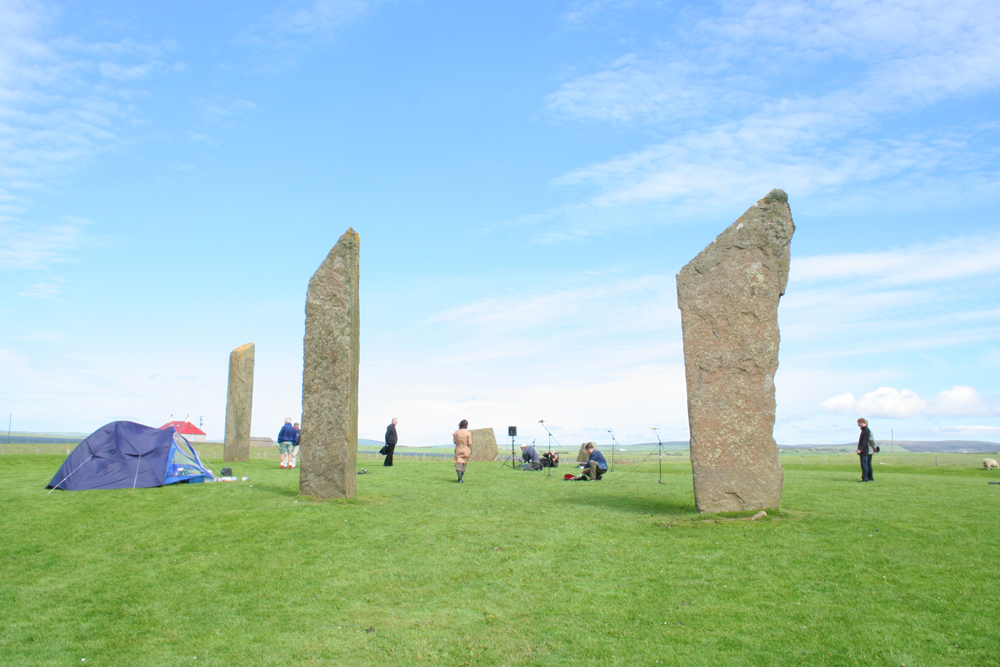
Akio Suzuki and John Butcher performing by the Stones of Stenness, instead of the Ring of Brodgar, because of bad weather.
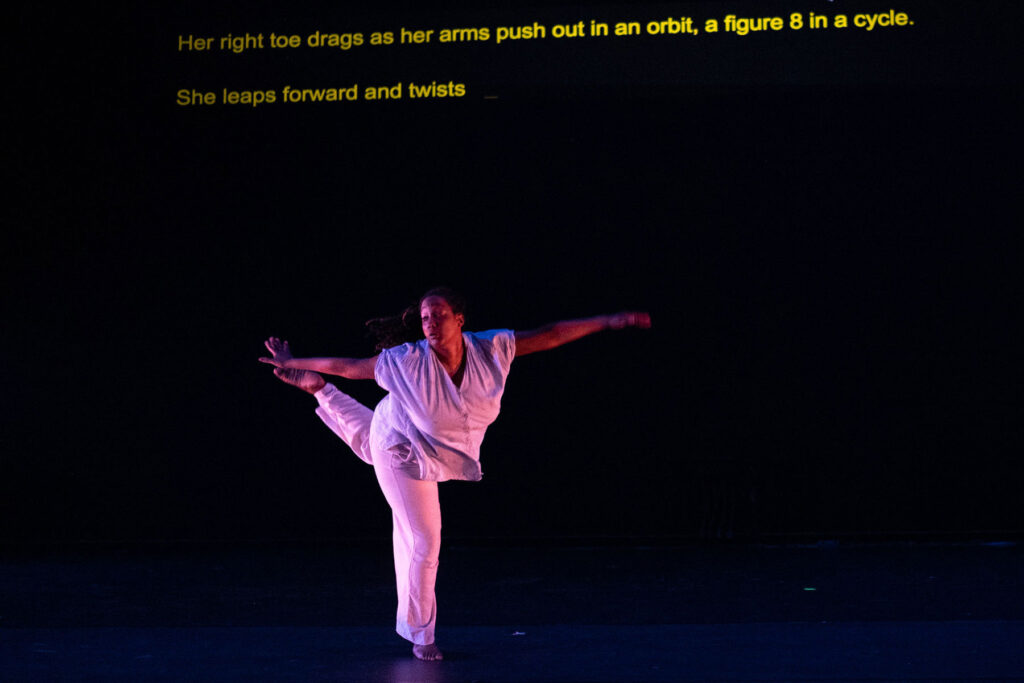
Beyond time, colorlines, ability, and sexuality, a movement exploration into what it means to see and be seen, how hearing contrast with what is actually being heard.
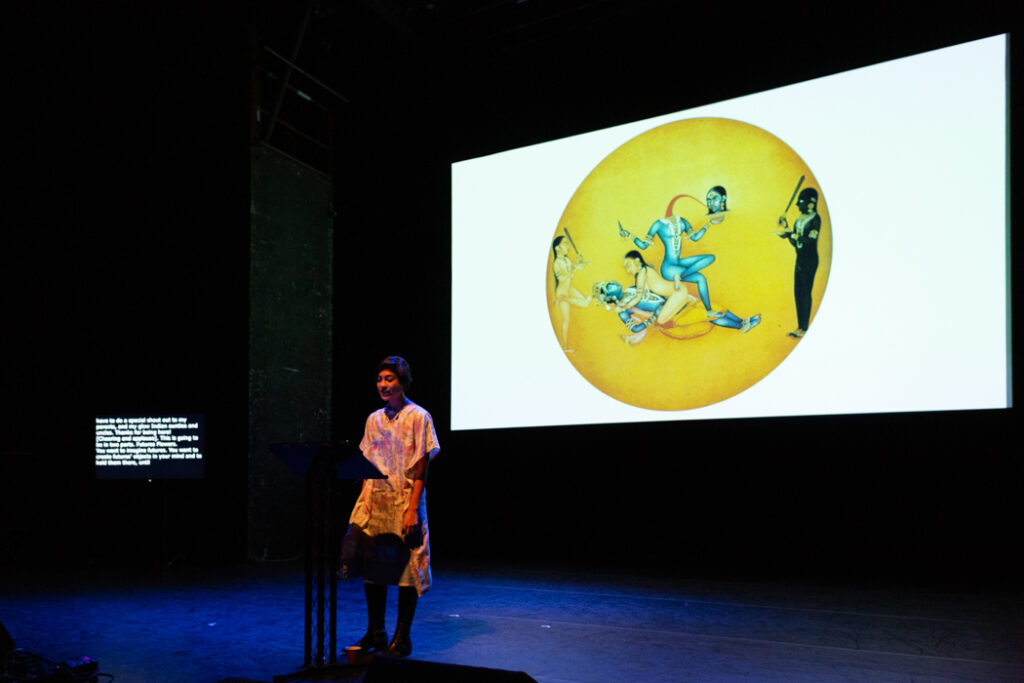
In Ramayya’s visionary poetry, the body assumes as many forms as love produces states: attraction and repulsion, excitement and exhaustion, selfishness and the dissolution of self.