Formula [ver 1.1]
Ryoji Ikeda
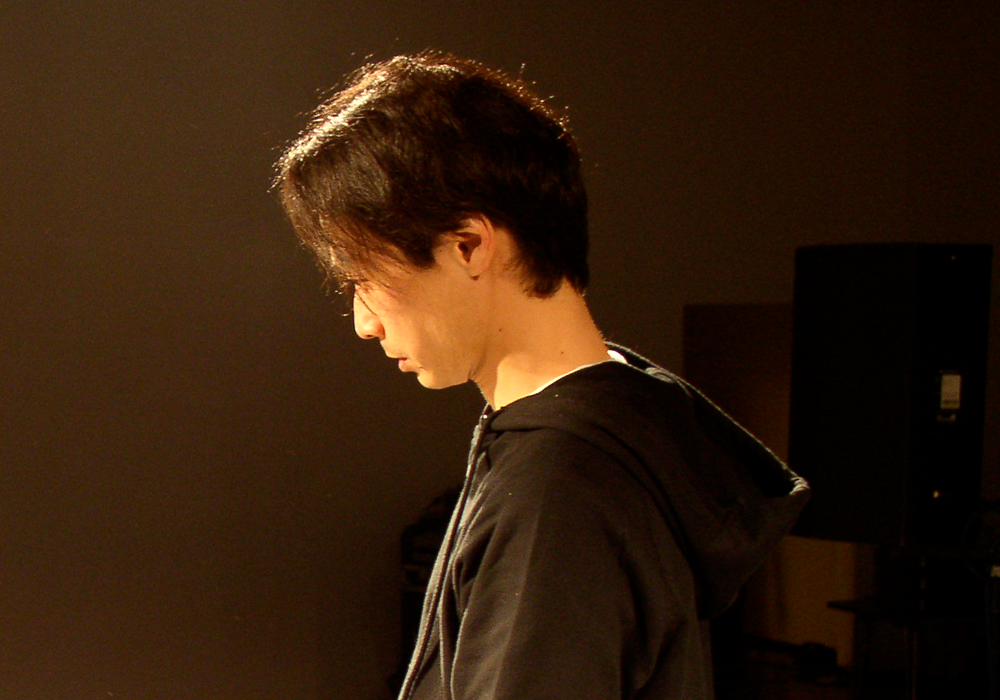
Exploring the interplay between punk sinewave aggression, high-speed video sequences and stroboscopic lighting
Arika have been creating events since 2001. The Archive is space to share the documentation of our work, over 600 events from the past 20 years. Browse the archive by event, artists and collections, explore using theme pairs, or use the index for a comprehensive overview.
Exploring the interplay between punk sinewave aggression, high-speed video sequences and stroboscopic lighting
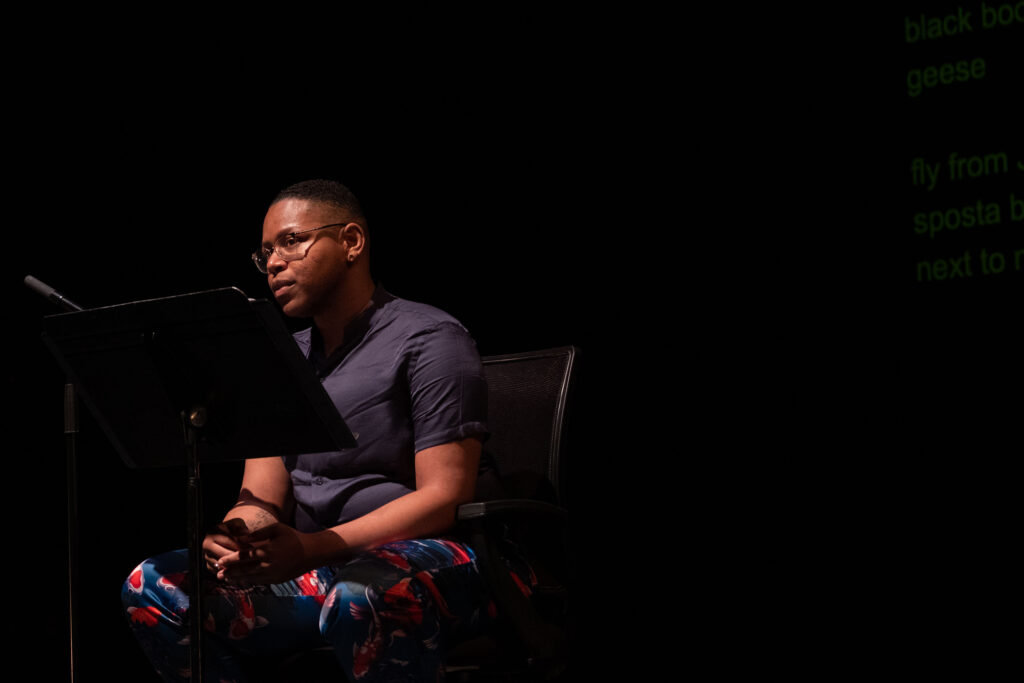
Poetry of raw fearless truth and the realest crip insight fully embedded in absolute lyrical lounge.
Sarah Washington uses electronics and wind-up radios, running out of charge to repsond to the festivals’ Self Cancellation provocation.
Ecstatic, intensely joyous experimental club music: like “the sound of our water ceremonies…40 bands playing their melodies at once to recreate the cacophony of the first aurora and the call of the morning star Venus”.
(Cyber)feminist, non-essentialist transgender and queer daily radio shows using the formula of morning radio as an arch way of thinking about the scripted behaviour and controlled empathy of systematic care.
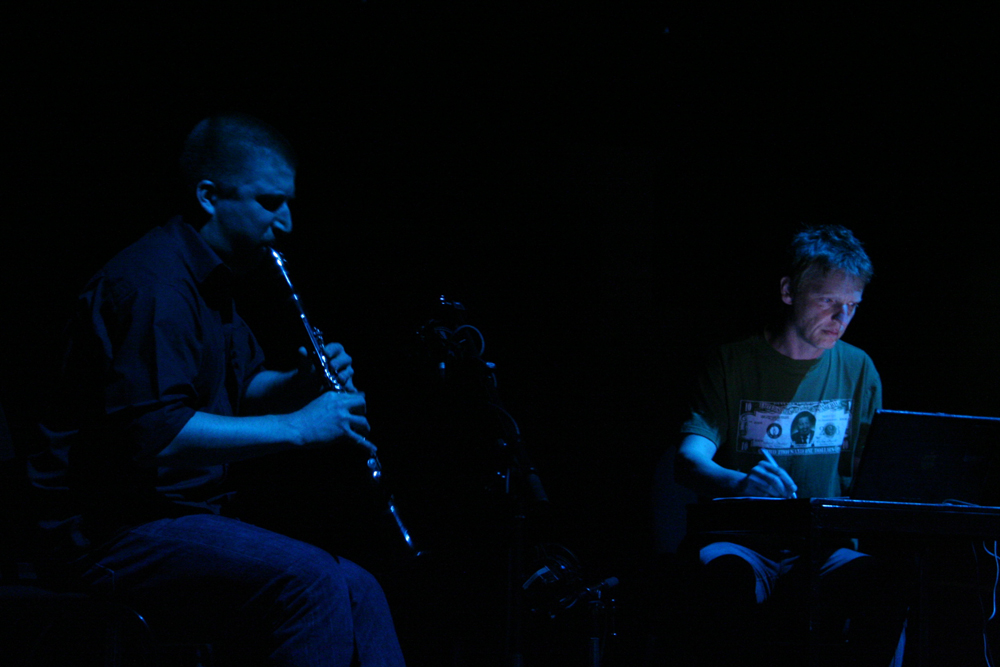
Los Glissandinos work with clarinet and sine tones beating and thrumming in your middle ear, all beautifully paced and serene, but with just enough steely menace broiling under the surface to keep you on edge.
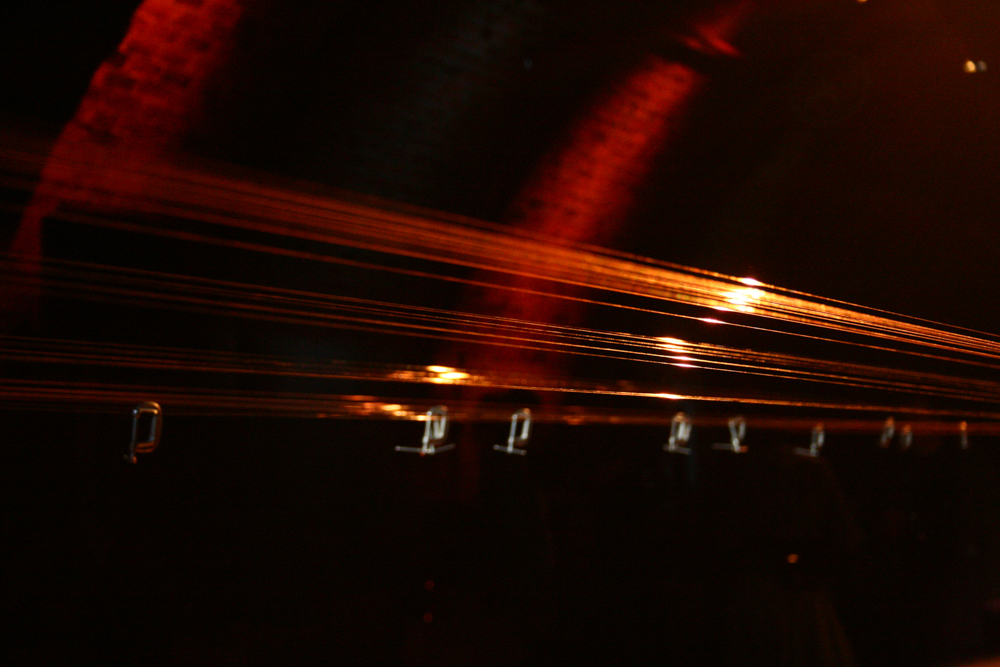
Long Stringed Instrument performance involving up to 100 wires strung in tension over a 40m arch.
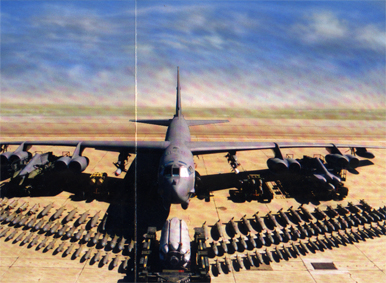
Hartmut is going to talk a little about his work at large and the politics of how his films are constructed. And we’ll screen one of his best films: B-52.
A collaborative social justice project that uses art, activism and awareness to combat the systemic oppression facing young, trans, queer & gender nonconforming people of colour.
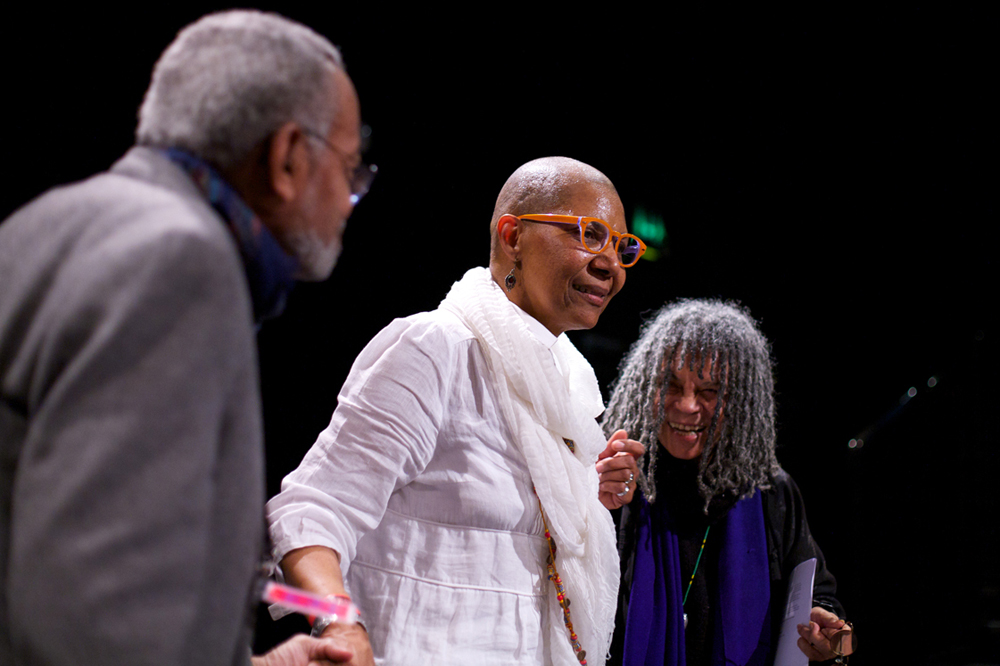
Do art forms like black radical poetry, free jazz and improvisation create a space for the performance of freedom? Did they ever? And can they still do so now?
How do you know what you want? Should freedom be doing what you ought, not doing what you want? How might a philosopher and artist turn this thinking into an enabling condition in the context of noise and improvisation?
Can a collective performance of NourbeSe’s poem of black life as it exceeds containment enact alternative forms of selfhood that emerge in and out of African diasporic experience?