Seymour Wright
Seymour Wright
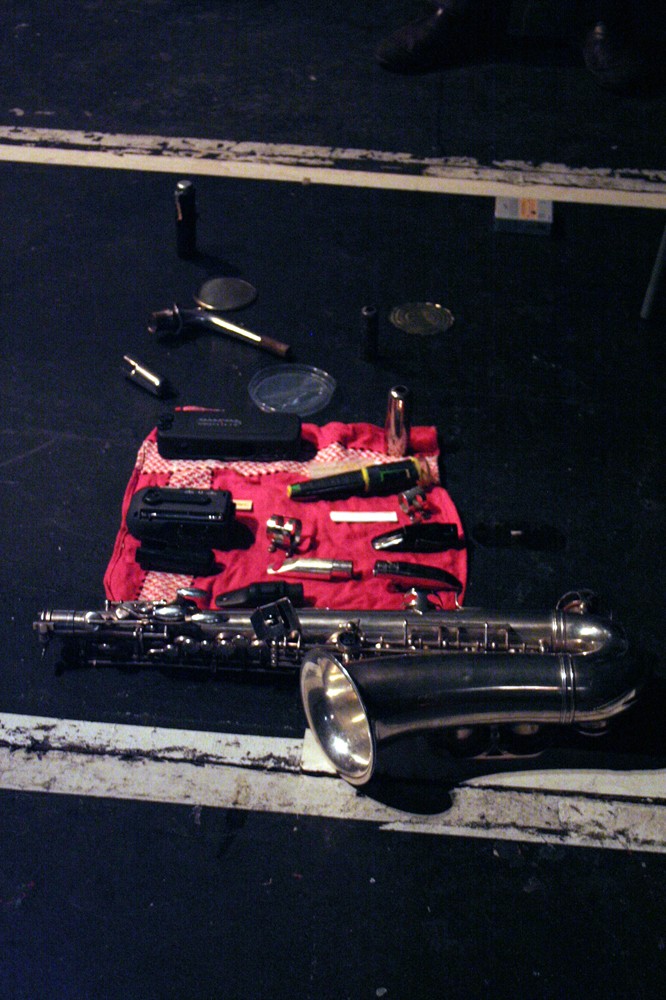
A saxophone. Handheld fans. Shrill squeaks. Splutters, gargling. An incredible diversity of sounds, intensely focused by an inventive musician.
Arika have been creating events since 2001. The Archive is space to share the documentation of our work, over 600 events from the past 20 years. Browse the archive by event, artists and collections, explore using theme pairs, or use the index for a comprehensive overview.
A saxophone. Handheld fans. Shrill squeaks. Splutters, gargling. An incredible diversity of sounds, intensely focused by an inventive musician.
Sachiko’s very simple, pure sine tones and structures. Otomo on double pianos. Filament’s music isn’t composed and it isn’t improvised: it’s a hybrid of the two.
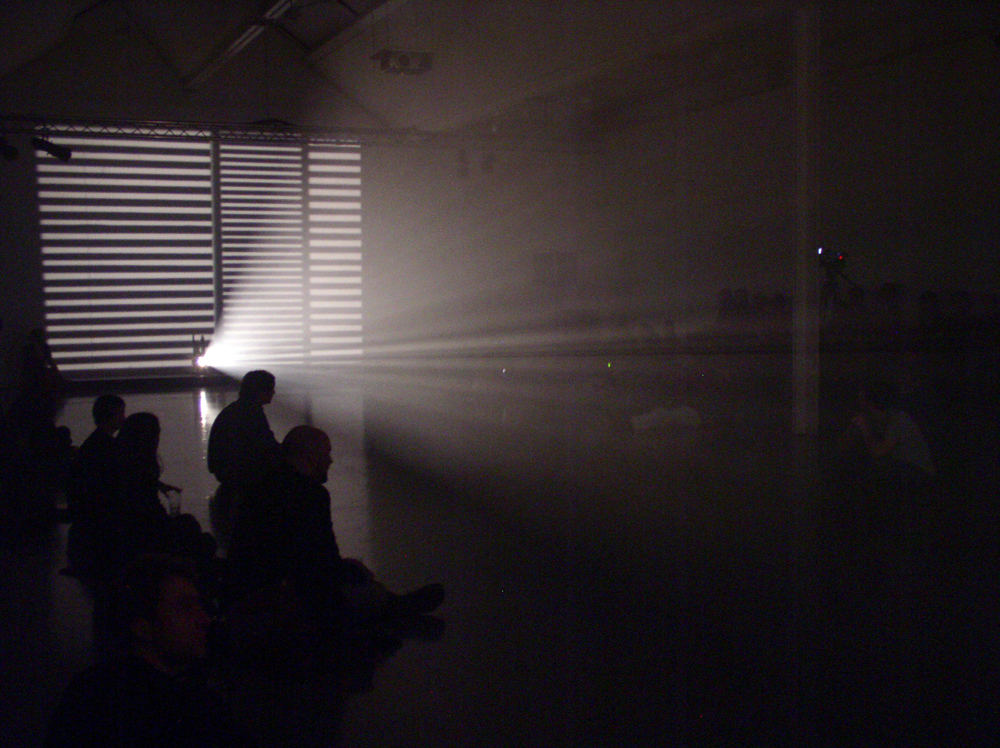
Light Music is a dizzying celebration of the pivotal nature of sound in film; a direct and powerful transcription of film as sound.
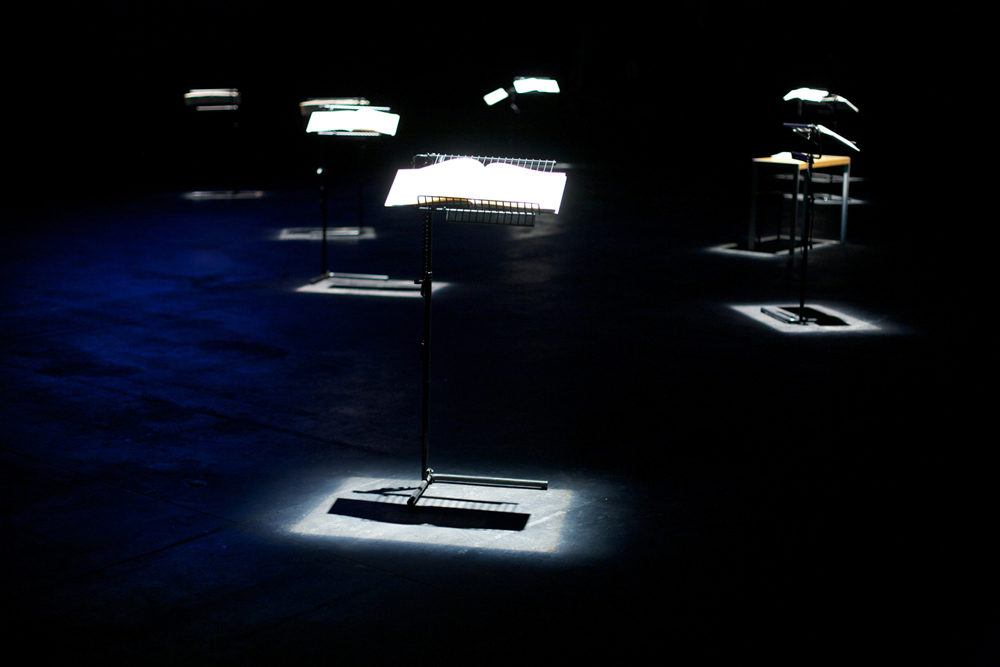
‘Ten Pieces in the Form of Painful Variations’ for piano, an impossible score that looks like a grapeshot musical stave, a text of barbed loathing and doubt – an anti-composition.
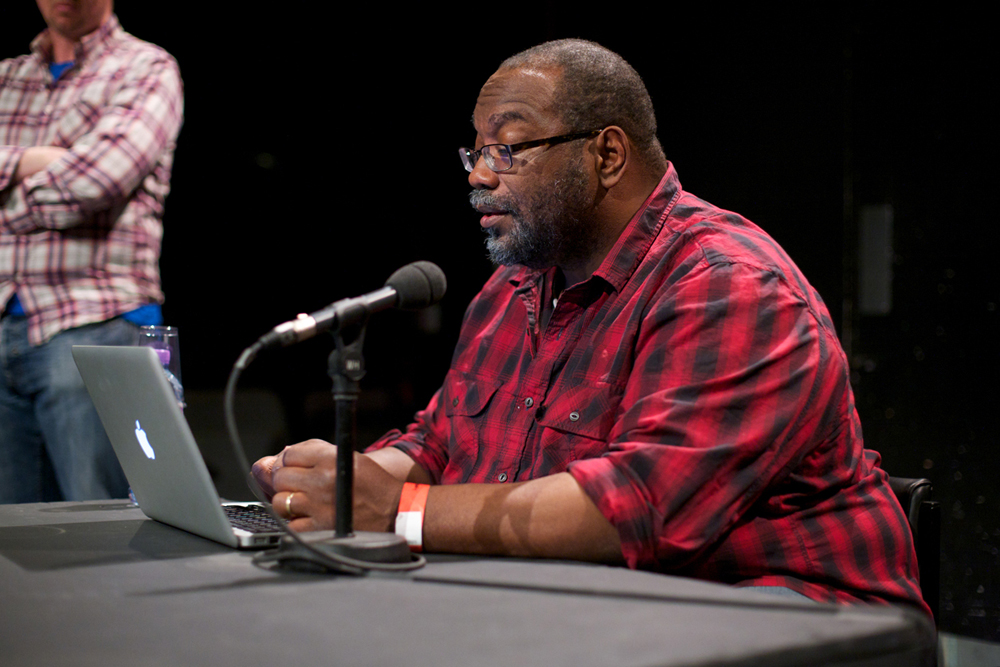
In many ways, this Episode is our attempt to engage with Fred’s incredible writing: with his proposal that all black performance (culture, politics, sexuality, identity, and blackness itself) is improvisation.
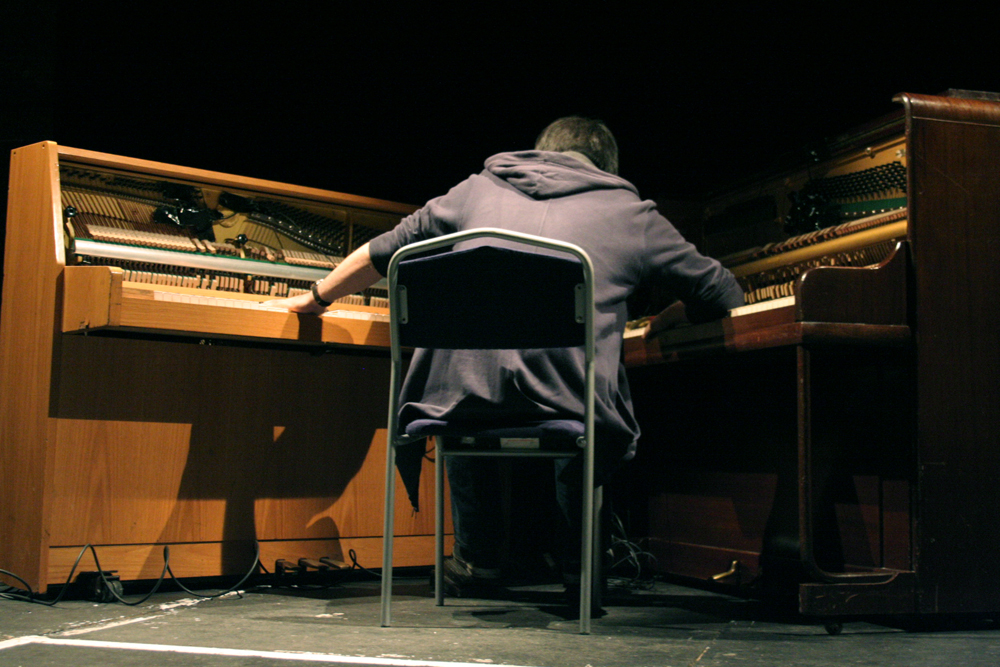
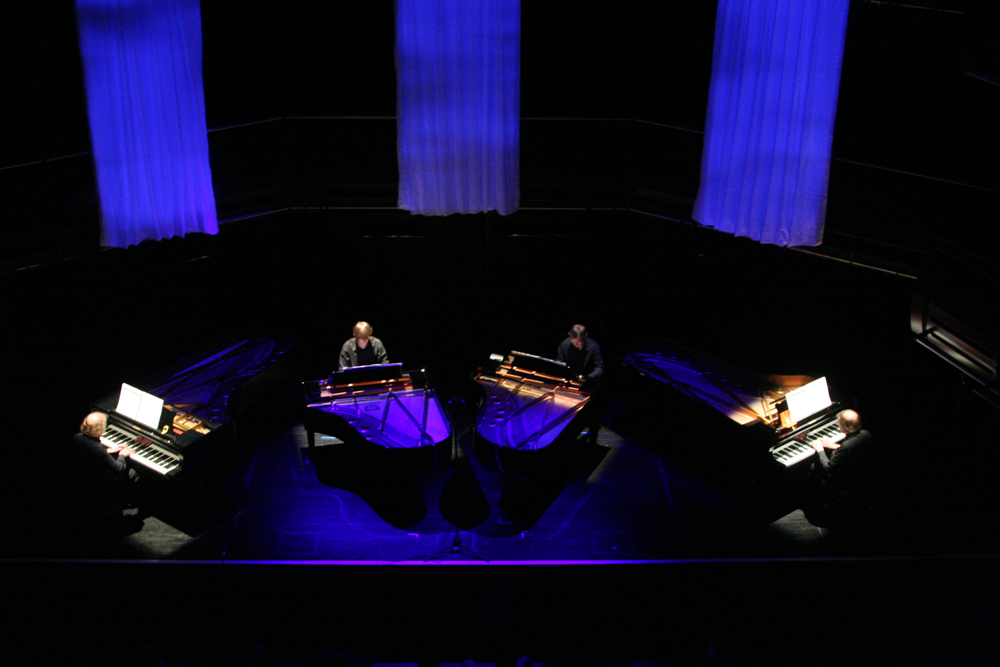
Julius Eastman’s Evil Nigger for 4 pianos performed by Joe Kubera, Kate Thompson, David Murray, Alan Fearon and Simon Passmore.
Sci-fi. After the club. Underground. Counter-narrative. Narrated movement. Cultural resistance. Wu Tsang and boychild’s collaborative performance series, will continue its evolution at Episode 9 with the addition of TOTAL FREEDOM.
Create your own badge designs, with collaging, drawings, stickers and more! Whether your badge is playful, political, expressive or just for fun this is a space to create something that feels like you.
The second in a series of workshops for workers and non-workers who care. What does the sharing of vulnerability entail? Can such a sharing inform progressive social relations?
There are core ways in which our listening to the radio differs from other kinds of listening. What happens when we pay attention to how we pay attention?
Relative patterns of occlusion and exposure occupy two screens. Each exposure fires a stroboscopic flash of colour: yellow for one screen; blue for the other, filling the centre of both screens with colour, haloed with after-images.
Two bottomless brunch writing workshops—with readings—speculating the relationship between space, infrastructure, technologies and sex.