What is the Sound of Freedom?
Ultra-red
For day five of Ultra-red’s project, the investigation will review the previous work undertaken together, and perhaps draw up a summary of reflections and pose some future questions.
Arika have been creating events since 2001. The Archive is space to share the documentation of our work, over 600 events from the past 20 years. Browse the archive by event, artists and collections, explore using theme pairs, or use the index for a comprehensive overview.
For day five of Ultra-red’s project, the investigation will review the previous work undertaken together, and perhaps draw up a summary of reflections and pose some future questions.
Craig will give a guided reading of his handbook of exemplary instances of literary listening and will be joined by one of the selected authors, Vanessa Place.
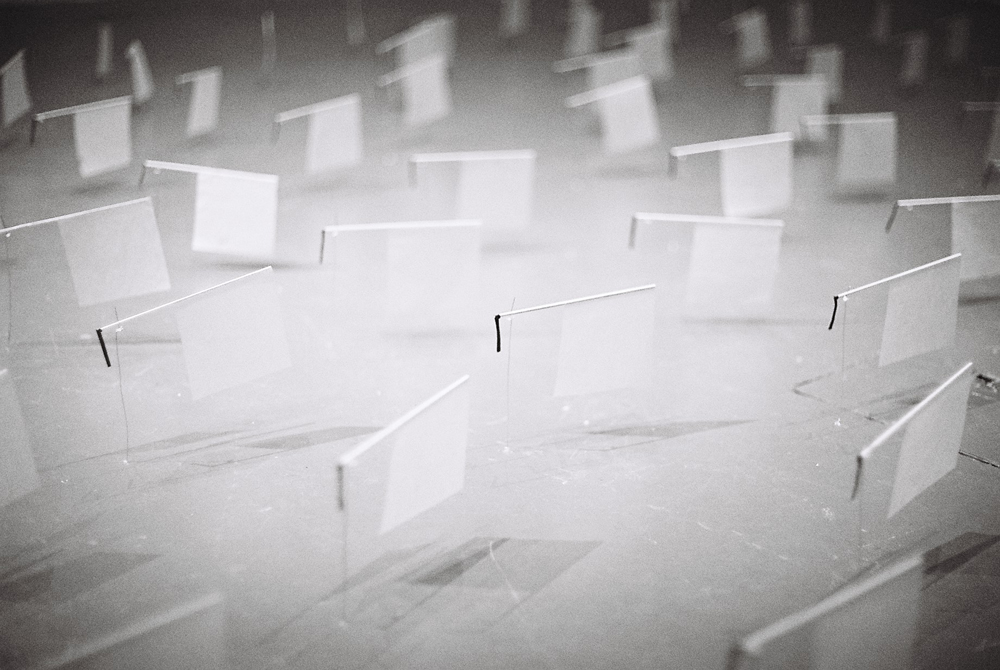
Like walking through the abstracted amalgamation of 30 or so storms, trays of water shaken by thunder, light bouncing off pools.
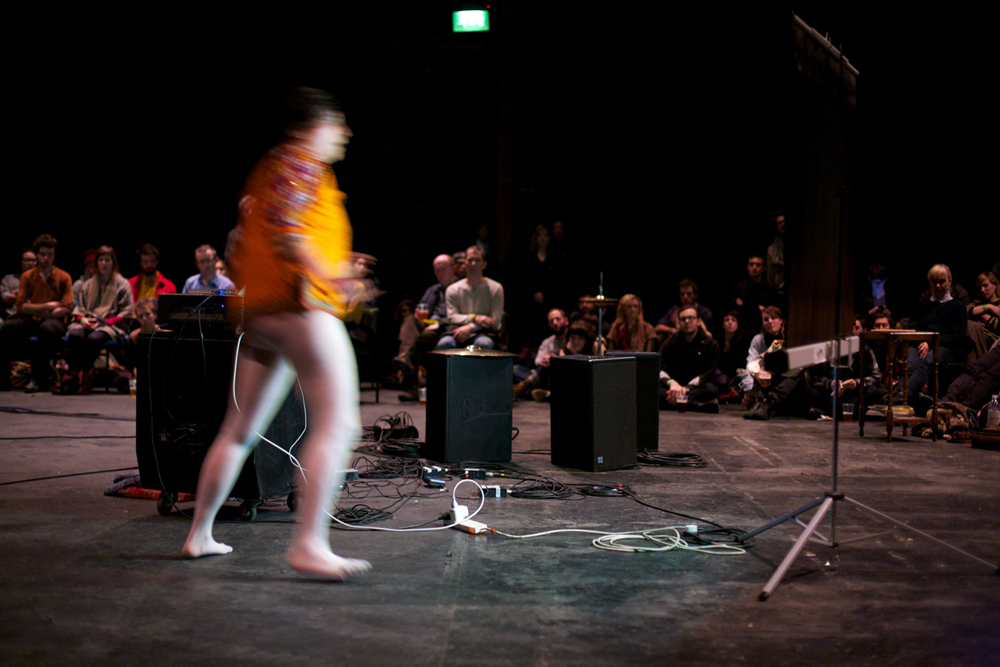
A trio of Tamio’s screaming and immovable slabs of sound; Mico’s dance/ performance/ piano; Fritz’s absurd, flailing percussion/ voice.
Nothing if not repetitive, film is founded on the incremental succession of minute difference. But how does repetition of the same play out, and is it a tool to comment on the standardising repetition of the mass media?
Sound as it is endured by space and the body: 15 participants lie face down and pound the floor with a microphone one thousand times, each person choosing their own rhythm and intensity.
Electronic music, time, thought, the word, and consecutive matters
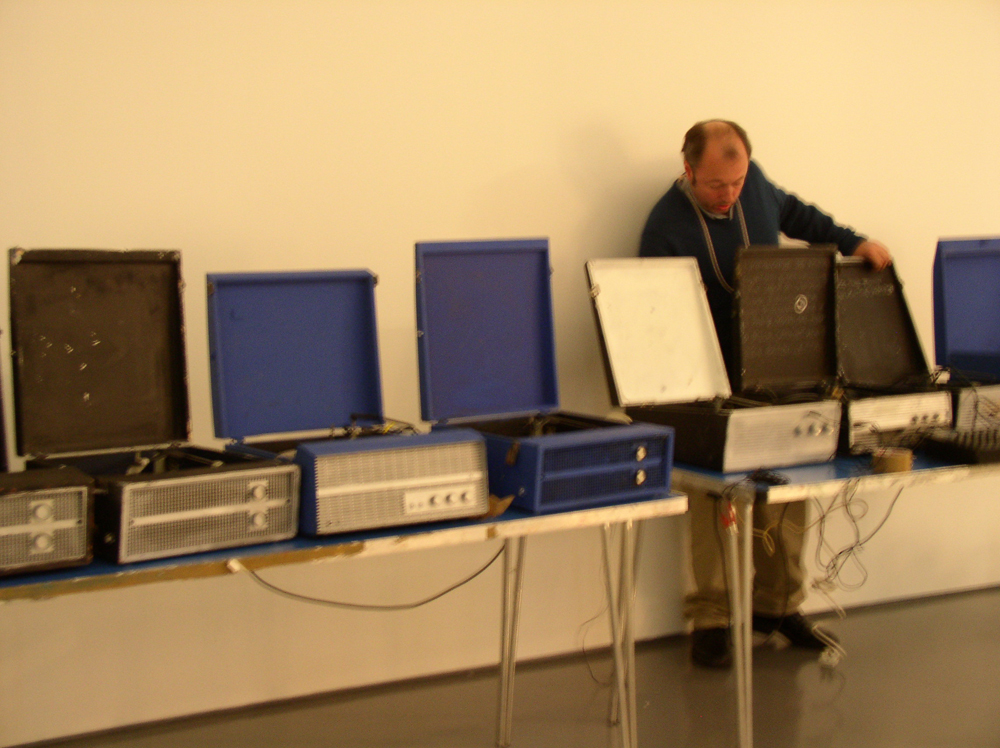
Equal parts spectacle, installation and performance, his set for us is a specially developed work, ‘turning’, which features an orchestra of multiple turntables, 4 projections and a collection of old, and, quite probably, misfiring analogue kit.
Could cruising and random public sex be the basis of an ethically organised society? A discussion with Jackie Wang, Samuel R. Delany and Huw Lemmey.
The second edition of the INSTAL festival broadened it’s scope to include performances from Francisco Lopez, Phil Niblock, Stefan Mathieu, Alva Noto, Ryoji Ikeda and John Wall.
How do communities formed under the duress of violent othering and the joy of solidarity – such as ballroom culture, Black diasporas, Zapatistas – reform bonds of kinship?
Tormented and drawn-out high-pitched yelps and drones, all interleaved with periods of torpid silence.