What is the Sound of Freedom?
Ultra-red George Lewis
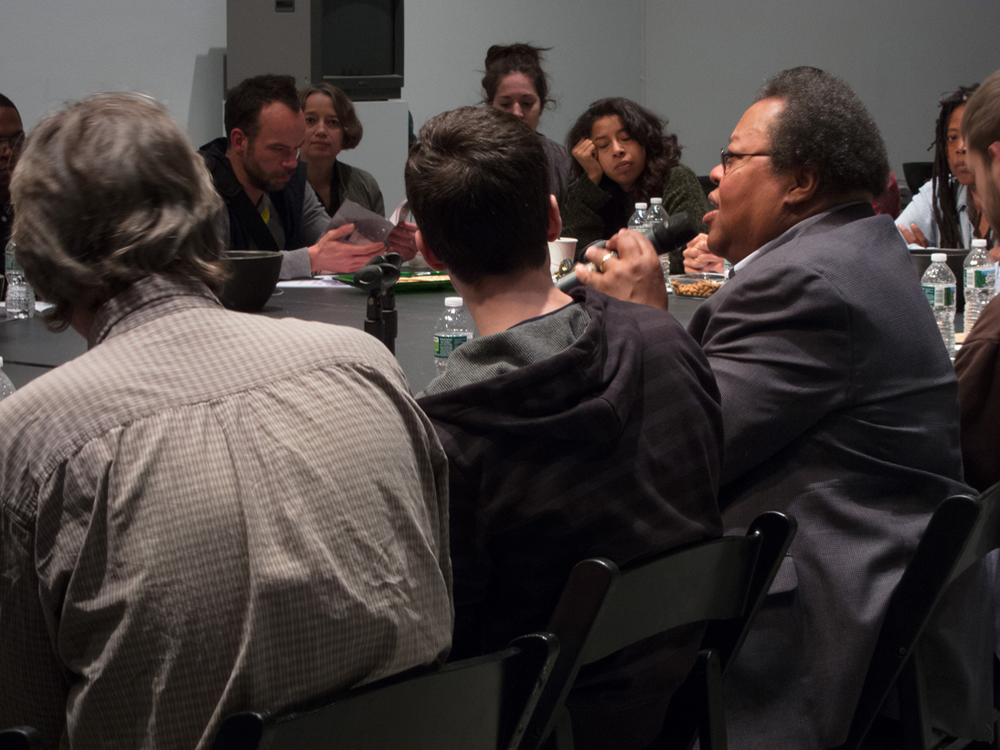
For day one of Ultra-red’s project, the investigation will take up protocols for listening to the sound of freedom composed and facilitated by George E. Lewis.
Arika have been creating events since 2001. The Archive is space to share the documentation of our work, over 600 events from the past 20 years. Browse the archive by event, artists and collections, explore using theme pairs, or use the index for a comprehensive overview.
For day one of Ultra-red’s project, the investigation will take up protocols for listening to the sound of freedom composed and facilitated by George E. Lewis.
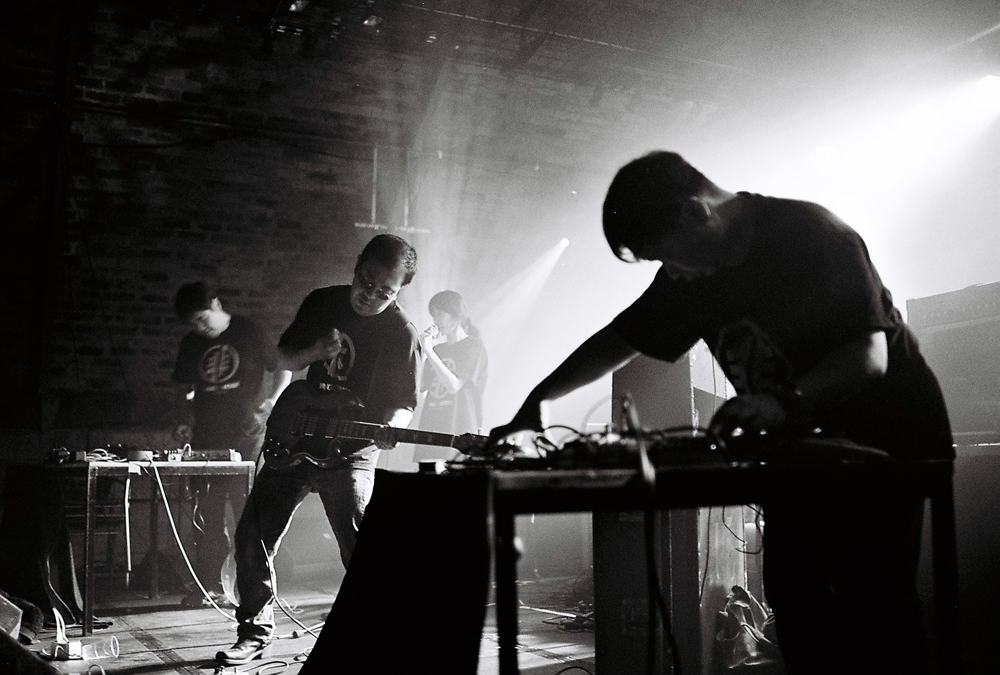
Hijokaidan rapidly built a following due to the overwhelmingly physical intensity of their live performances, often involving destructive onstage rituals of vomit, urine, mangled guitars and ear shredding volume.
A sung-through Nubian musical ballet. A darkly humorous take on sexual trauma and what magical and ancestral tools might heal it.
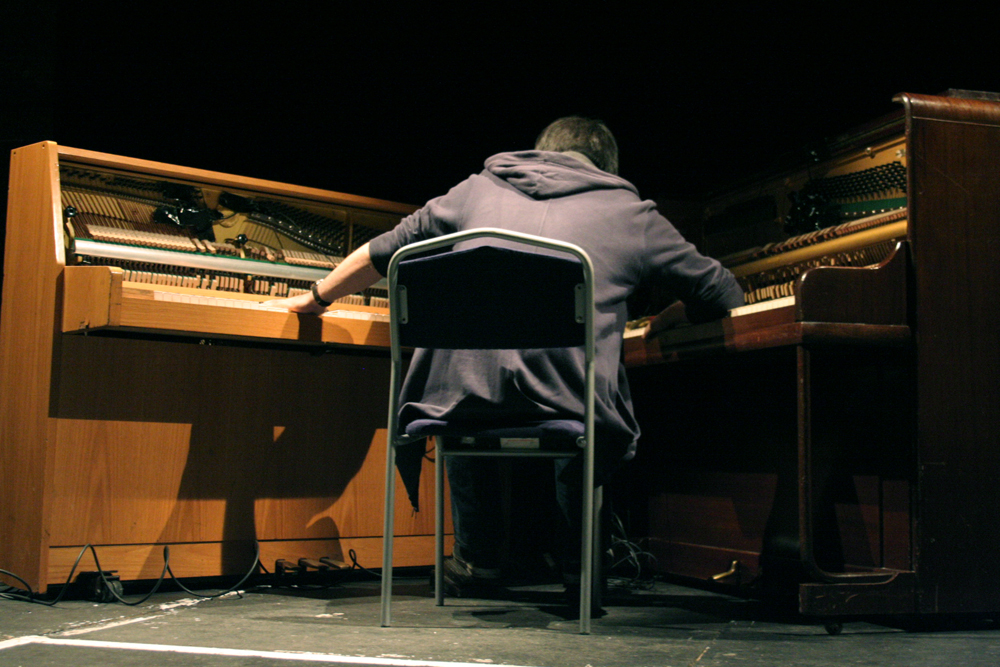
Sachiko’s very simple, pure sine tones and structures. Otomo on double pianos. Filament’s music isn’t composed and it isn’t improvised: it’s a hybrid of the two.
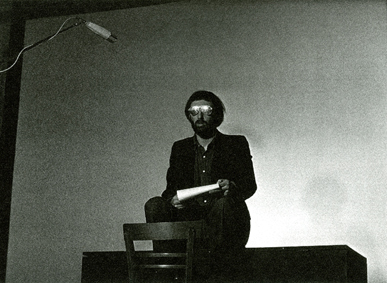
Recently rediscovered but still very pertinent, Kino Beleške presents a series of speech acts and performative gestures by protagonists of the new artistic practice in former Yugoslavia: each a personal take on the role of art in society.
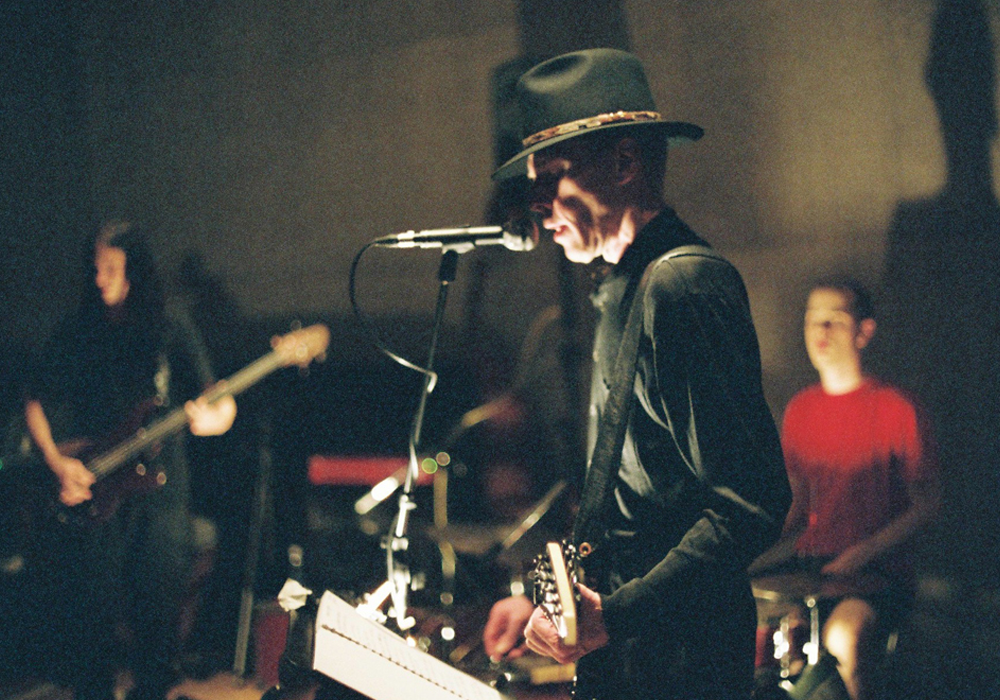
Performances at Anthology Film Archives by by Loren Mazzacane Connors, Alan Licht & Jandek.
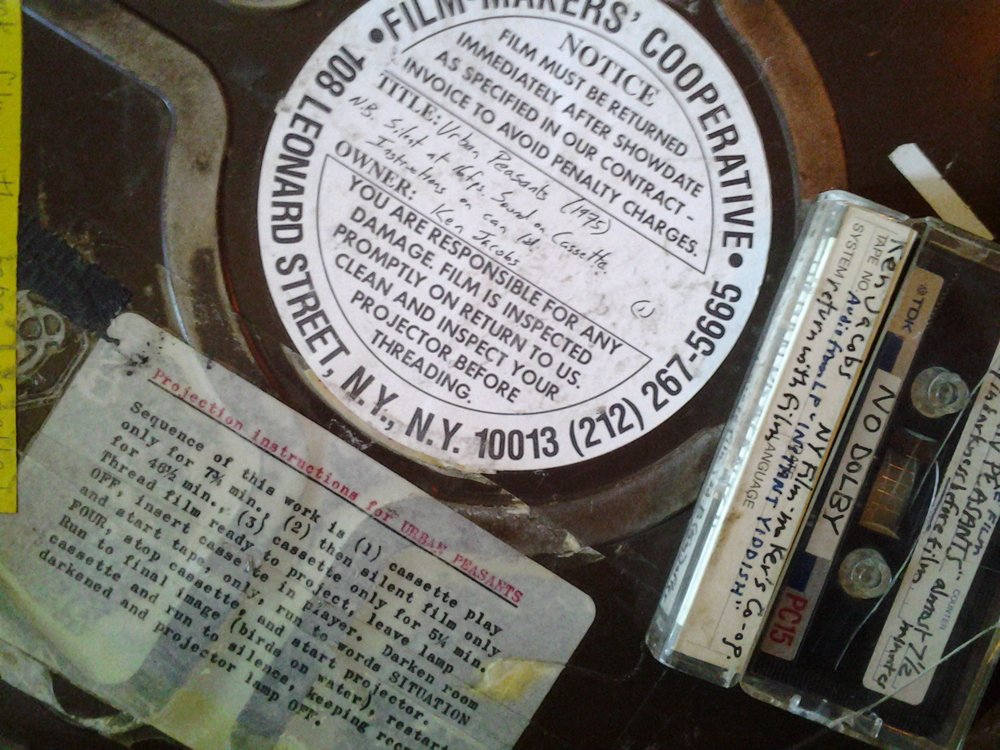
Do almost nothing: re-present (unaltered and arranged by chance) silent family home movies handed down to Flo, (Ken’s wife) and follow them with a “teach yourself Yiddish” cassette tape.
Investigating the border between the audible and the visible means looking at the margins, the edges of creativity where artists test out new boundaries and define them anew.
The worlds leading radio art station brings you: a performance, a radio show, an installation, an endurance test.
An improvised film about our worlds at the brink, on the edge, in front of a crisis. To stand on the side of life, by seeing the resistance to genocide in Palestine as a turning point to overcome.
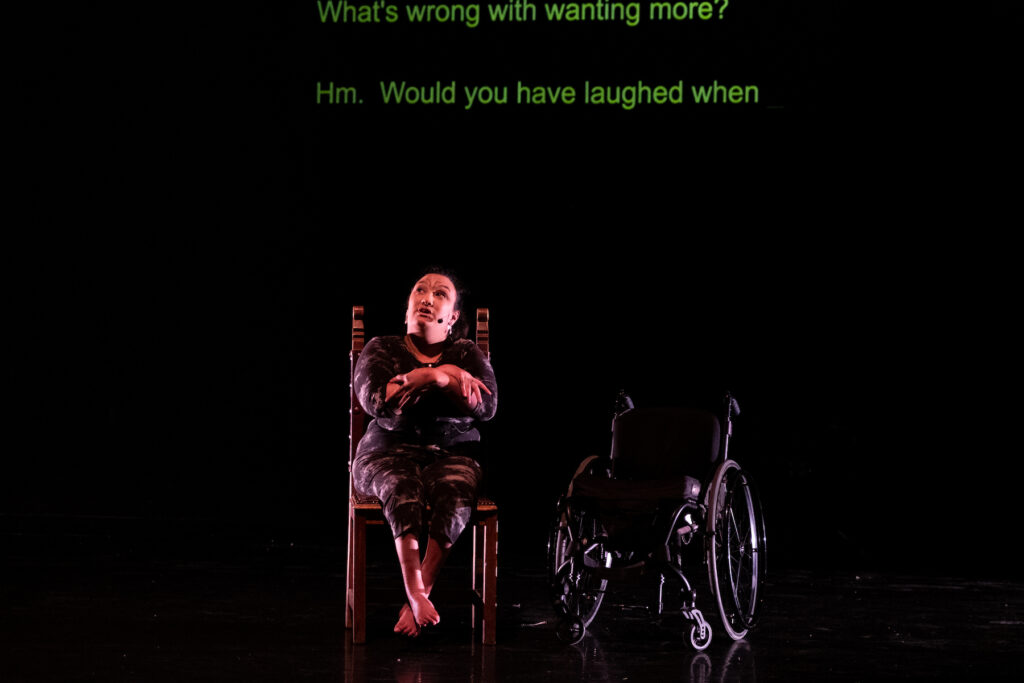
When we look, how do we objectify the body; how can we reflect on our (self) image as a construction?
Haunted by the archive of the New Cross Fire, Jay Bernard presents a film and poetry reading that undertakes a queer exploration of black British history, reconstructed from archives and apparent debris.