Lethe
Kiyoharu Kuwayama
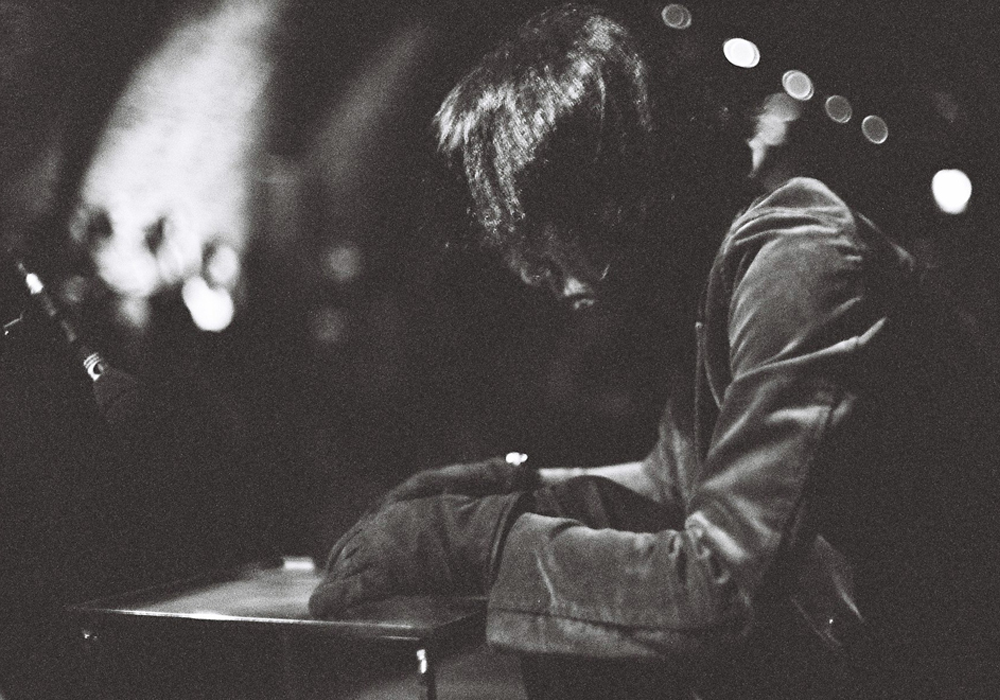
A performance for dry ice and four specially constructed steel tables, each one heated by a single candle until searingly hot.
Arika have been creating events since 2001. The Archive is space to share the documentation of our work, over 600 events from the past 20 years. Browse the archive by event, artists and collections, explore using theme pairs, or use the index for a comprehensive overview.
A performance for dry ice and four specially constructed steel tables, each one heated by a single candle until searingly hot.
How do communities practice being one another’s means, addressing their material problems facing them replicating the state’s violent logic of who is disposable.
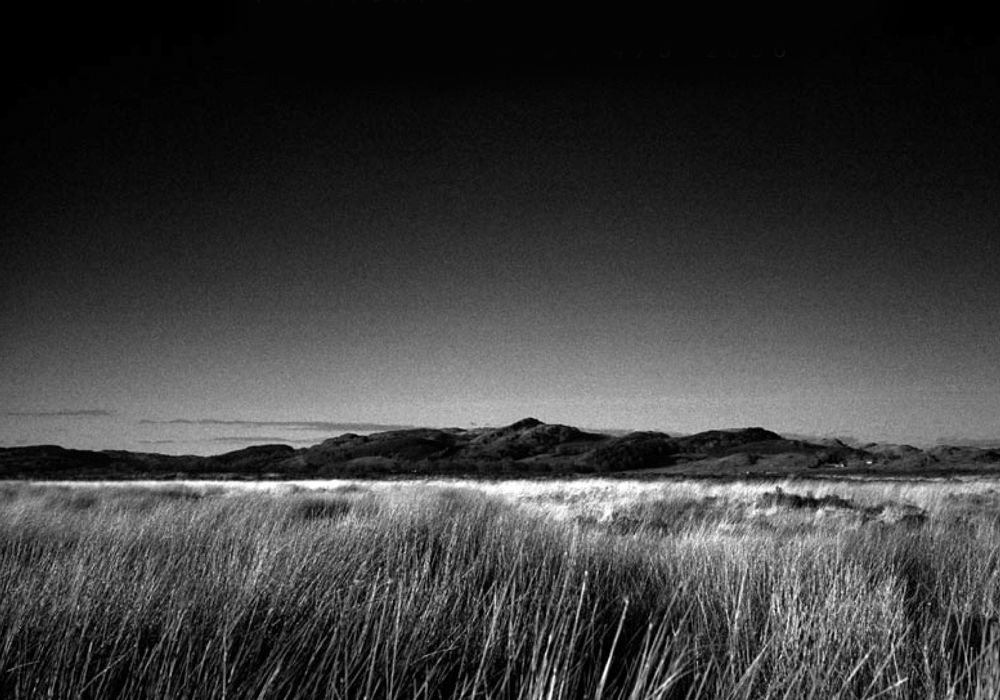
NVA asked Arika to curate and programme the sound aspects of their 2007 Half-Life production in Kilmartin Glen. Arika worked with Toshiya Tsunoda, Lee Patterson, Rhodri Davies and Angharad Davies.
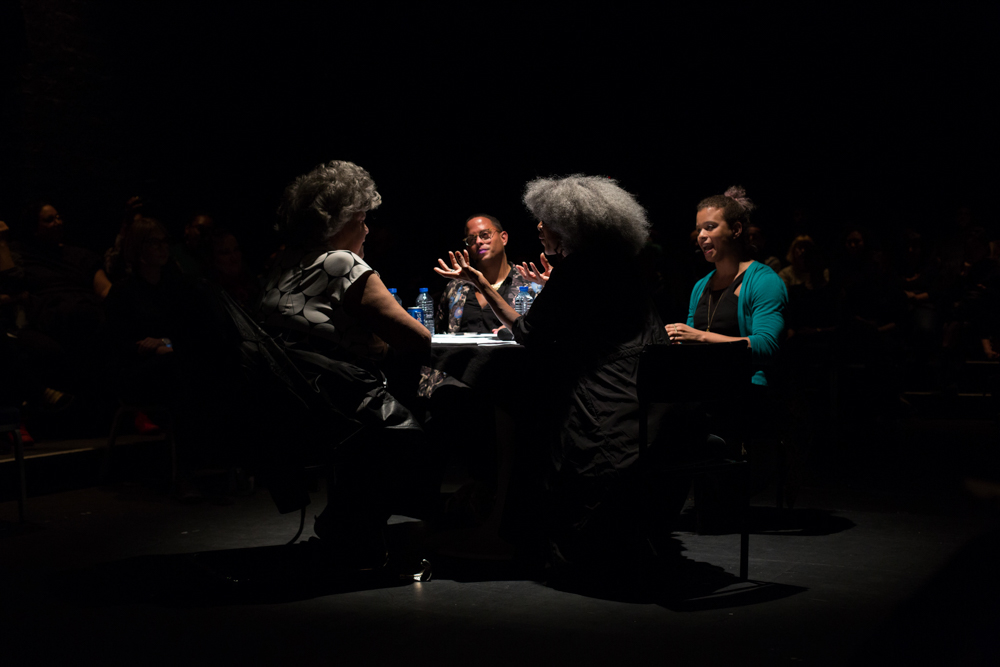
A panel exploring the radical potential of technologies through fugitivity and opacity: their ability to obscure, to make it impossible for us to be known, to render us untraceable by every arm of the state even under the all-consuming spectre of surveillance capital.
What’s the relationship between the eternal hum of the oceanic beloved and the persistence of vorticity in fluid dynamics? And how does Alice Coltrane’s harp help us stay there?
John Mullarkey sets in a wider context our understanding of Alain Badiou and Francois Laruelle, two of the most radical philosophers in Europe today.
A performance of Ueinzz’s new play. Each Ueinzz performance is a process of reinvention, between exhaustion and a fleeting vision: singular, collective, anonymous, plural, suspensive, intensive, unworking life.
The Scottish based Paragon Ensemble has commissioned David Fennessy to compose music for Instal, which will be performed during the evening.
Ian and Gil will host a discussion on the Argument project’s social and political commentaries, and with you try and maybe think through whether and how they might still have some currency today: what’s changed and what’s stayed the same?
Renouncing the bind of the written word, Chopin’s sound poetry is a magical evocation of the pure powers of the voices, stripped bare of language.
Lo-fidelity sheets of parinirvanic mangled tone get driven into oblivion by two longstanding gurus of the Northern England primitivist noise.
Dworkin asks: What would a non-expressive poetry look like? A poetry of intellect rather than emotion?