A Plot, A Scandal
Ligia Lewis
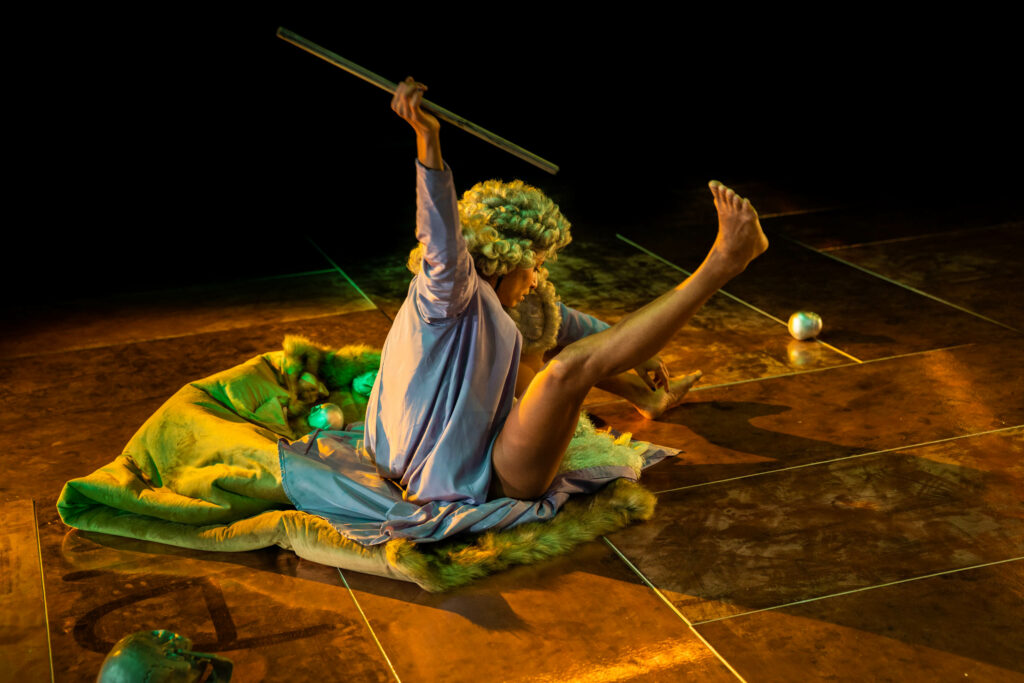
Conceptual choreography as critique, in Ligia’s film of Caribbean plots and scandals, and the possibilities of anti-colonial revenge, rest and repair.
Arika have been creating events since 2001. The Archive is space to share the documentation of our work, over 600 events from the past 20 years. Browse the archive by event, artists and collections, explore using theme pairs, or use the index for a comprehensive overview.
Conceptual choreography as critique, in Ligia’s film of Caribbean plots and scandals, and the possibilities of anti-colonial revenge, rest and repair.
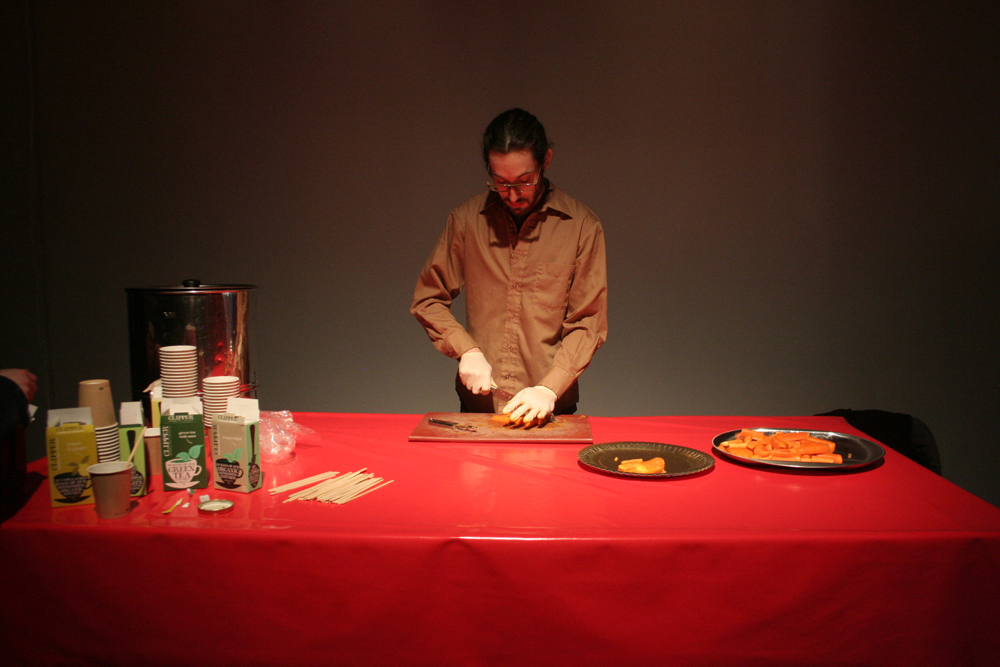
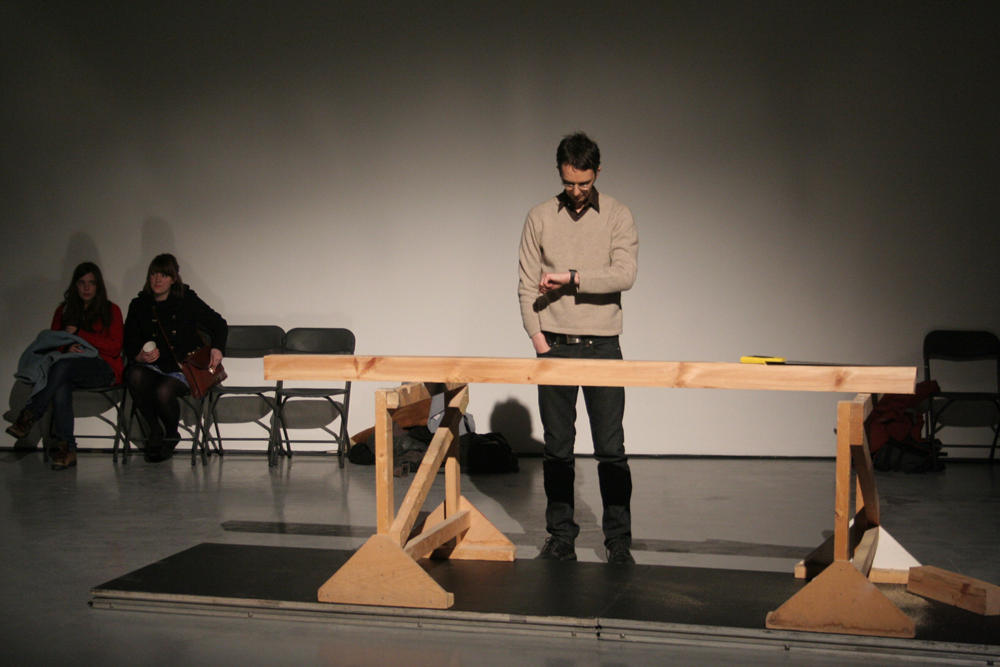
Jarrod Fowler and Christof Migone kick things off with performances involving edible plants, a saw, dandruff, and Christof responding to the prompt: “as far as you can for as long as you can.”
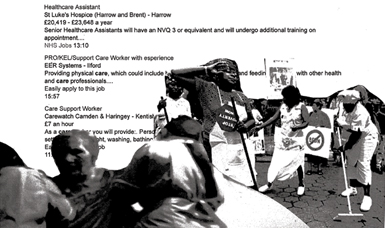
First in a series of workshops for workers and non-workers who care. Does work that asks us to be attentive to the needs of others force us to sell our capacity for kindness?
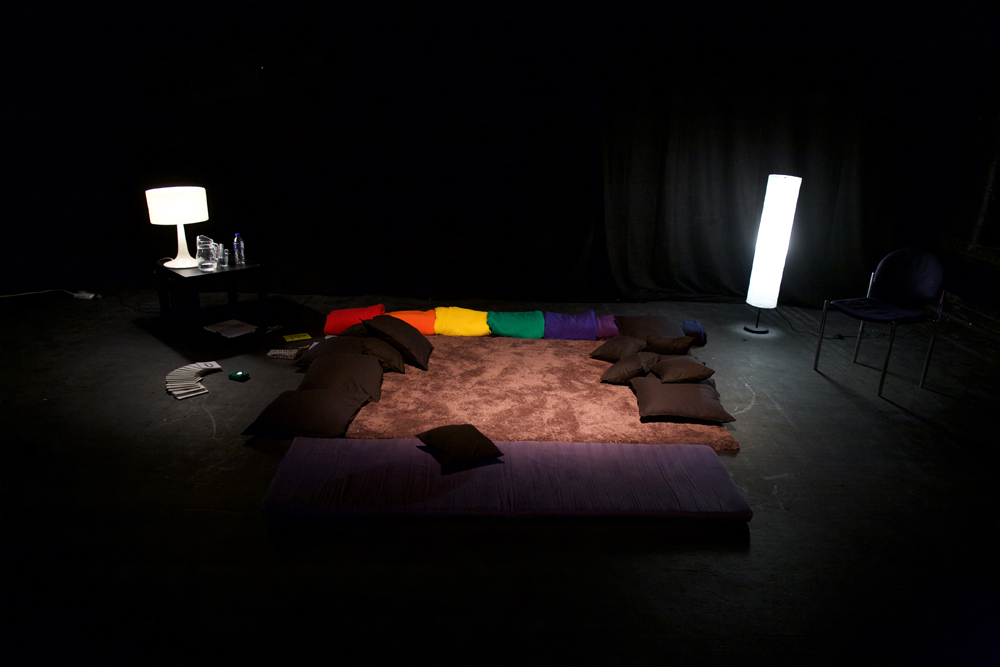
Three intimate 45 minute sessions, readings of your political questions – using Tarot, Palmistry, Reiki, Astrology, and Philosophy, and the invented methods of Fake and Political Therapy.
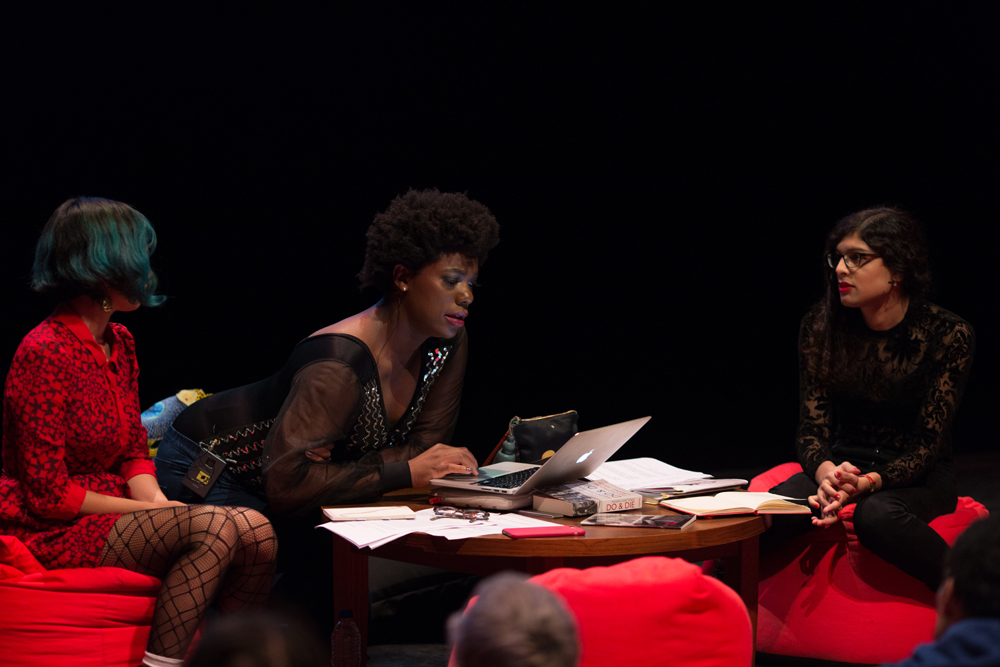
Thought and action, writing and protesting. A chat with Nat Raha, KUCHENGA and Jackie Wang asking what can be learnt from writing across genres by agitators, activists and abolitionists?
Can we use sound, repetition and difference to personally and collectively engage with space, time and labour?
Complexly interacting colossal drones by the creator of some of the most legendary yet least heard music of the 70’s.
Patented 60 cycle hums, static pops, and terse electron pinpricks mutated into perfect, post-techno grooves and synaesthesic video
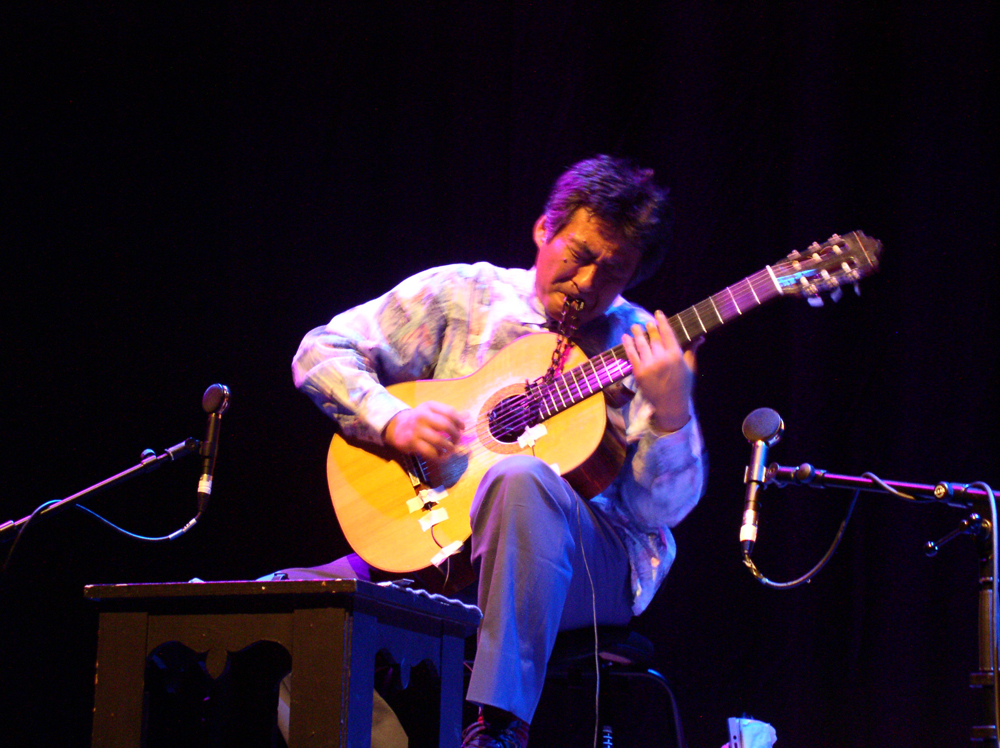
One of the most arresting and unique improvisers in Japan, creating an original and powerful body of free music.
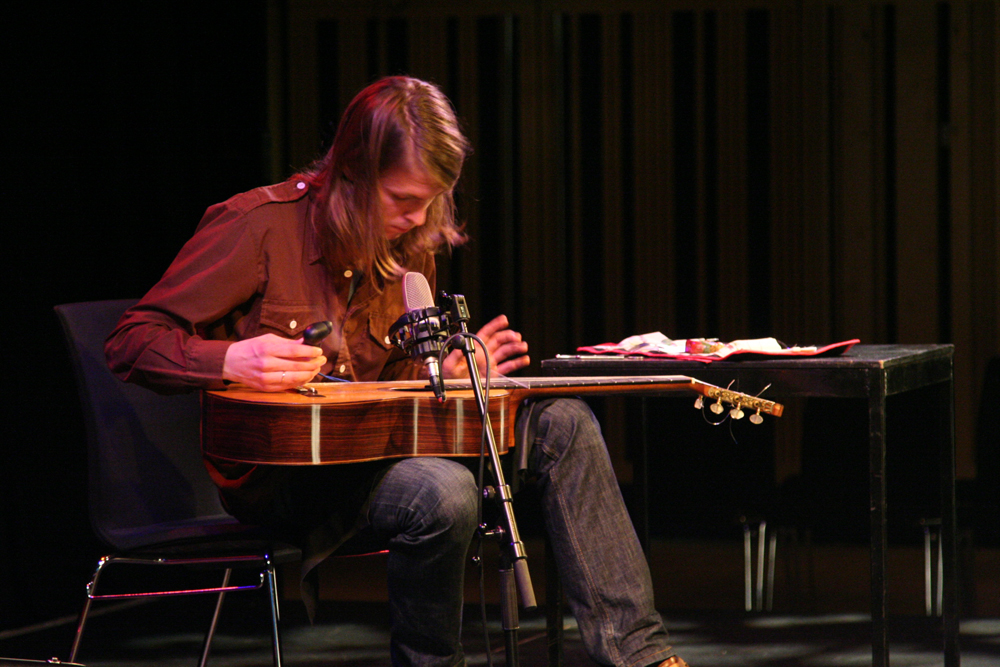
A guitar solo of frugal wringing, of notes in the dark, an attitude of making everything count.
A sound diffusion piece by Glasgow University’s Musica Electronica, and a further selection of electroacoustic performances.
Dworkin asks: What would a non-expressive poetry look like? A poetry of intellect rather than emotion?