Self Cancellation – Seed Burn / adh
Lee Patterson Rhodri Davies
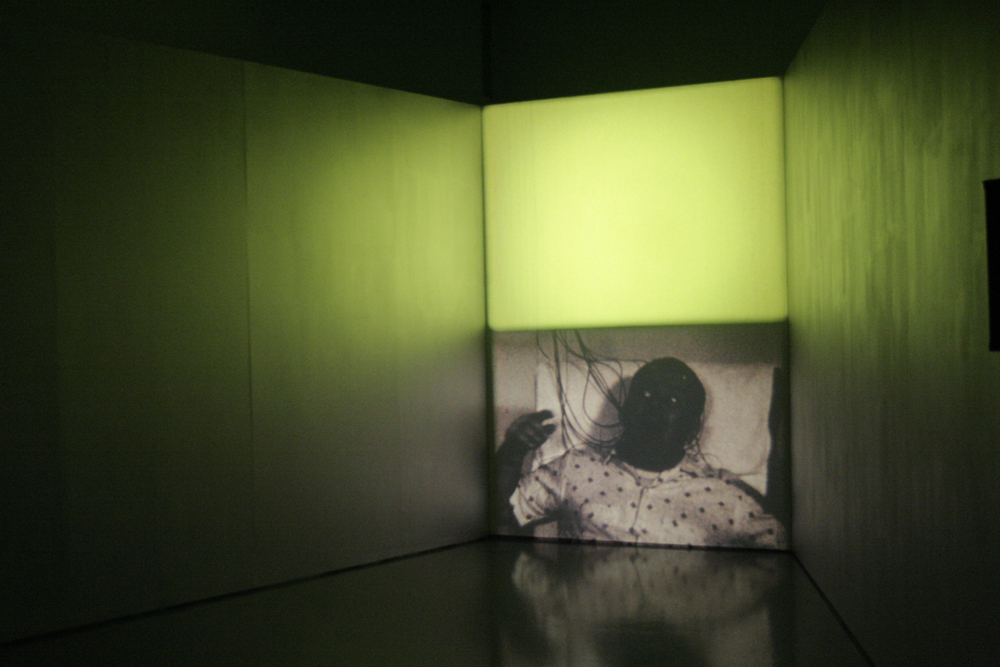
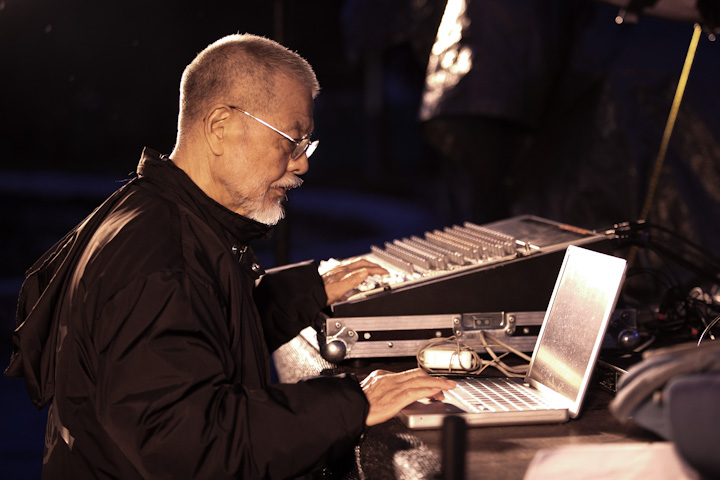
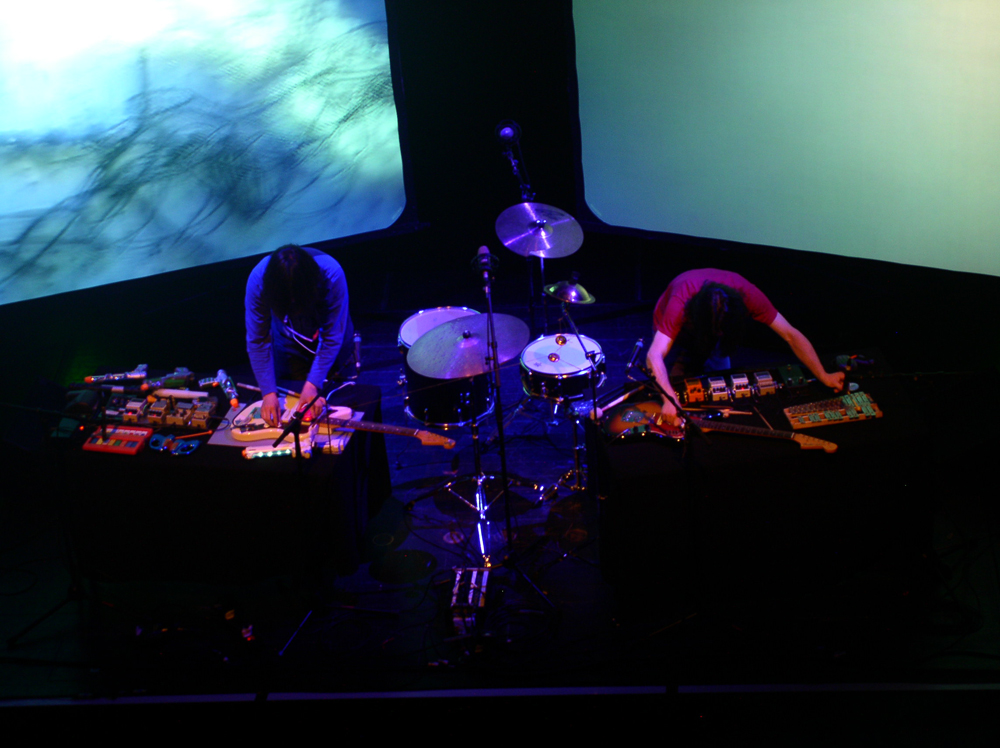
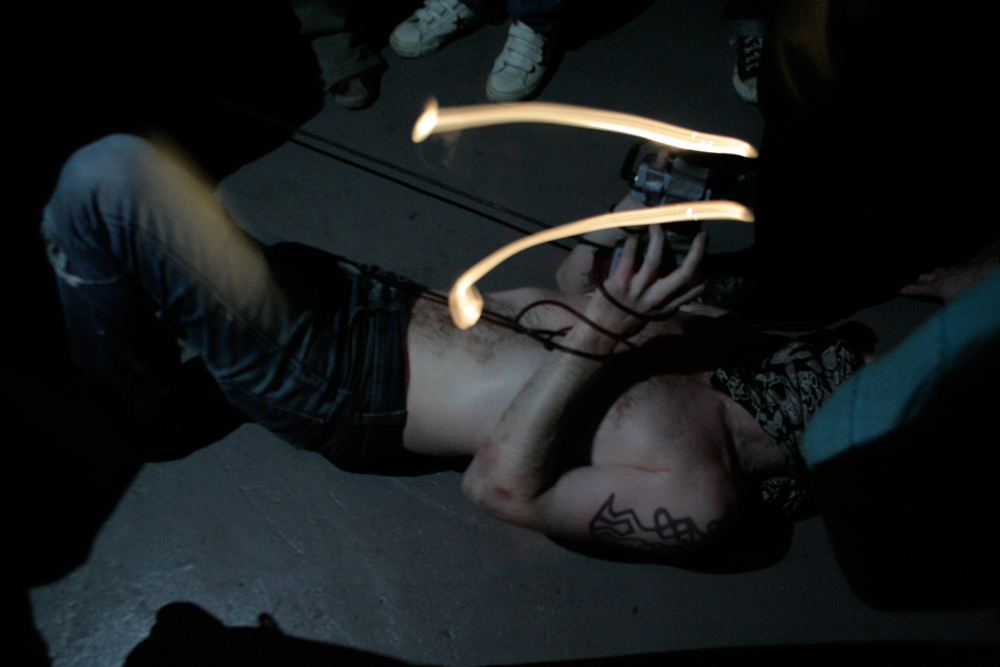
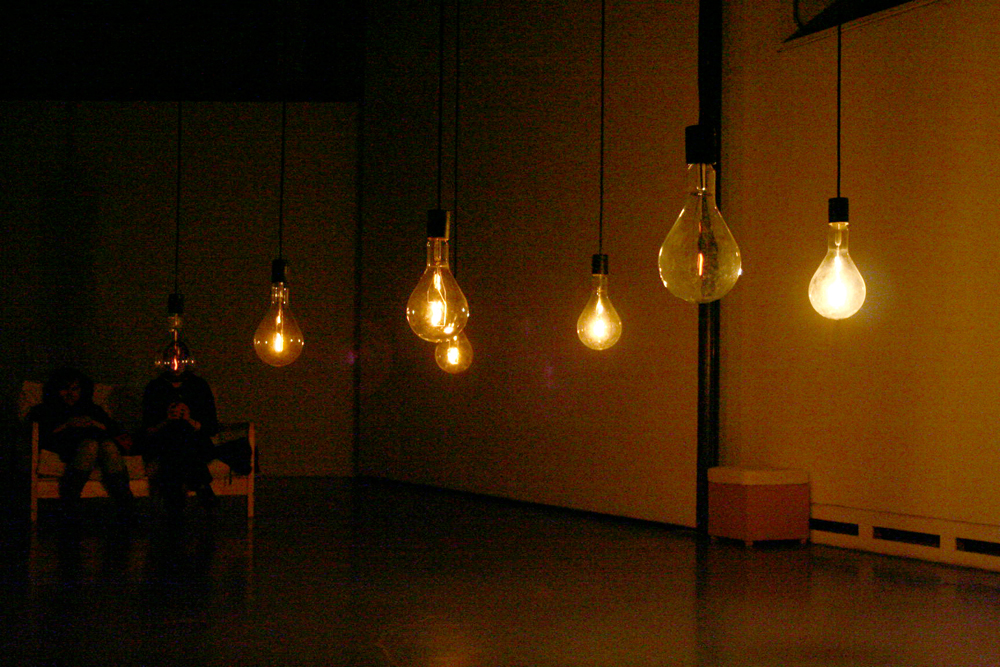
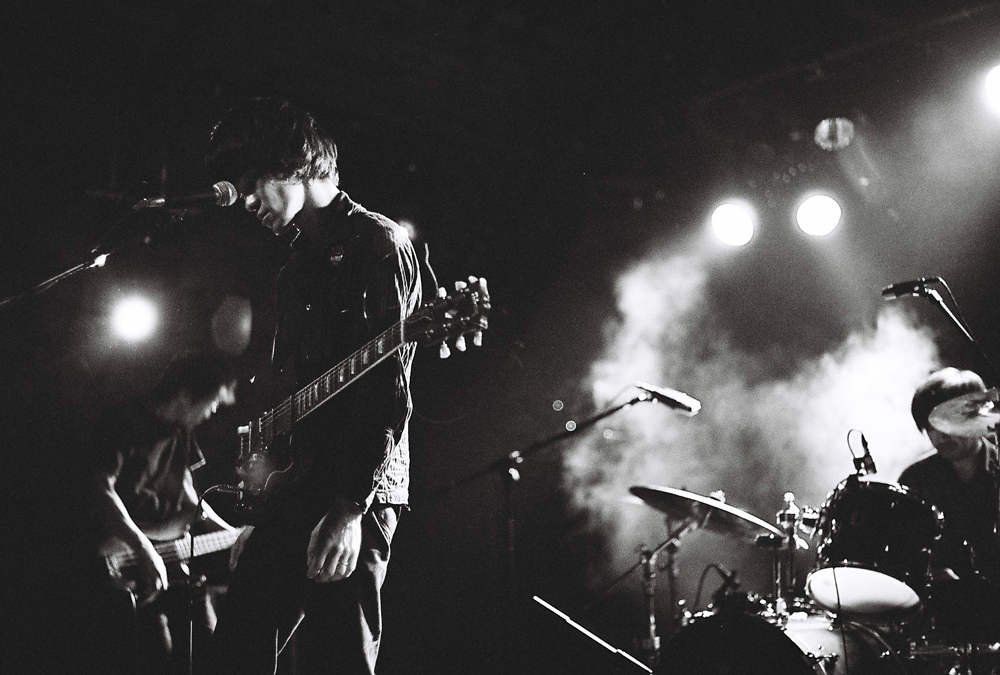
Rhodri Davies plays two deconstructed harps. Lee Patterson examines the sonic properties of burning nuts.
Arika have been creating events since 2001. The Archive is space to share the documentation of our work, over 600 events from the past 20 years. Browse the archive by event, artists and collections, explore using theme pairs, or use the index for a comprehensive overview.
Rhodri Davies plays two deconstructed harps. Lee Patterson examines the sonic properties of burning nuts.
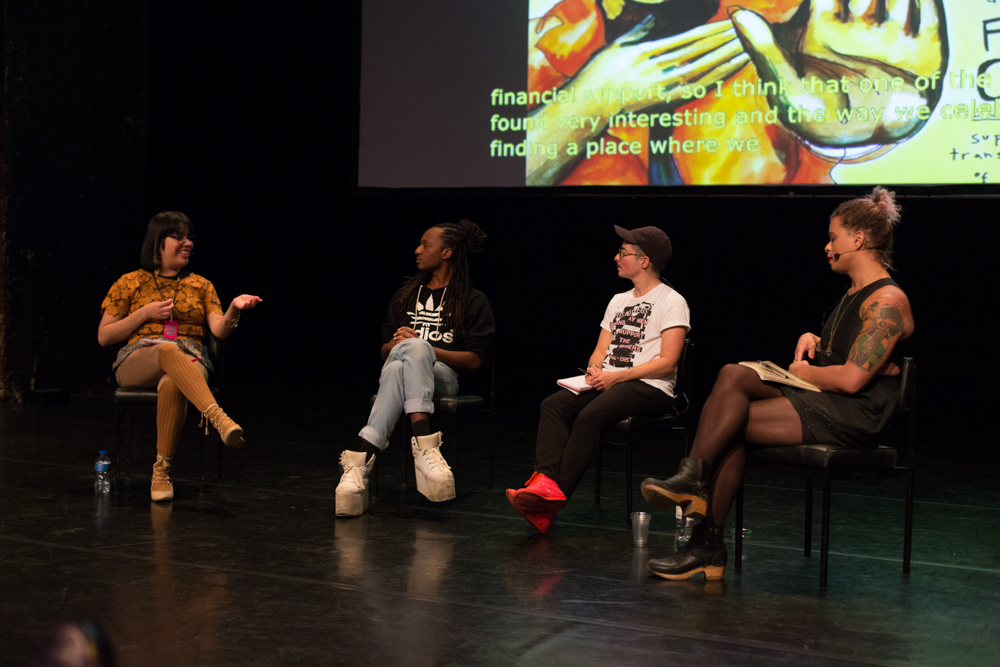
Voguing, drag, clubbing, and the politics of communities making different performances of gender and sexuality visible.
Nikos played every note that it’s possible to play on the cello, all played back as a one hour drone, while the cello was turned to powder and bottled.
ACCESS: SOUND FILE A day-long salon accompanying KYTN focusing on sound art.
A 2-day workshop to deconstruct our classed experiences and the ways in which we reproduce the same class system we fight against, in order to create a stronger, more egalitarian Scottish art sector.
During their time in Scotland for Instal 06 Dave Dove, Bhob Rainey and Greg Kelly did some improvisation workshops and performances in and around Glasgow.
The first performative part in a game of chance and endurance as actor Tam Dean Burn constantly broadcasts for 24hrs.
The Truth and Lies book project emerges as part of a rising tide of sex worker art and organised struggle to end criminalisation and stigmatisation of sex work.
A Performance exploring the nature of acousmatic listening; sound removed from visual context and understood for it’s own properties.
Three speakers play back pre-recorded sounds, Marc listens and responds: “What is played is the imperfect witness of what I listen to (or maybe better, how I listen).”
In this interactive workshop, Dean Spade, author of Mutual Aid, will share key principles, explore common challenges in mutual aid work, and offer tools for working through them.
Final workshop exploring work, care and class. Does the ‘care industry’ summon forth its own class? Can this ‘affective class’, in their ability to care for others, militate against the carelessness of self-interest?