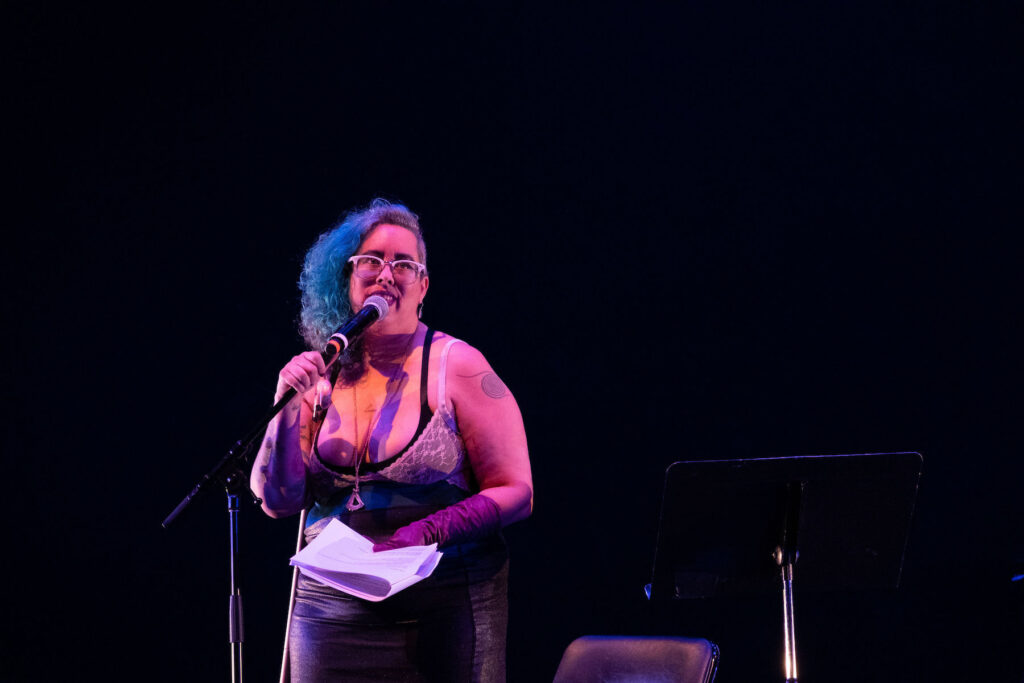
No Church in the Wild
Jack Halberstam
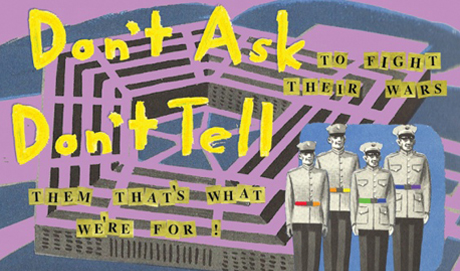
Can we find ideas of queer anarchism, failure and low theory in popular culture?
Arika have been creating events since 2001. The Archive is space to share the documentation of our work, over 600 events from the past 20 years. Browse the archive by event, artists and collections, explore using theme pairs, or use the index for a comprehensive overview.
Can we find ideas of queer anarchism, failure and low theory in popular culture?
By focusing on the things that most people don’t notice or pass by uncaring – Steve Roden crafts gentle, sparse and metaphorically loaded compositions.
A voice that can vault from an elegantly whispered insinuation to asphyxiated and murderous barks or squalls in a heartbeat.
Thuja specialise in a unique and abstract folk music, a devoutly organic tapestry deeply rooted in the sway and bow of nature.
The pieces in the programme switch between silent film/ imageless sound, but we wanted to have a think about how ideas can take up residency on either side of the sound/ image border, without having to inhabit both at the same time.
The first of two short film programmes featuring works that blur the boundaries between music and film from artists who cross and redefine those long held divisions. This programme focuses on the forebearers of filmic and musical innovation over the last 70 years.
Ten short intimate one-on-one conversations with Robert Softley Gale – We all want to see ourselves reflected in the world around us—in society, in art, in culture… in porn?
Killer of Sheep is an undisputed masterpiece of African-American filmmaking and one of the most poetic, perceptive dramas ever made about family and community.
A chat with Eugene Thacker. Can we rethink the world as unthinkable, and without us?
Paul Sharits’ Shutter Interface is a multi screen installation born of an intent to reveal the material substance of cinema in its purest form: spatially.
Guy Sherwin gives a kind of annotated, chat through his optical sound films
Rather than asking the state for services, what kinds of change are made possible when we prioritise people supporting each other?