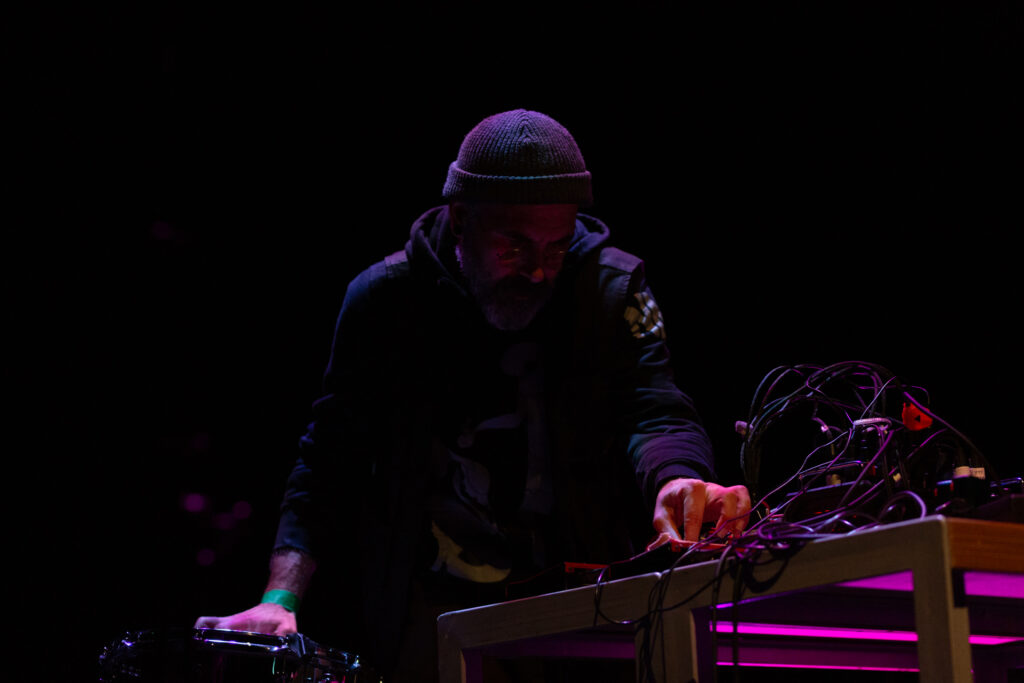
Based on a True Story – 1986
Rashad Becker
The most sophisticated synthetic music around: timbrally otherwise body music as sonified fictions and auditive sociograms.
Arika have been creating events since 2001. The Archive is space to share the documentation of our work, over 600 events from the past 20 years. Browse the archive by event, artists and collections, explore using theme pairs, or use the index for a comprehensive overview.
The most sophisticated synthetic music around: timbrally otherwise body music as sonified fictions and auditive sociograms.
In this workshop we will imagine ourselves as time travellers from a glorious and chaotic neurodivergent-led future.
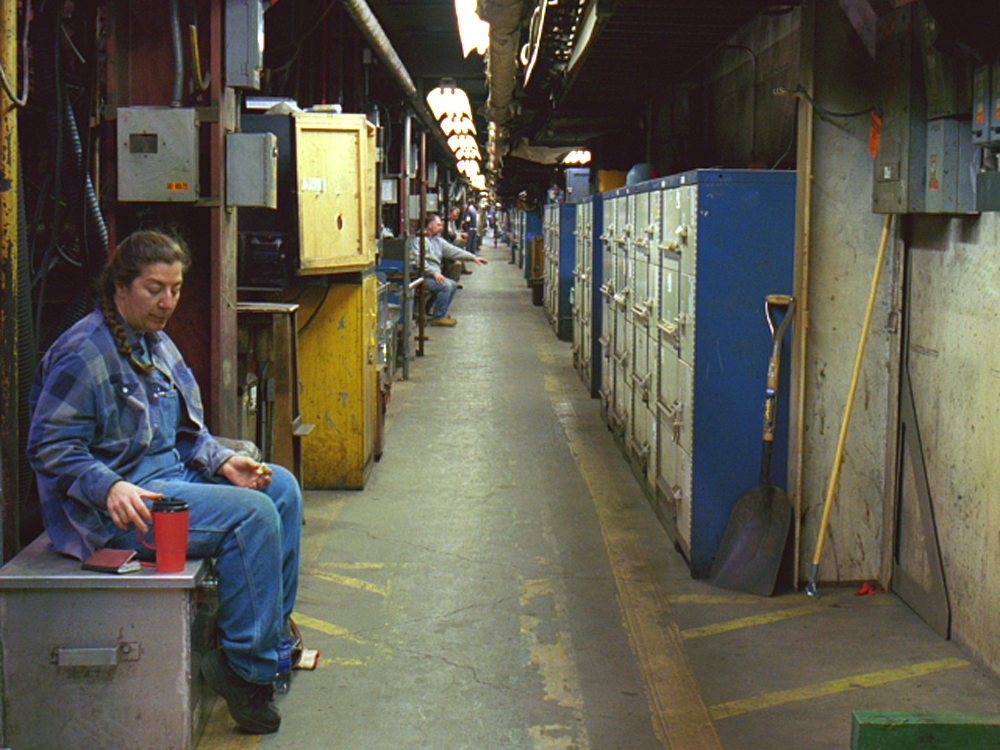
A slowed down single tracking shot along a corridor as workers at the Bath Iron Works, (Maine, USA) take their lunch break.
Complexly interacting colossal drones by the creator of some of the most legendary yet least heard music of the 70’s.
Looking at and listening to different ideas about sound and music, INSTAL 09’s collection of artists included Tetsuo Kogawa, vocalist Joan La Barbara, Phil Minton (and his Century FC feral choir), Austrian Actionist Hermann Nitsch, Steve McCaffery and many more.
A three-day celebration surveying all manner of diverse musical activities, which at their core share a basic kinship: one of exploration and the discovery of musical expresssion.
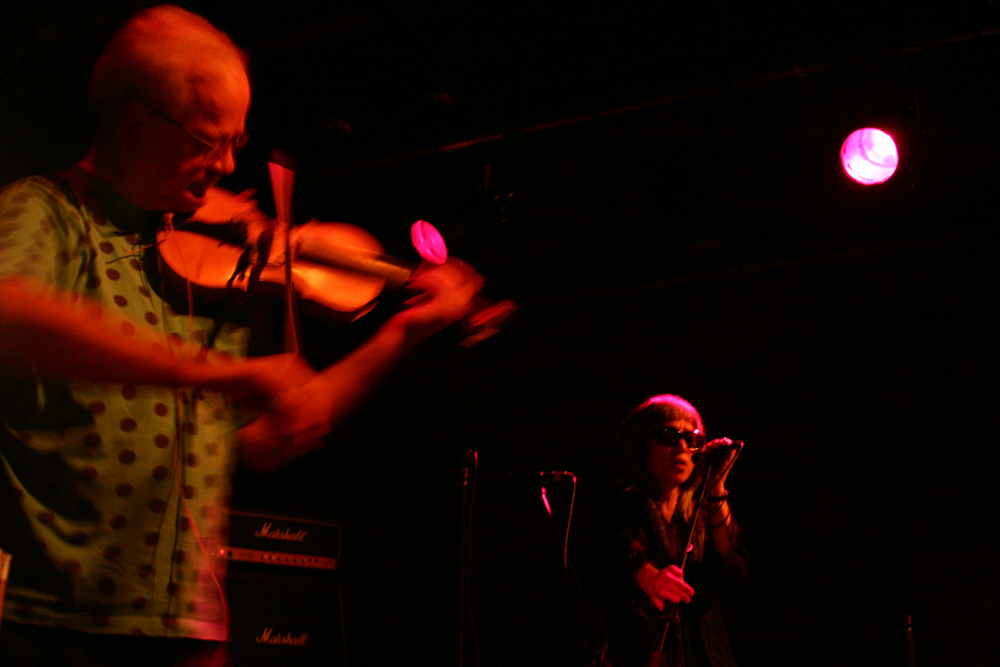
Although Tony had visited Haino in Japan, and they played together in private, this was the first time anyone other that Haino’s cat saw them perform together.
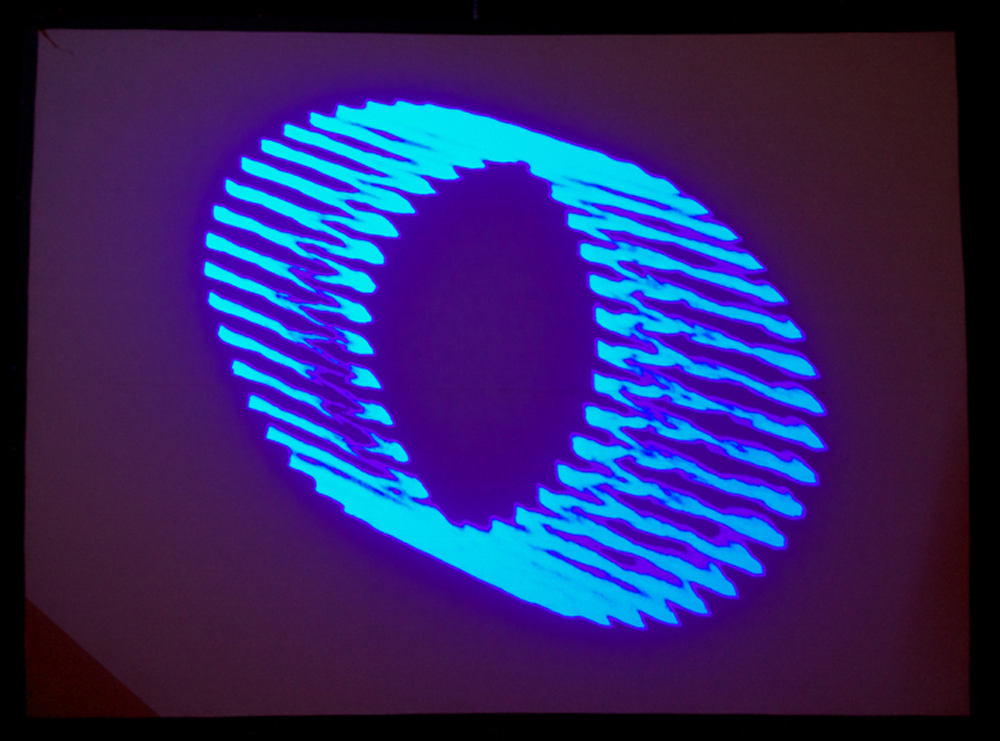
Exploring the interplay between punk sinewave aggression, high-speed video sequences and stroboscopic lighting
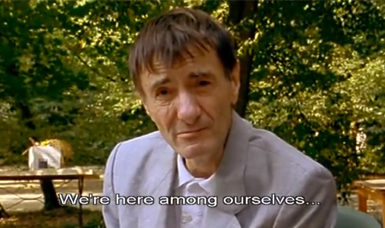
Dir. Nicolas Philibert
Documentary of La Borde clinic in France and its radical politics of experimentation, in which residents and staff reciprocate in a kind of entanglement, an opening up amongst themselves.
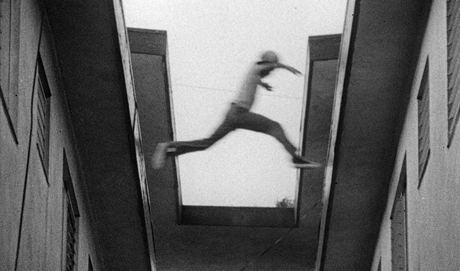
Killer of Sheep is an undisputed masterpiece of African-American filmmaking and one of the most poetic, perceptive dramas ever made about family and community.
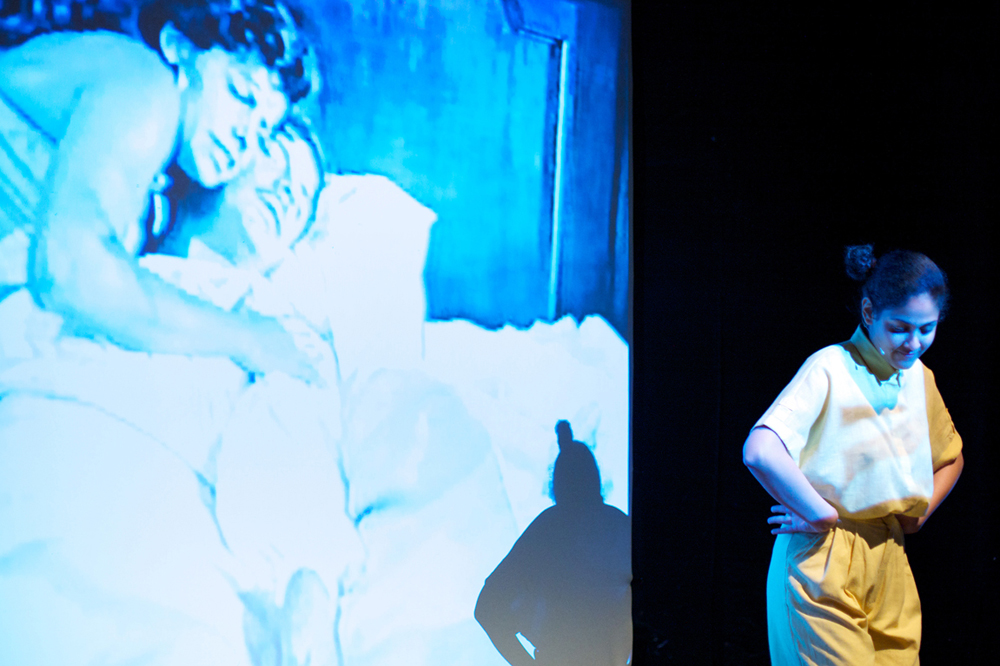
A performed film lecture exploring how the ‘Rumberas’ of Caribbean cinema of the 40’s and 50’s subverted demeaning images of themselves through dance, sound and a sociality that insisted on blackness as being a cultural performance, not simply due to skin colour.
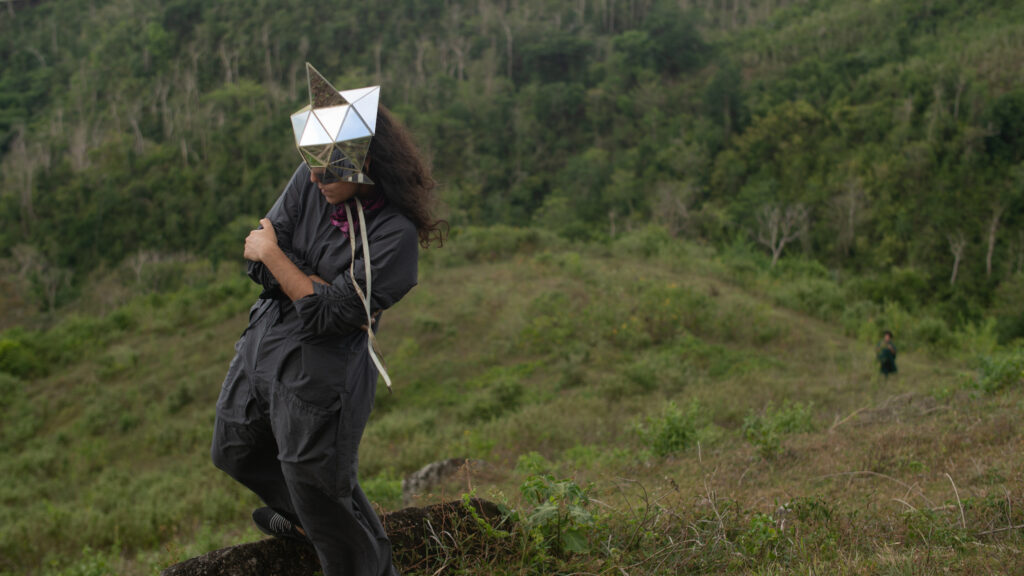
Beatriz will explore her thinking, on film as translation, plural subjectivity or land-based militancy. Discussion will centre around her work Oriana and its companion piece Oenanthe, which will be screened in full.