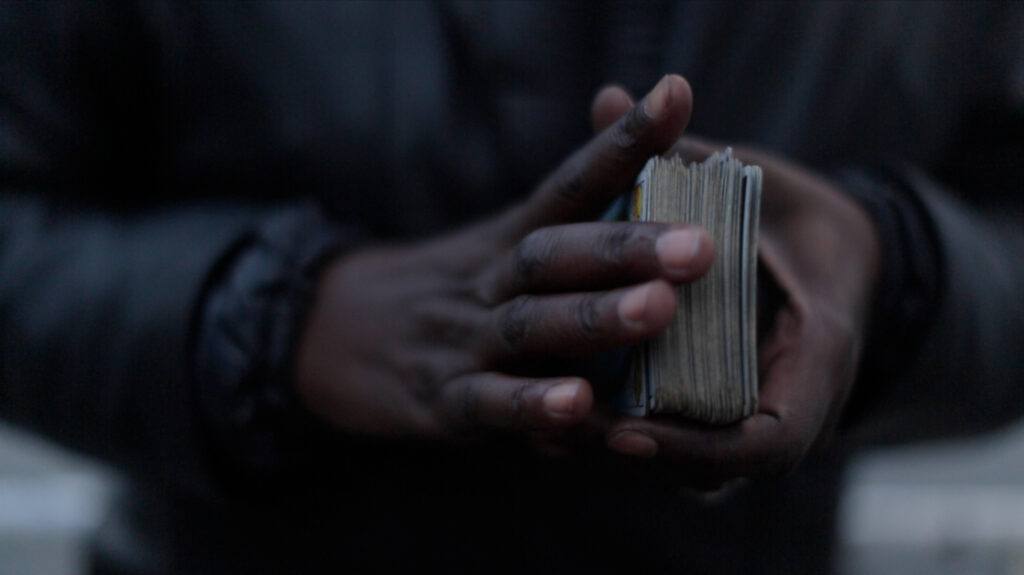
The Motion of Light
Samuel R. Delany
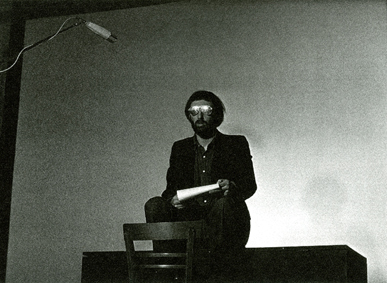
Autobiographical detail becomes a lens to reflect and refract the deepest aspects of personal and social life in Delany’s ground-breaking non-fiction writing.
Arika have been creating events since 2001. The Archive is space to share the documentation of our work, over 600 events from the past 20 years. Browse the archive by event, artists and collections, explore using theme pairs, or use the index for a comprehensive overview.
Autobiographical detail becomes a lens to reflect and refract the deepest aspects of personal and social life in Delany’s ground-breaking non-fiction writing.
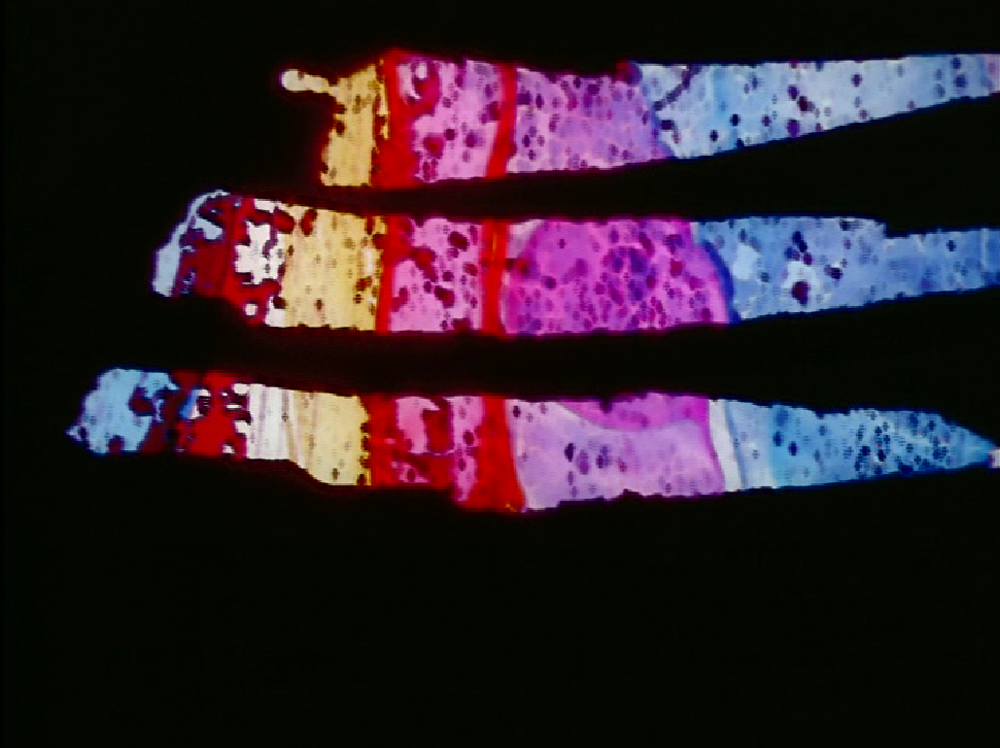
A stroboscopic and intense sensory overload of flashing abstract forms, cut to ribbons by modified projectors.
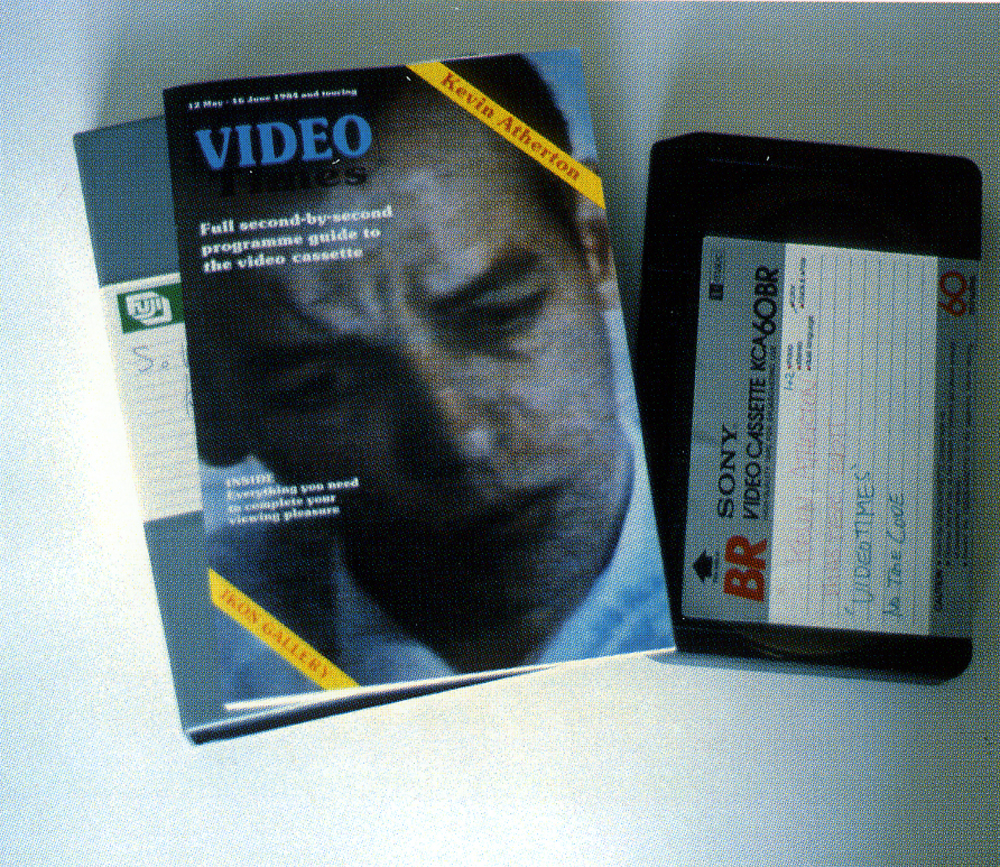
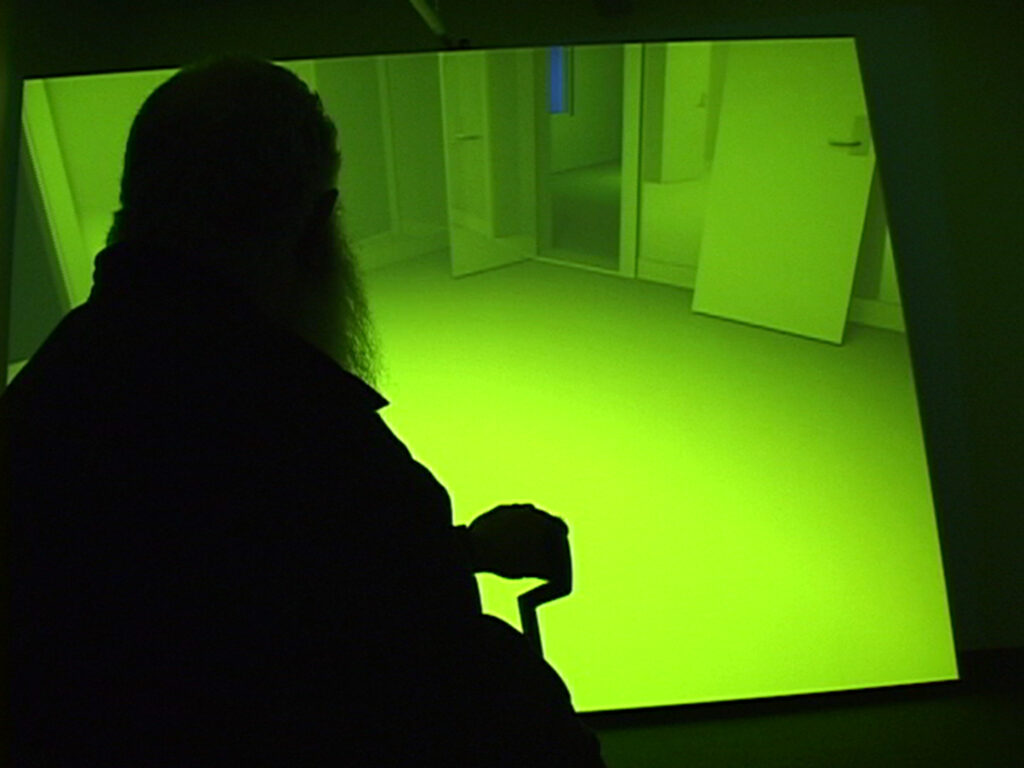
Conceived of as a dual publication, video cassette and booklet, to be presented as an installation. The content of the videotape is the artist watching television.
A performed installation by one of Germany’s most interesting visual artists, based on edited transcripts of the 1961 trial of Adolf Eichmann in Jerusalem and the writings of Hannah Arendt
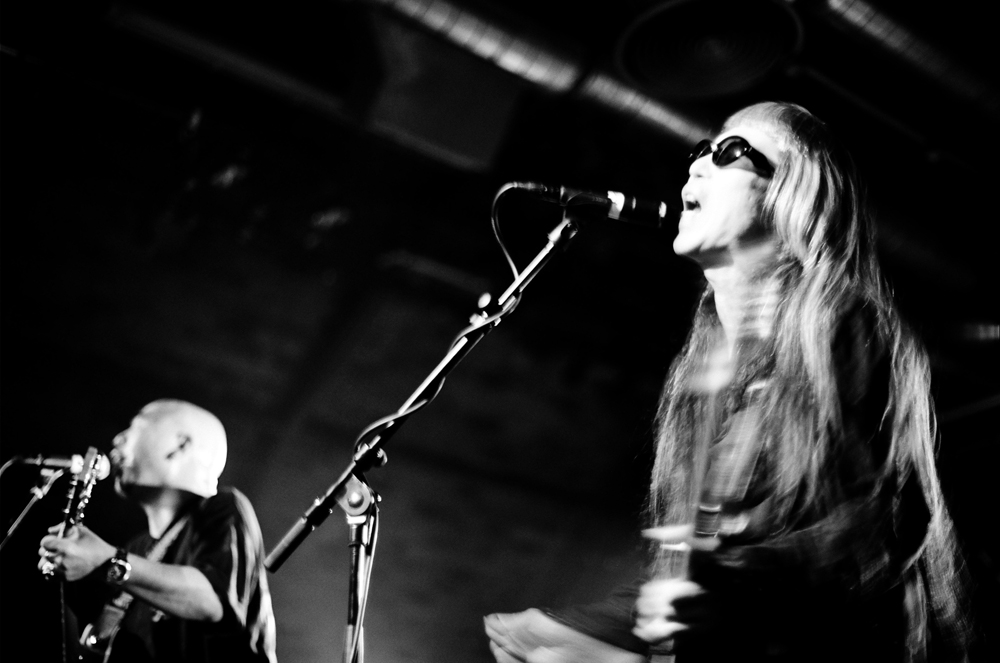
Vajra are a Japanese psychedelic rock supergroup, hewn from the collective consciousness of Fushitsusha’s Keiji Haino, folk radical Kan Mikami and percussionist Toshiaki Ishitsuka.
An LSD trip gone right via dense explorations of post-Fahey steel and low level drone.
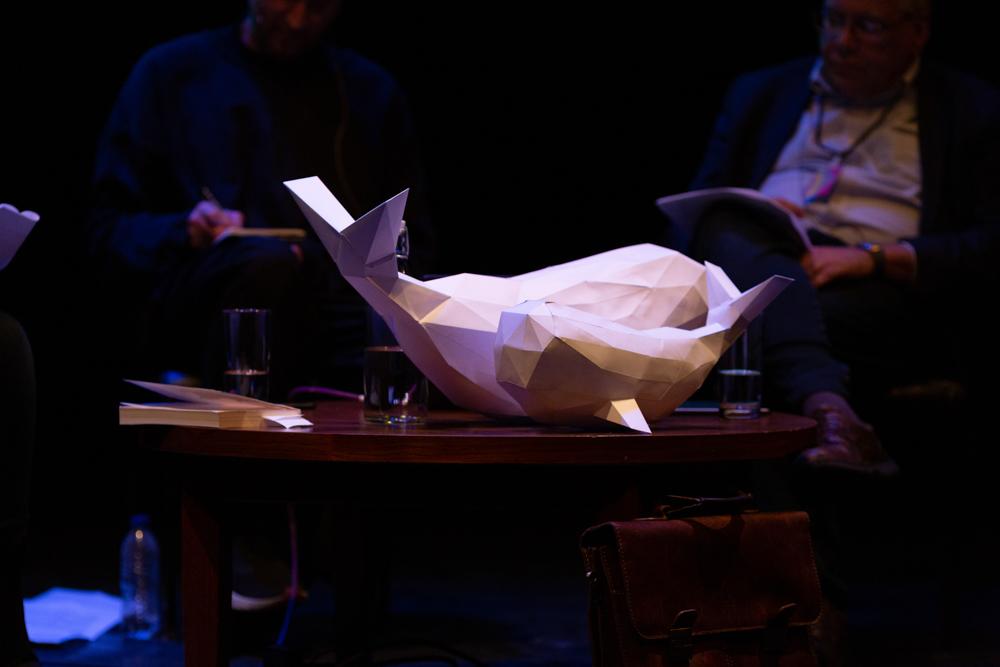
“The miracle of Herman Melville is this: that a hundred years ago in Moby Dick…he painted a picture of the world in which we live, which is to this day unsurpassed.” – C. L. R. James
Taking The Futurist Cinema’ manifesto and turning it into software to track ‘aluminium’ online, tracing relationships companies with interests in aluminum had to each other and other agencies.
Birthed from the collective stagger in global consciousness of the late 50’s and 60’s, this programme celebrates epochal, groundbreaking films that all address sound in their own way and that have opened pathways to experimentation.
A kind of audience activating, structured film guessing game in the manipulation of time, sound and image. “At 11:15, weiners. At 21:05, pornography. At 23:30, a duet. Watch the Clock.”
Recently rediscovered but still very pertinent, Kino Beleške presents a series of speech acts and performative gestures by protagonists of the new artistic practice in former Yugoslavia: each a personal take on the role of art in society.
A conversation between influential figures thinking through Blackness and Indigeneity, asking: what if we took seriously the possibility that this world, as we know it, may be coming to an end? We dread the loss of this world, but have we begun to imagine the one to come?