William Basinski
William Basinski
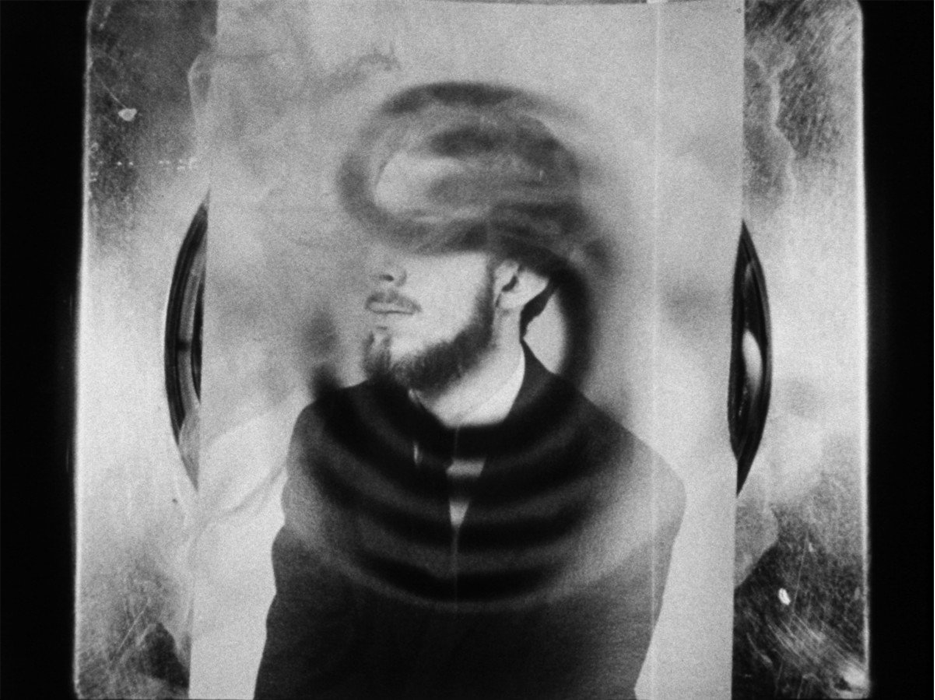
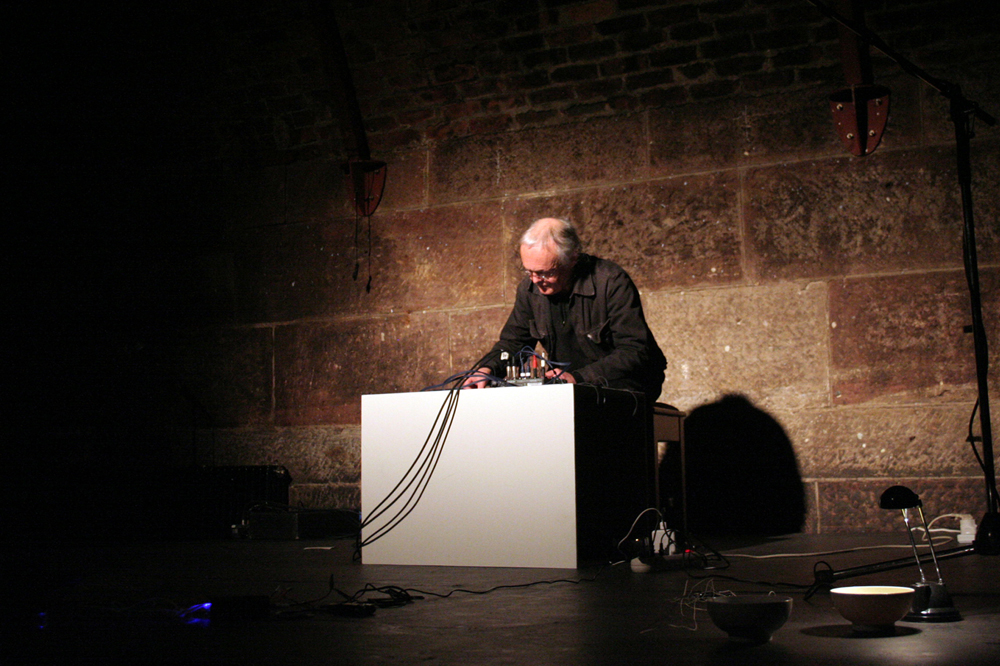
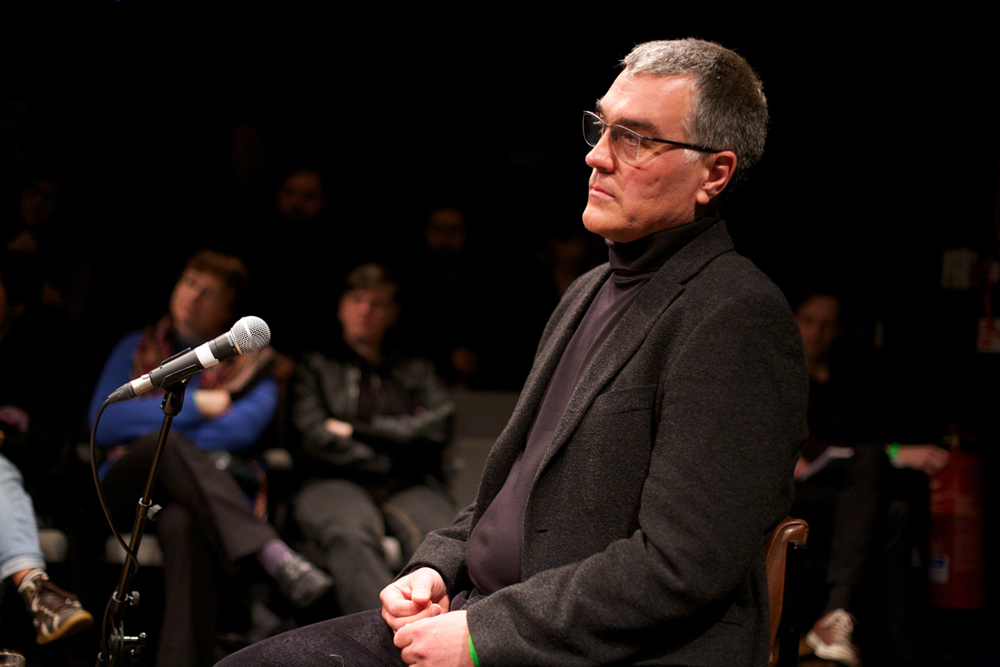
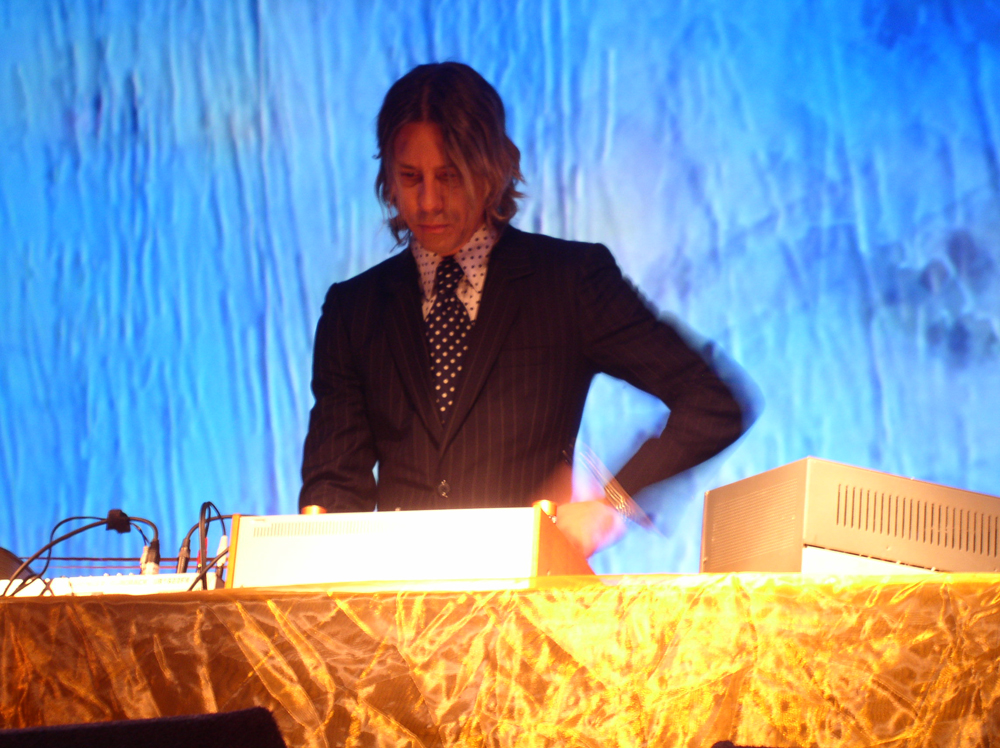
Improvising using nothing so much as the passage of time as his instrument, Basinski creates works of great melancholic depth and fragile beauty.
Arika have been creating events since 2001. The Archive is space to share the documentation of our work, over 600 events from the past 20 years. Browse the archive by event, artists and collections, explore using theme pairs, or use the index for a comprehensive overview.
Improvising using nothing so much as the passage of time as his instrument, Basinski creates works of great melancholic depth and fragile beauty.
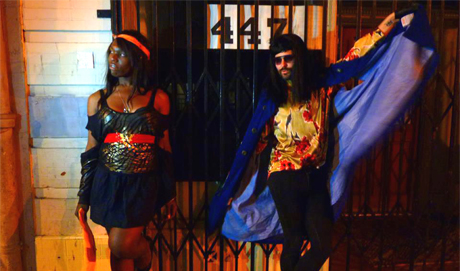
Criminal Queers visualises a radical trans/queer struggle against the prison industrial complex, working to abolish the multiple ways our hearts, genders, and desires are confined.
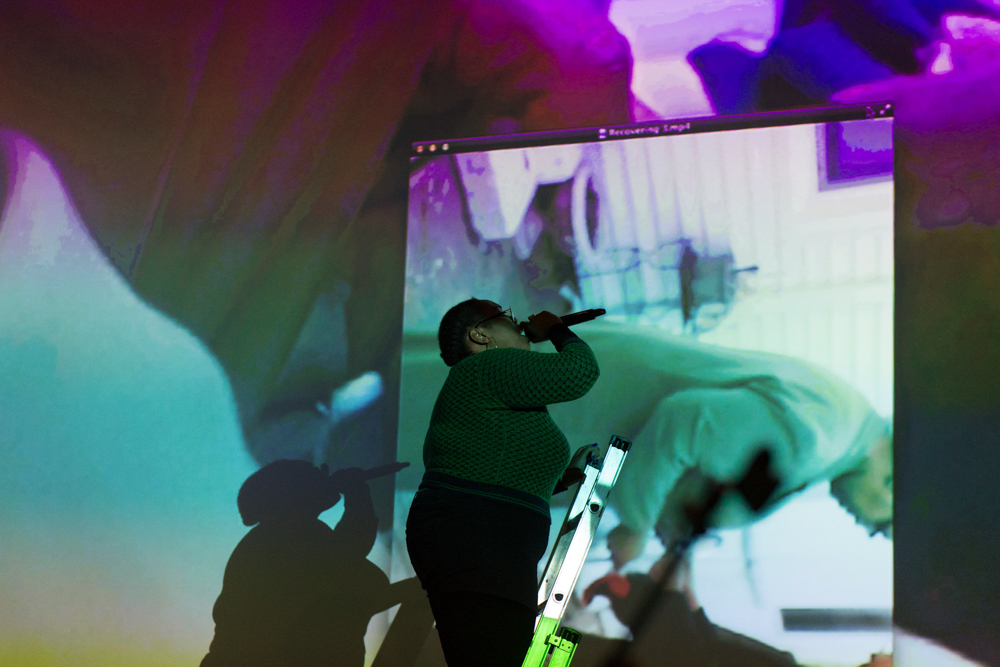
Like walking through the abstracted amalgamation of 30 or so storms, trays of water shaken by thunder, light bouncing off pools.
A celebration of our overabundant social entanglement and complicity, that remind us of how we can see ourselves, stripped of powers’ attempts to grasp us.
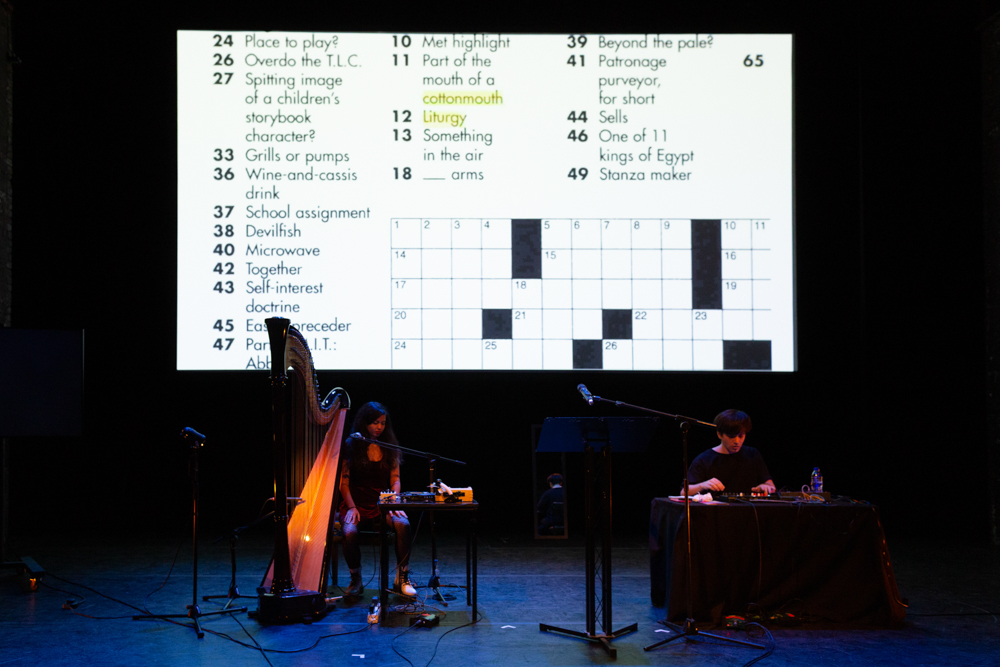
A multi-media harp and spoken word tribute to the incalculable, the in-deducible, the suspicious static noise that accompanies the voice of truth, and the attempted aberrations in the domain of emergence.
A programme that looks at how sound and image can be treated as variants in a collection of ordered objects; at how to create meaning from the similar, and to notice difference.
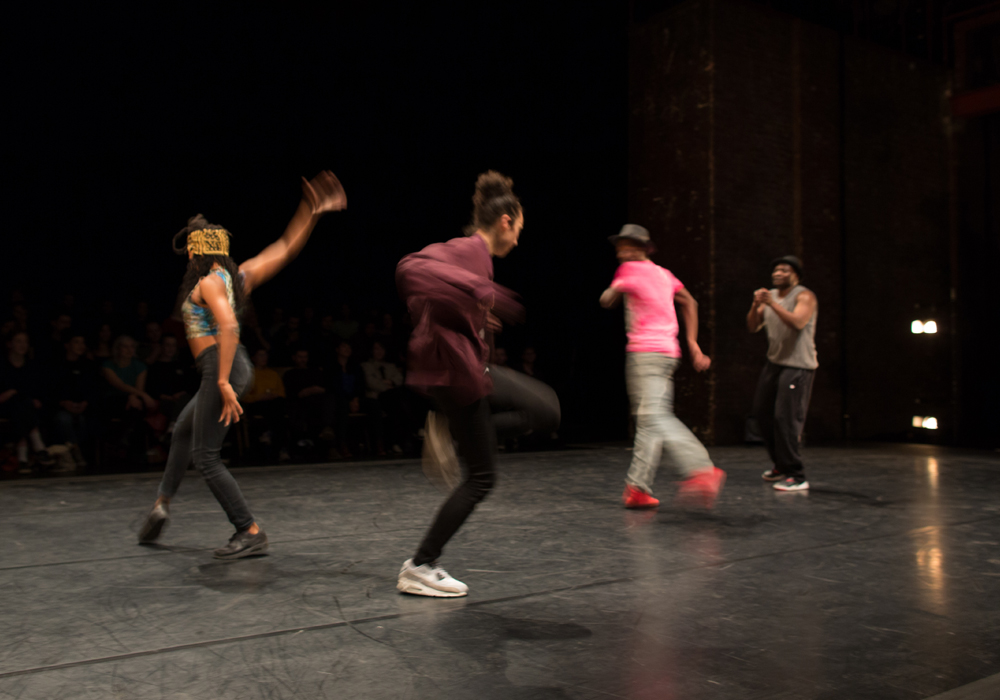
In which Storyboard P and members of Project X pick a song, freestyle to it, chat with us about what dancing means to them, then pick another song, freestyle, chat, repeat…
Julius’ “small music” features simple snatches of found sound, played back through small speakers, often set in bowls of pigment and dirt which shimmies in the vibrations.
Freak-out group for the 21st century perform a live soundtrack to Ira Cohen’s infamous psychedelic masterpiece ‘The Invasion of Thunderbolt Pagoda’
As opposed to suggesting soundtrack’s to Brakhage’s works [which are almost entirely silent] Text of Light use his works to stimulate improvisation, enveloping them into the structure of the group much like an additional musician.
Ray and Thomas talking about how cognitive neuroscience is unlocking the physical basis of personal experience.
The Songspiels take on a mode of musical theatre developed by playwright Bertolt Brecht and composer Kurt Weill in the early twentieth century, presenting political and social concerns through the accessible and (often funny) form of song.