See Noise Hear Light Sunday
Arrington de Dionyso Eye Contact Kiyoharu Kuwayama Maryanne Amacher Matt Hulse Rina Kijima Tetsuya Umeda
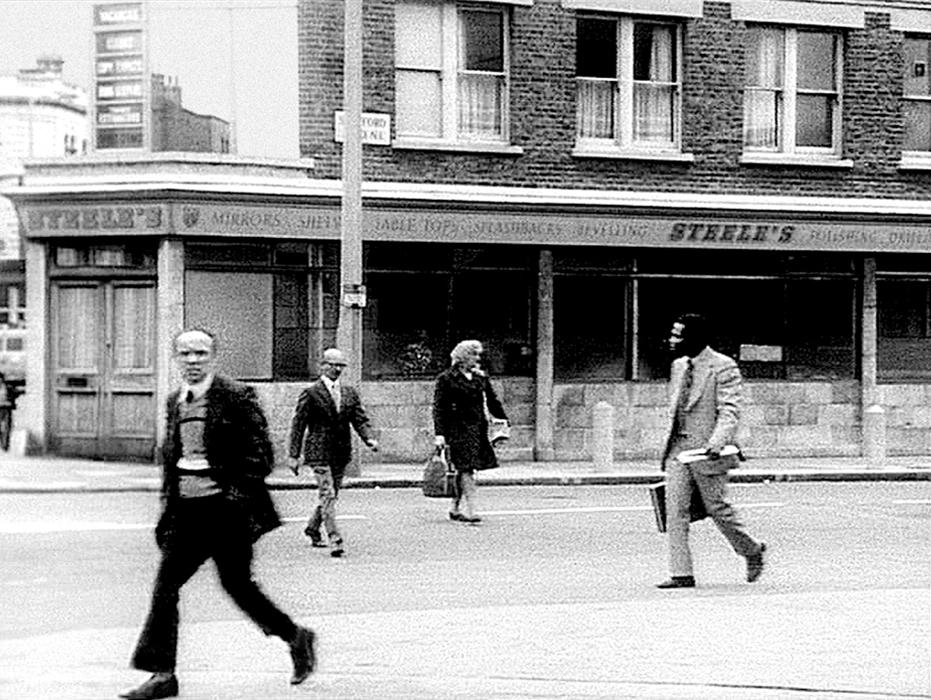
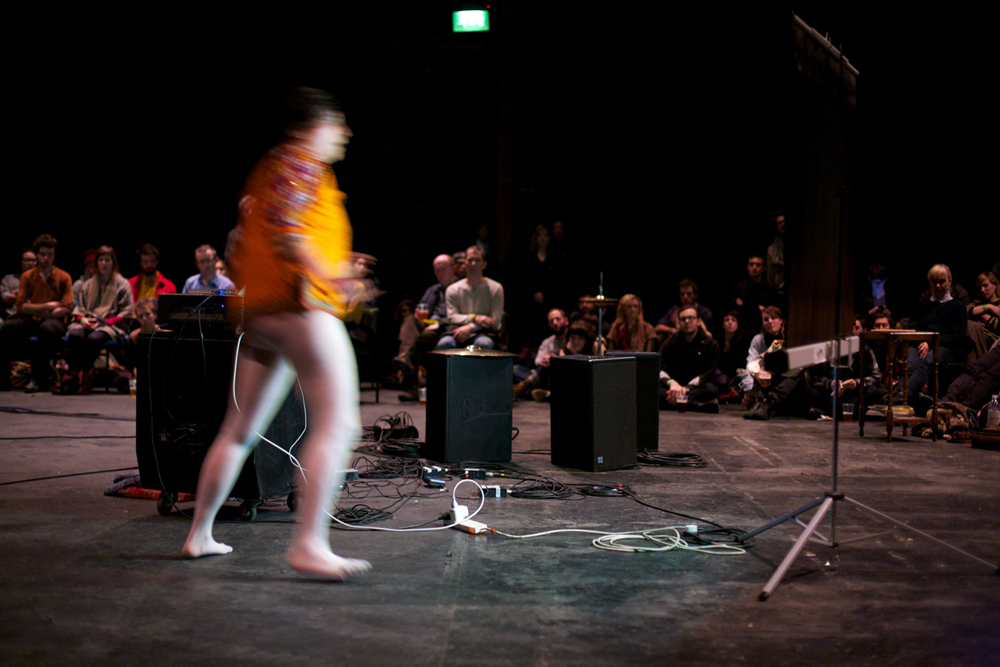
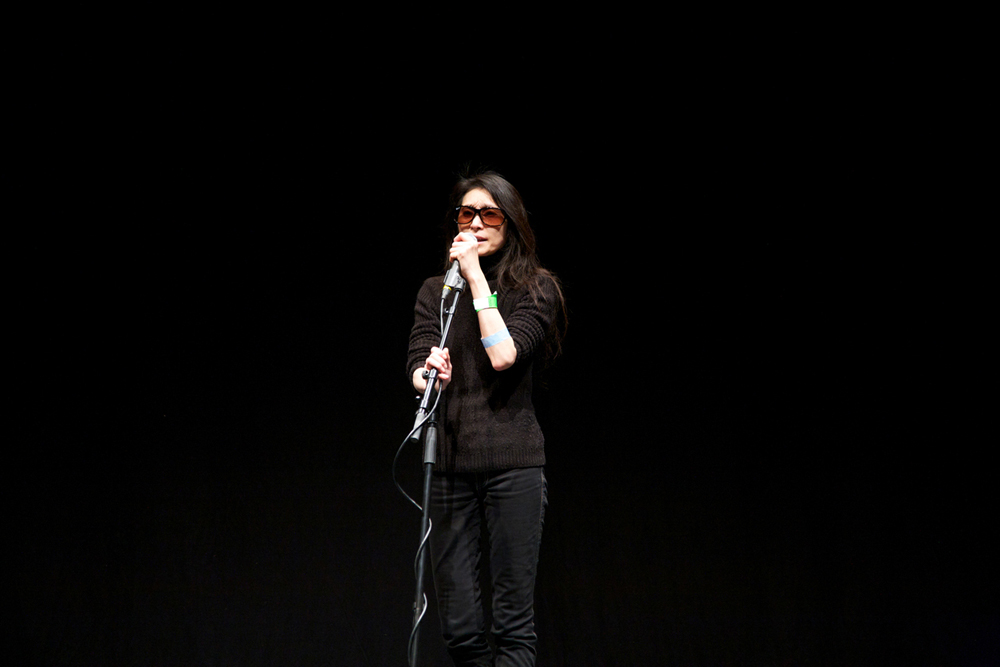
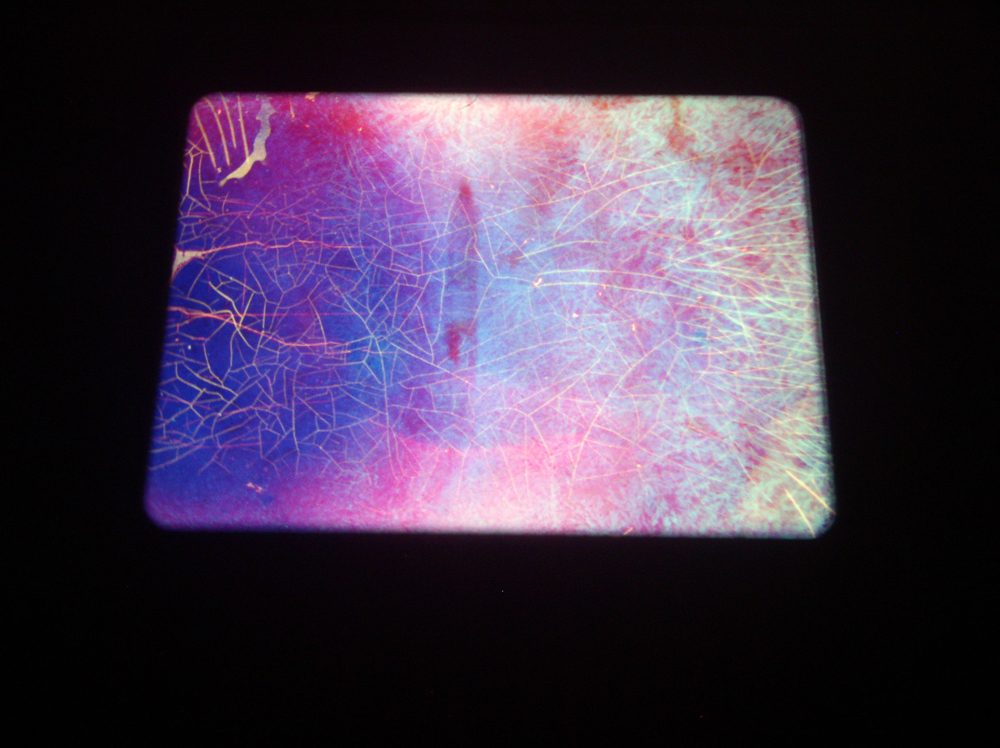
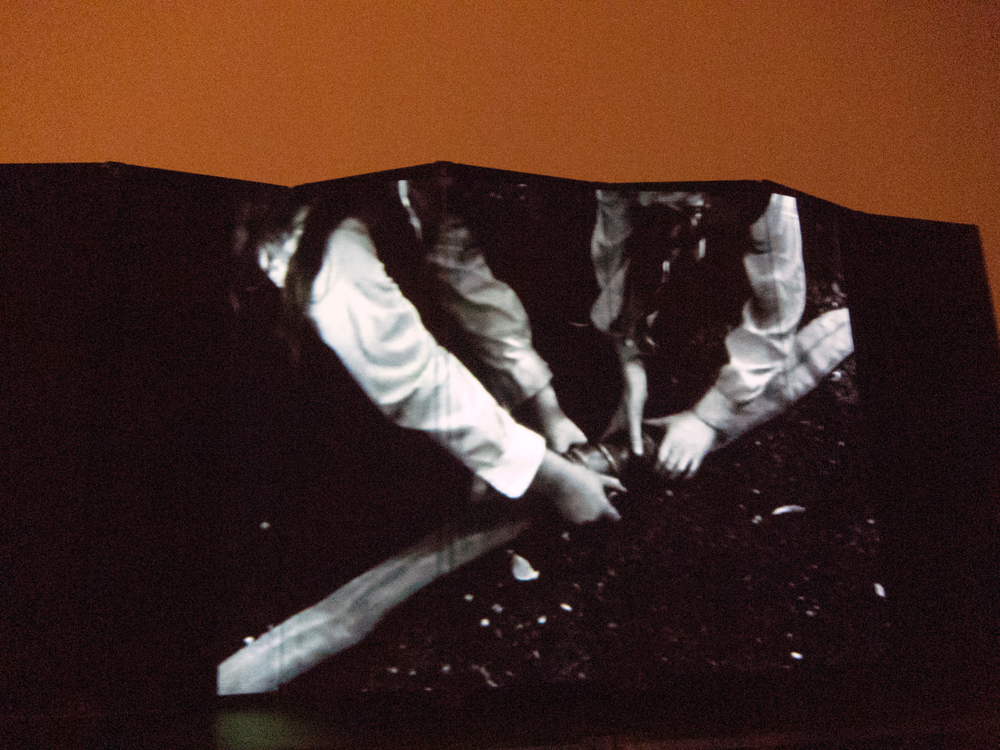
Freeform Super 8mm documentation of Sunday at Instal 06 by filmmaker Matt Hulse.
Arika have been creating events since 2001. The Archive is space to share the documentation of our work, over 600 events from the past 20 years. Browse the archive by event, artists and collections, explore using theme pairs, or use the index for a comprehensive overview.
Freeform Super 8mm documentation of Sunday at Instal 06 by filmmaker Matt Hulse.
Includes: street portraits of kids in 1930’s Dakota, a mysterious foggy pilgrimage, a swarm of time-lapsed consumers, a stereoscopic analysis of mill life, up close and personal in a Lighting Bolt mosh pit.
Slapstick comedy, monologue, and a kind of live sculpture transformed through video, props, musical instruments and make-up.
Harrowing but musical confrontations with the very real, physical and aural trauma of a woman screaming.
An immersive live performance for multiple 16mm film and bass clarinet, taking in the whole gallery, submerging the audience.
Offering a crip grief transformation and witness altar. A place to sit and breathe, remember our dead, wash our hands and leave offerings to and for loved ones we’ve lost – and for ourselves. Expect fire and a little bit of smoke. Concluding with a D/deaf centered social space with conversational interpreters available for those who do not speak ASL.
Performances at Anthology Film Archives by by Loren Mazzacane Connors, Alan Licht & Jandek.
During Episode 9 we made this clip with Storyboard P at Kinning Park Complex. Video by Ash Reid.
Could cruising and random public sex be the basis of an ethically organised society? A discussion with Jackie Wang, Samuel R. Delany and Huw Lemmey.
“Hidden in the hands an alluvial transcription of reach and embrace. The final flickers of the body’s expression, caress and touch.” – boychild
A bodiless treatise on narration, bored speakers, audience misbehaviour and police megaphones, but: is anybody listening?
Rather than asking the state for services, what kinds of change are made possible when we prioritise people supporting each other?