The We of revolutionary love
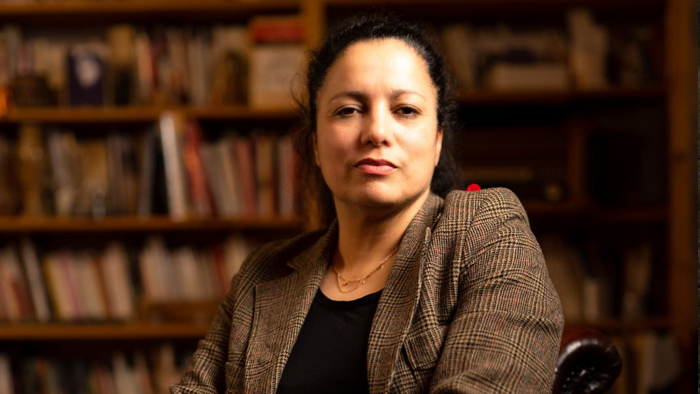
Houria Bouteldja
The practice of North African Indigenous revolutionary love, in the face of European capitalist violence and settler colonialism, with one of the most vital anti-colonial thinkers in Europe.
Arika have been creating events since 2001. The Archive is space to share the documentation of our work, over 600 events from the past 20 years. Browse the archive by event, artists and collections, explore using theme pairs, or use the index for a comprehensive overview.
The practice of North African Indigenous revolutionary love, in the face of European capitalist violence and settler colonialism, with one of the most vital anti-colonial thinkers in Europe.
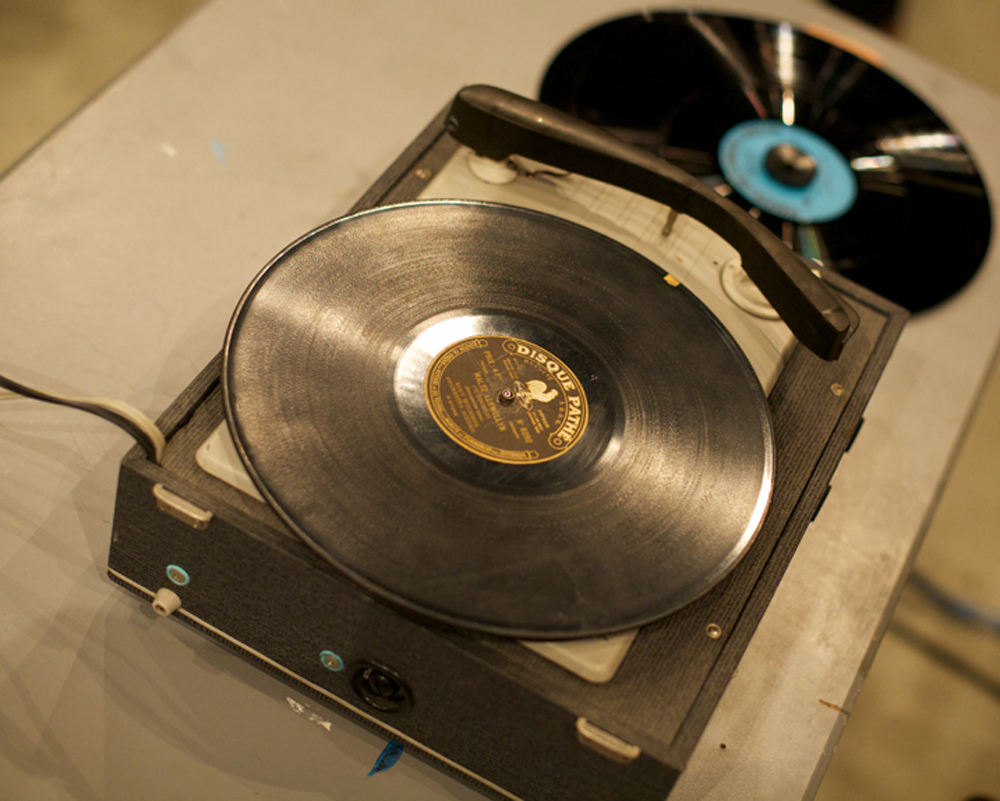
A carefully thought out, simple but rich performance using just a turntable, teach yourself foreign language LP’s, the impeccable timing of a percussionist, and an idea.
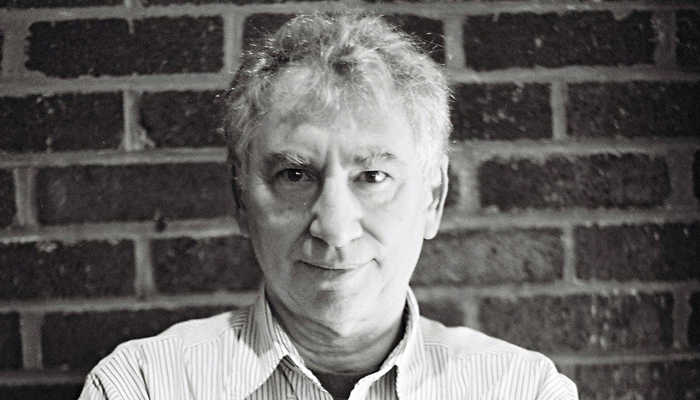
Ken Jacobs chats to Edwin Carels: Edwin is a curator based in Ghent, responsible for some fantastic programmes of experimental film and art at the Rotterdam Film festival (amongst others).
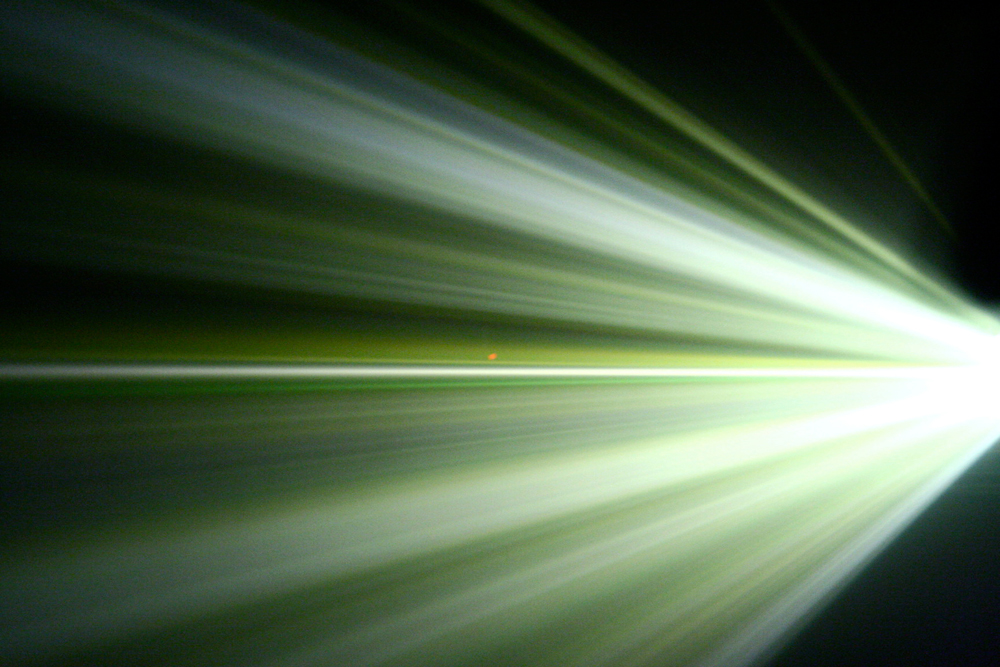
Out of a dark haze, shafts of lights are picked out from the surface of film. Out of the black silence, noise, audible scratches bloom into a bright drone of broken and cracked objects.
A series of reality dramas happening over the course of the weekend.
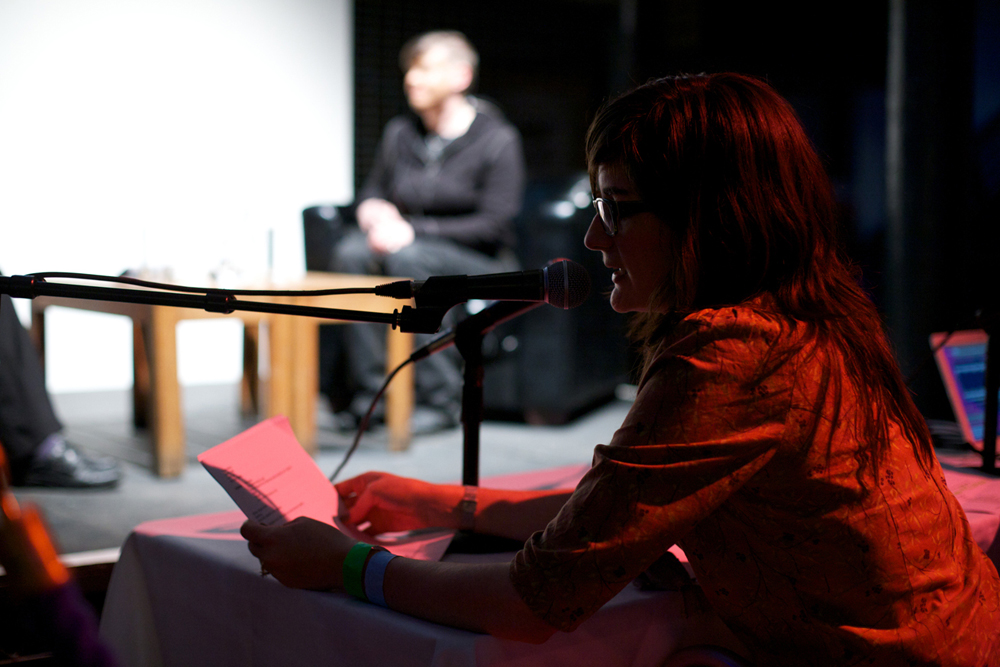
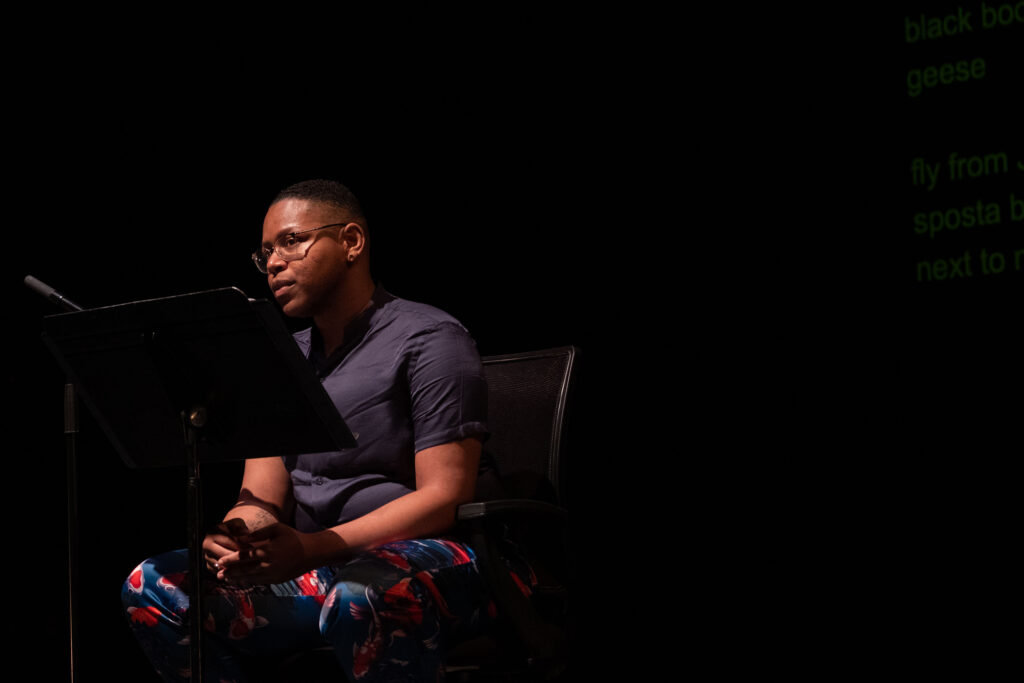
Poetry of raw fearless truth and the realest crip insight fully embedded in absolute lyrical lounge.
Freeform Super 8mm documentation of Friday at Instal 06 by filmmaker Matt Hulse.
A 3-day exploration – through performance, screenings and discussion – of the art and politics of wayward communities who refuse to be bound by the fictions of race and sex.
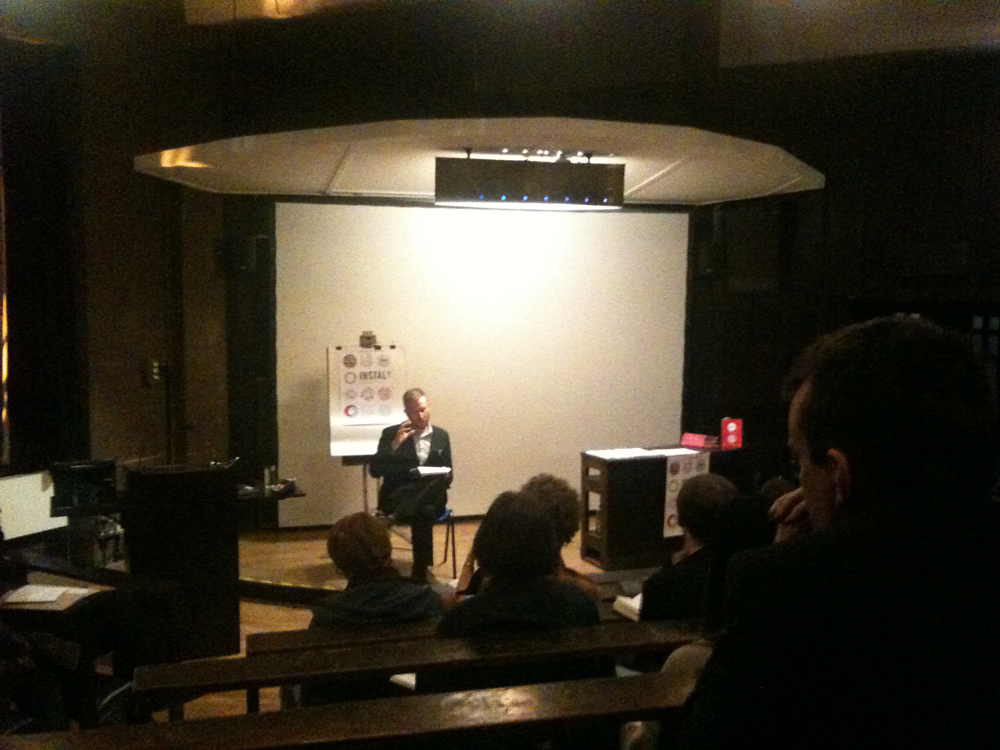
A kind of an informal overview of INSTAL.
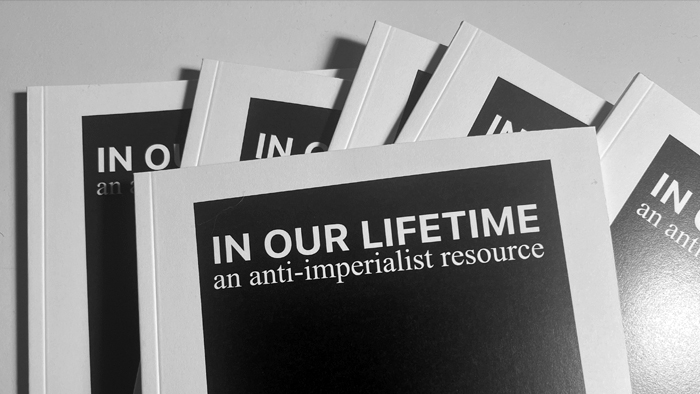
IN OUR LIFETIME, is an anti-imperialist resource, edited by Hussein Mitha, produced by Arika for Episode 11, featuring poetry, essays, questions, prompts, letters and works of anti-colonial imaginary.
A simple, gracefully bold set-up to allow Loïc to trace connections: of comments upon comments upon comments, of sounds next to sounds next to sounds.
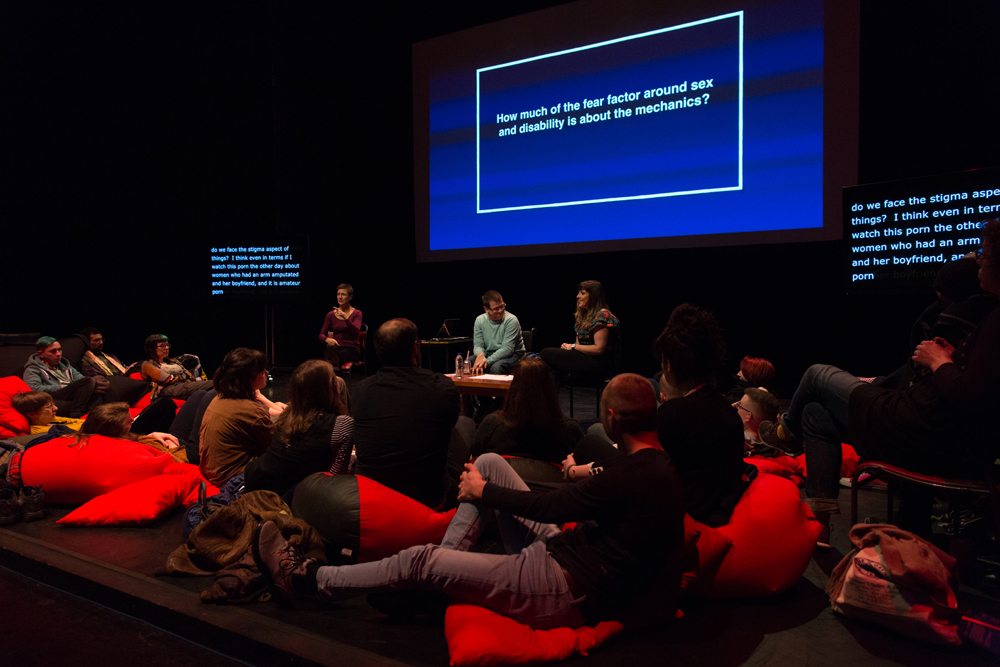
How do people living with disability see themselves in today’s sexualised culture? How do we imagine our crip sexual selves despite society wanting to reduce us to non-erotic bodies?