aquasomatics
Nat Raha Ailie Ormston
Transfeminist and revolutionary poetry, voice and timbral abstraction: a sounding and spatialising of reparative sonic and somatic practices that can speak back to violent histories of expropriation and ecocide.
Arika have been creating events since 2001. The Archive is space to share the documentation of our work, over 600 events from the past 20 years. Browse the archive by event, artists and collections, explore using theme pairs, or use the index for a comprehensive overview.
Transfeminist and revolutionary poetry, voice and timbral abstraction: a sounding and spatialising of reparative sonic and somatic practices that can speak back to violent histories of expropriation and ecocide.
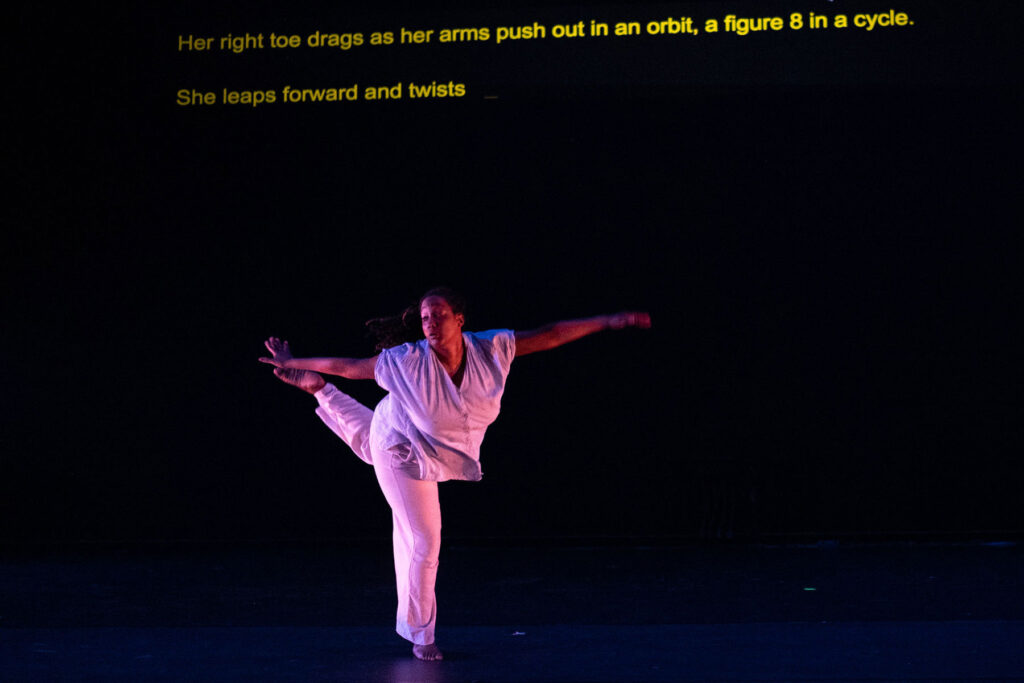
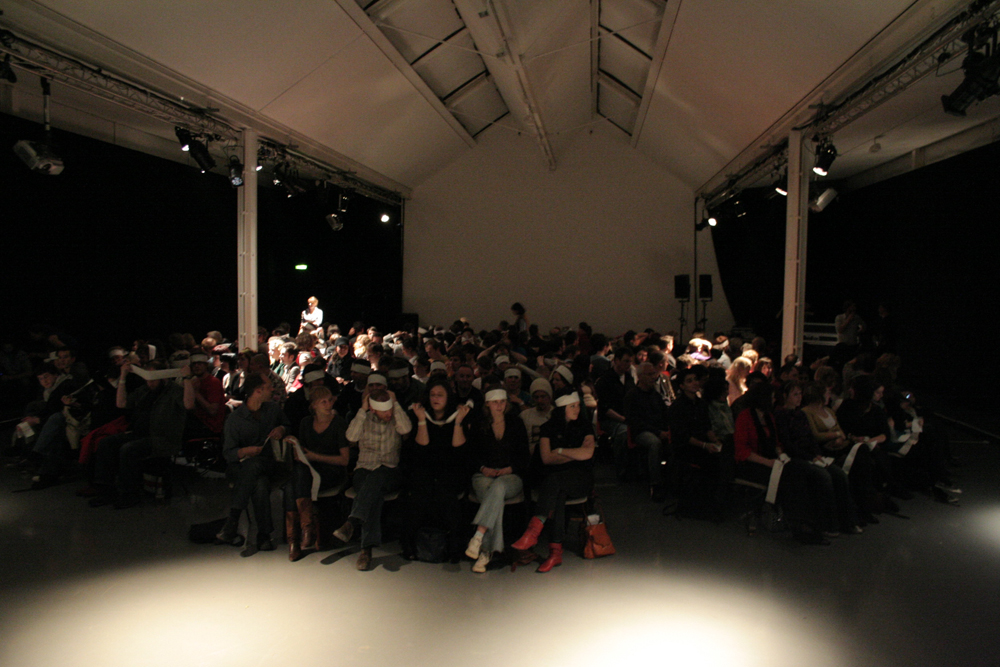
Beyond time, colorlines, ability, and sexuality, a movement exploration into what it means to see and be seen, how hearing contrast with what is actually being heard.
A programme that looks at how sound and image can be treated as variants in a collection of ordered objects; at how to create meaning from the similar, and to notice difference.
A spectacular musical show which discusses the representation of a nation state, its characters and history. A learning play on myth construction and its reproduction.
How do poetry and maths stitch together pictures of our fractured situation from its wreckage and relics, from the debris of hope and the well of residues that make us what we are?
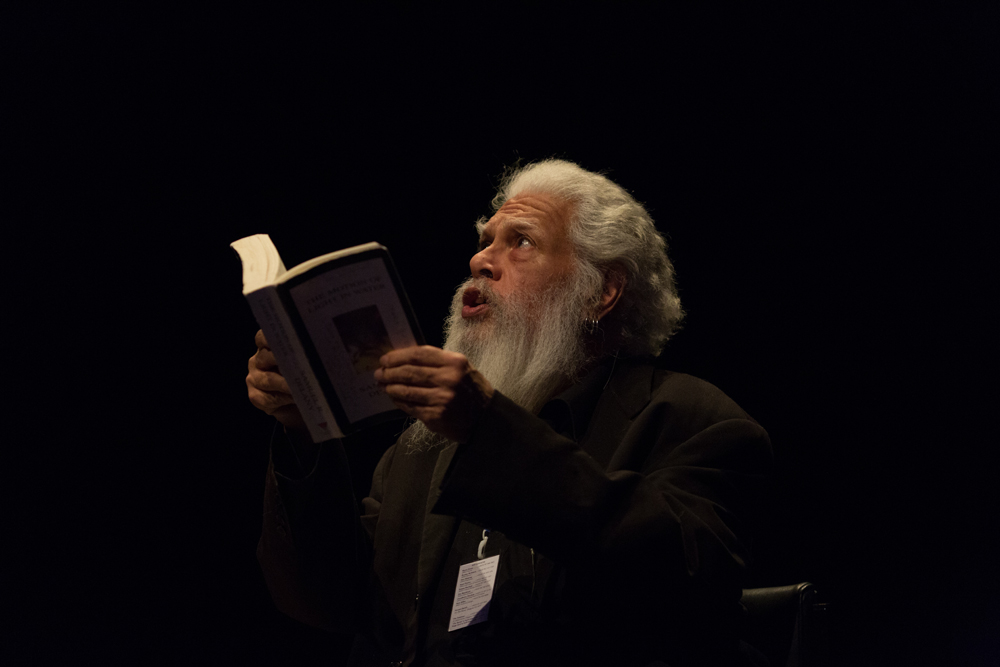
Chip will read some of his great literary pornography, which pushes sexuality to the point of extremity and exhaustion.
A Performance exploring the nature of acousmatic listening; sound removed from visual context and understood for it’s own properties.
Sean and Taku share an interest in structure, space and time. A spartan, abstract, considered and surprisingly musical set.
Performances at Anthology Film Archives NY by Jandek, Loren Mazzacane Connors & Alan Licht, and MV & EE.
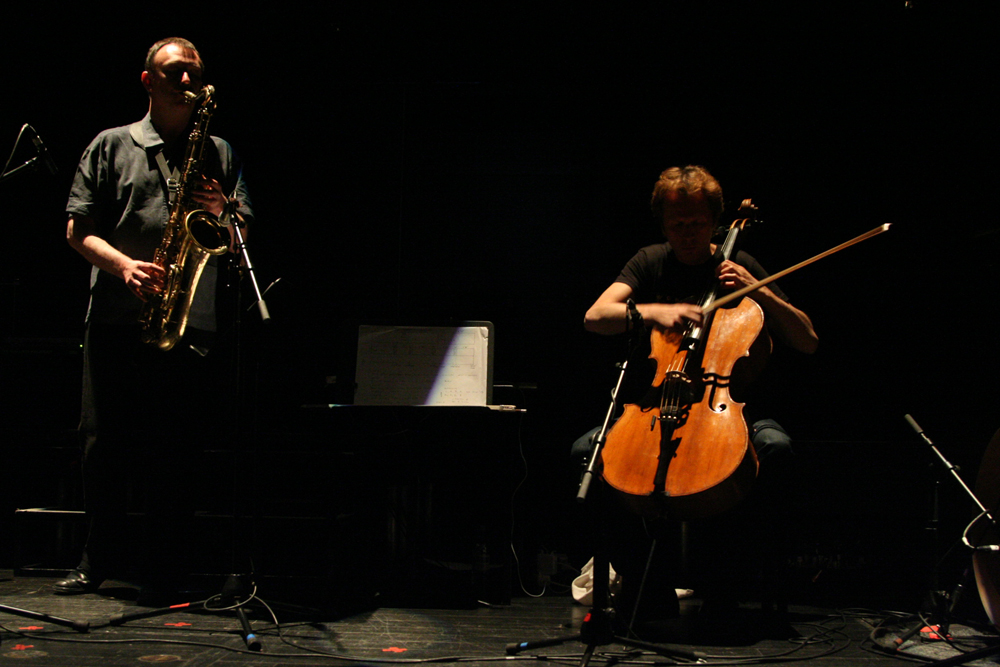
With a signature spartan sound and long term preoccupation in structural tactics (subtle shifts in density, drawn out stasis) Polwechsel blur the boundaries between individual instruments.
As opposed to suggesting soundtrack’s to Brakhage’s works [which are almost entirely silent] Text of Light use his works to stimulate improvisation, enveloping them into the structure of the group much like an additional musician.
Julius’ “small music” features simple snatches of found sound, played back through small speakers, often set in bowls of pigment and dirt which shimmies in the vibrations.