Trans Breakfast at the End of the World
Mijke van der Drift Nat Raha
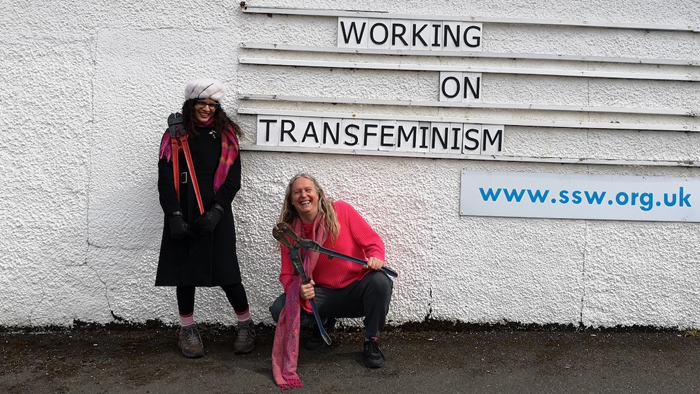
An informal conversation, over breakfast, about how abolition and movement work structures Mijke and Nat’s approach to transfeminism, ahead of their new book Trans Femme Futures.
Arika have been creating events since 2001. The Archive is space to share the documentation of our work, over 600 events from the past 20 years. Browse the archive by event, artists and collections, explore using theme pairs, or use the index for a comprehensive overview.
An informal conversation, over breakfast, about how abolition and movement work structures Mijke and Nat’s approach to transfeminism, ahead of their new book Trans Femme Futures.
Heat-mapped bodies, found porn films, Korean psyche-folk, creepy police intrusion and self-defence.
Join activists, academics and artists as they reflect on abolitionist praxis and thought, exploring covergences with gender, poetry, technology, performance, speculation, aesthetics, film and culture. This series of events commemorates Black August and is for anyone who wishes to answer the abolitionist call to action and thought.
Pitching Fahey inspired, eastern-infused folk vibrations, sad elliptical drones and oracle chants into one kaleidoscopic sound.
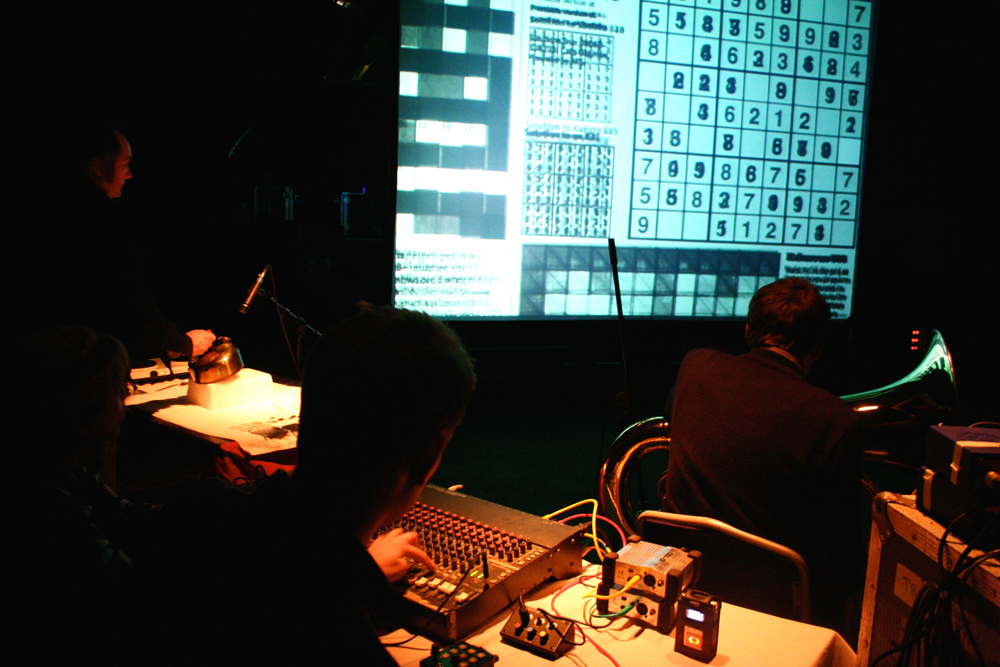
Performance of a Sudoko based graphic score giving rise to a process of self cancellation.
N30 is a massive, dynamic, immersive multi-channel presentation of front-line field recordings from the protest against the WTO in Seattle
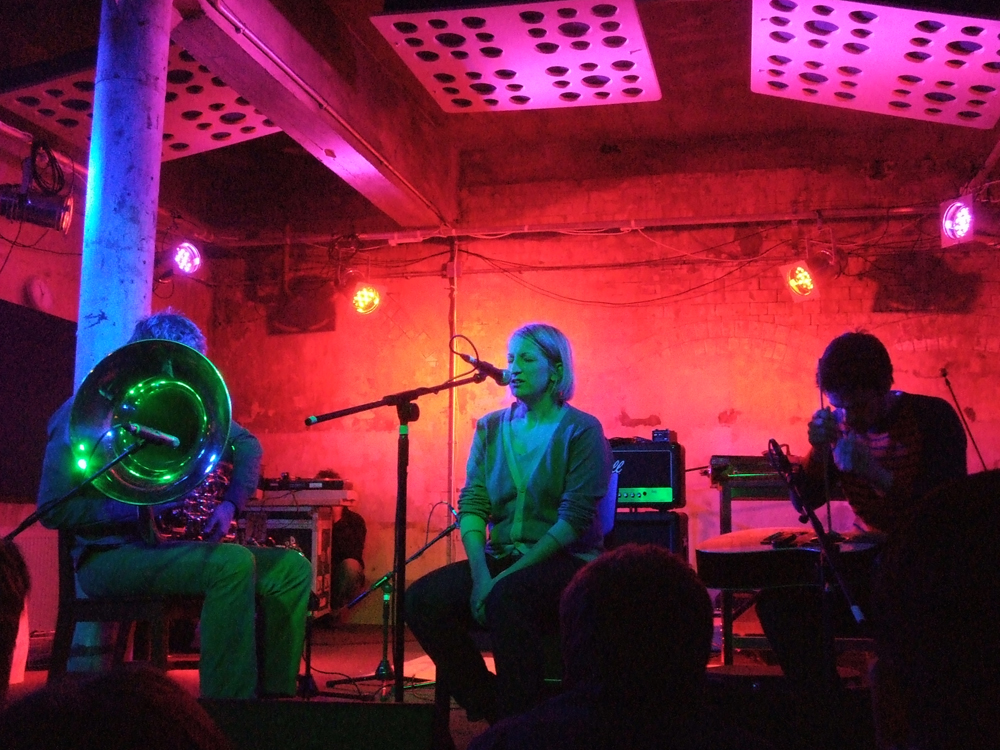
Sparse and miniature free thought workouts involving guitar, vocals and tuba.
An audio and video investigation of gender cults, Catholicism, hauntings and nuns’ use of audio devices…
Individual experience separated by physical boundaries (of space, time or ability) suggested as communities of collective experience by (perhaps voyeuristic) artists.
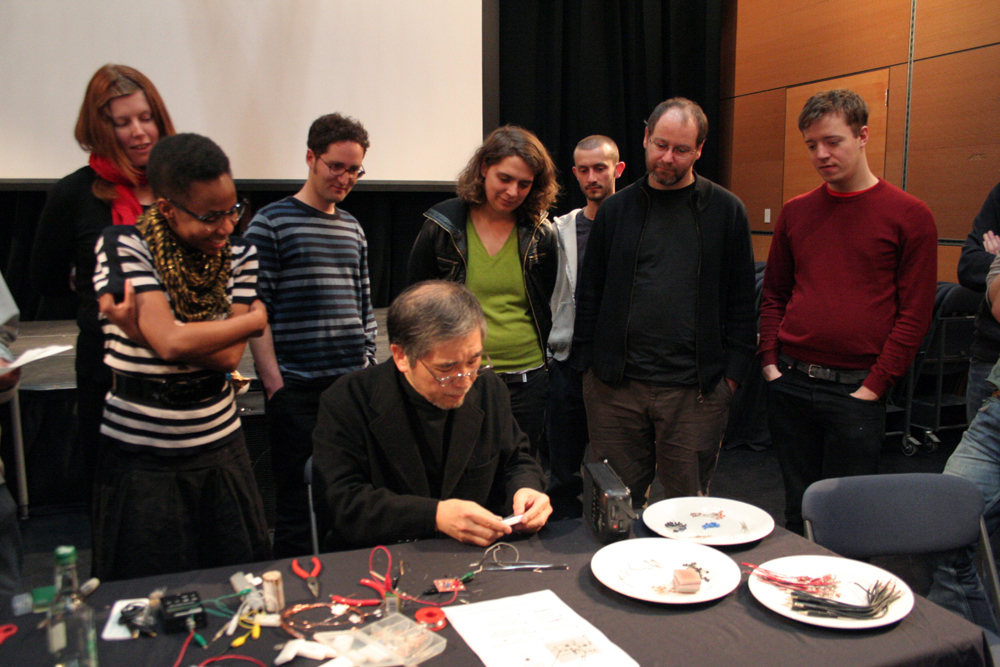
A simple hands on workshop with micro-radio theorist and pioneer Kogawa.
A collaborative performance where sound and image are created, performed and mediated by light, water and glass.
A performed film lecture exploring how the ‘Rumberas’ of Caribbean cinema of the 40’s and 50’s subverted demeaning images of themselves through dance, sound and a sociality that insisted on blackness as being a cultural performance, not simply due to skin colour.