Chosen Kin: Making Our Loyalties
Mai’a Williams Miss Major Claricia Revlon
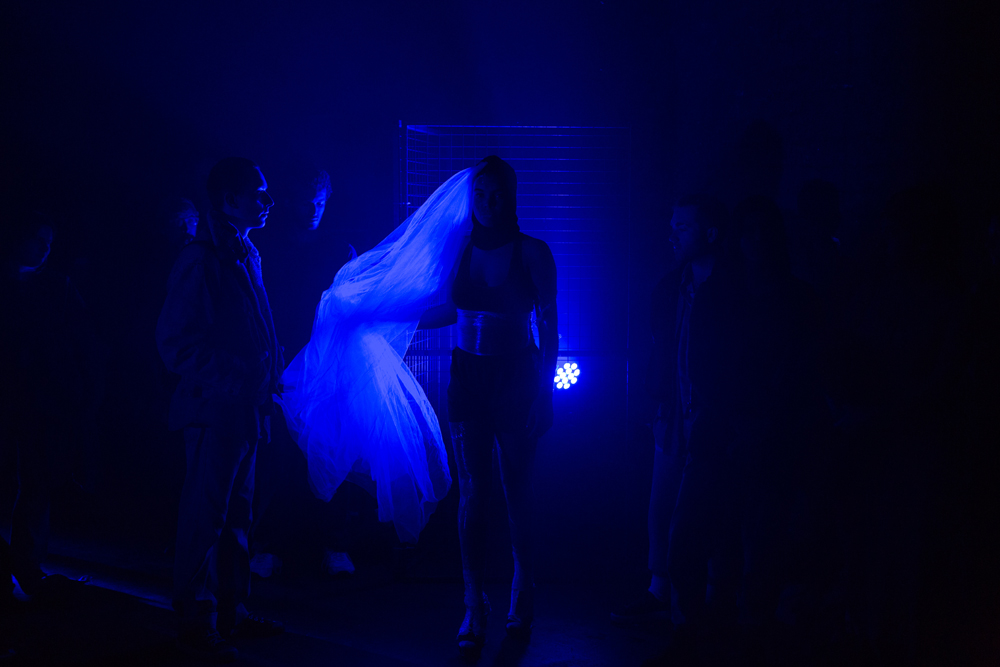
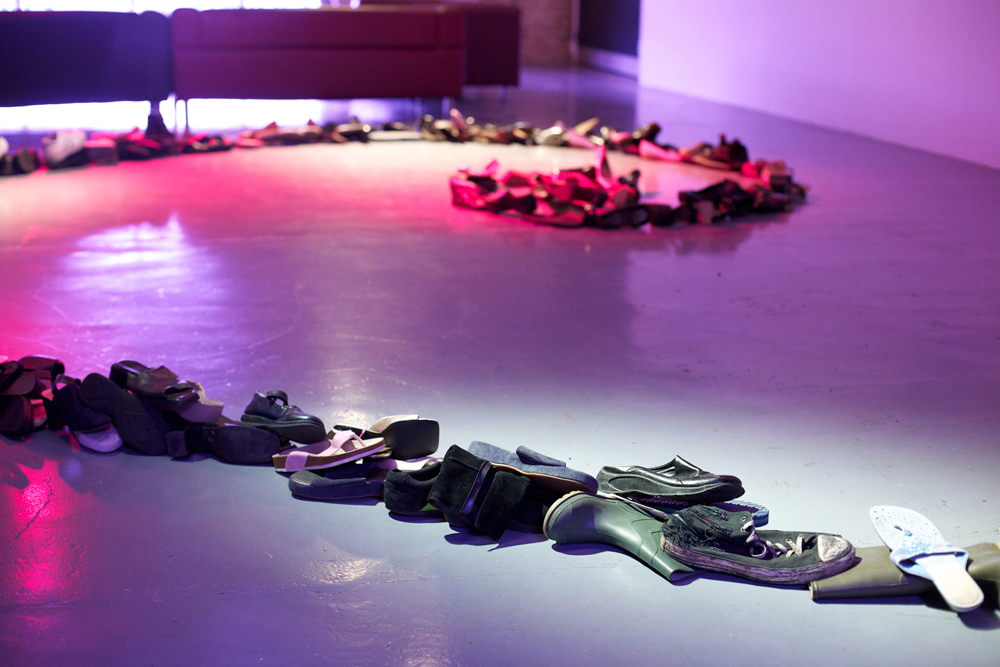
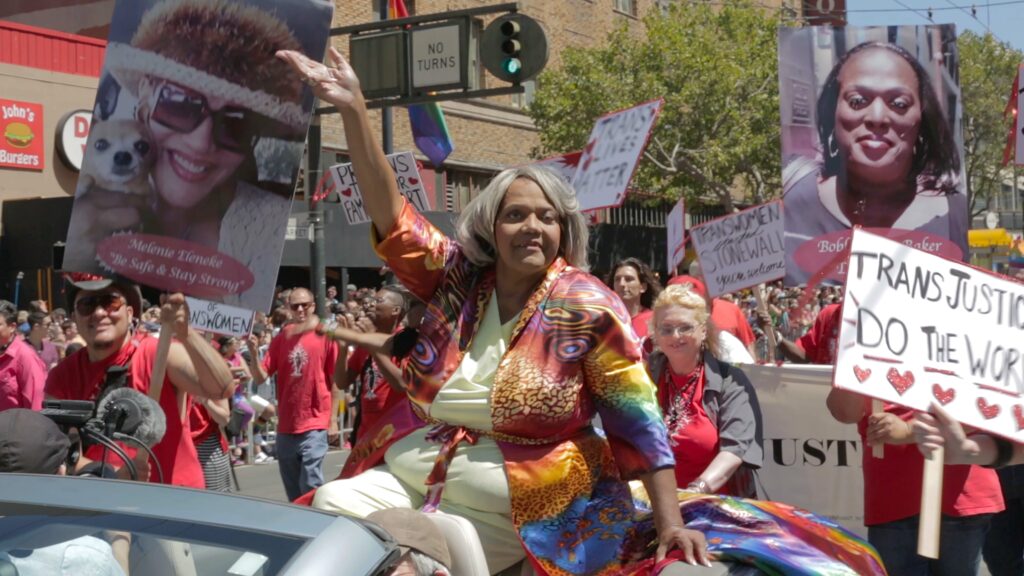
How do communities formed under the duress of violent othering and the joy of solidarity – such as ballroom culture, Black diasporas, Zapatistas – reform bonds of kinship?
Arika have been creating events since 2001. The Archive is space to share the documentation of our work, over 600 events from the past 20 years. Browse the archive by event, artists and collections, explore using theme pairs, or use the index for a comprehensive overview.
How do communities formed under the duress of violent othering and the joy of solidarity – such as ballroom culture, Black diasporas, Zapatistas – reform bonds of kinship?
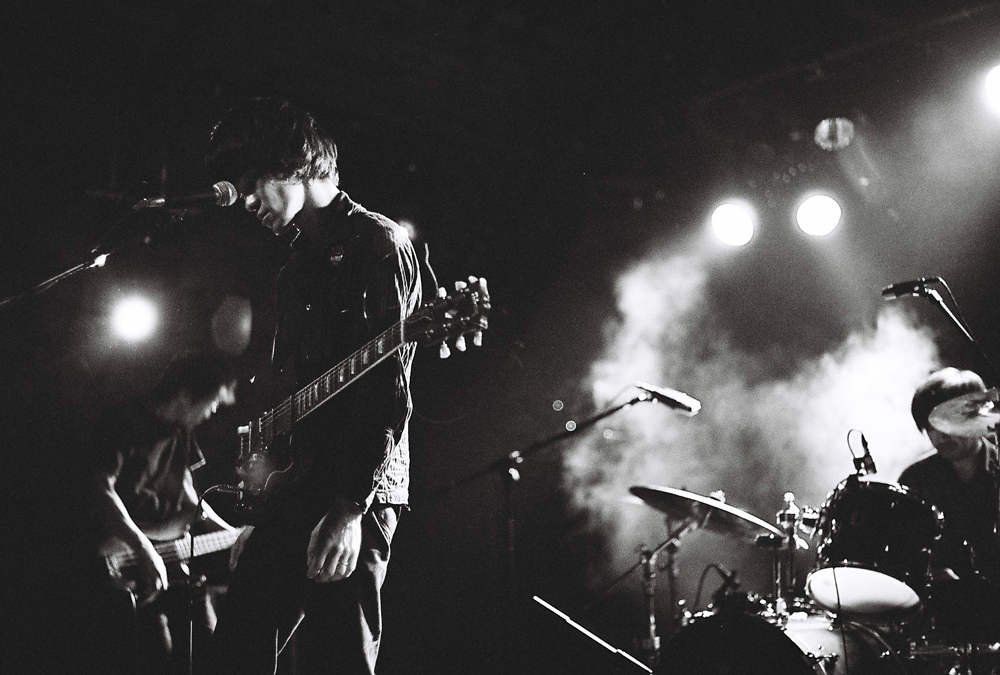
Black-clad with an ominous aura created by their distorted guitar epics, burnt-out ballads and raucous mantric jams.
Former street performer, organist, performance artist, circus performer, harpist, accordion player, tree surgeon and tricyclist performing solo.
A dismantled, performed film, where a narrator pieces together the sounds, images and storytelling of a documentary about Hurricane Katrina before a live audience.
The mutability of the body and the mobility of identity: queered pop culture, drag, lip-sync and performance.
Mashed up queer fantasy of worker’s revolts, biblical demons and present-day hells, and dubbed out cyborg-electro.
The worlds leading radio art station brings you: a performance, a radio show, an installation, an endurance test.
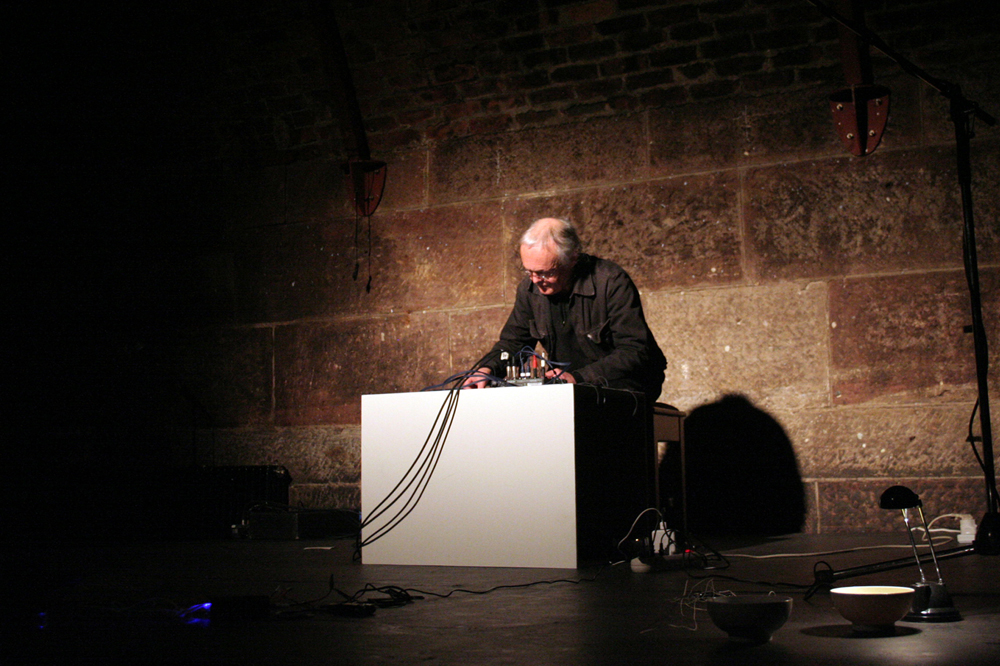
Julius’ “small music” features simple snatches of found sound, played back through small speakers, often set in bowls of pigment and dirt which shimmies in the vibrations.
An open-ended moment in an ongoing series of films, notes, performances, diagrams and drawings which trace the questions they share. A “porous space between cinema time-space and lived time-space.”
A short chat about what we (Arika) might be trying to do with our program for the Biennial.
John Mullarkey sets in a wider context our understanding of Alain Badiou and Francois Laruelle, two of the most radical philosophers in Europe today.
In Ramayya’s visionary poetry, the body assumes as many forms as love produces states: attraction and repulsion, excitement and exhaustion, selfishness and the dissolution of self.