


16 February 2008
Usurper
Usurper
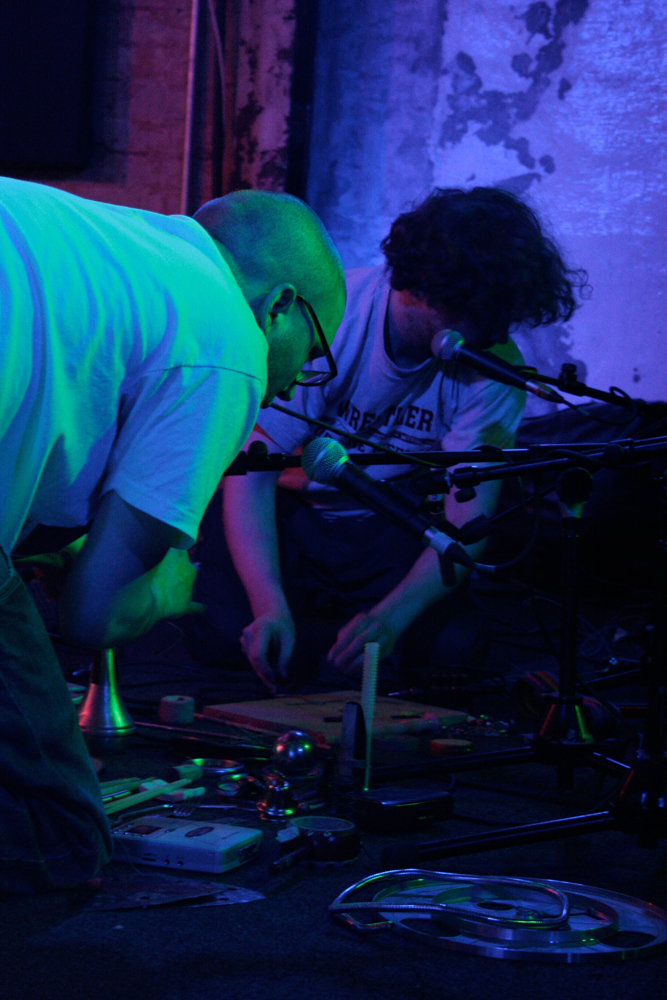
This set continues on from the Bud Neill inspired clatter using the contents of the Usurper twin’s pockets.
INSTAL 08
Arika have been creating events since 2001. The Archive is space to share the documentation of our work, over 600 events from the past 20 years. Browse the archive by event, artists and collections, explore using theme pairs, or use the index for a comprehensive overview.
This set continues on from the Bud Neill inspired clatter using the contents of the Usurper twin’s pockets.

A series of three short performed situations and statements to be examined or judged from the most interesting young musician in Glasgow (we think).
Over 3 days Episode 8 celebrates all the unruly ways we escape attempts to constrain us, tear down the walls of normative culture and build joy in flight.
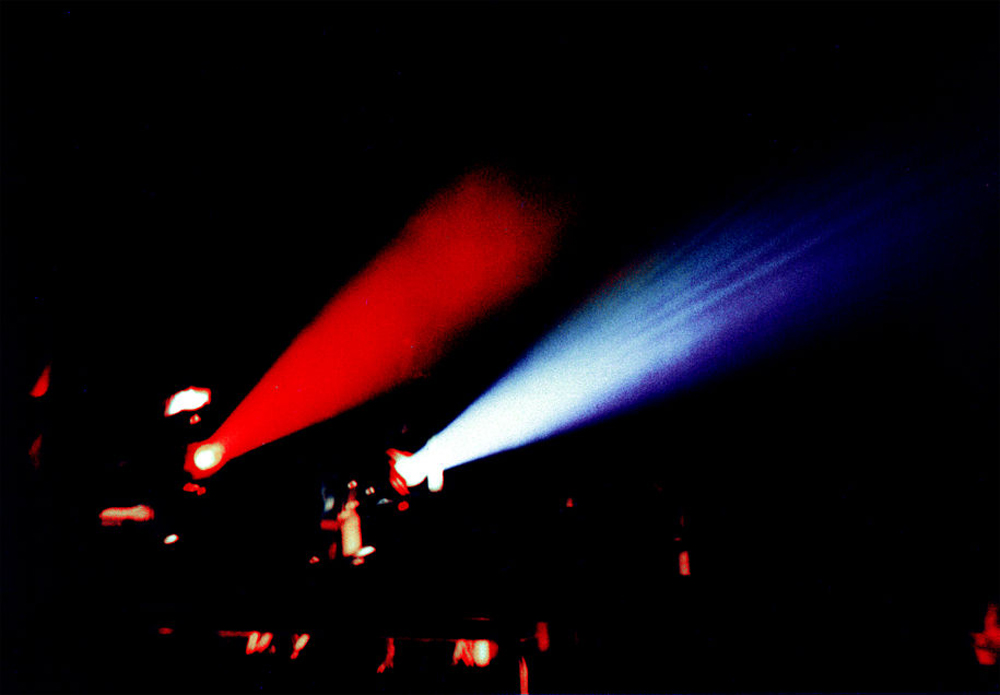
Dual projections of pulsating shards of film, treated in crystallized salts and dyes merge with the whirring of projectors, distilled into particles of sound.
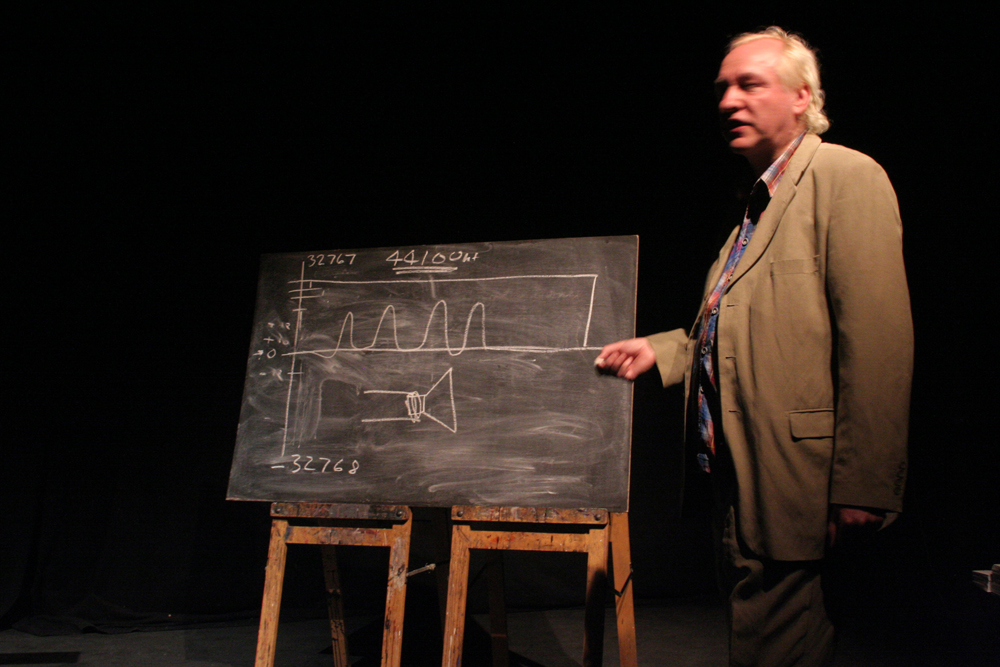
UK conceptual/ drone/ noise artist, who is seriously posing what might seem to be unanswerable questions of music.
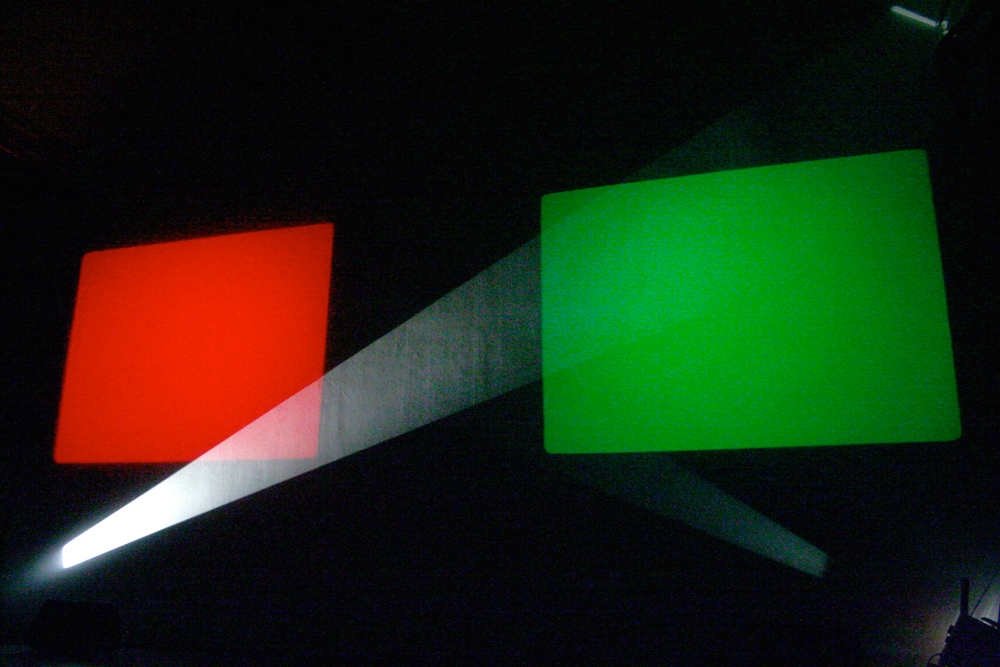
Wave Formations is a 5 screen work in which each screen runs through a series of fades and then stroboscopic flashes of colour, to create a series of visual harmonics.
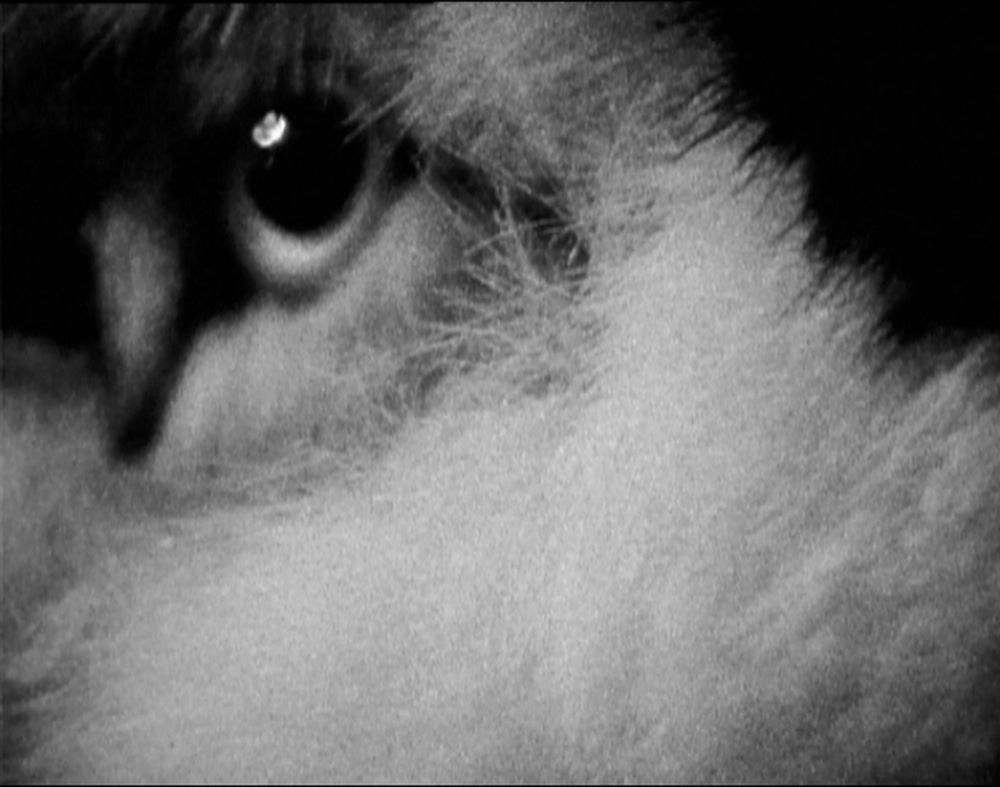
The second of two short film programmes featuring works that blur the boundaries between music and film from artists who cross and redefine those long held divisions. This programme highlights contemporary works.
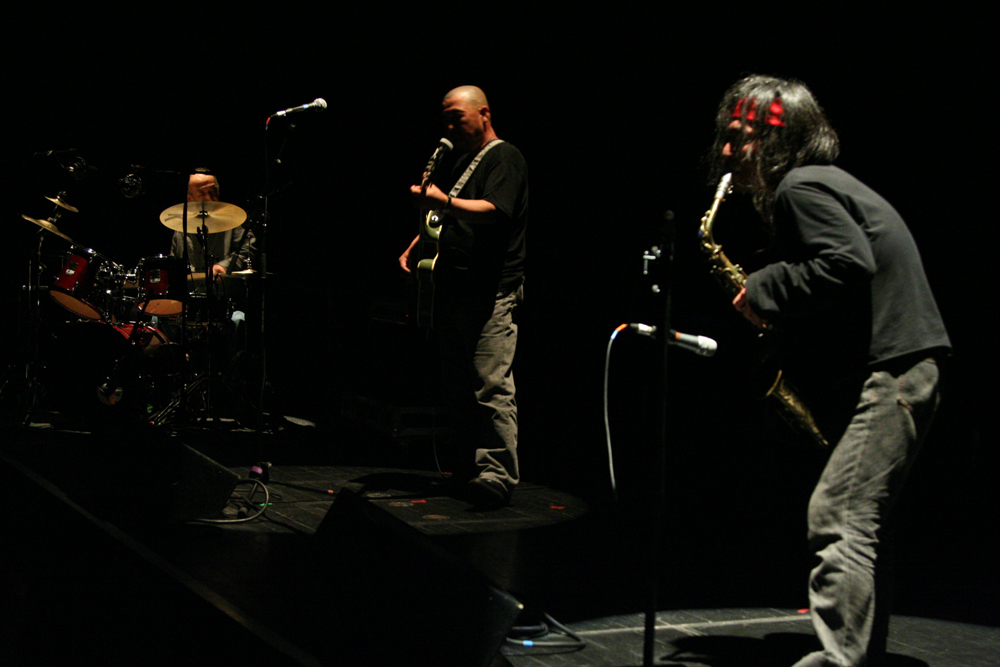
HEAVY Japanese super group, featuring the sundown delta blues of Kan Mikami, Toshi Ishizuka’s heavy, time folding drumming and Masayoshi Urabe on sax, harmonica and chains.
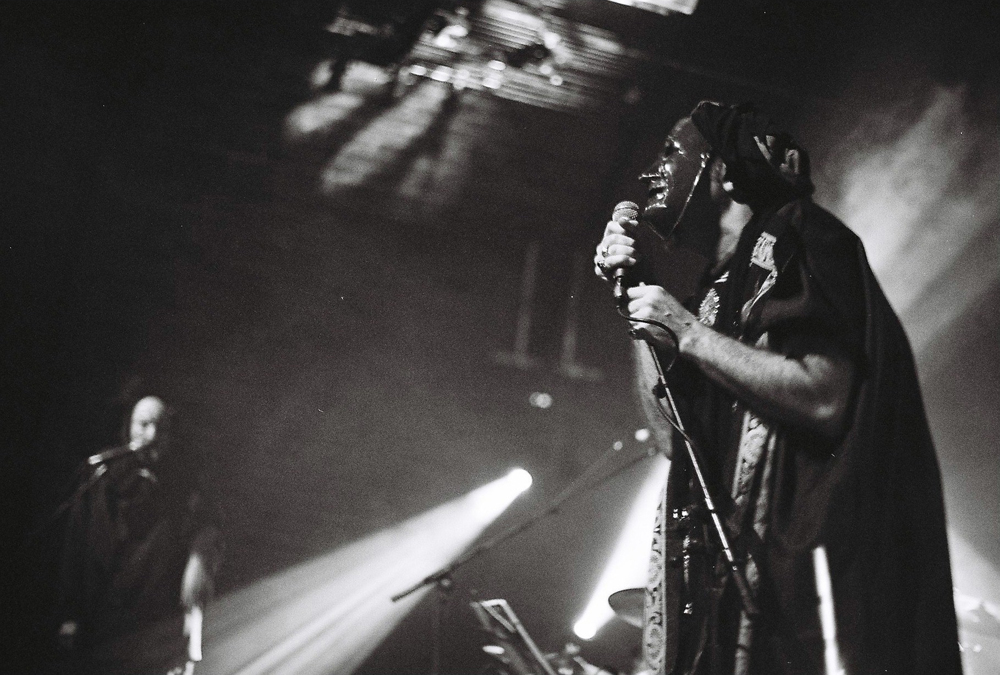
Perhaps the paradigm of America’s covert musical subculture, Sun City Girls operate just over the border of raucous delirium.
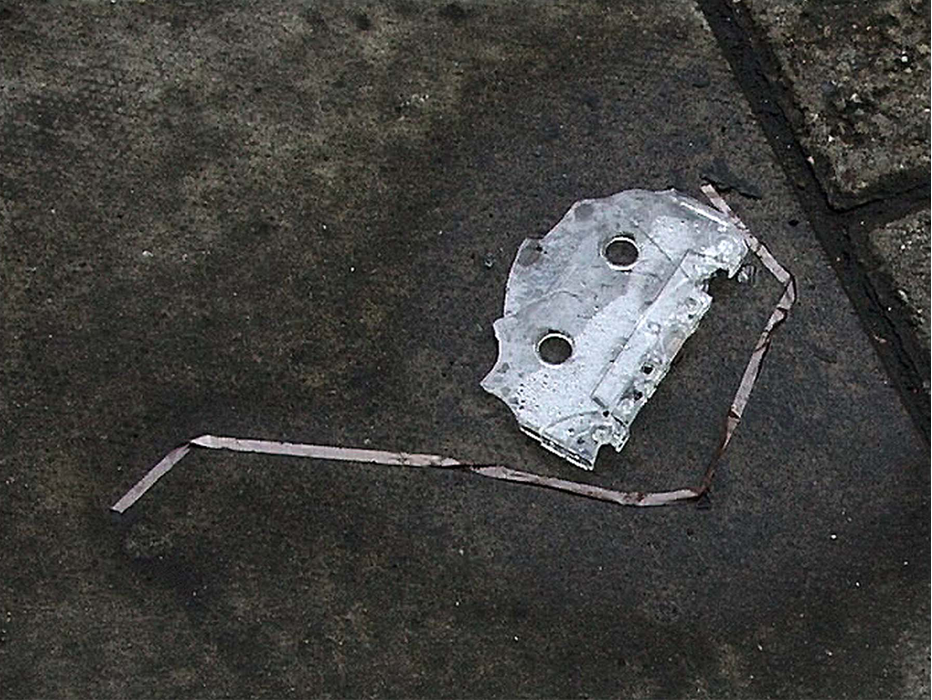
Ever wondered about the roadside festoons which are the innards of discarded cassette tapes? All will be revealed in this methodical and insightful documentary by UK luminary John Smith and sound artist cohort Graeme Miller.
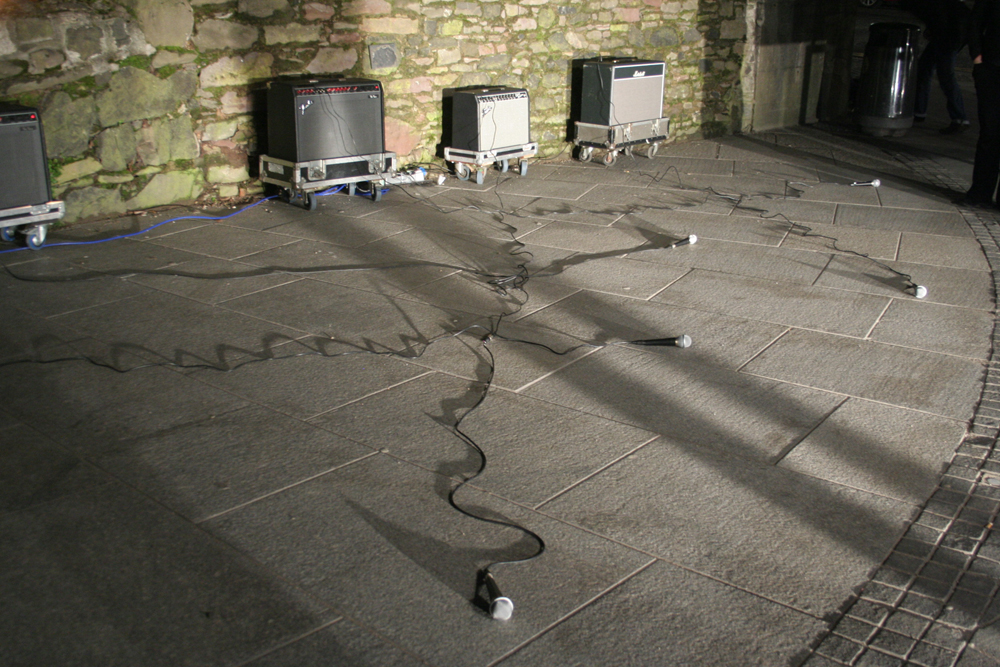
Can we use sound, repetition and difference to personally and collectively engage with space, time and labour?
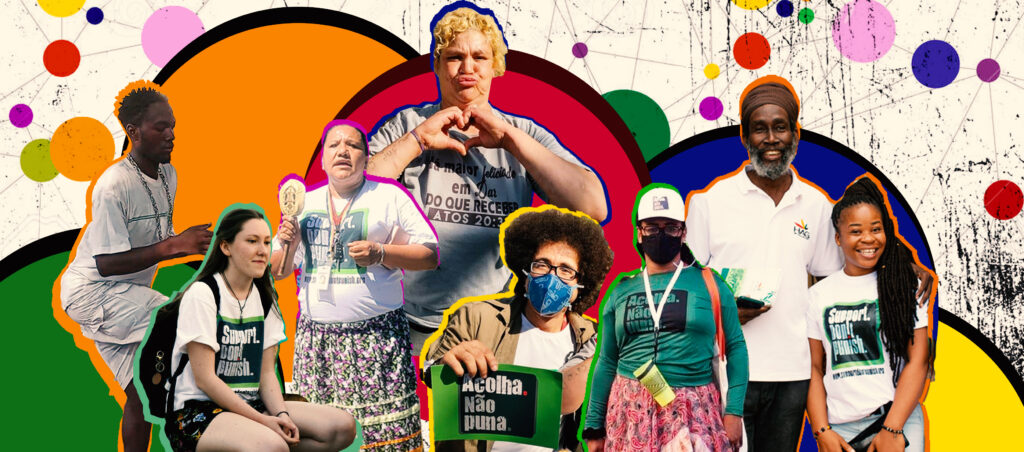
Rather than asking the state for services, what kinds of change are made possible when we prioritise people supporting each other?